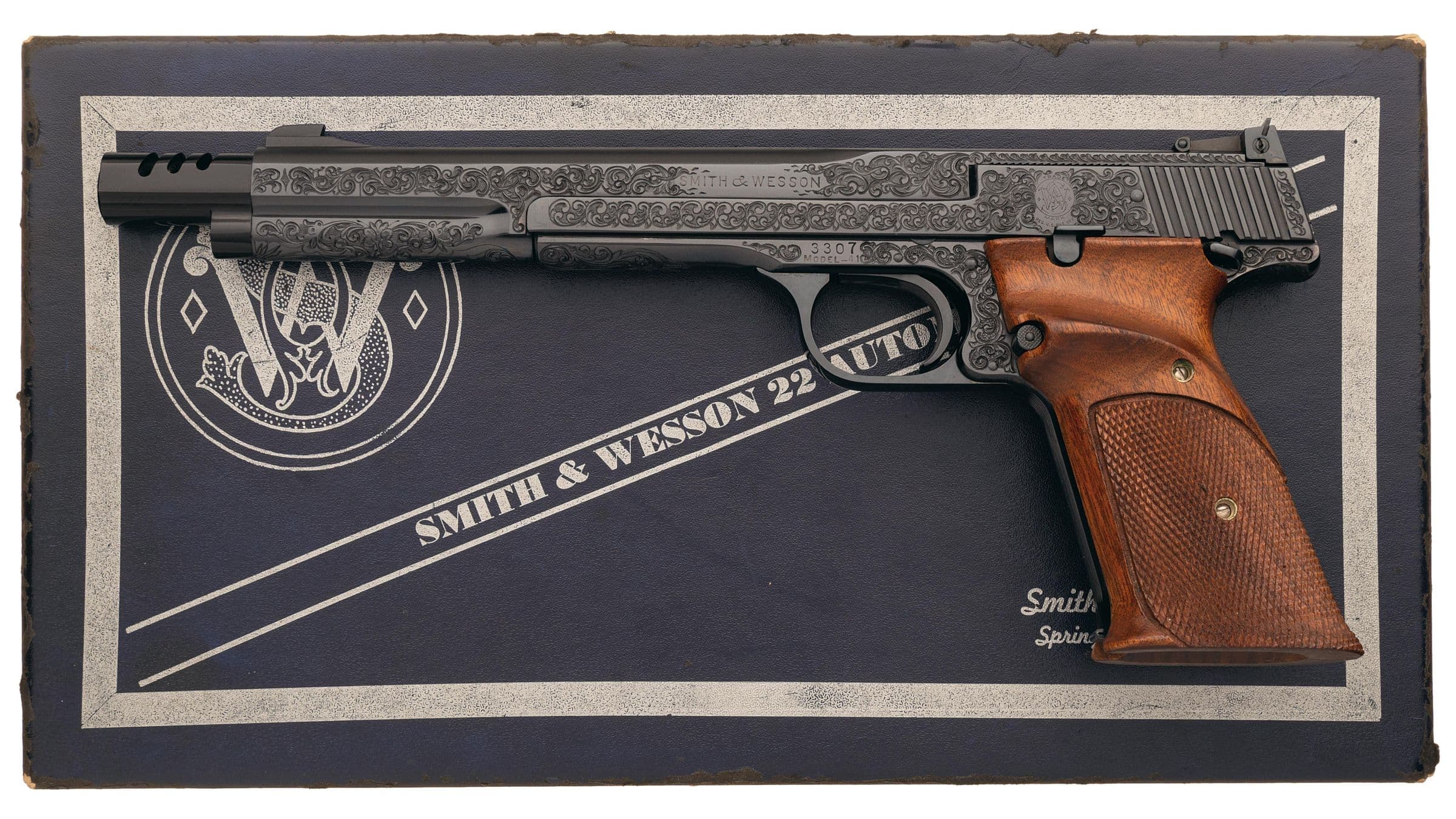
Introduced in 1957, the Smith & Wesson Model 41 was designed specifically for precision target shooting. Its fixed-barrel system, interchangeable barrel assemblies, and specialized variants distinguish its long production history.
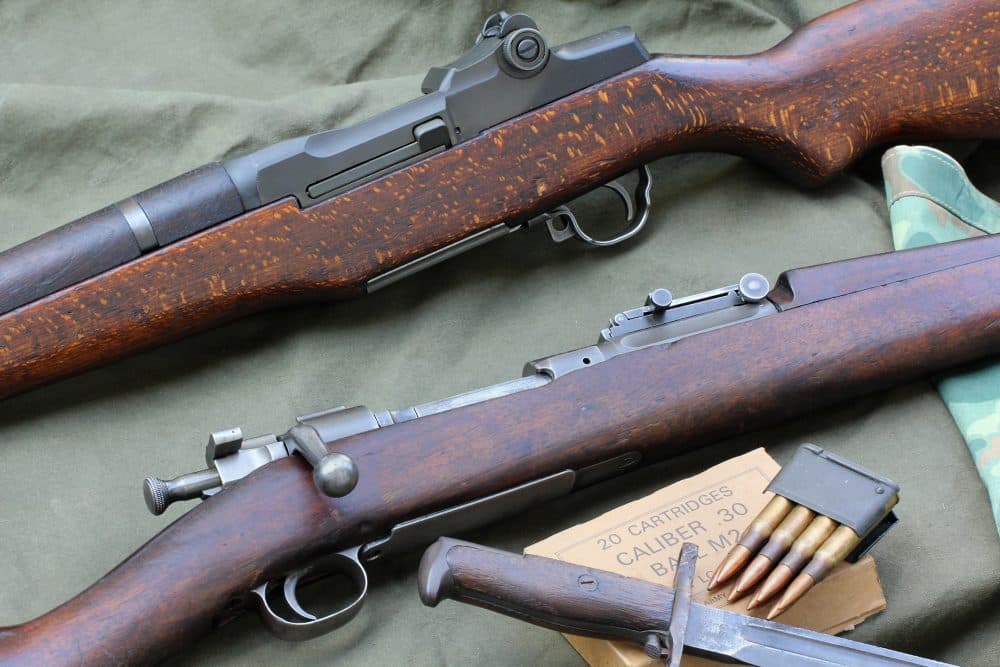
The Springfield M1903 served the United States through two world wars and underwent numerous design and manufacturing changes. Its variants include the Mark I, M1903A1, M1903A3, and M1903A4 sniper rifle.
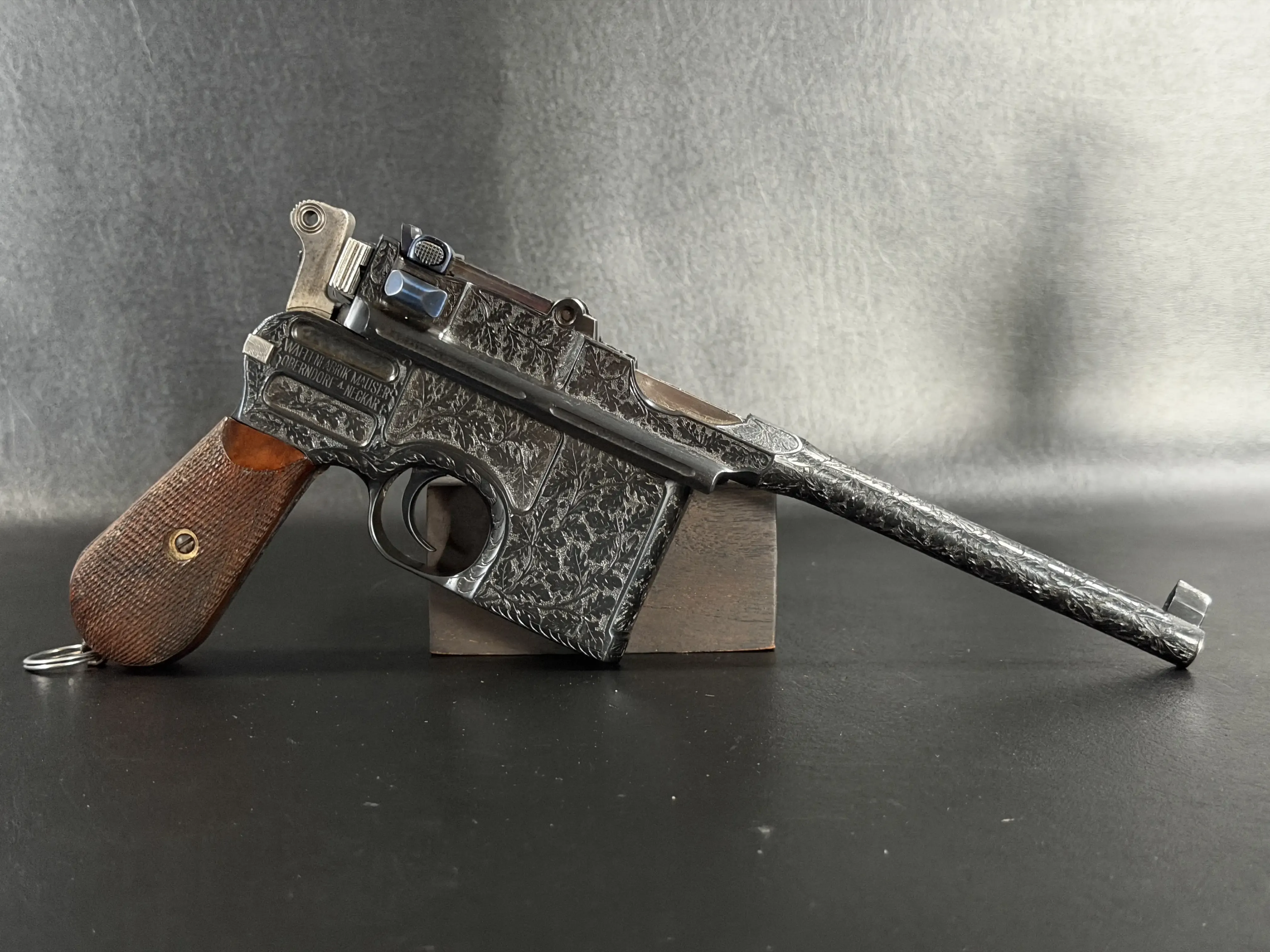
Produced from 1896 to 1937, the Mauser C96 combined a locked-breech action, fixed magazine, and detachable stock-holster. Its numerous configurations require careful examination of mechanical features, markings, caliber, and serial numbers.
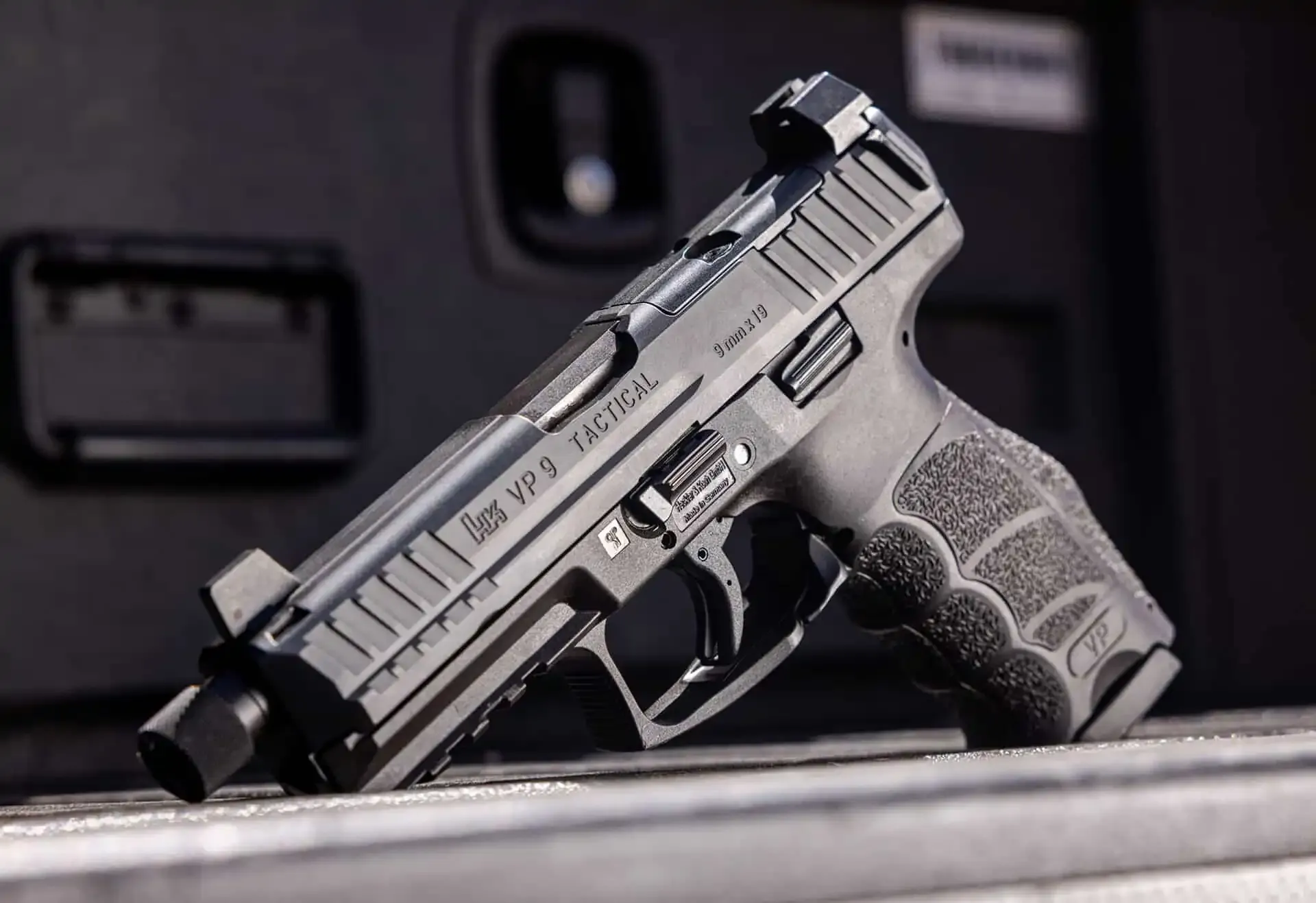
Heckler & Koch introduced the VP9 in 2014 as a polymer-frame, striker-fired pistol with ambidextrous controls and an adjustable grip. Subsequent versions expanded the family into compact, long-slide, competition, and micro-compact configurations.
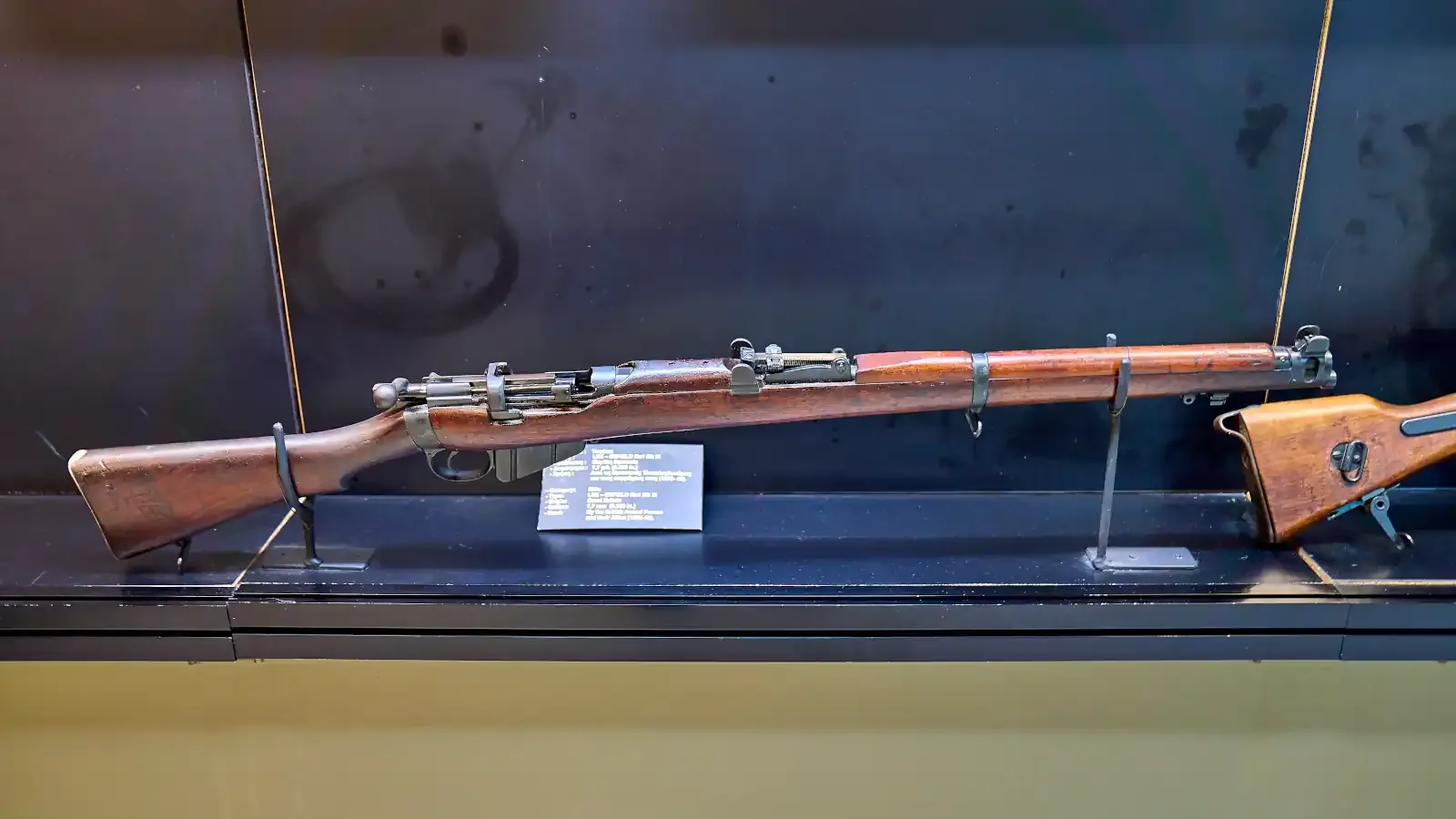
The Lee-Enfield No. 4 Mk I combined the established Lee-Enfield action with changes intended for wartime production. Its markings, components, and bolt-release system help distinguish factories and variants.
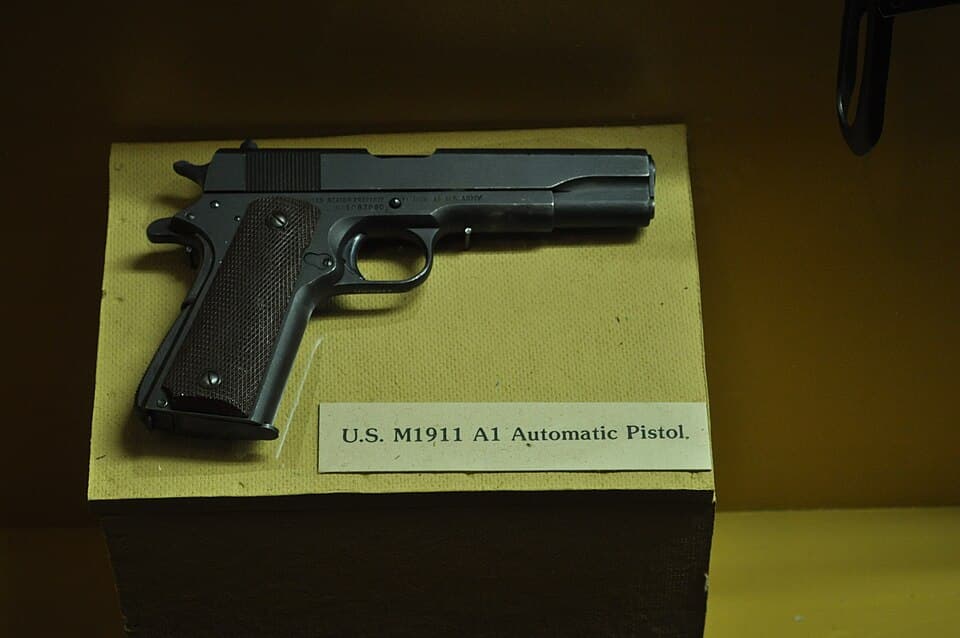
The M1911A1 refined John M. Browning’s original military pistol through several practical handling changes. Its wartime production and extensive rebuilding history make careful component identification essential.
Factory and service designations identify the firearm, while established nicknames provide useful context. Accurate reference writing distinguishes model names from descriptive labels, designer attributions, and an individual firearm’s provenance.
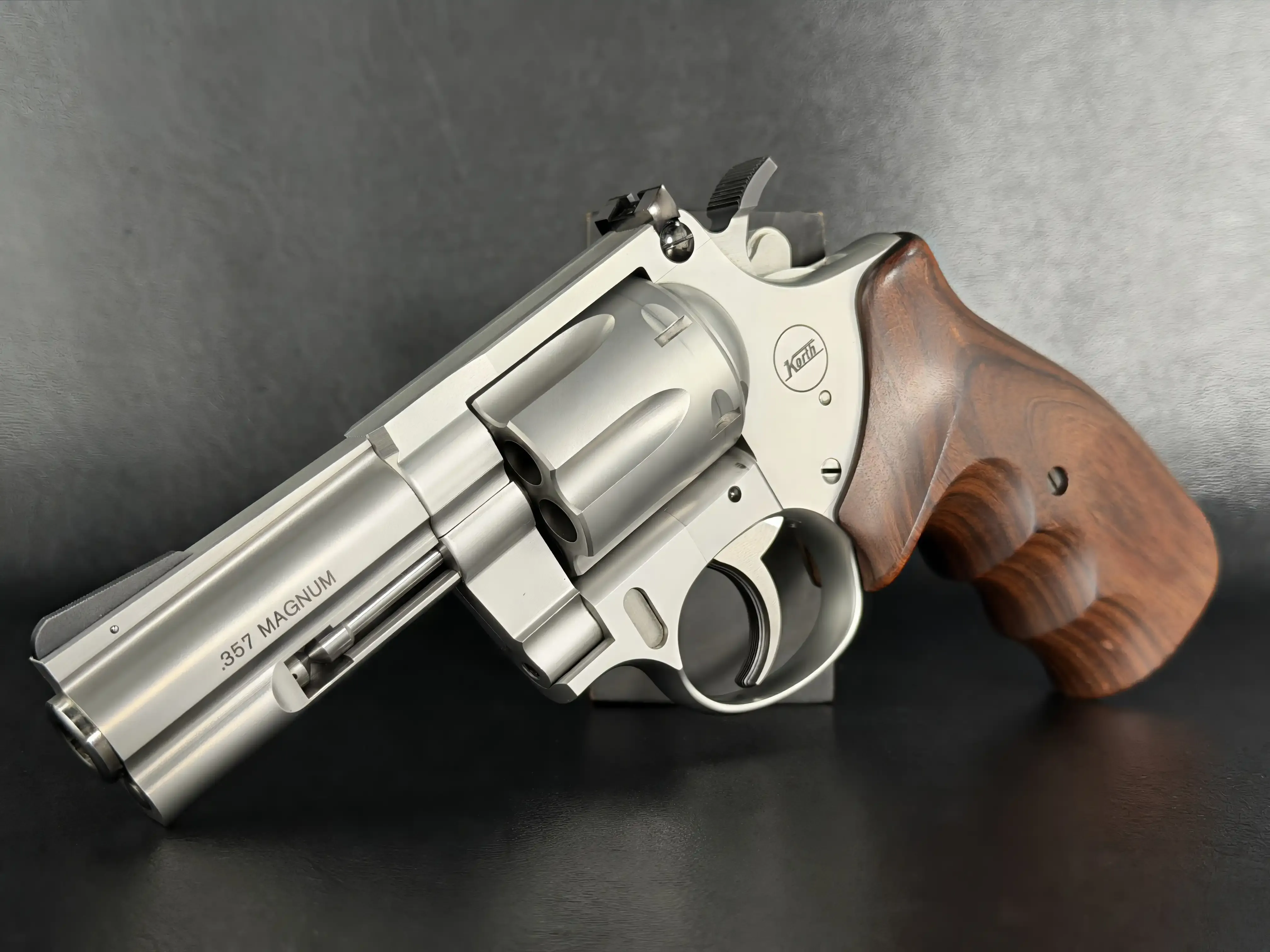
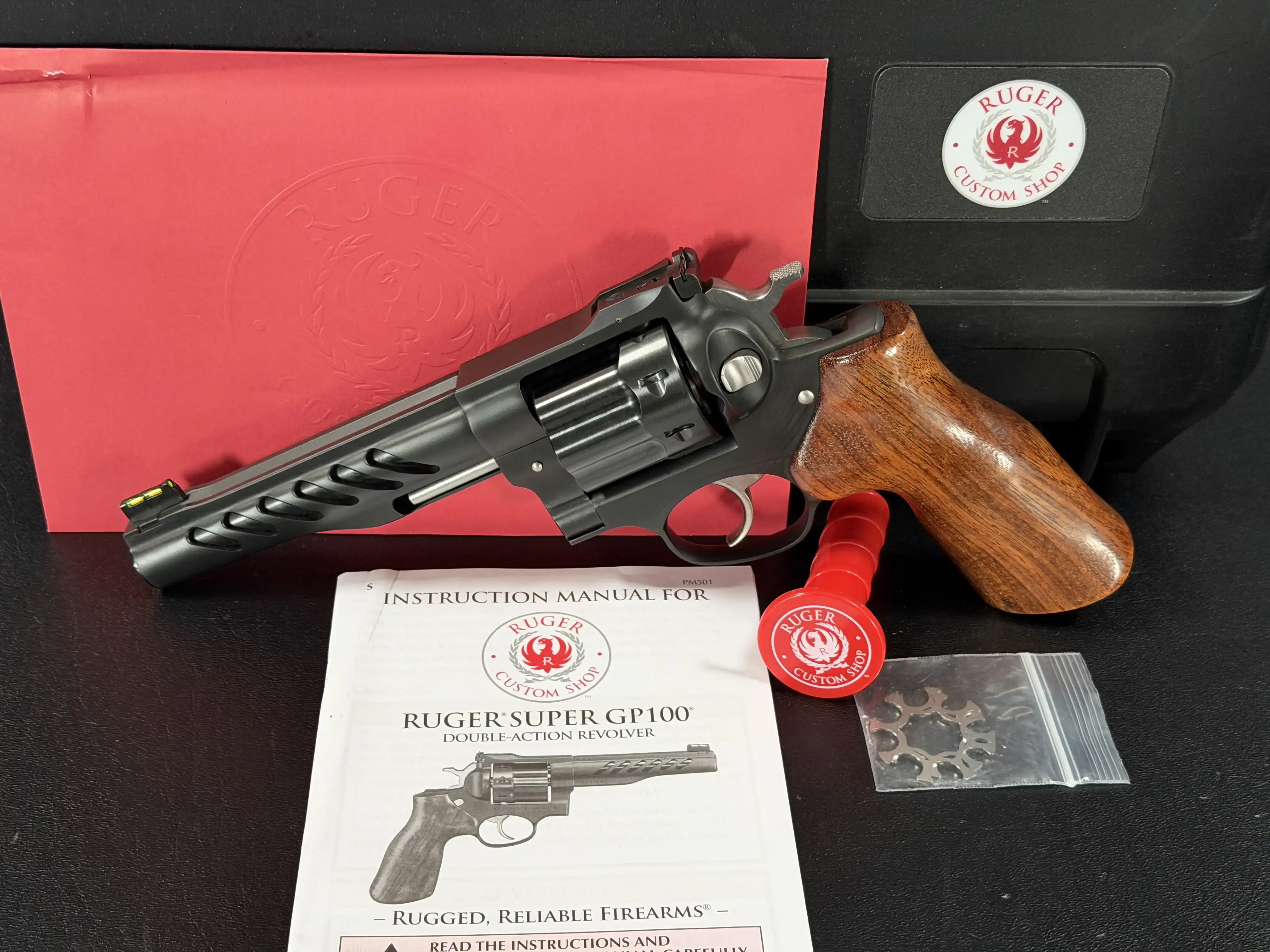
Introduced in 1985, the Ruger GP100 combined a reinforced frame with a three-point cylinder-locking system. Later chamberings and specialized variants expanded the platform beyond its original six-shot .357 Magnum configuration.
Introduced in 1931, the Walther PPK adapted the PP’s double-action mechanism to a smaller, more concealable frame. Its history spans German, French, and American production, along with a documented connection to Ian Fleming’s James Bond.
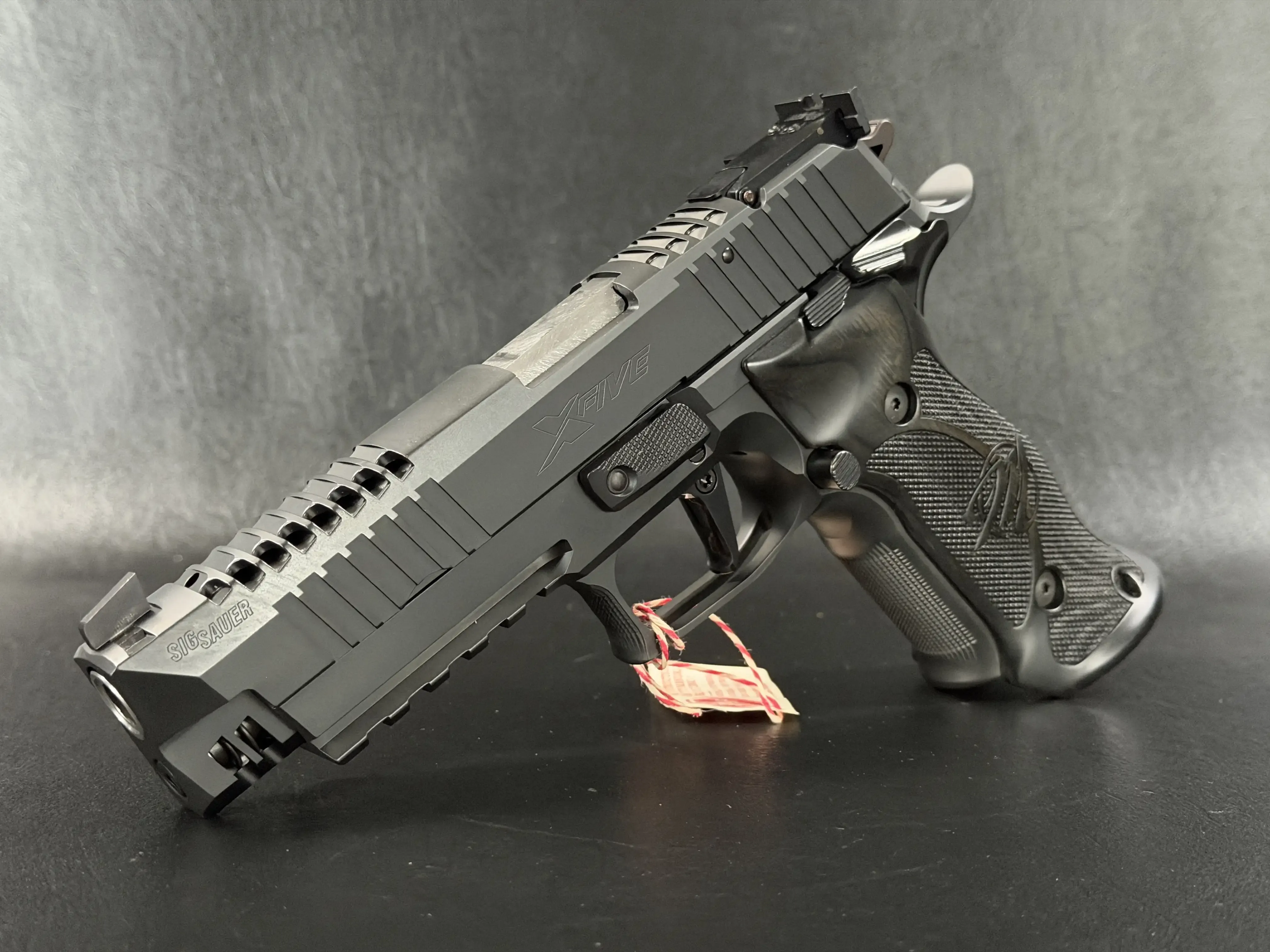
Developed for the U.S. military handgun trials, the SIG Sauer P226 became a long-running family of hammer-fired service pistols. Construction, caliber, controls, and the trigger system distinguish its main configurations.
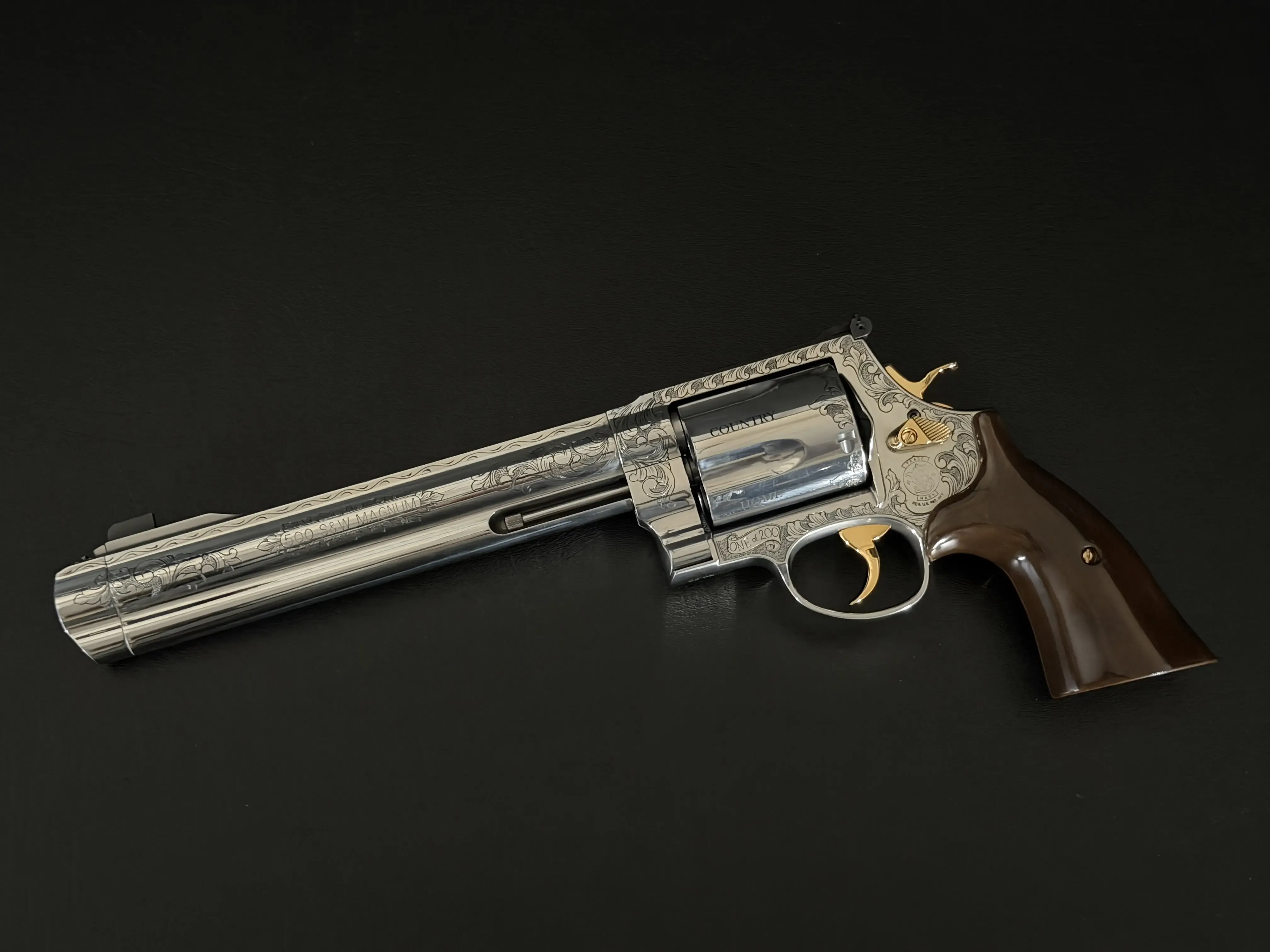
Smith & Wesson introduced the Model 500 and its purpose-built X-Frame in 2003. Its five-shot cylinder, reinforced lockup, and evolving factory configurations distinguish it among modern production revolvers.
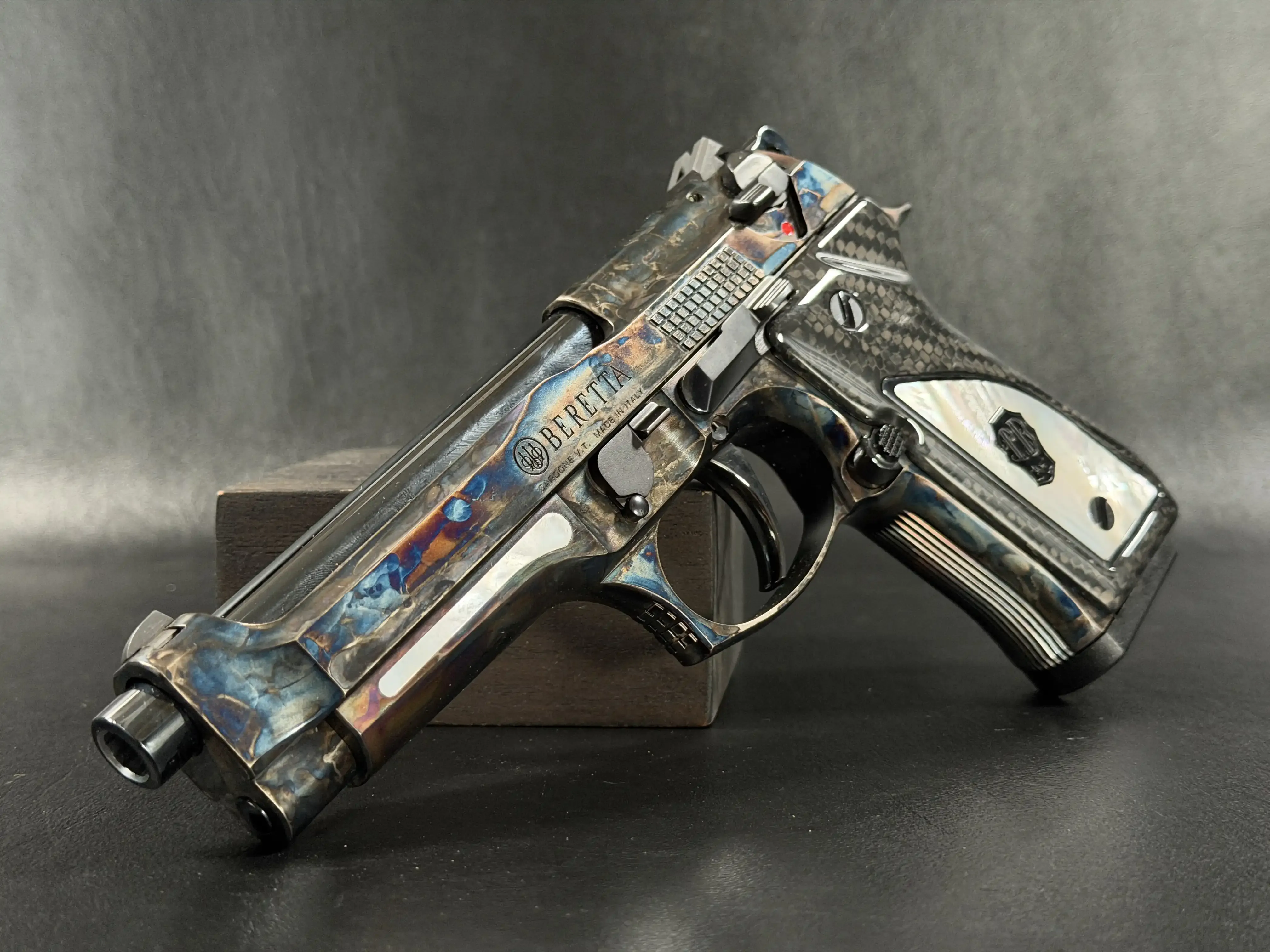
The Beretta 92FS is the mature form of a pistol family introduced in 1975 and later selected for U.S. military service as the M9. Its design, safety changes, variants, and markings are central to accurate collector identification.