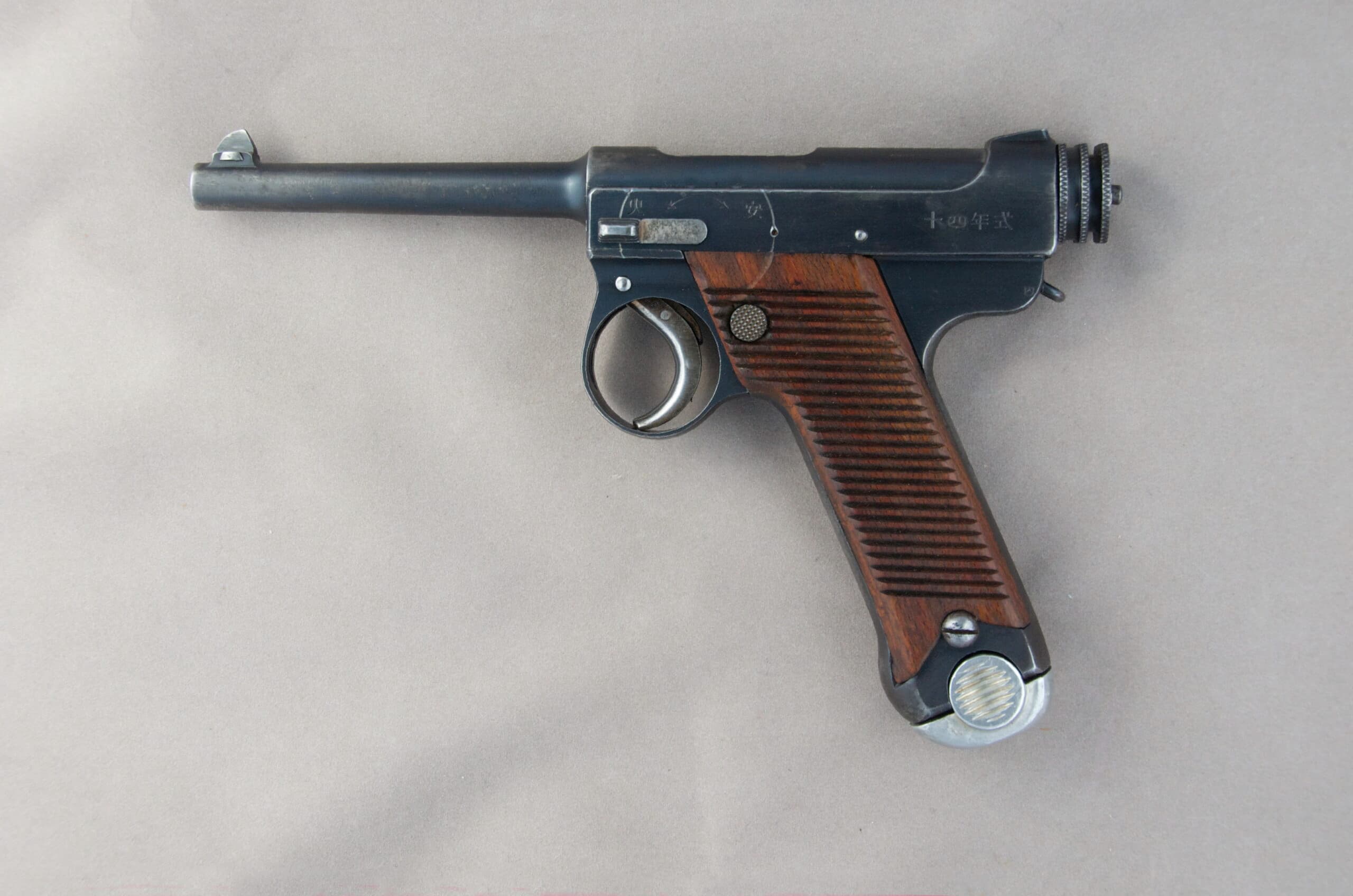
The Type 14 and Type 94 Nambu pistols offer collectors distinct insights into Japanese military arms production. Careful evaluation requires consistent markings, period-correct features, original condition, and verified provenance.
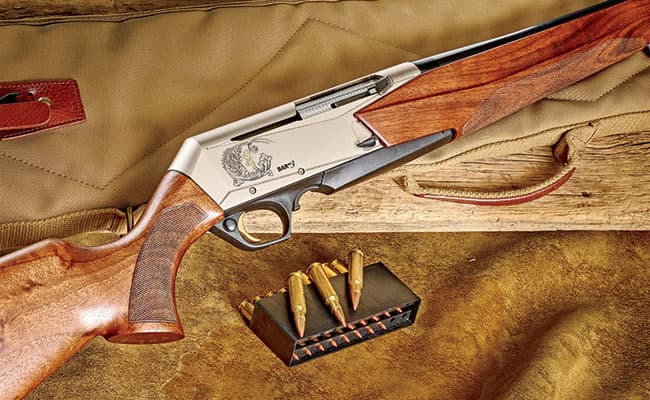
Introduced in 1967, the sporting Browning BAR is a gas-operated semiautomatic hunting rifle distinct from the military M1918. This guide explains its major generations, mechanical changes, and collector identification points.
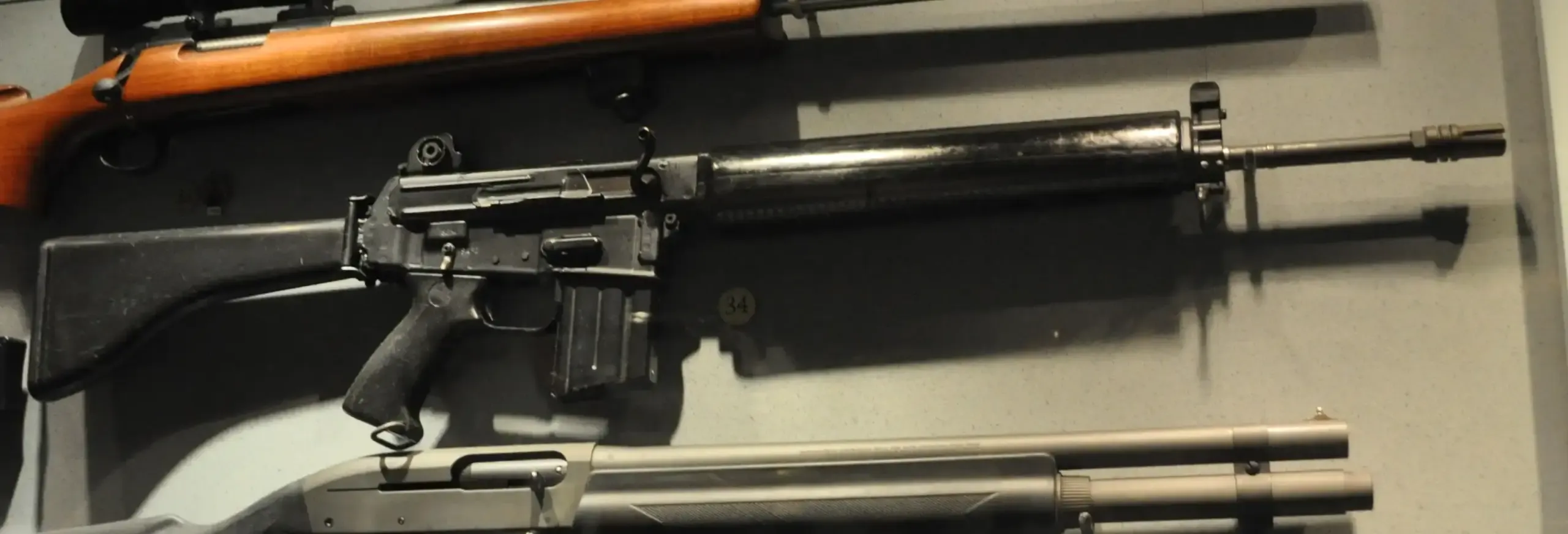
The ArmaLite AR-18 and semiautomatic AR-180 achieved limited sales but introduced a compact and influential operating layout. Their short-stroke piston, rotating bolt, and receiver-contained recoil system anticipated features used in several later rifles.
Introduced in 1959, the Remington Nylon 66 combined a molded Zytel stock and receiver with dependable semiautomatic operation. Its distinctive colors, finishes, and specialized variants remain central to collector identification.
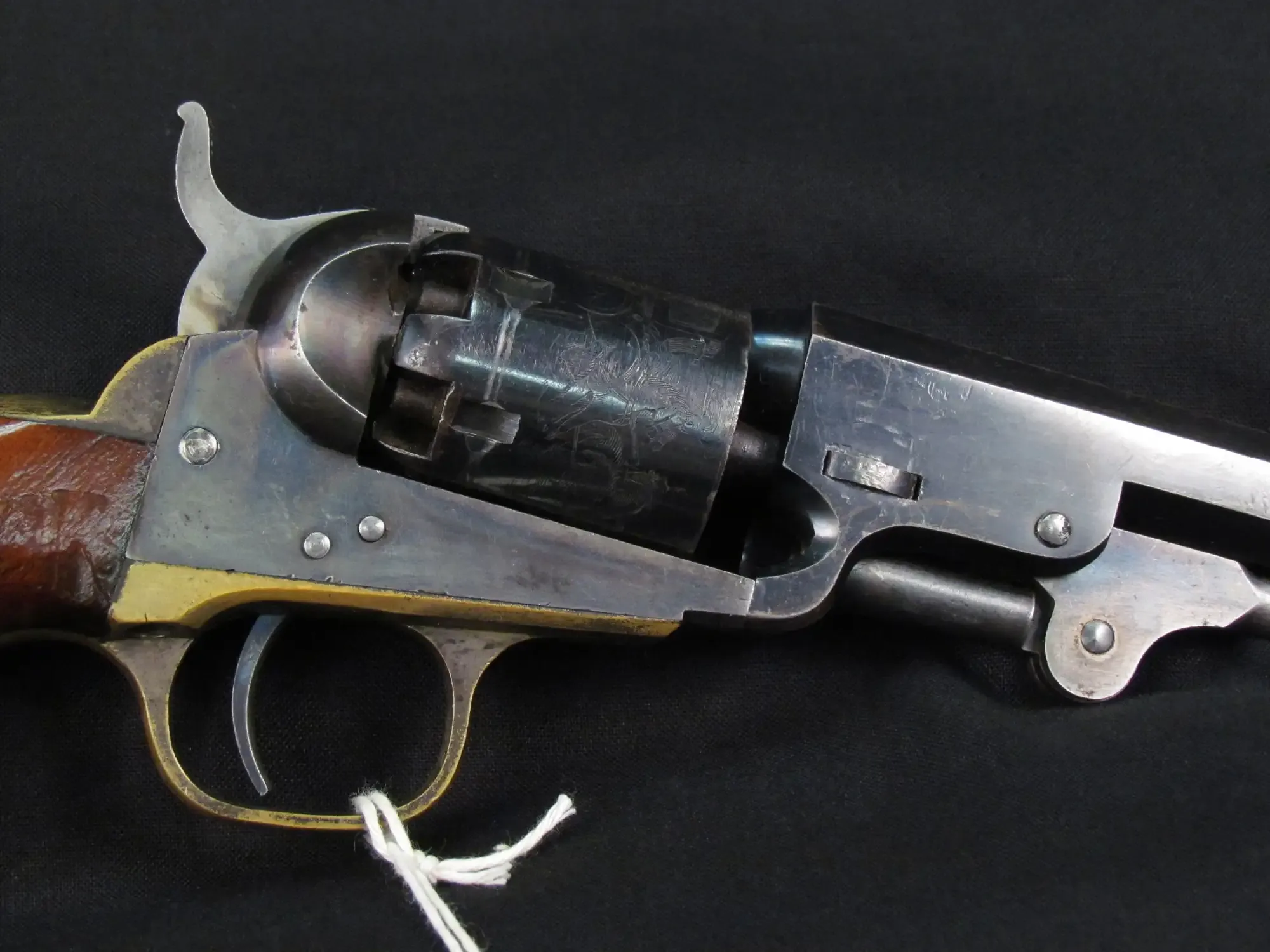
Collectible percussion revolvers should be evaluated through their configuration, markings, condition, and provenance. This guide explains how to identify important Colt and Remington models while avoiding refinished, altered, or misrepresented examples.
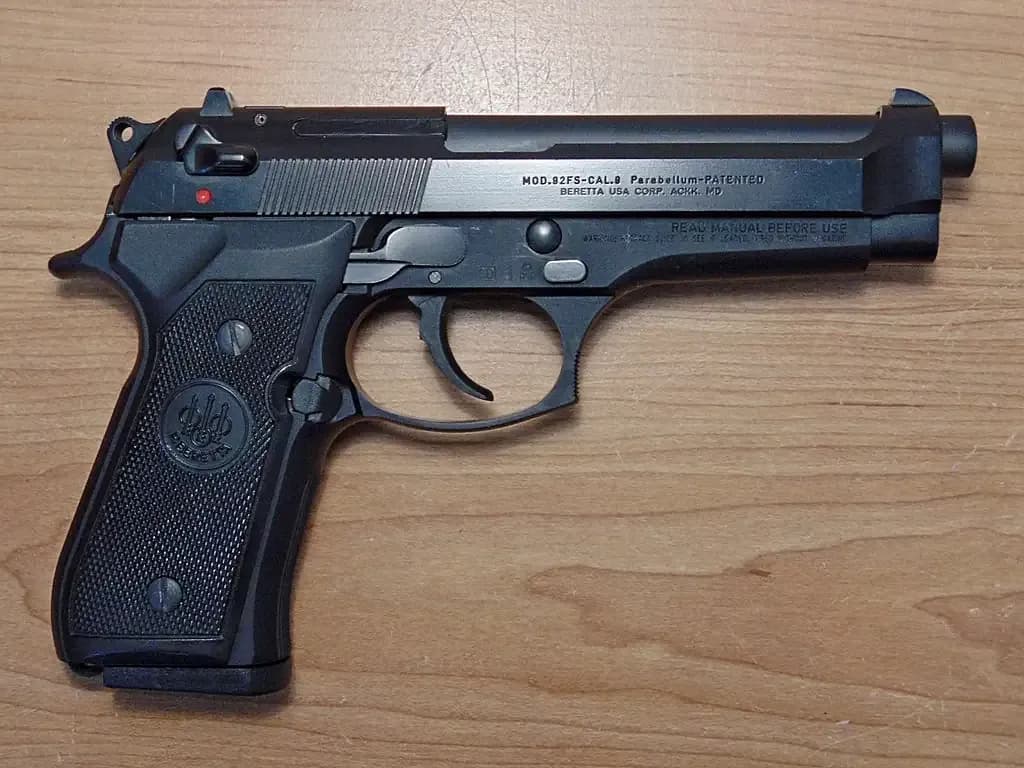
Beretta’s documented history stretches from a 1526 Venetian order for arquebus barrels to influential military pistols and sporting shotguns. Its firearms must be evaluated through their markings, configuration, condition, and supporting documentation.
Benelli’s inertia-operated shotguns share a fixed-barrel action, rotating bolt head, and compact operating system. Explore the verified history and development of the Montefeltro, M1, M2, and Super Black Eagle.
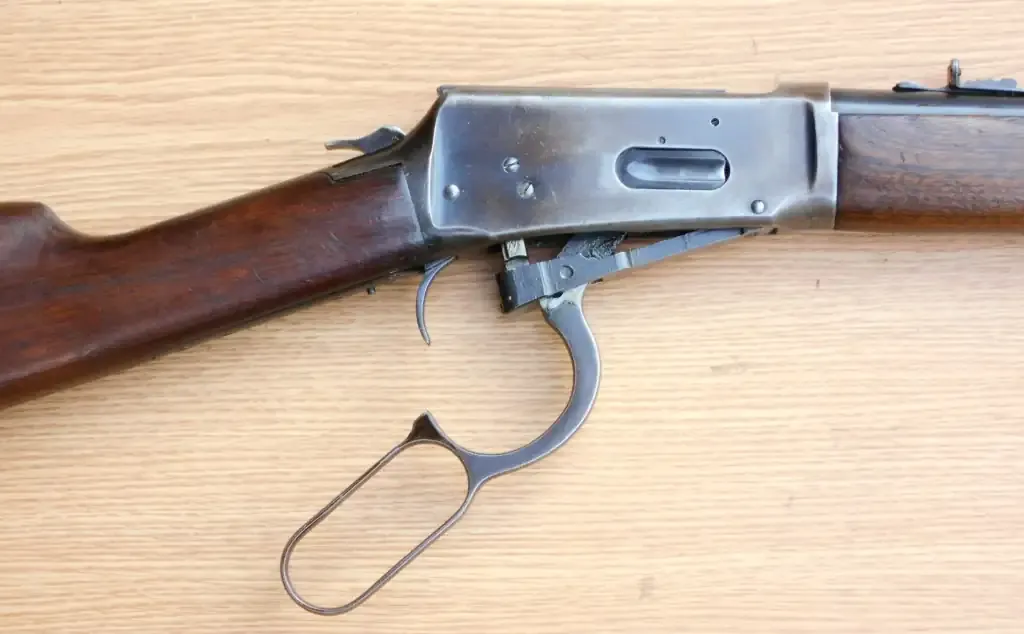
The Winchester Model 94 spans more than a century of mechanical and manufacturing changes. Learn how serial numbers, ejection systems, safeties, and factory records help identify important variations.
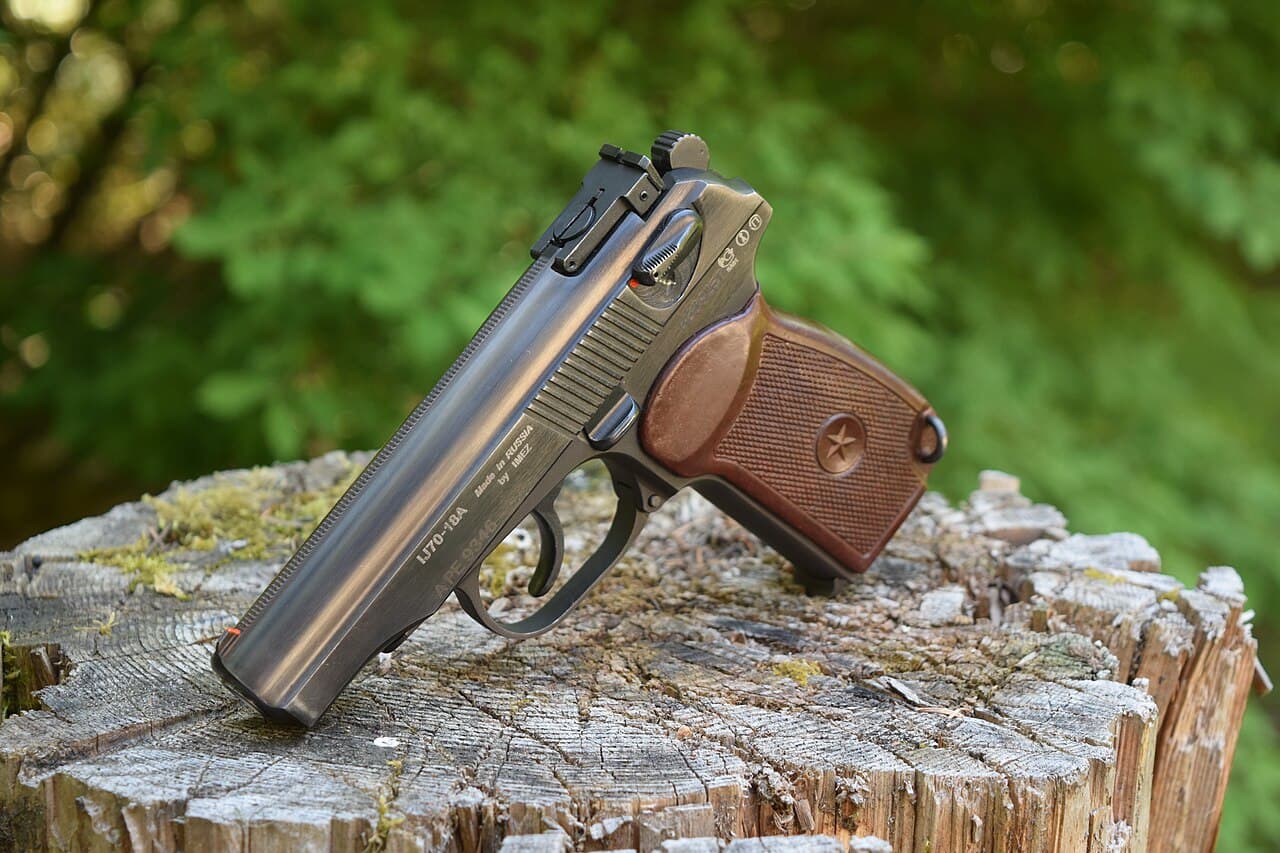
Learn how to distinguish Soviet, East German, Bulgarian, Chinese, and Russian commercial Makarov pistols. This guide explains the markings and features collectors should examine before assigning a variant.
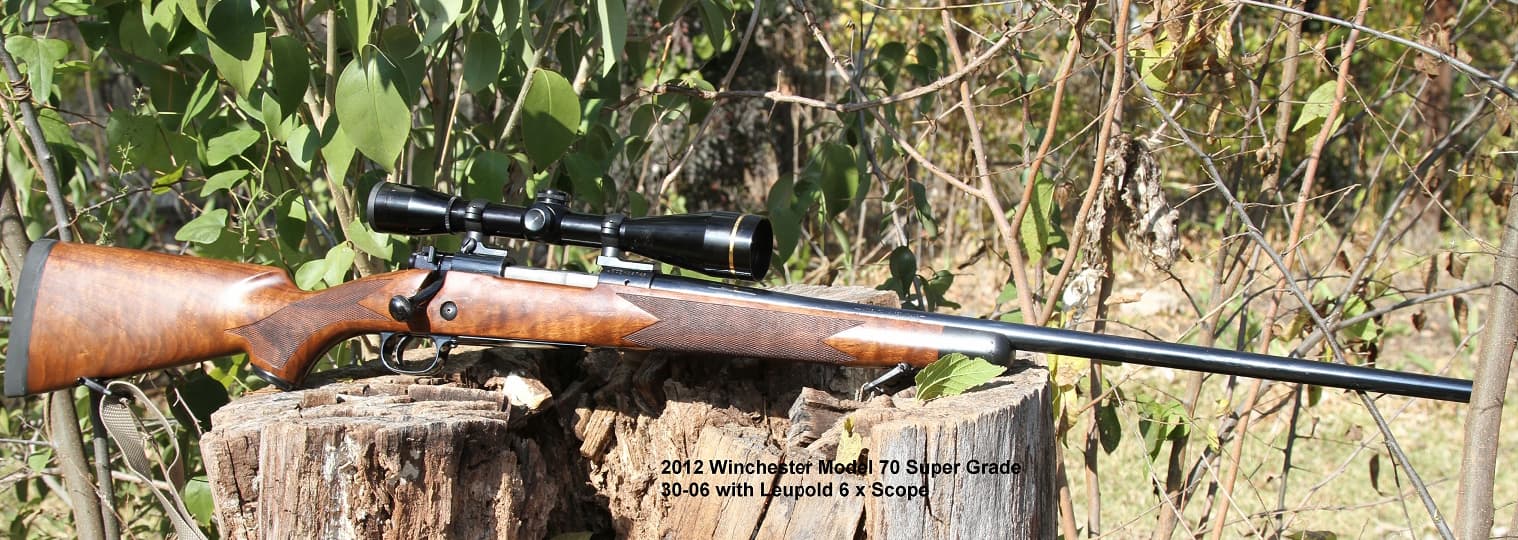
The Winchester Model 70 has evolved through several mechanically distinct production periods. Understanding its action, markings, and configuration helps collectors identify and evaluate individual rifles.
The Remington Model 8 and Model 81 brought John Browning’s long-recoil system to the American sporting-rifle market. Learn how to identify, evaluate, and collect these historically important rifles.
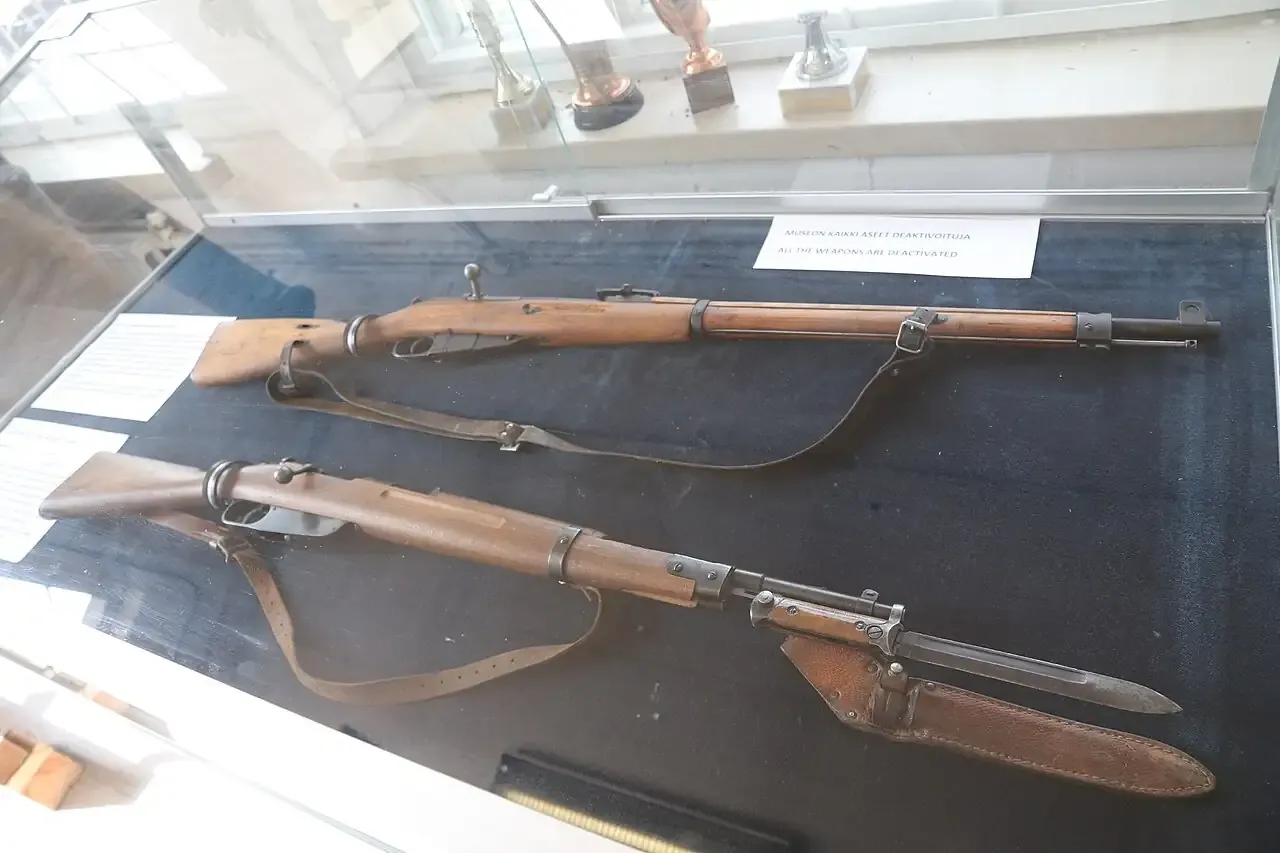
The Carcano family includes Italian rifles and carbines with different sights, bayonet fittings, and chamberings. Correct identification depends on both physical features and factory markings.