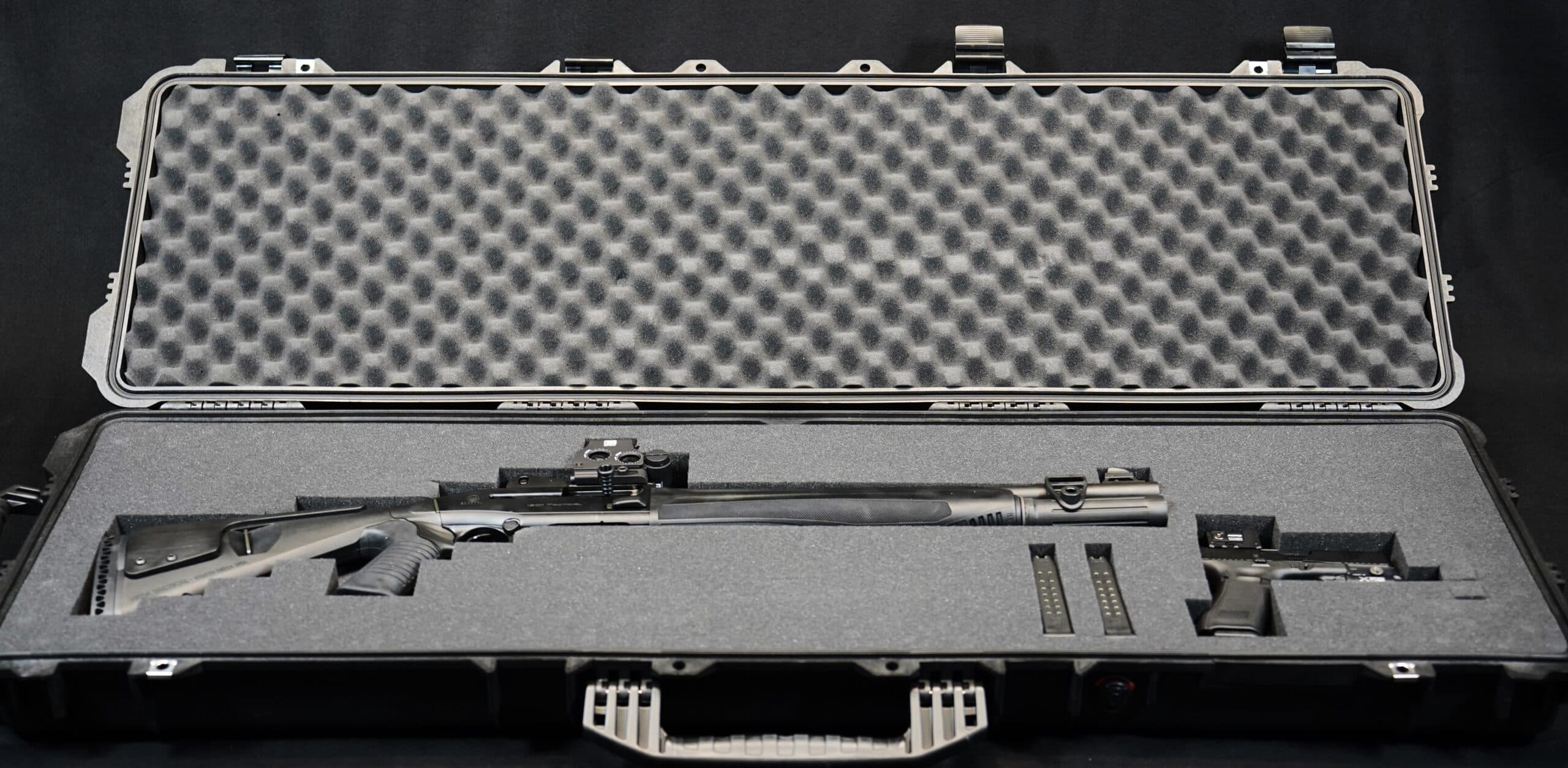
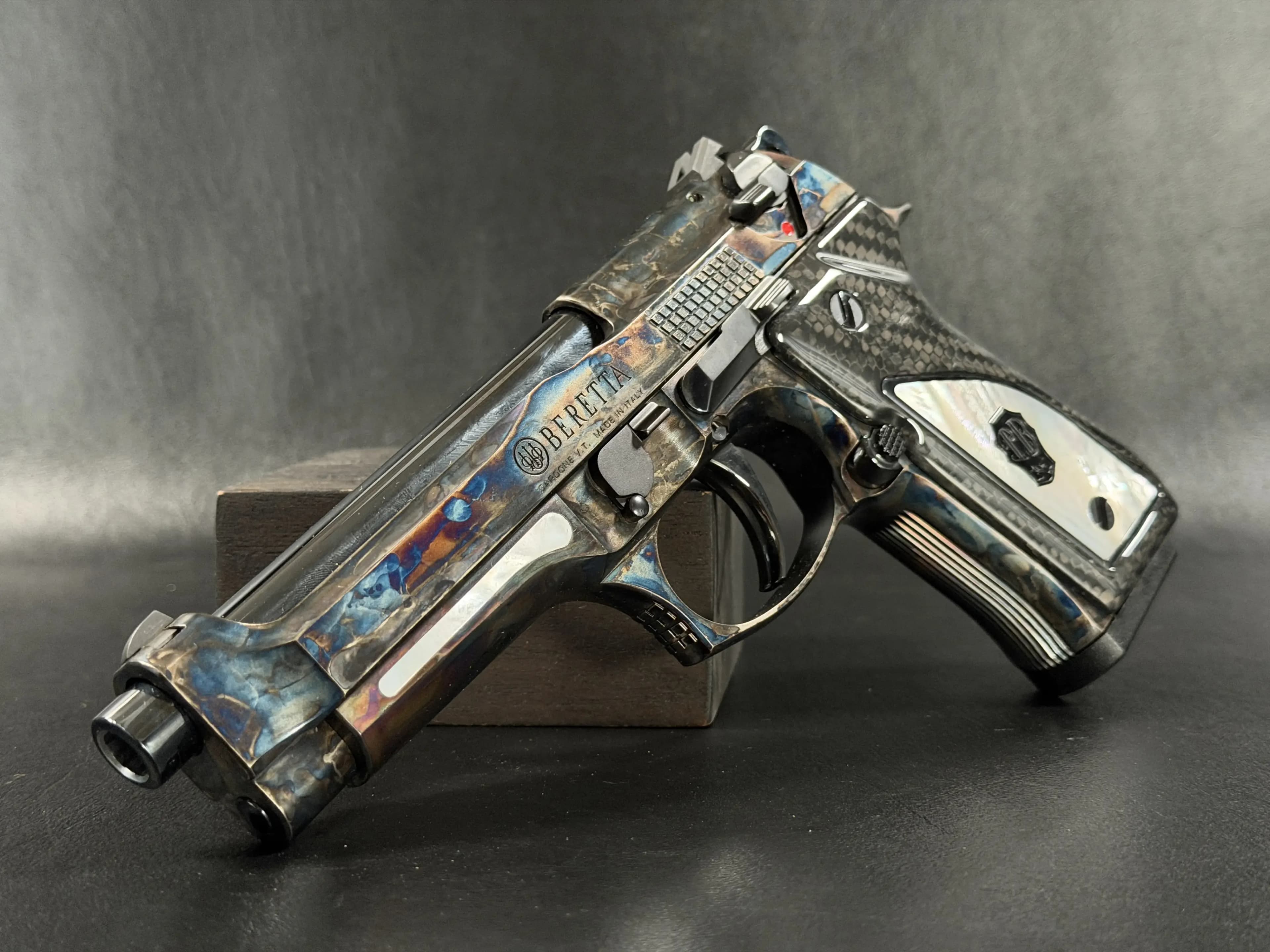

In the state archives of Venice, there is an invoice dated October 3, 1526: payment of 296 ducats to a gunsmith named Bartolomeo Beretta for 185 arquebus barrels supplied to the Venice Arsenal. It is the oldest surviving record of the company's business, though Bartolomeo already held the title of "Mastro," master gun-barrel maker, which suggests the family had been working iron in the Val Trompia valley for at least a generation before that sale. That document, more than any founding myth, is why 1526 is treated as Beretta's starting point and why the company is generally recognized as the oldest continuously operating manufacturer.
The business Bartolomeo built passed to his son Jacopo, then to his grandson Giovannino, and down through the family for generations under the guild system that governed craft trades in the Venetian Republic. That system ended when Napoleon's conquest of the region abolished the guilds in 1797, and it took Pietro Antonio Beretta, who traveled Italy after Napoleon's 1815 defeat to rebuild trade contacts, to put the company on a more formal footing. In 1832, he registered it as Fabbrica d'Armi Pietro Beretta, the name it still carries. His grandson Giuseppe pushed the company from a barrel workshop into a full firearms manufacturer, taking annual production from roughly 300 guns in the mid-1800s to 8,000 by 1880.
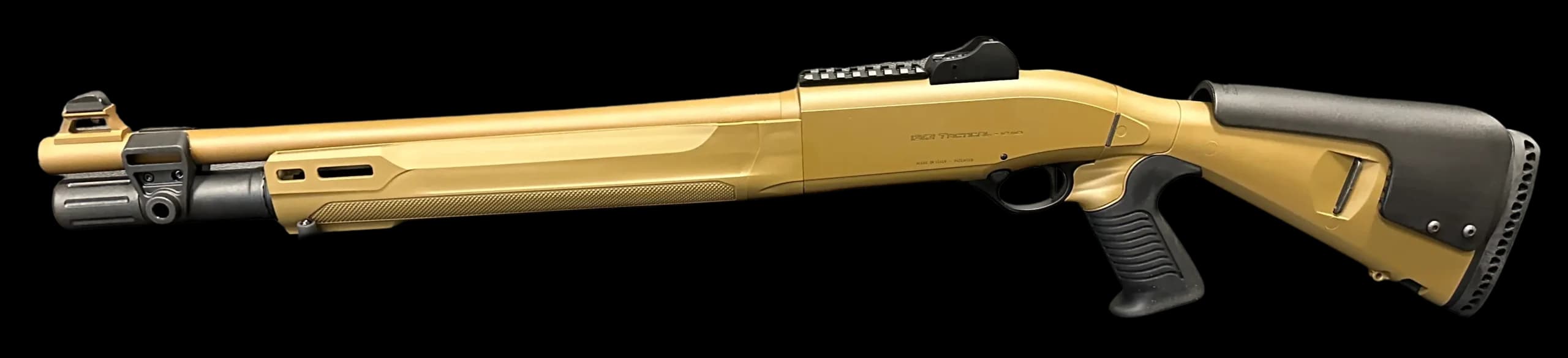
The twentieth century supplied the moments collectors now associate with the name. The Model 1915 pistol, adopted by the Royal Italian Army during the First World War, was Beretta's first mass-produced semi-automatic handgun. The Model 1934, a compact pistol chambered in 9mm Corto (.380 ACP), became the standard sidearm of Italian forces through the Second World War, with roughly 1.08 million produced between 1934 and 1992. On the shotgun side, the S1 of 1933 was Italy's first over-and-under design, the ancestor of the SO series that Beretta still hand-builds in Gardone today. The war years brought disruption too: when Italy changed sides in 1943, German forces occupied the Gardone plant and held Pietro Beretta until Italian partisans freed him before the war's end.
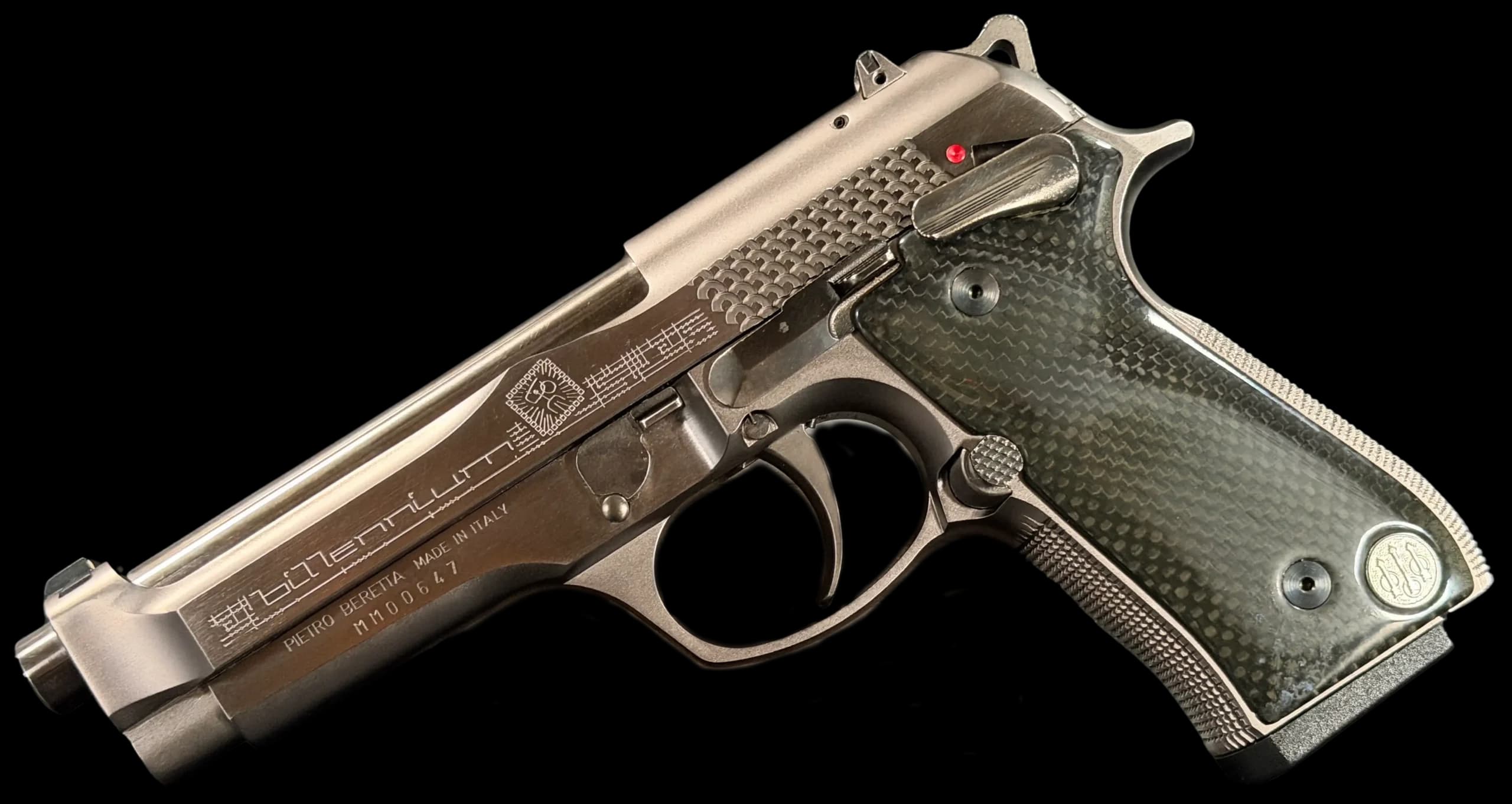
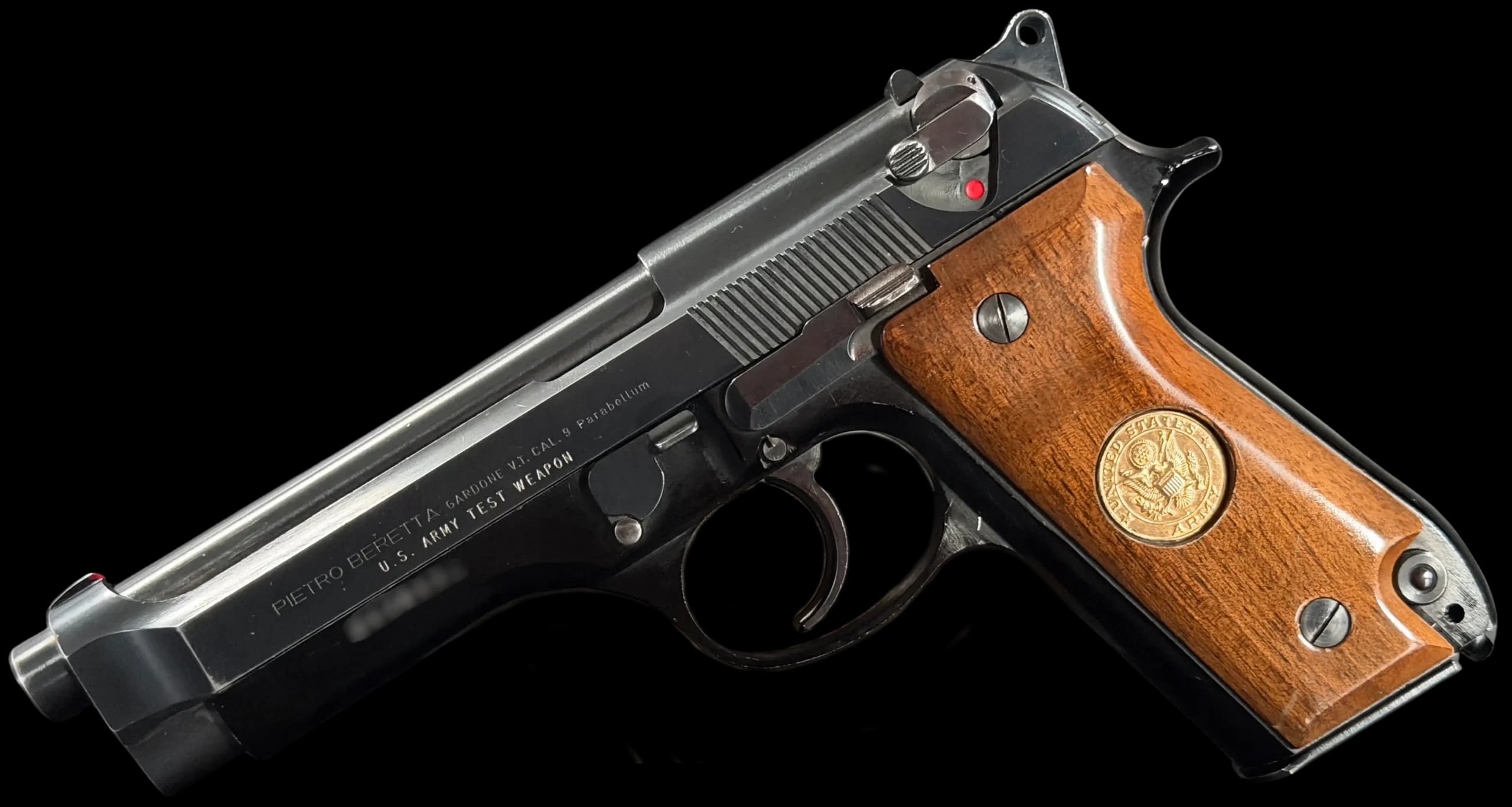
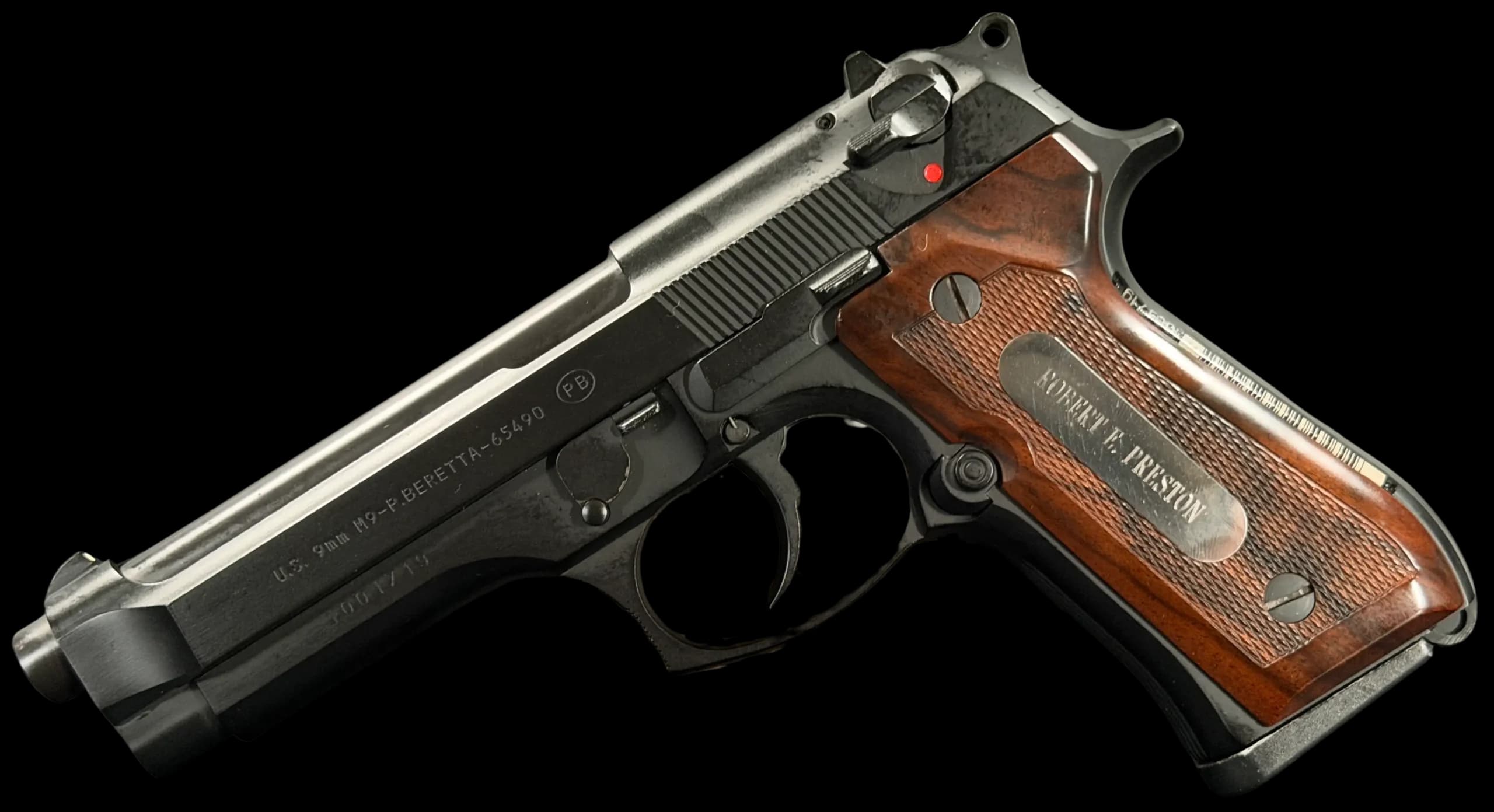
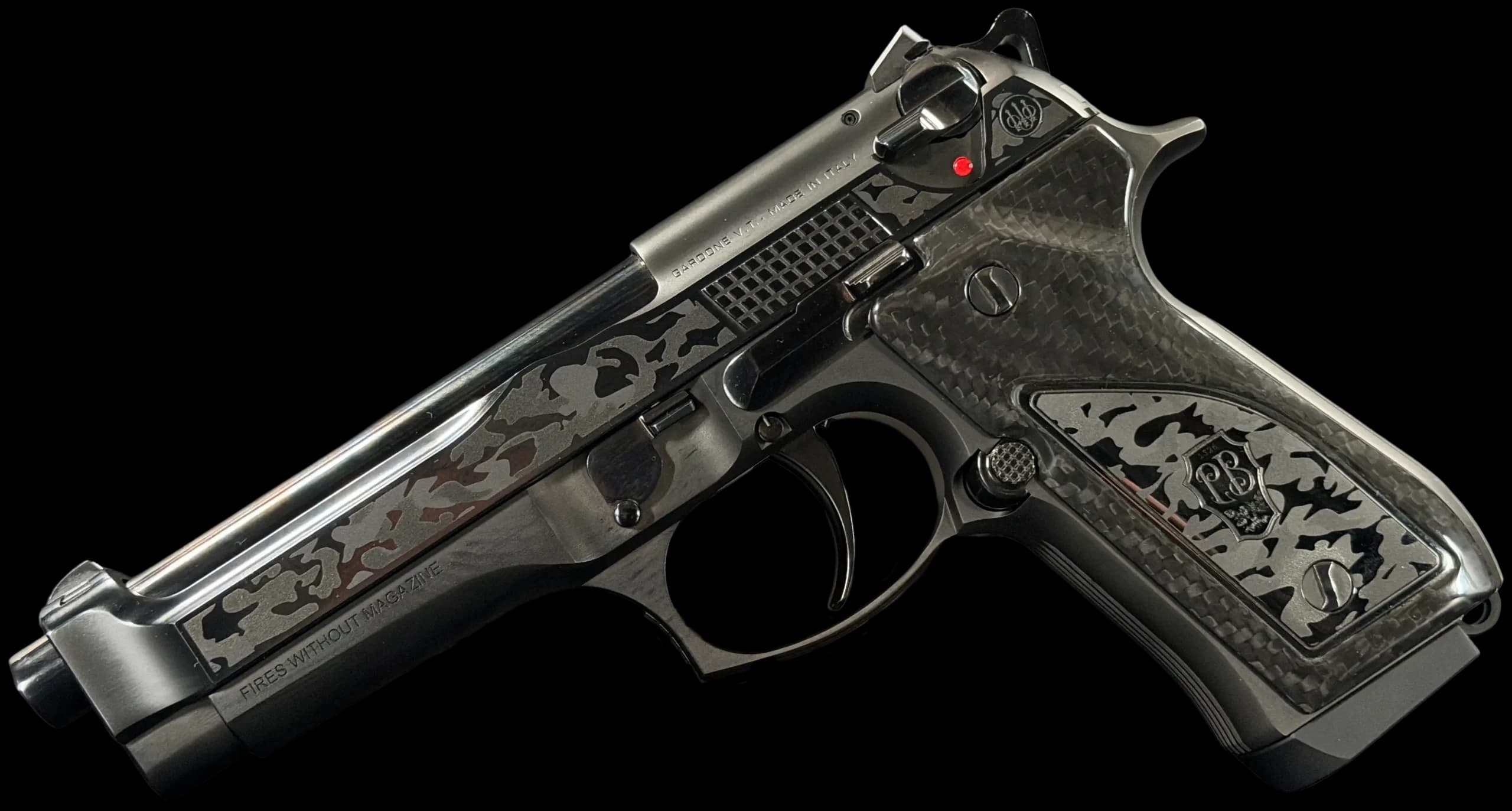
Postwar leadership under brothers Giuseppe and Carlo rebuilt the company into a genuinely international one, with the BM59 rifle entering Italian Army service and the S55 and A300 shotguns becoming standard equipment for a generation of hunters. The pistol that changed Beretta's fortunes outside Italy arrived in 1975: the Model 92, an evolution of the earlier Model 1951 with an open-slide design and a double-stack magazine.
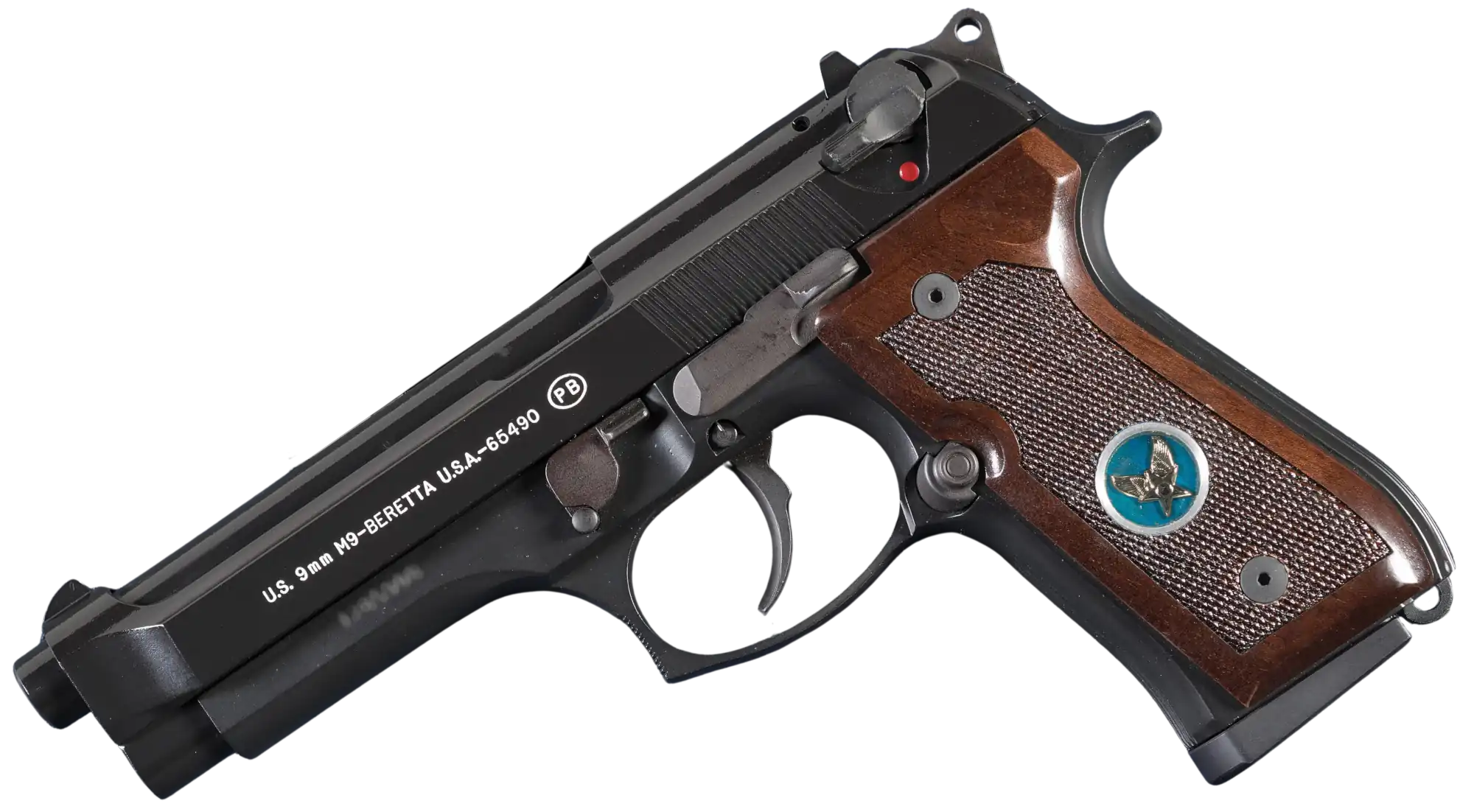
Beretta USA opened in Accokeek, Maryland, in 1977 to serve the American market, and in 1985 the U.S. Department of Defense selected a variant of the 92, designated the M9, to replace the M1911A1 as the standard sidearm of the U.S. armed forces. The M9 served American troops for more than three decades, through the Gulf War, Iraq, and Afghanistan, and put the 92 in front of an audience well beyond military and law enforcement circles, including screen appearances that made it one of the more recognizable service pistols of its era.
The company's ownership has not changed in five centuries, but its structure has. Beretta Holding was established in 1996 to coordinate the family's growing collection of businesses, which today includes Benelli, Franchi, Sako, Tikka, Uberti, Stoeger, Burris, Steiner, Chapuis, and Holland & Holland, as well as the 2022 acquisition of RUAG Ammotec. Franco Gussalli Beretta runs Fabbrica d'Armi Pietro Beretta directly, while his brother Pietro Gussalli Beretta heads the holding company from Luxembourg. The group has also become an investor in the wider industry, building a significant stake in Sturm, Ruger & Co.
For a collector, the appeal of Beretta has as much to do with continuity as with any single model. A 92-series pistol built today shares its basic architecture with one from 1976, and the SO-series shotguns are still finished by hand in the same Gardone workshops that produced the S1 in 1933. Sporting arms account for roughly three-quarters of the company's output, and Beretta shotguns have won Olympic gold in trap or skeet shooting repeatedly since Galliano Rossini's win at Melbourne in 1956. Few manufacturers in any industry, let alone firearms, can offer five hundred years of unbroken production and paperwork to support it.
History & Milestones
First recorded transaction with Venice
Bartolomeo Beretta sells 185 arquebus barrels to the Venice Arsenal, the earliest documented record of the family's gunmaking business.
Guild system abolished under Napoleon
The conquest of the Venetian Republic ends the guild structure that had governed the trade, opening the way for Beretta to expand beyond local markets.
Company formally registered in Italy
Pietro Antonio Beretta registers the firm as Fabbrica d'Armi Pietro Beretta, the name still used today.
First semi-automatic pistol adopted
The Model 1915 enters service with the Royal Italian Army, marking Beretta's move into handgun production during the First World War.
First Italian over-and-under shotgun
The S1 establishes the sidelock design that becomes the SO series, still Beretta's premium shotgun line.
Model 1934 becomes standard sidearm
The compact pistol becomes the standard sidearm of Italian forces through the Second World War; about 1.08 million are produced by 1992.
Model 92 pistol introduced
The pistol that becomes Beretta's best-known handgun, and later the basis for the U.S. military's M9, enters production.
Selected for U.S. military service
The Department of Defense selects the Beretta 92SB-F, designated M9, to replace the M1911A1 as the standard sidearm of the U.S. armed forces.
Beretta Holding established in Luxembourg
The family forms a parent company to coordinate Beretta and a growing roster of subsidiary brands.
APX series launched
Beretta's first striker-fired duty pistol debuts, developed for the U.S. Army's Modular Handgun System competition.