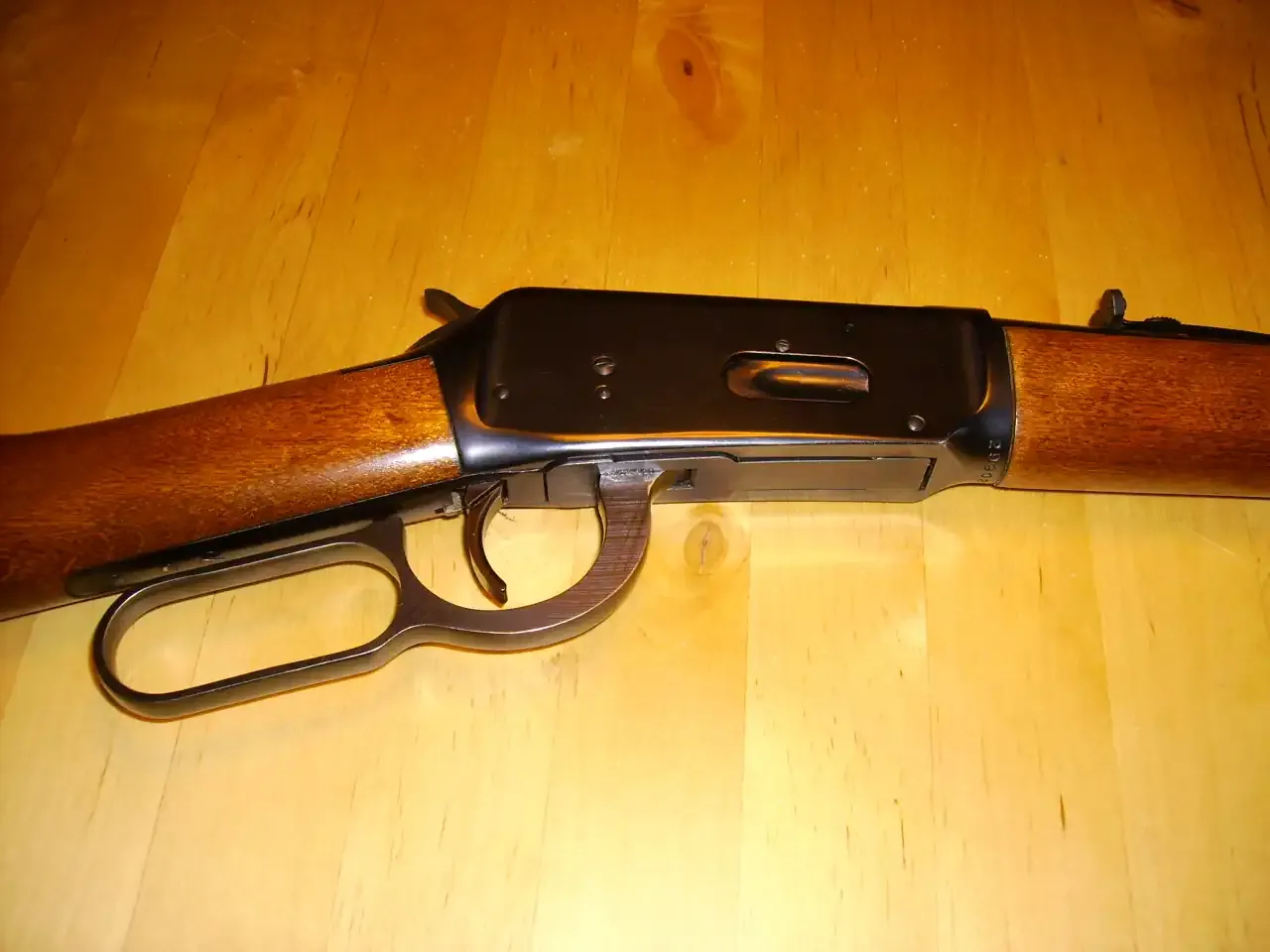
I set three lever guns on the bench and ran them slowly. Same swing of the hand, three totally different lockups and feeding rhythms. That is the secret to why one lever feels long and silky, another snaps shut with authority, and a third hums like a tiny gearbox. If you want to choose wisely or just understand what you own, start with how they lock, how they feed, and how to care for them.
Why lever actions feel different
Lever actions all use a lever under the receiver to eject, feed, and lock. But designers took different paths to do that work. The result is three big variables you can feel at the counter: the locking system, the feeding path, and the stroke timing. A quick foundation on operation and safety is worth a look in Hunter-ed’s lever-action overview, and action basics are also covered at BeASafeHunter.
How a lever action cycles
Down and forward on the lever unlocks the breech, draws the bolt to the rear, and ejects. Upward on the lever sets the next round in place and closes the bolt. That is the common cycle. What changes is the way the bolt is held shut and how the next cartridge is presented.
Toggle-link beginnings
Many early American levers used a linkage that straightens into a column behind the bolt when you close the lever. That near-straight column resists rearward motion during firing. Run one and you will feel a long, velvety arc as the links unfold and then align. Hunter-ed points to the Henry and later Model 1873 as icons of the era and they define the classic long-stroke feel many shooters love.
Vertical locking bars
Another path is a solid bar that rides up behind the bolt as you close the lever. Instead of links forming a column, a single piece cams upward into place. The sensation is often shorter and more decisive at the end of the stroke. Open the lever and the bar drops, letting the bolt travel back to extract and eject. The idea is simple: a direct block in line with bolt thrust and repeatable timing.
BLR: rack-and-pinion with a rotary bolt
Then there is the Browning BLR. Browning describes an advanced rack-and-pinion lever system driving a multi-lug, rotating bolt head with a recessed face. Close the lever and the bolt actually rotates to lock, much like many modern repeating rifles. The BLR also feeds from a detachable box magazine, which Browning notes allows the use of pointed bullets with ballistic advantages at distance, and the design includes safety features such as a folding hammer and a trigger mechanism engineered to prevent unintended discharge. For authoritative details on operation and care, see the BLR owner’s manual.
Marlin bolts: square vs round
Spend time with Marlin-pattern rifles and you will see two bolt profiles:
- Square-profile bolts ride like a block through a rectangular raceway you can easily view with the action open.
- Round-profile bolts run in a circular bore, showing arcs and a different bearing footprint when you look inside.
On the bench, that geometry shows up in cleaning access, visible wear surfaces, and the feel as the bolt settles the last bit into battery. Neither is categorically better. Handle both styles with the action dry, then lightly oiled, and note which close feels more positive to you.
Feeding paths: tubes vs box mags
Traditional lever guns use a tubular magazine under the barrel. Cycling the lever trips a lifter that raises a single round to the breech face for the bolt to push home. Box magazine levers present the next round at feed lips as the bolt returns. The storage method dictates bullet shape choices: tube magazines typically pair with flat or soft-point bullets since cartridges line up nose to primer, while detachable box magazines avoid that nose-to-primer contact and make pointed bullets practical. Browning highlights that advantage in the BLR’s design.
Strength and use
Every system aims to do one thing: keep the breech closed until pressure drops, then unlock cleanly for the next cycle. A few comparisons help when you are weighing choices:
- Locking surfaces: linkages form a column, vertical bars block from below, and rotating heads seat lugs into matching recesses. All resist thrust in different ways.
- Stroke character: link trains often feel long and smooth, vertical bars can close with a short snap, geared rotary systems like the BLR feel even and precise.
- Feeding tolerance: tube-fed lifter timing rewards complete, confident lever strokes; box mags tend to present consistently at the lips.
Resist the urge to rank whole classes by strength in the abstract. Makers pair actions with specific cartridges and goals. If in doubt, follow the manual and factory ammunition guidance.
Practical running and care tips
- Work the lever fully. Short-stroking causes half-feeds. Build the habit of complete, deliberate cycles with the muzzle in a safe direction and finger off the trigger. Hunter-ed’s overview reinforces those fundamentals.
- Keep your sight picture through the cycle. Maintain cheek weld and fore-end pressure while your strong hand runs the lever. The Ranger Point Precision guide focuses on posture, grip, and consistency for faster follow-up shots.
- Service smart. Browning’s BLR manual reminds owners to plan for periodic inspection and to avoid unauthorized servicing. Do not alter the trigger, safety, or firing parts. That guidance applies broadly to lever guns where timing and sear geometry are critical.
- Learn your clearing ritual. Tube-fed rifles and box-mag levers can differ in how you unload the magazine safely. Read and practice your model’s procedure, ideally with dummy rounds.
Smart buyer checks at the counter
- Cycle feel: run the lever several times. Look for a smooth stroke, an unmistakable last bit into lockup, and clean ejection.
- Lockup firmness: with the action closed and safety set, press lightly on the bolt to feel how decisively it is seated.
- Feeding presentation: with permission, use an empty magazine or dummy rounds. The cartridge nose should line up without drama.
- Wear surfaces: look for even contact on bolt bodies and raceways. Uneven gouges suggest problems.
- Fasteners and pins: buggered screws or peened pins hint at past disassembly. Not an automatic pass or fail, but worth questions.
- Magazines: on box-mag levers, confirm the mag latches positively and sits at the right height.
If you are handling a BLR, expect a geared feel in the stroke and confirm the folding hammer and controls move as intended. The manual linked above is a helpful pre-read.
Wrap-up
Three paths, one motion. The long elegance of linkages, the crisp rise of a vertical bar, and the BLR’s geared rotary bolt all solve the same problem in different ways. Pair the design with the bullet shapes and ranges you favor, learn its rhythm, and keep your technique clean. Do that and any good lever will run for a very long time.
As a firearms enthusiast with a background in website design, SEO, and information technology, I bring a unique blend of technical expertise and passion for firearms to the articles I write. With experience in computer networking and online marketing, I focus on delivering insightful content that helps fellow enthusiasts and collectors navigate the world of firearms.
Comments
Be the first to leave a comment.
Be the first to read new editorial features, collector guides, and brand spotlights.