
The removable barrel was the idea around which Dan Wesson Arms took shape. Karl R. Lewis's patented revolver architecture separated the rifled tube from its shroud and secured the assembly at the muzzle, allowing barrel assemblies of different lengths to be fitted to one frame. Daniel B. Wesson II incorporated his own company in 1968 and began production in a former school building in Monson, Massachusetts. The arrangement was more than a novelty: it made configuration part of ownership rather than a permanent factory choice.
The first production Model 11 and Model 12 revolvers reached the market in August 1970, with fixed and adjustable sights, respectively. Their external barrel nuts and extended shrouds made the mechanism conspicuous. The Model 14 and Model 15 followed in 1971 with a recessed nut and a cleaner profile, while the Model 15-2 of 1975 broadened the range of barrel, shroud, and sight combinations, sold individually and in fitted "Pistol Pac" sets. A later Dan Wesson-assigned patent refined the alignment of the barrel, nut, and shroud, documenting the engineering attention given to repeatable assembly.
Dan Wesson moved beyond the original small frame with the Model 44 in 1980, and then with the elongated-cylinder SuperMag revolvers. The .357 SuperMag revolver appeared in 1983 and became closely associated with International Handgun Metallic Silhouette Association competition, where its long case and purpose-built frame addressed 200-meter targets. That competition history matters to collectors because it links the large-frame and SuperMag guns to a specific period in American handgun experimentation rather than to caliber escalation alone.
The business proved less durable than the revolver concept. After Daniel B. Wesson II's death in 1978, the company entered bankruptcy in 1990; Seth K. and Carol S. Wesson reorganized it as Wesson Firearms Co. in 1991. Robert W. Serva acquired the company in 1996, moved operations from Palmer, Massachusetts, to upstate New York, installed new CNC equipment, and shipped the first Norwich-made new-generation revolvers in December 1997. Under Serva, the company also developed its first M1911-pattern pistol in 2000, beginning the change in emphasis that now defines the marque.
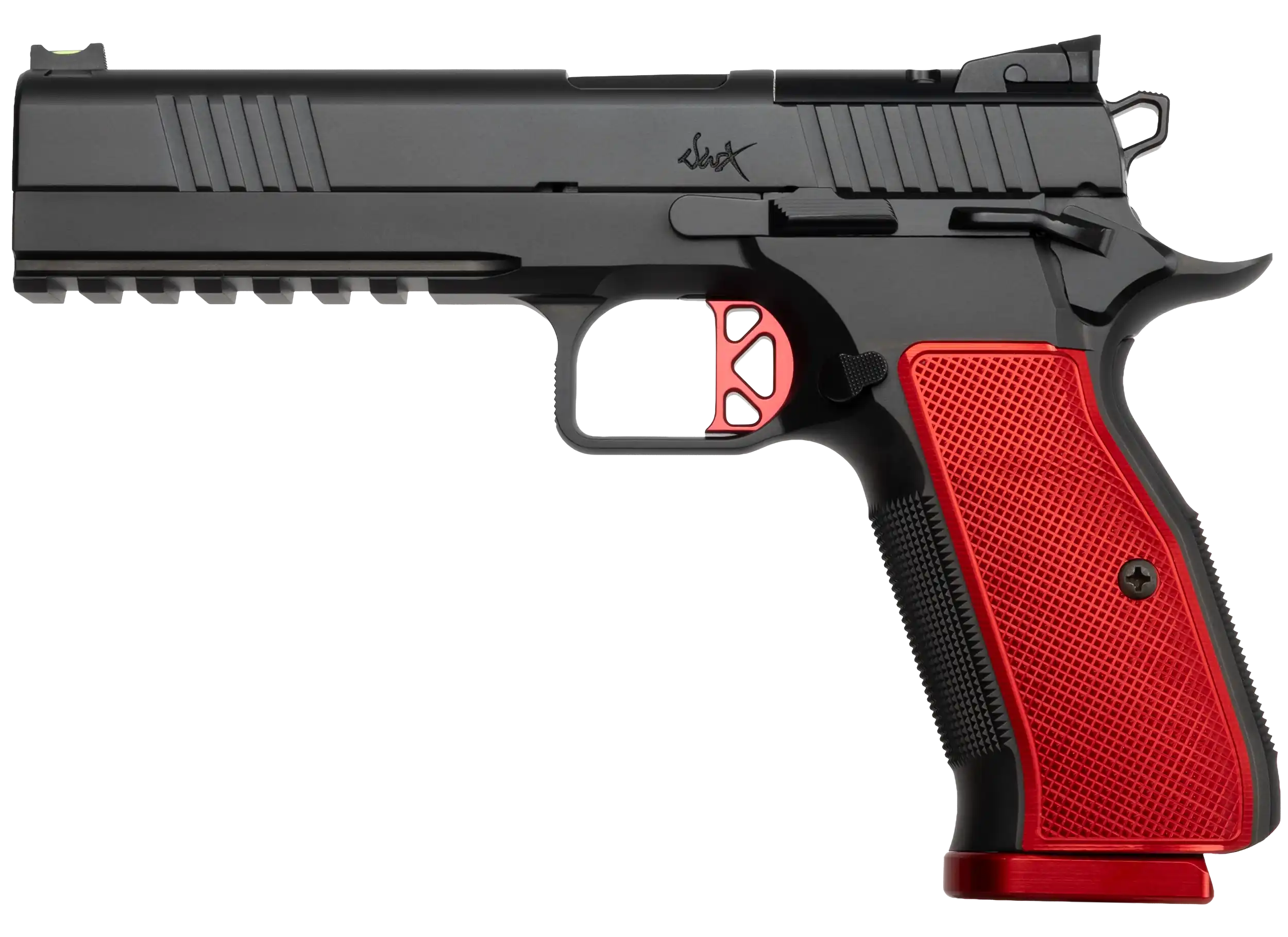
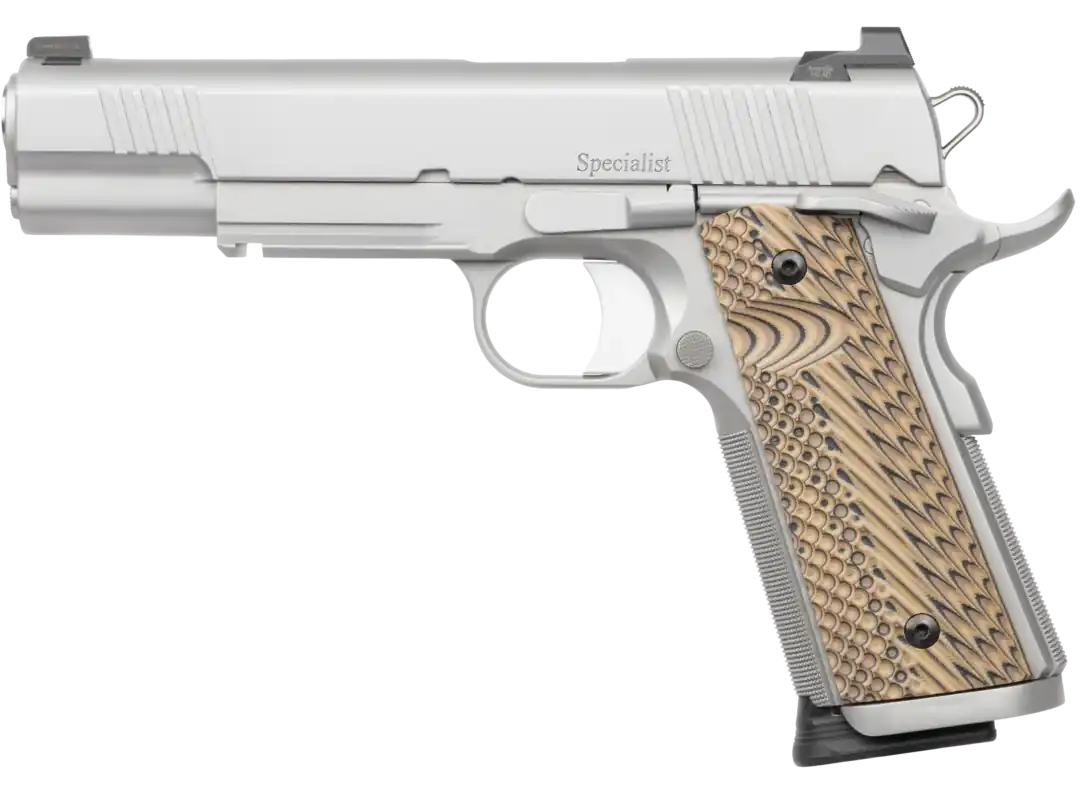
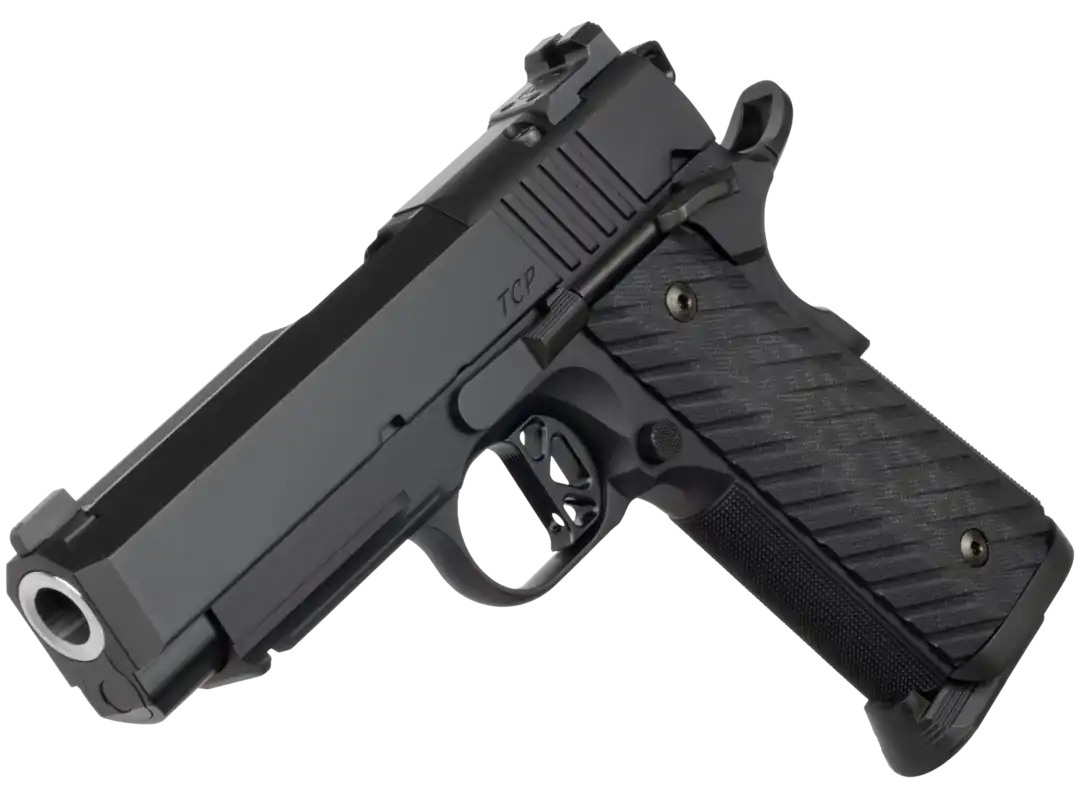
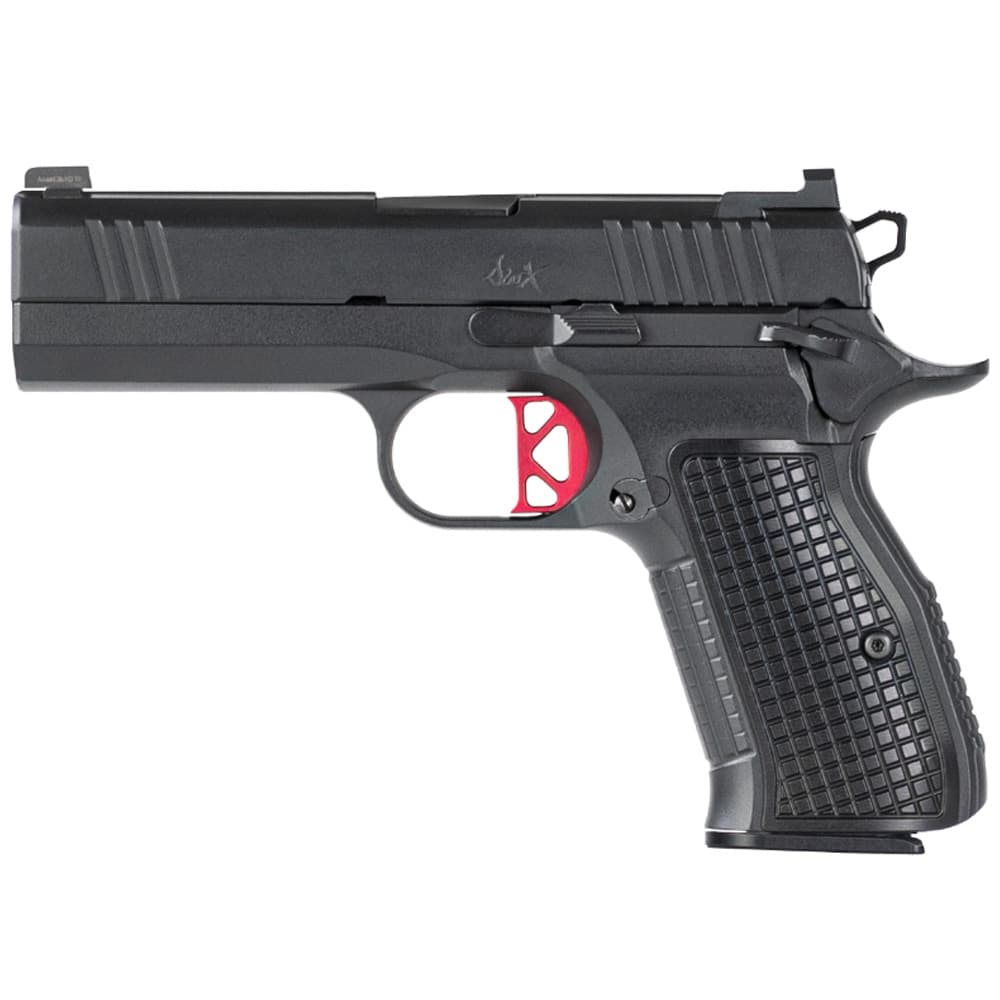
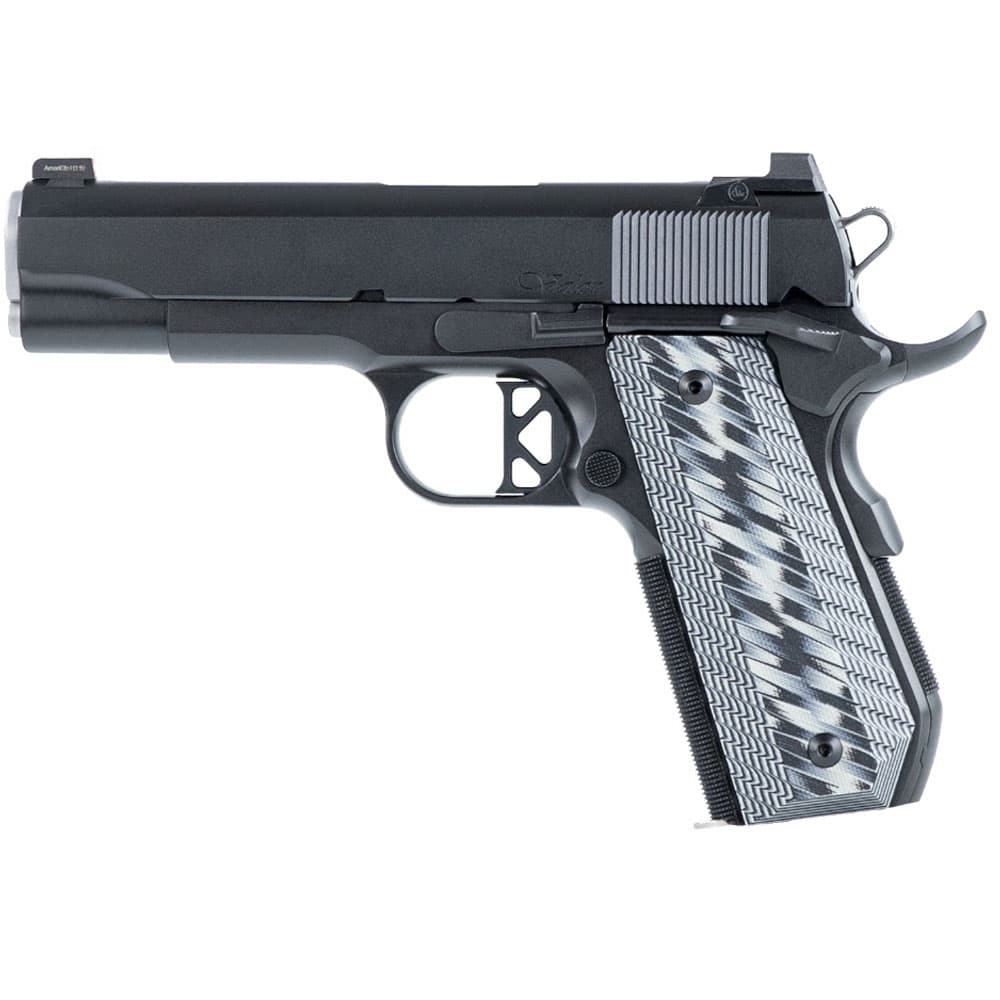
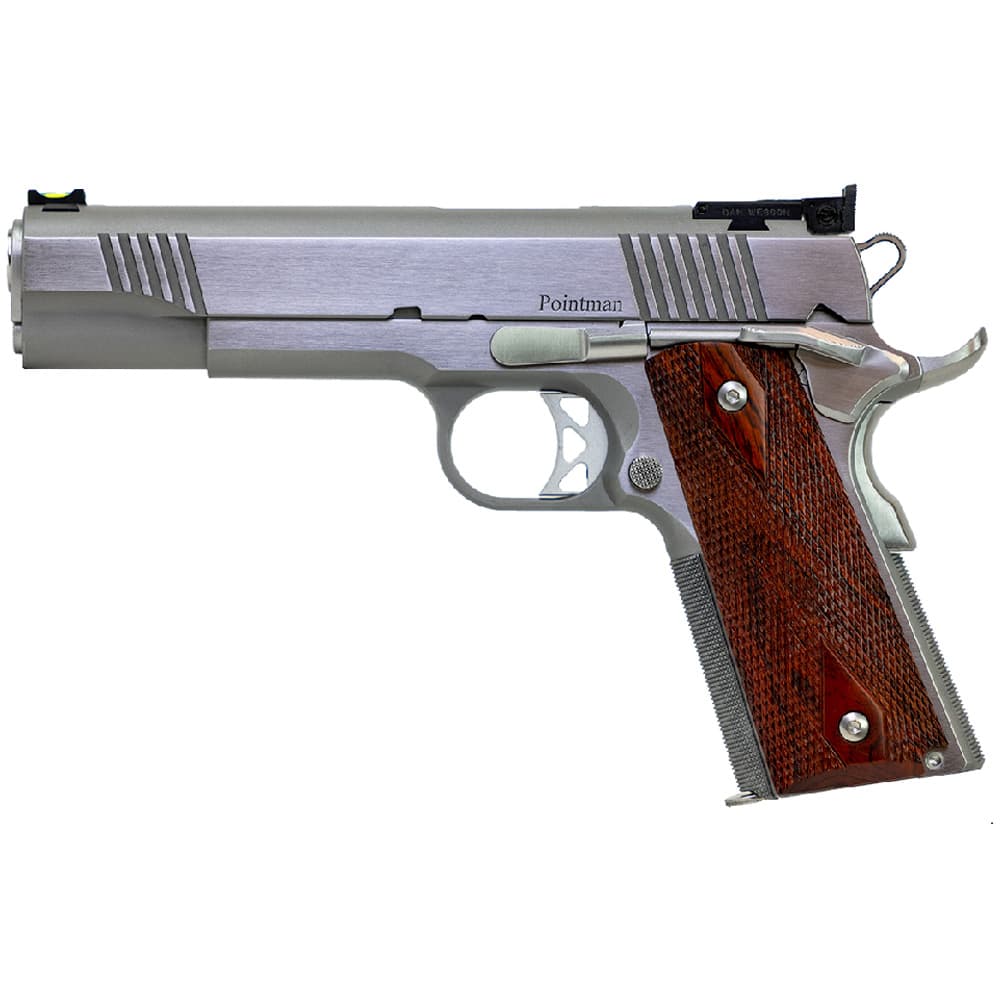
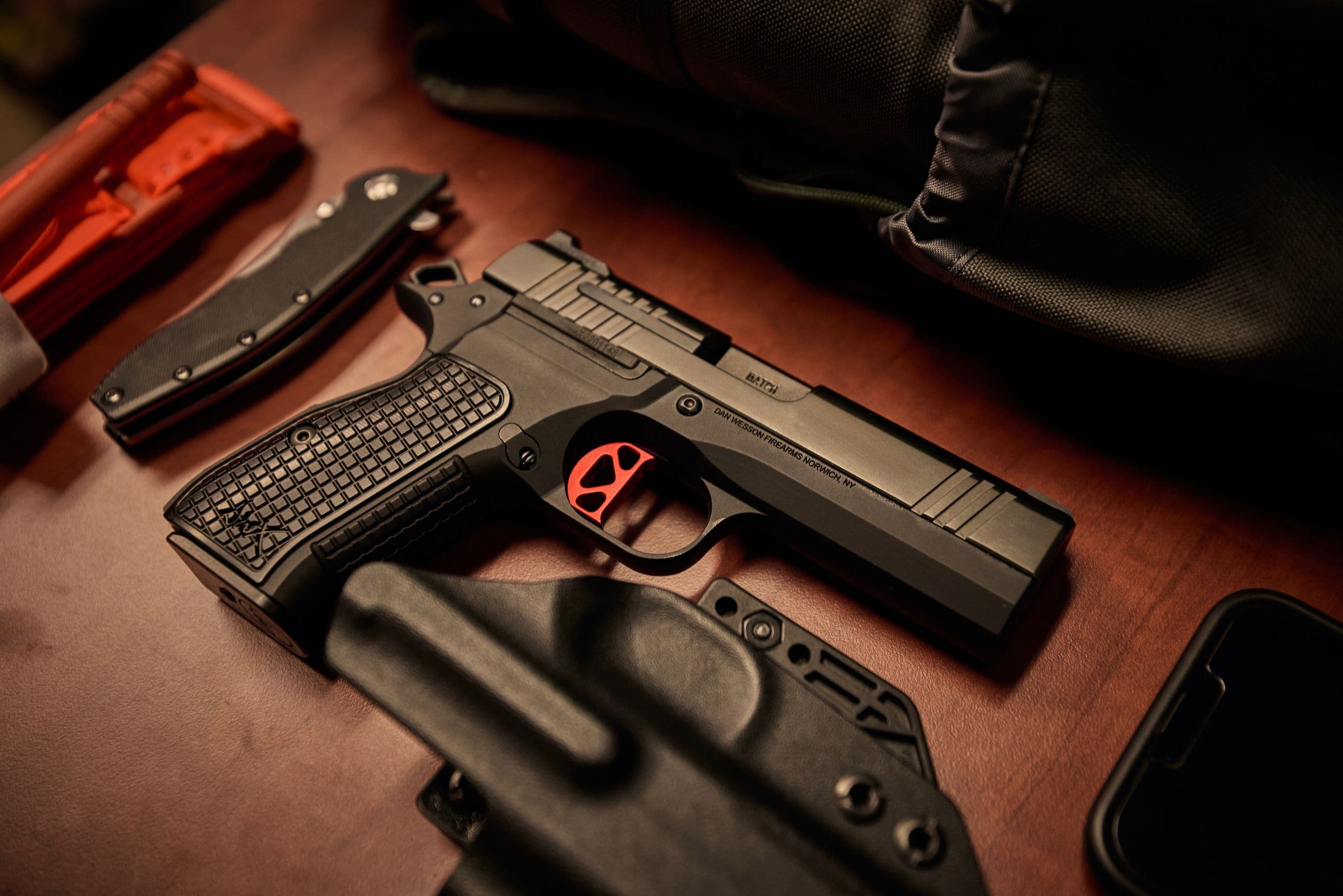
CZ-USA acquired Dan Wesson's patents, trademarks, equipment, completed firearms, and parts in 2005. Production remained in Norwich, New York, and the company became part of what is now Colt CZ Group. Recent catalogs place traditional M1911-pattern lines such as the Valor, Specialist, Pointman, and long-slide 10mm pistols alongside the DWX, a 9mm competition-oriented pistol that combines a 1911-style single-action fire-control group with CZ-derived grip geometry and magazine architecture. For collectors, the dividing lines are unusually legible: Monson, Palmer, and Norwich markings map successive corporate periods, while the catalog shifts from switch-barrel revolvers to closely fitted self-loading pistols.
History & Milestones
Wesson Incorporates His Own Firearms Company
Daniel B. Wesson II incorporated the business in 1968 and began work in Monson, Massachusetts. The company centered its first revolvers on Karl R. Lewis's modular barrel-and-shroud concept.
First Production Revolvers Reach The Market
Production Model 11 and Model 12 revolvers were introduced in August 1970, offering fixed and adjustable sights, respectively.
Model 15-2 Defines The Modular System
The Model 15-2 arrived in 1975 with a wider range of interchangeable barrels and related configurations, including cased Pistol Pac sets.
Model 44 Expands The Frame
Dan Wesson introduced the large-frame Model 44 for .44 Magnum in 1980, extending the interchangeable-barrel system into a larger revolver.
SuperMag Enters Metallic Silhouette Competition
The .357 SuperMag revolver was introduced in 1983 and became strongly associated with IHMSA silhouette shooting.
Wesson Family Reorganises The Business
Following a 1990 bankruptcy, Seth K. and Carol S. Wesson purchased and reorganised the concern as Wesson Firearms Co. in 1991.
Serva Acquires And Moves The Company
Robert W. Serva acquired the company in 1996 and moved its operations from Palmer, Massachusetts, to upstate New York.[7] New-generation Norwich revolvers began shipping in December 1997 after investment in CNC equipment and new tooling.
First M1911 Programme Changes Product Direction
Dan Wesson developed its first M1911-pattern model in 2000, opening the product category that later became the main emphasis of the marque.
CZ-USA Acquires Dan Wesson Assets
CZ-USA acquired Dan Wesson patents, trademarks, equipment and related assets in 2005, retaining production in Norwich.
DWX Moves From Concept To Production
Dan Wesson announced in December 2022 that the DWX had entered production; the competition-oriented 9mm joined the 2023 catalogue.