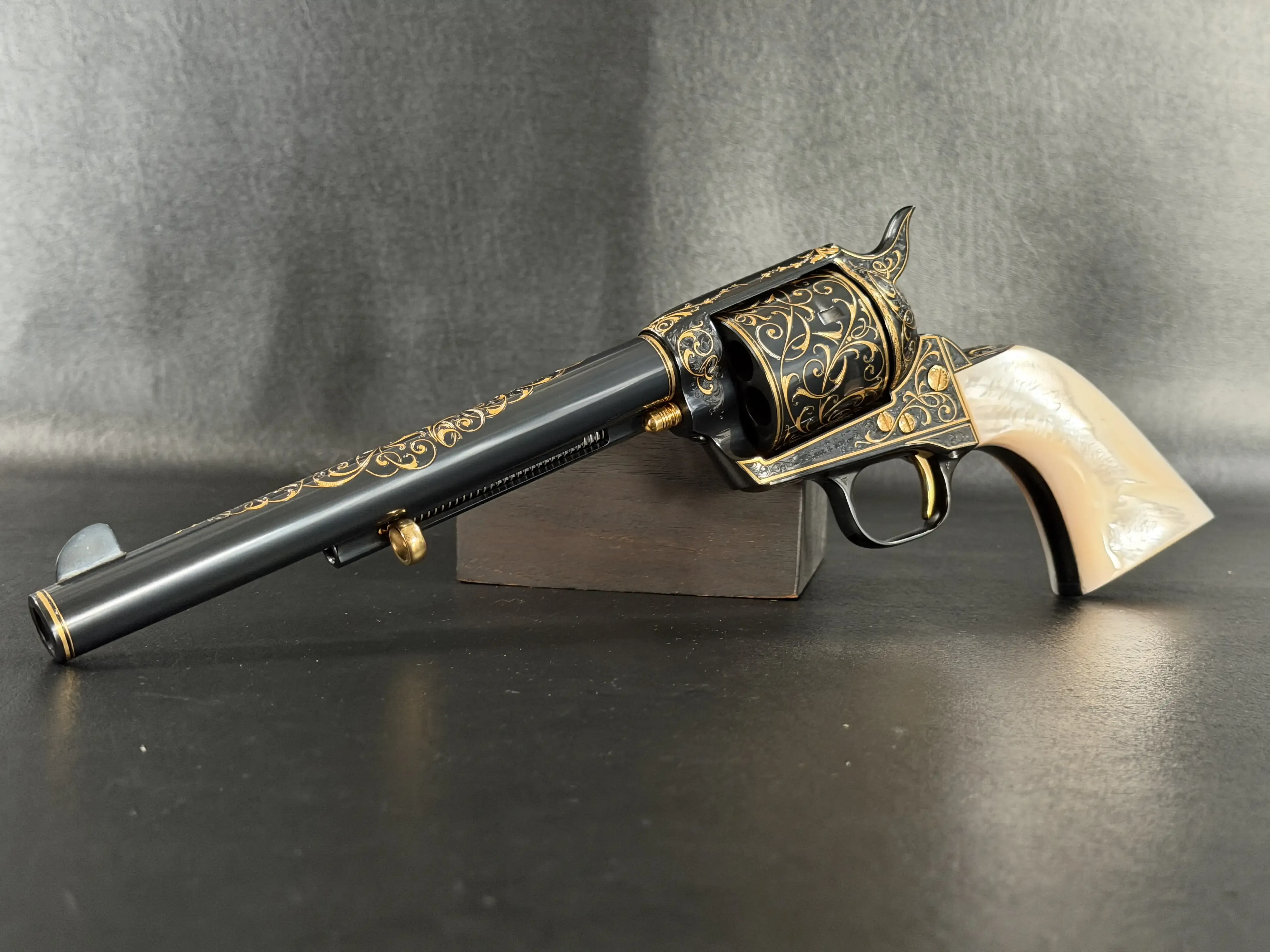

Samuel Colt received his first patent for a revolving firearm mechanism in 1836, the same year he established the Patent Arms Manufacturing Company in Paterson, New Jersey. The Paterson venture failed commercially by 1842. What saved Colt was a single government contract: Captain Samuel Walker of the Texas Rangers approached him in 1847 with specific requirements for a more powerful cavalry revolver, and the resulting Walker Colt, manufactured under contract through Eli Whitney Jr.'s mill, put Colt back in business and established the commercial logic that would define the company for generations: military adoption as the foundation for civilian sales.
The Hartford factory, opened in 1855, became the most productive private armory in the world during the Civil War years. Colt did not live to see the postwar era; he died in 1862. His wife, Elizabeth Colt, managed the company's affairs and shaped its institutional identity in ways that are still underappreciated. The factory complex itself, with its distinctive blue onion dome, became a Hartford landmark and a symbol of American industrial capacity. What the company produced in this period, from the 1851 Navy to the 1860 Army, formed the core of what collectors today recognize as the first generation of serious Colt revolvers.
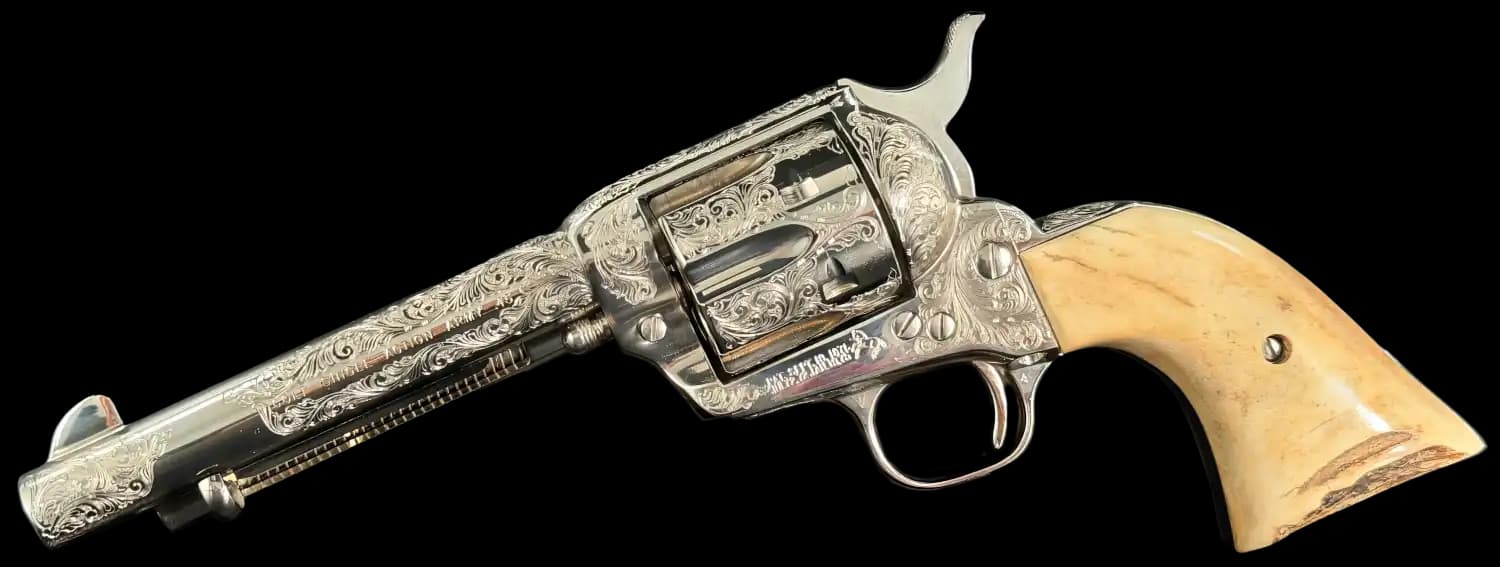
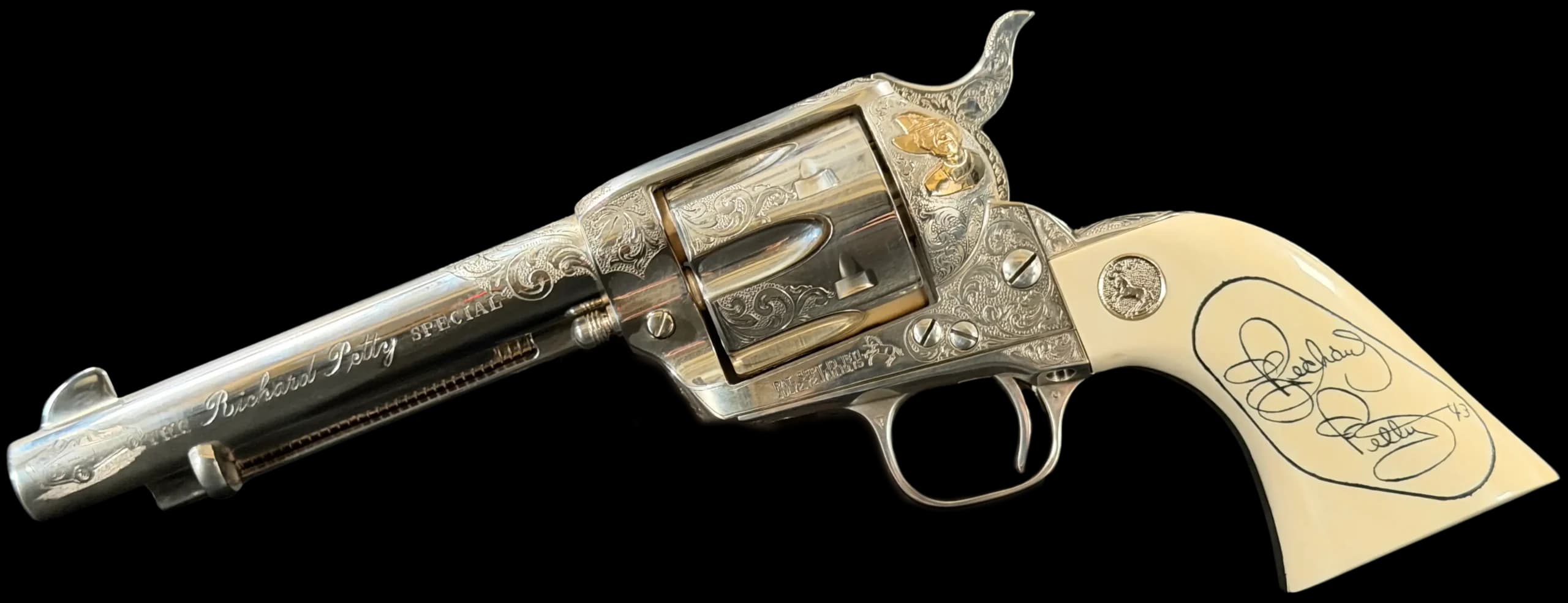
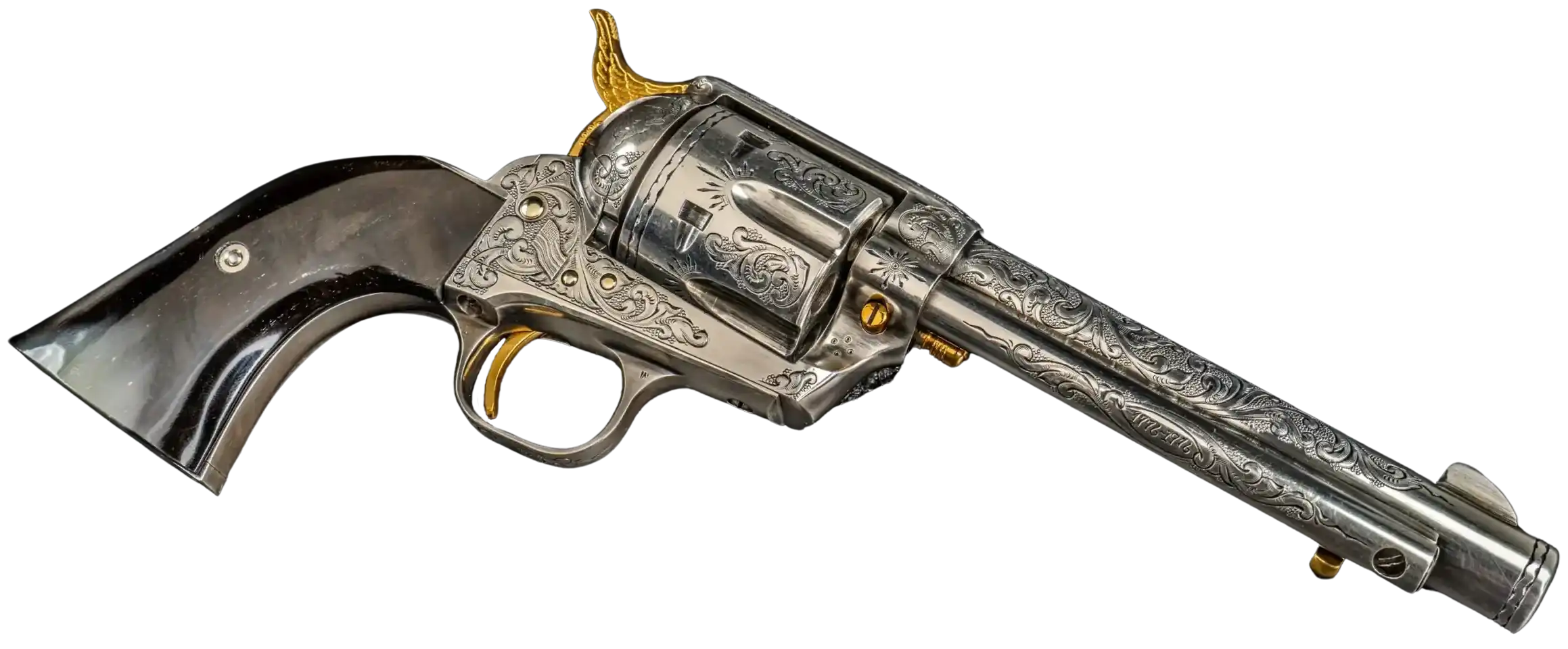
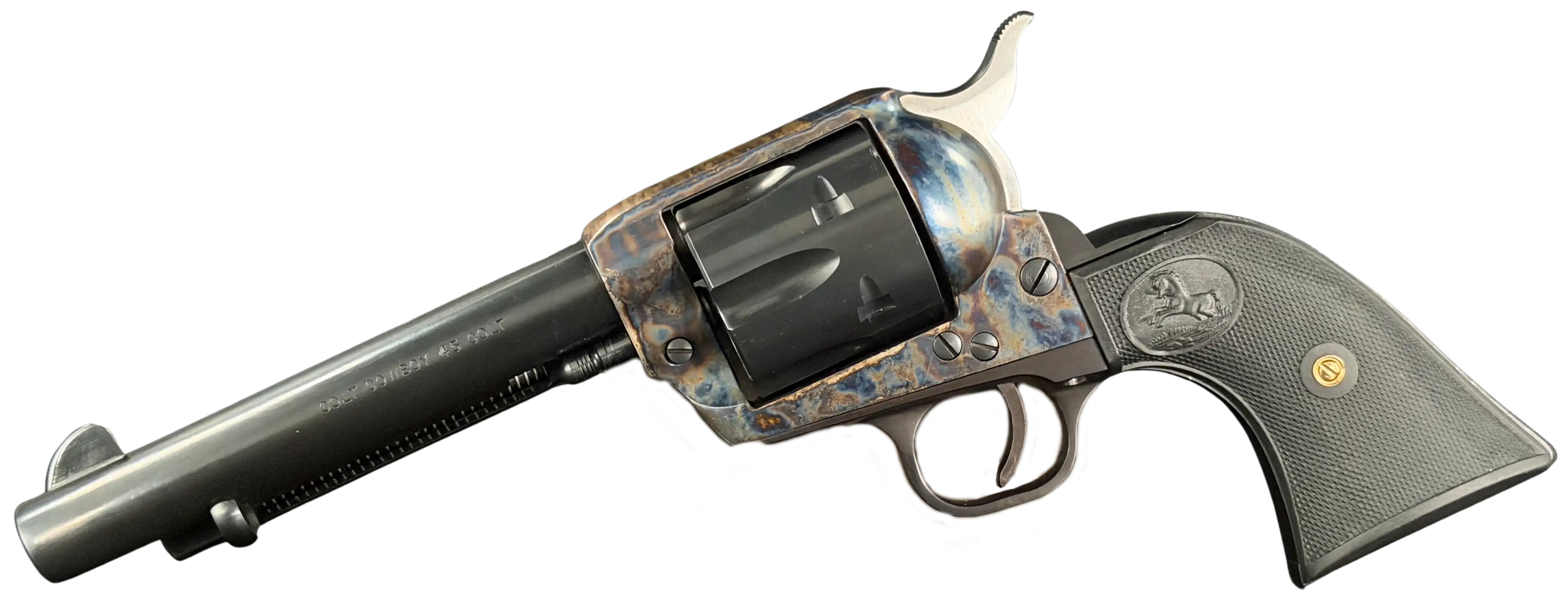
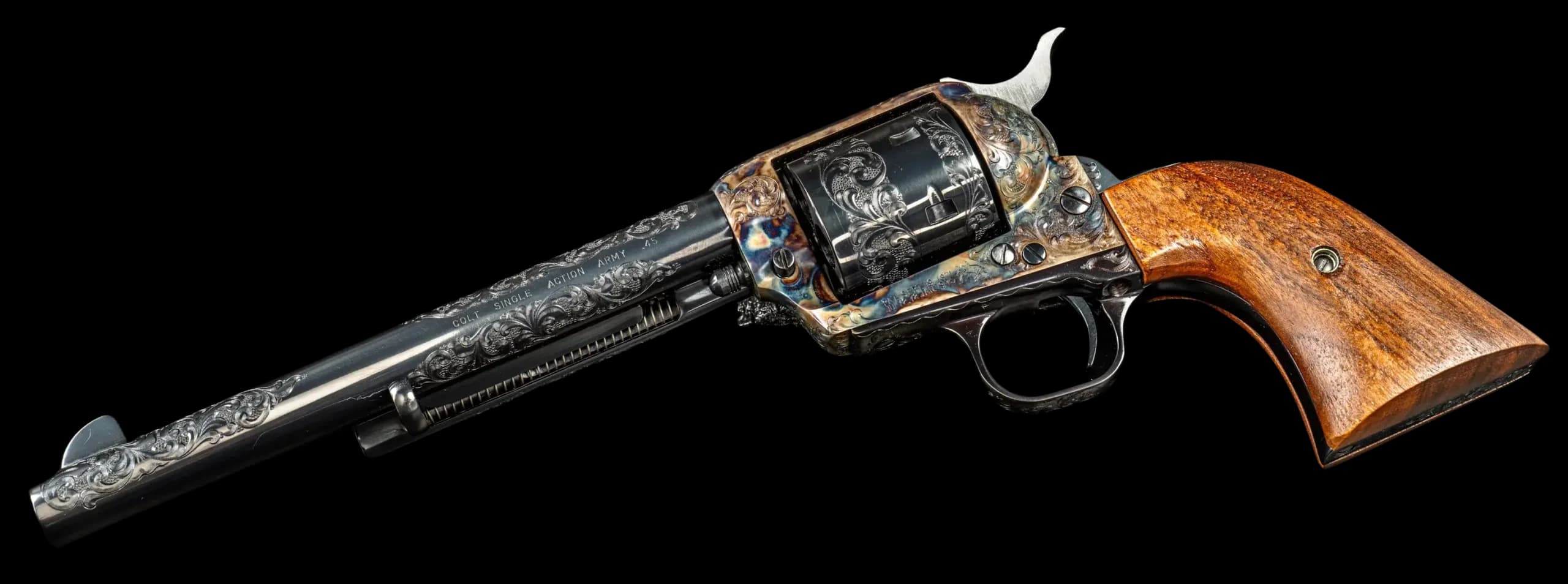
The Single Action Army, introduced in 1873, is the model most people associate with the Colt name. It was the U.S. Army's standard sidearm, chambered originally in .45 Colt, and remained in service through the 1890s. Civilian production ran alongside military orders in a range of calibers and barrel lengths, and the variations, Cavalry, Artillery, Civilian models, the shorter-barreled Sheriff's and Storekeeper variants, give collectors a structured field to work within. The SAA remained in production, with gaps, through three distinct generations; the production breaks and caliber offerings across those generations are well-documented and significantly affect valuation.
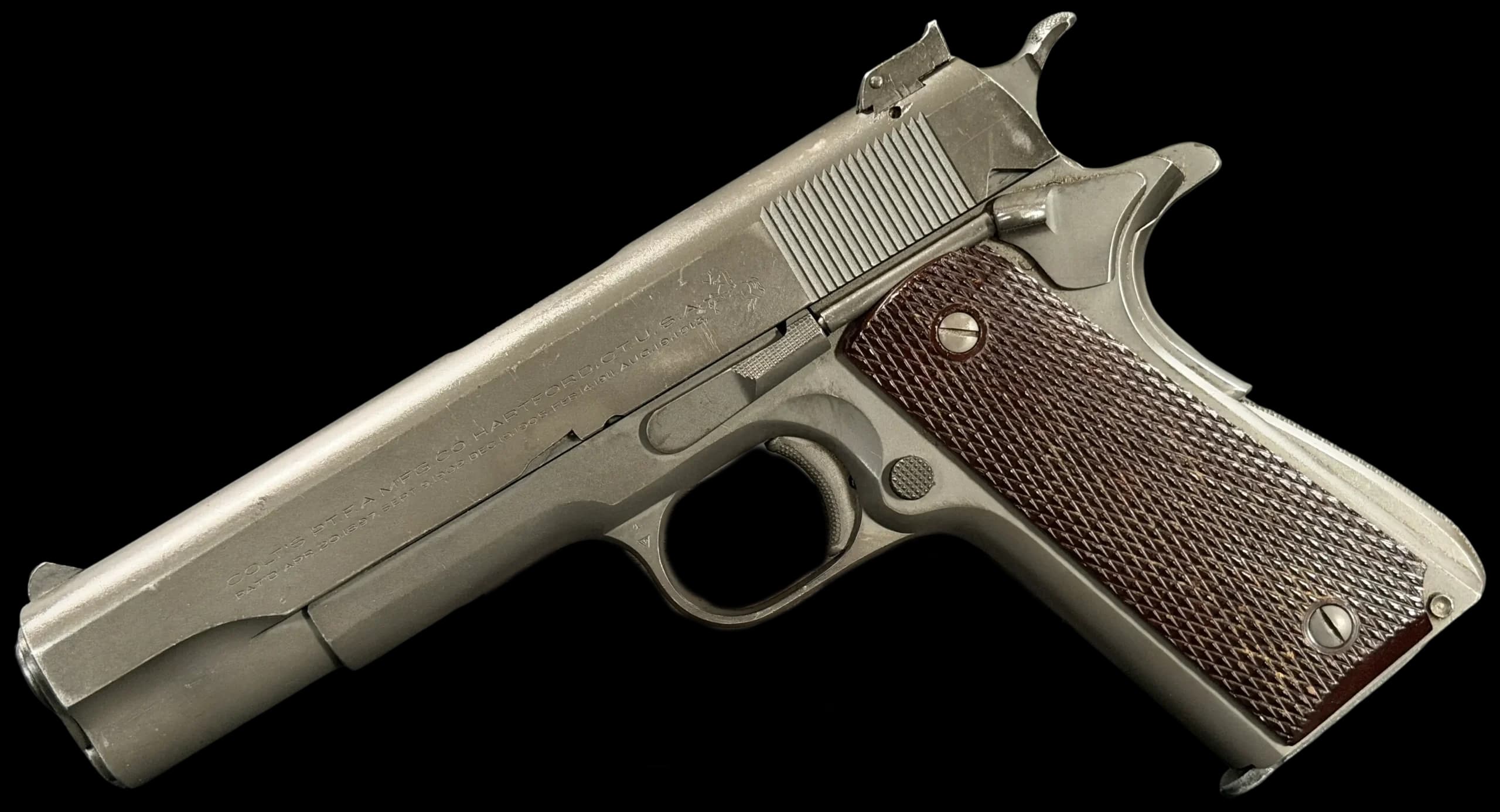
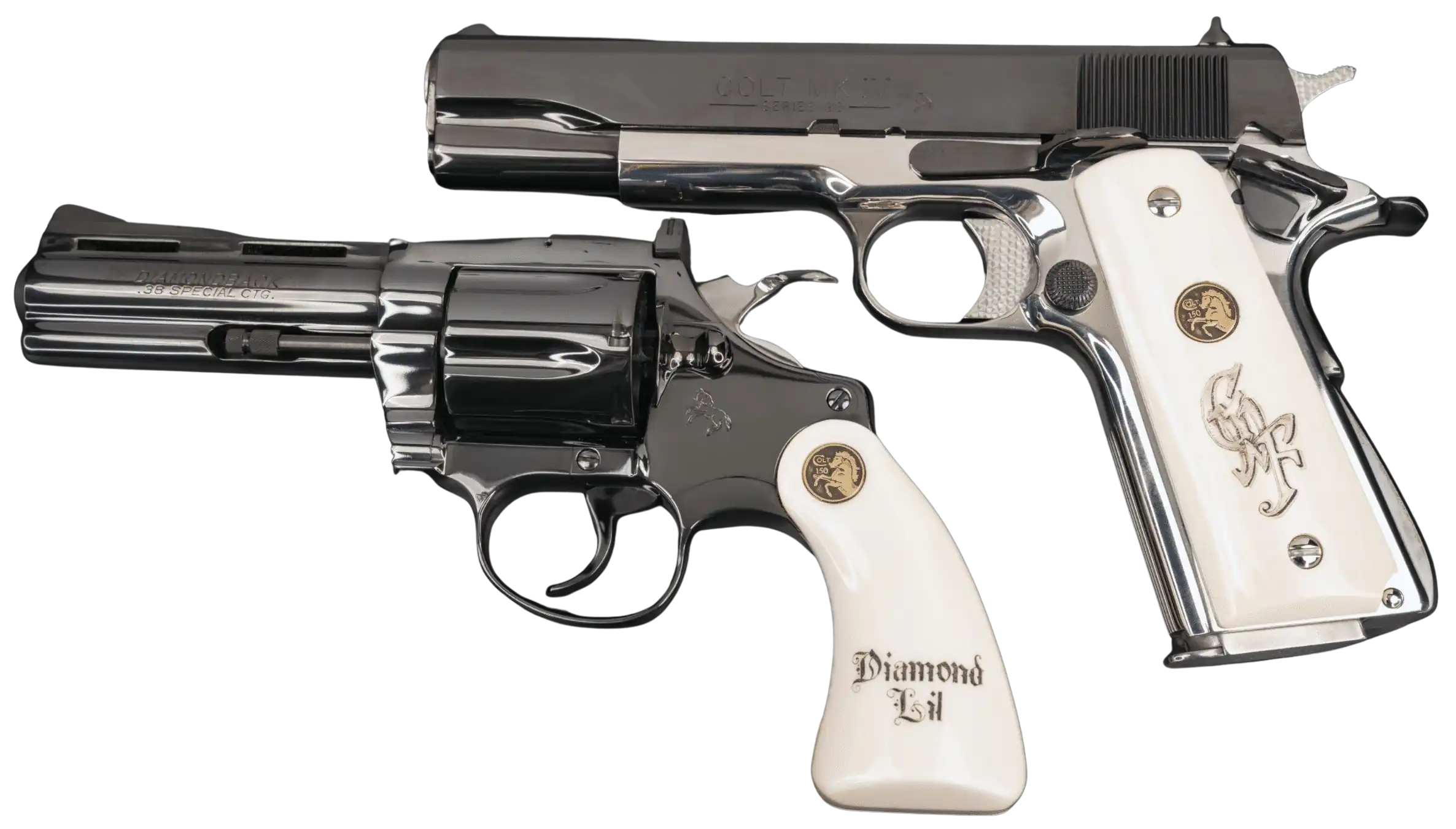
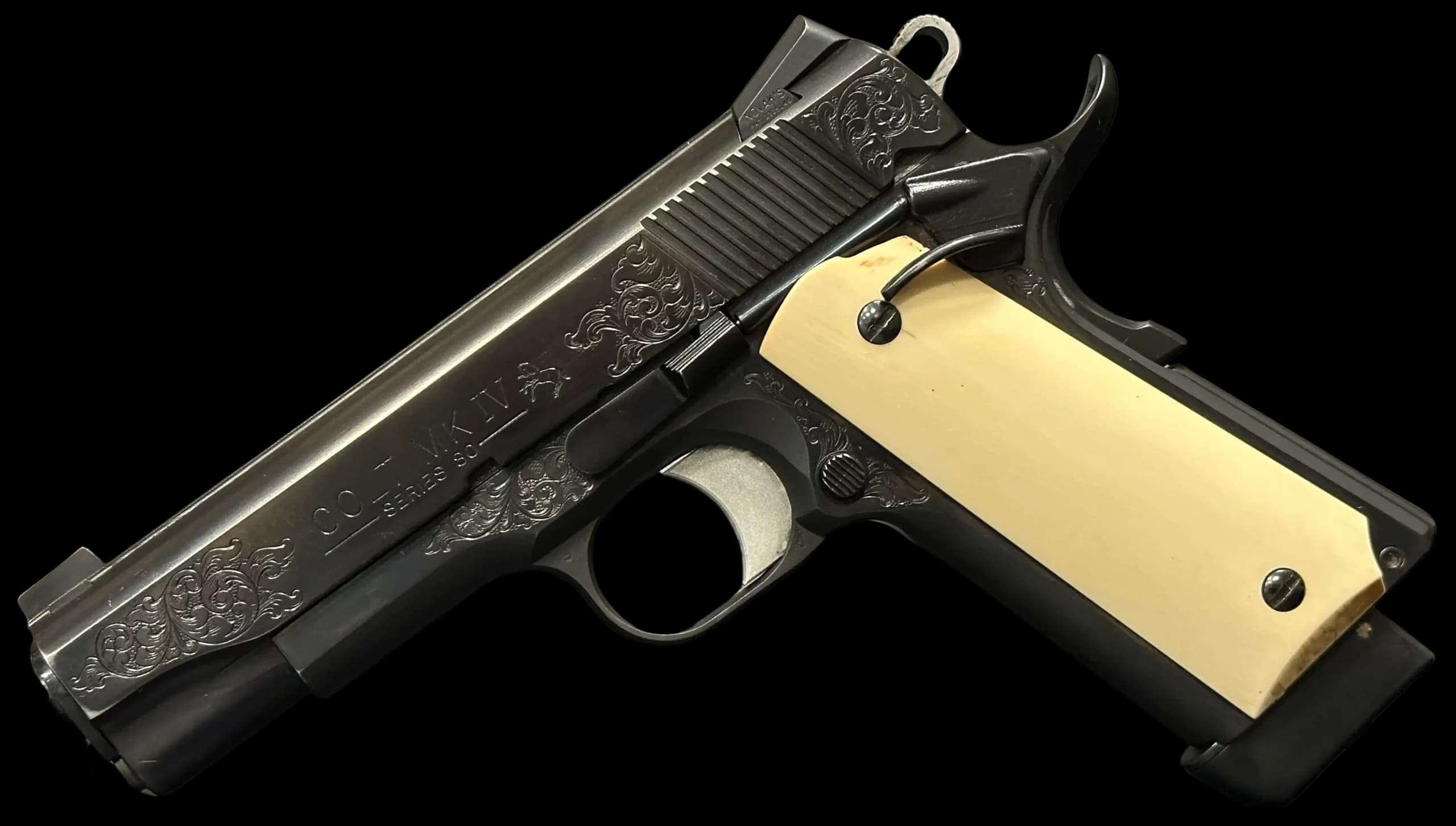
The 1911 is the other fixed point in Colt's history. John Browning's design, adopted by the U.S. military after the 1906–1910 trials, was manufactured by Colt, the primary contractor, through two world wars. The wartime variations, the transition from 1911 to 1911A1 in 1924, the different inspector cartouches, and the shift in grip materials and finish during wartime production are among the most studied areas in American firearms collecting. Post-war commercial production continued under the Government Model designation. The platform has since been manufactured by dozens of other makers, which makes original Colt production specimens, particularly documented military examples, a distinct category.
Colt's relationship with the AR-15 platform is more complicated. The company acquired the design from ArmaLite in 1959 and secured the military contract that resulted in the M16, which became the U.S. military's standard rifle. That contract defined Colt's revenue base for decades. The civilian AR-15 market today traces back to Colt's original commercial offerings, though the company's patents have expired and the platform is now effectively generic. Colt stopped producing civilian AR-15s for a period beginning in 2019, citing market saturation, and later resumed production. The decision attracted more commentary than it perhaps warranted.
The company filed for bankruptcy in 1992 and underwent a series of ownership changes over the following decades that affected production quality and product focus in ways collectors debate. CZ Group acquired Colt in 2021. Since then, the company has reintroduced the Python revolver (relaunched in 2020, before the acquisition) and maintained production of the 1911 and SAA. The Python reissue has been received with qualified interest, mechanically, it is a competent revolver, but it is not the same tooling or workforce that built the pre-1999 originals, and the collector market treats them as distinct categories. The current Colt is a functioning manufacturer with legitimate historical claims, operating under new ownership, producing updated versions of classic designs. That context belongs in any honest collector's assessment.
History & Milestones
Patent Arms Company established in Paterson
Samuel Colt founded his first manufacturing venture in Paterson, New Jersey, after receiving U.S. and British patents for his revolving firearm mechanism. The Paterson-era revolvers are among the rarest Colt production pieces.
Walker contract restores Colt to production
Captain Samuel Walker's cavalry revolver requirement, fulfilled through Eli Whitney Jr.'s mill, produced approximately 1,000 Walker Colts and re-established Colt as a viable manufacturer. The Walker is one of the most sought-after percussion revolvers in the American market.
Hartford factory opens at full scale
Colt's new Hartford facility, among the most mechanically advanced private armories in the world at the time, positioned the company to supply both sides of the coming Civil War's demand. The factory's interchangeable-parts production methods influenced American manufacturing broadly.
Single Action Army adopted by U.S. Army
The SAA became the standard U.S. Army sidearm, chambered in .45 Colt, launching what would become Colt's most enduring and widely collected revolver line. First-generation production through 1940 encompasses the most historically significant examples.
Military trials result in 1911 adoption
After extensive competitive trials, John Browning's design was adopted as the M1911, with Colt as the primary contractor. The military's use of this pistol through two world wars produced the most documented and studied examples in American handgun collecting.
Python introduced as Colt's premium revolver
The Python debuted as the top of Colt's double-action revolver line, distinguished by its hand-fitted action and distinctive profile. Original production through 1999 now constitutes its own collector category, separate from the 2020 reissue.
Colt acquires AR-15 design from ArmaLite
Colt purchased the AR-15 design and manufacturing rights from ArmaLite, subsequently developing it into the M16 for military adoption and the SP1 for civilian sale. The military contract defined Colt's financial position for decades.
Bankruptcy filing; ownership restructuring begins
Colt filed for Chapter 11 bankruptcy, initiating a period of ownership transitions that affected production resources and quality control. Collectors mark this period as a meaningful dividing line within post-war production.
Python reintroduced in stainless configuration
Colt relaunched the Python in a redesigned stainless steel version after 21 years out of production. The market received it as a capable revolver while maintaining a clear distinction between these examples and pre-1999 originals.