
As shown above, the roofs of the new arms factory built in 1936 at Uherský Brod were laid out to resemble a village. That was deliberate. The Czechoslovak state was moving strategic arms production away from the western border, where the existing plant in Strakonice sat too close to a rearming Nazi Germany, and it wanted the new site to be hard to identify from the air. Construction ran through the second half of 1936, and by 1937, the factory was in production, mostly aircraft-mounted machine guns for the Czechoslovak air force. It was one of the more advanced arms plants in Europe at the time, built as a branch of the Strakonice-based Jihočeská zbrojovka rather than as an independent company. There was no single founder in the entrepreneurial sense; Česká zbrojovka Uherský Brod was a state undertaking from the start.
German occupation from 1939 redirected the plant toward Luftwaffe machine guns. After the war and the 1948 communist coup, the factory was folded into a series of centrally planned industrial combines, changing names more than once. In 1950, the Uherský Brod works split off from Strakonice and became independent, and it was here, under state ownership and Warsaw Pact constraints, that the company's engineering culture took shape.
Brothers Josef and František Koucký, who had designed rifles and target pistols for the factory since the postwar years, became the defining figures of that era. Their work included the vz. 58, adopted by the Czechoslovak army in 1958. It resembled the Soviet AK-47 in outline and fired the same 7.62×39mm round, but its gas system, locking mechanism, and construction were entirely its own. Czechoslovakia was the only Warsaw Pact country not to issue its troops a Kalashnikov variant. Close to 920,000 vz. 58s were built before production ended in 1984.
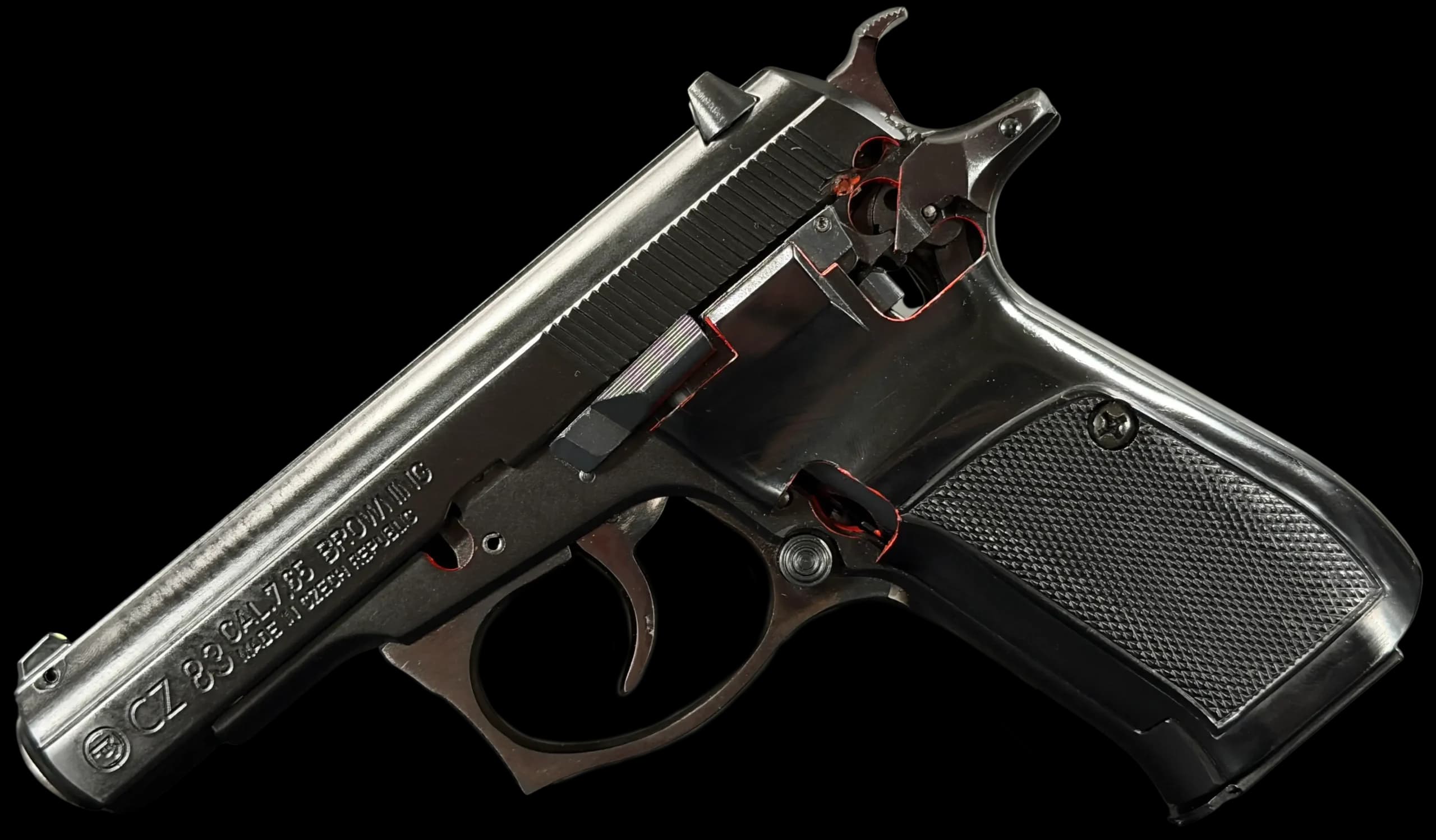
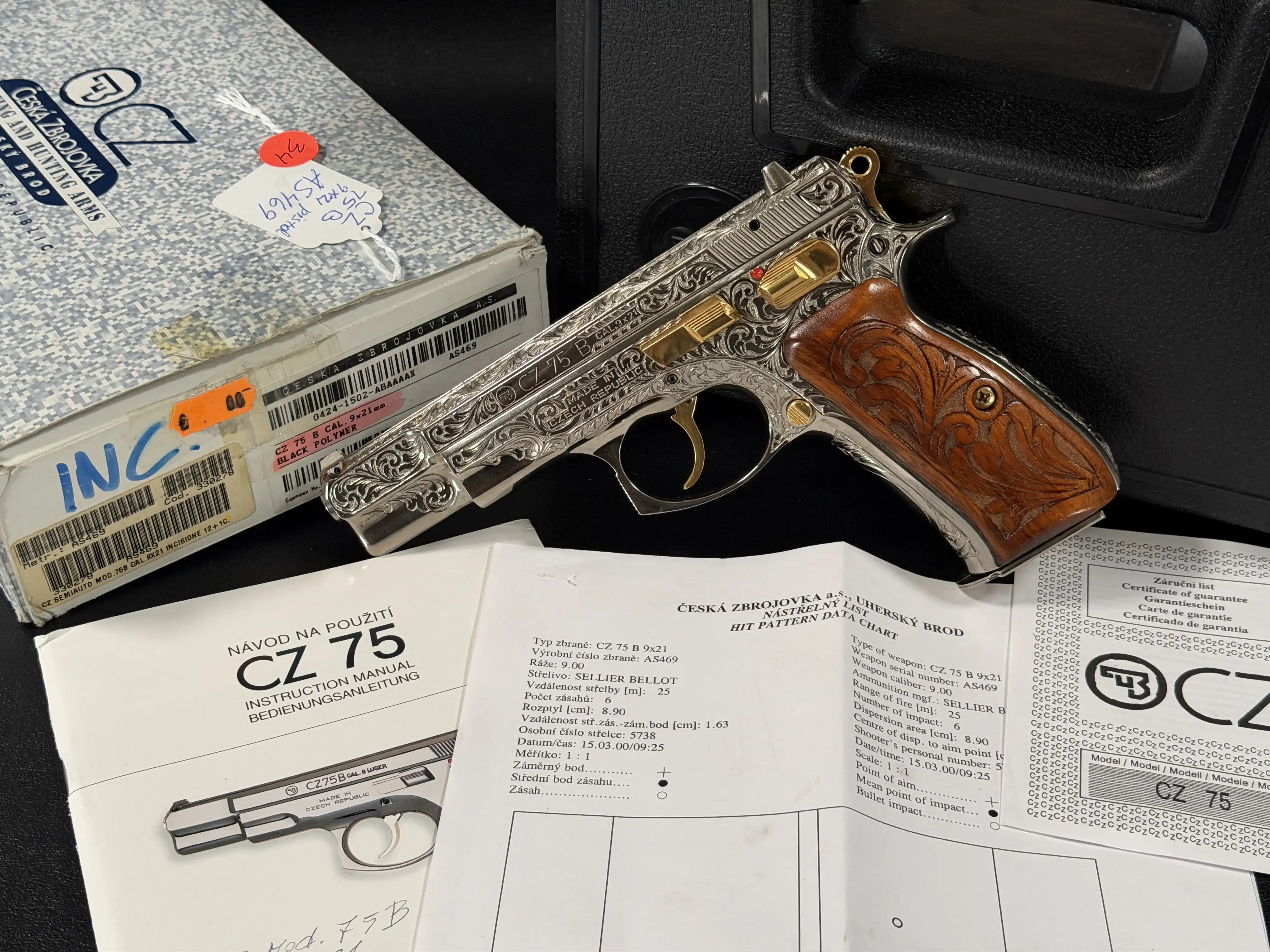
The company's best-known design followed in 1975. František Koucký, newly retired, was asked to design a 9mm pistol for export markets with no other constraints attached. The result was the CZ 75: a steel-framed, double-action/single-action pistol with the slide riding inside the frame rails, a Browning-derived locking system, and a magazine capacity that put it among the first generation of high-capacity 9mm "Wonder Nines." Export restrictions on Communist-bloc goods kept it largely out of Western hands for years, and Koucký's own domestic patents on the design were classified as secret, which meant it could not be registered at home or abroad; several Western manufacturers built close copies in the meantime.
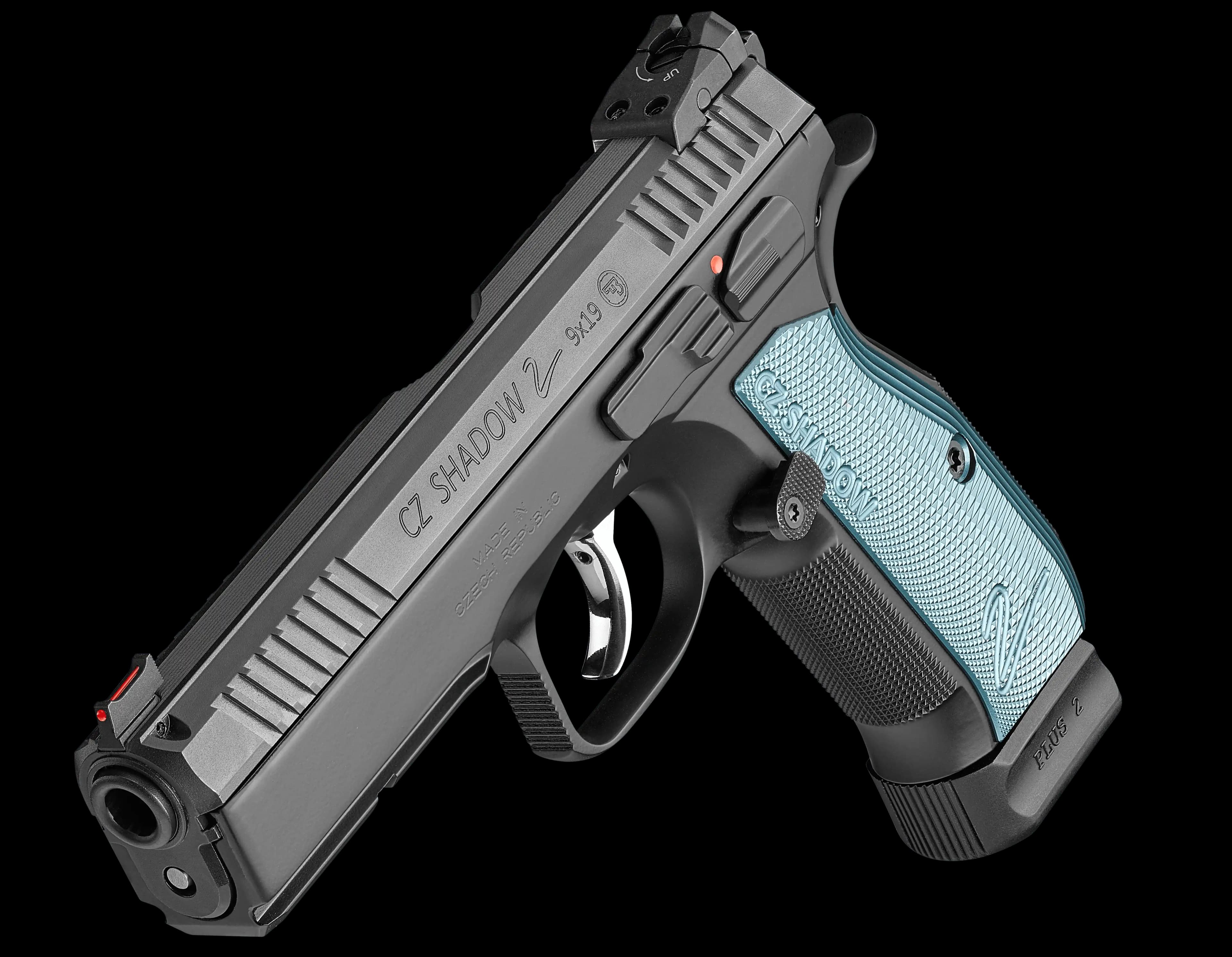
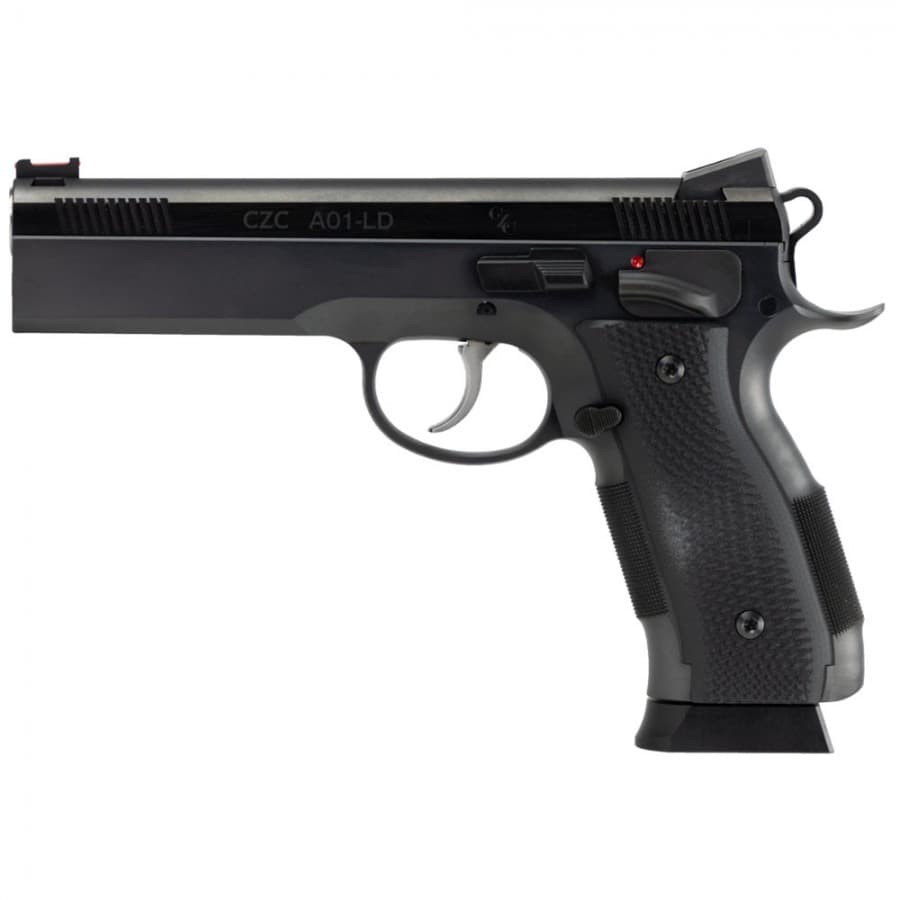
The CZ 75 was not sold on the Czechoslovak domestic market until 1985 and was not adopted by the country's own military until 1989, after the Velvet Revolution. It is widely described today as the most common handgun in the Czech Republic, and its slide-in-frame layout and trigger system have carried through a large share of CZ's later pistol lines, from the SP-01 through the Shadow 2.
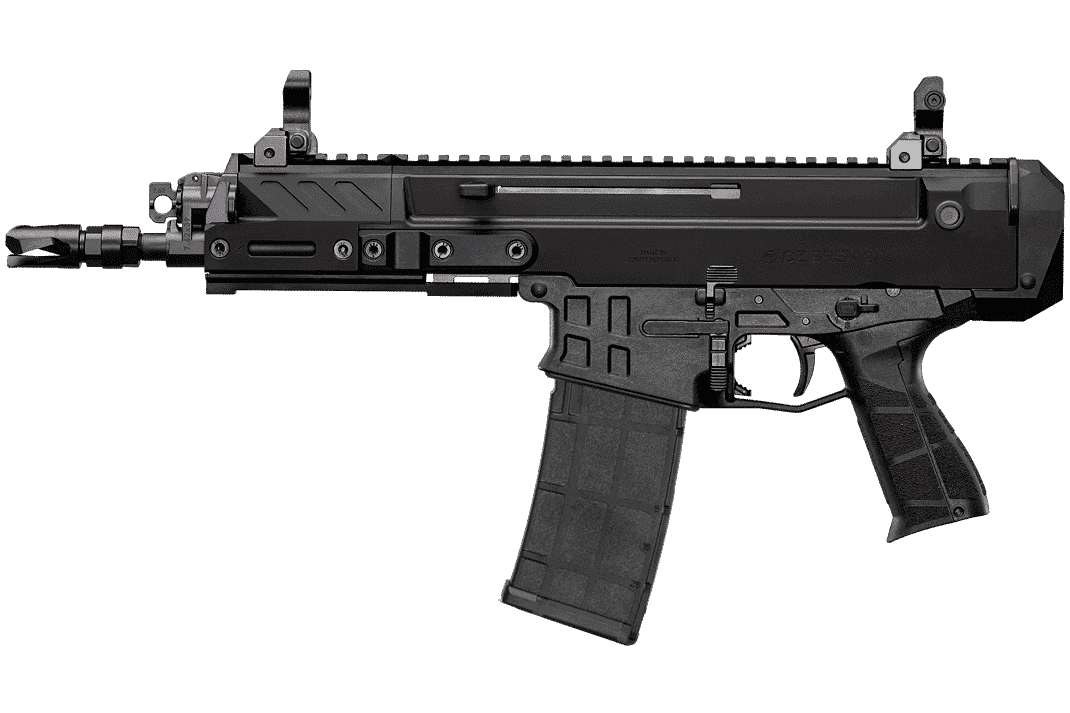
Privatization came in 1992, when the state enterprise became the joint-stock Česká zbrojovka a.s., and the company built an American subsidiary, CZ-USA, in Kansas City in the years that followed. Its later designs kept the same pattern of adapting rather than imitating. The Scorpion EVO 3, unveiled in 2009, took its name from the 1961 vz. 61 Škorpion machine pistol was an unrelated, ground-up design built around a Slovak prototype.
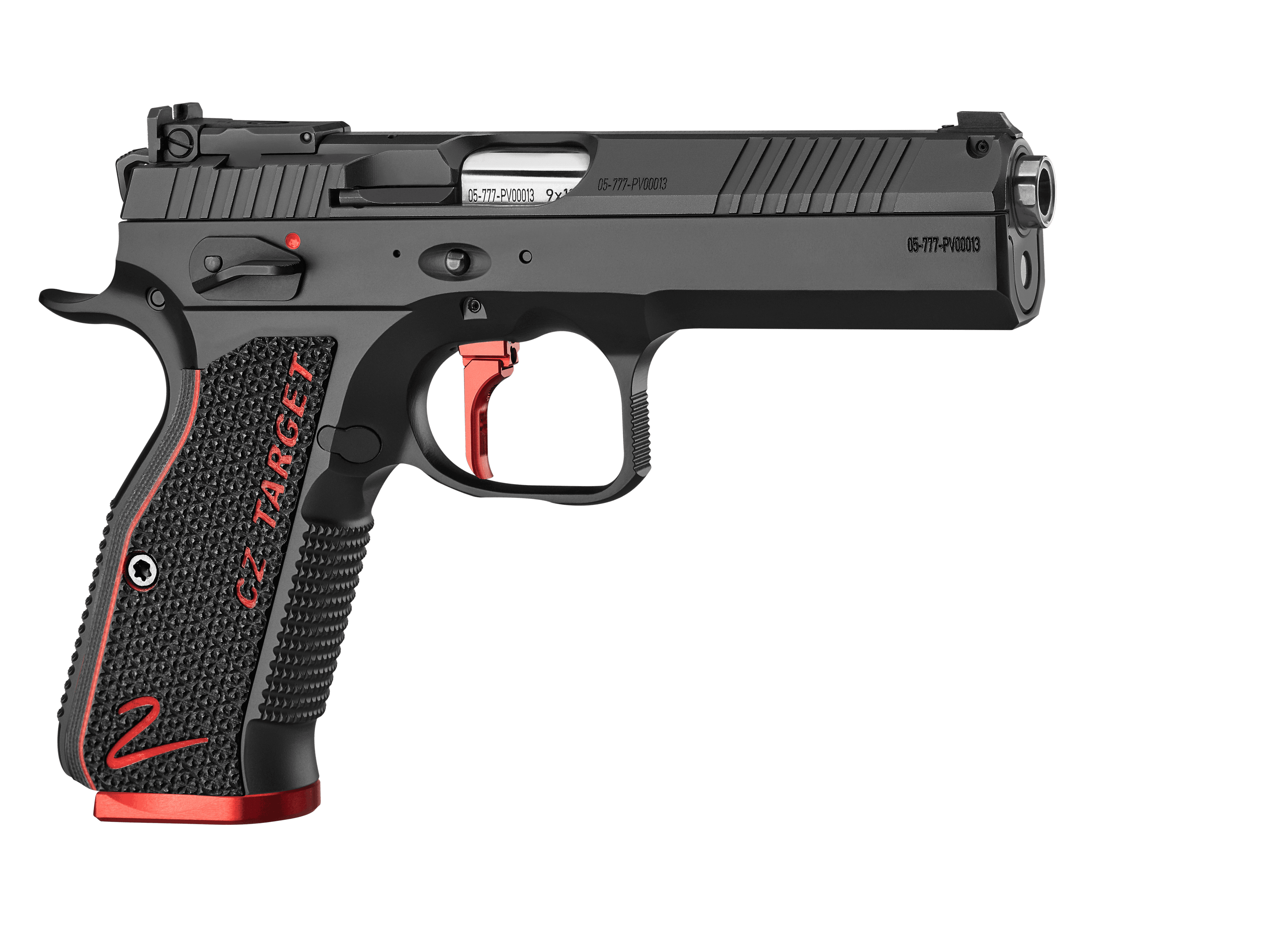
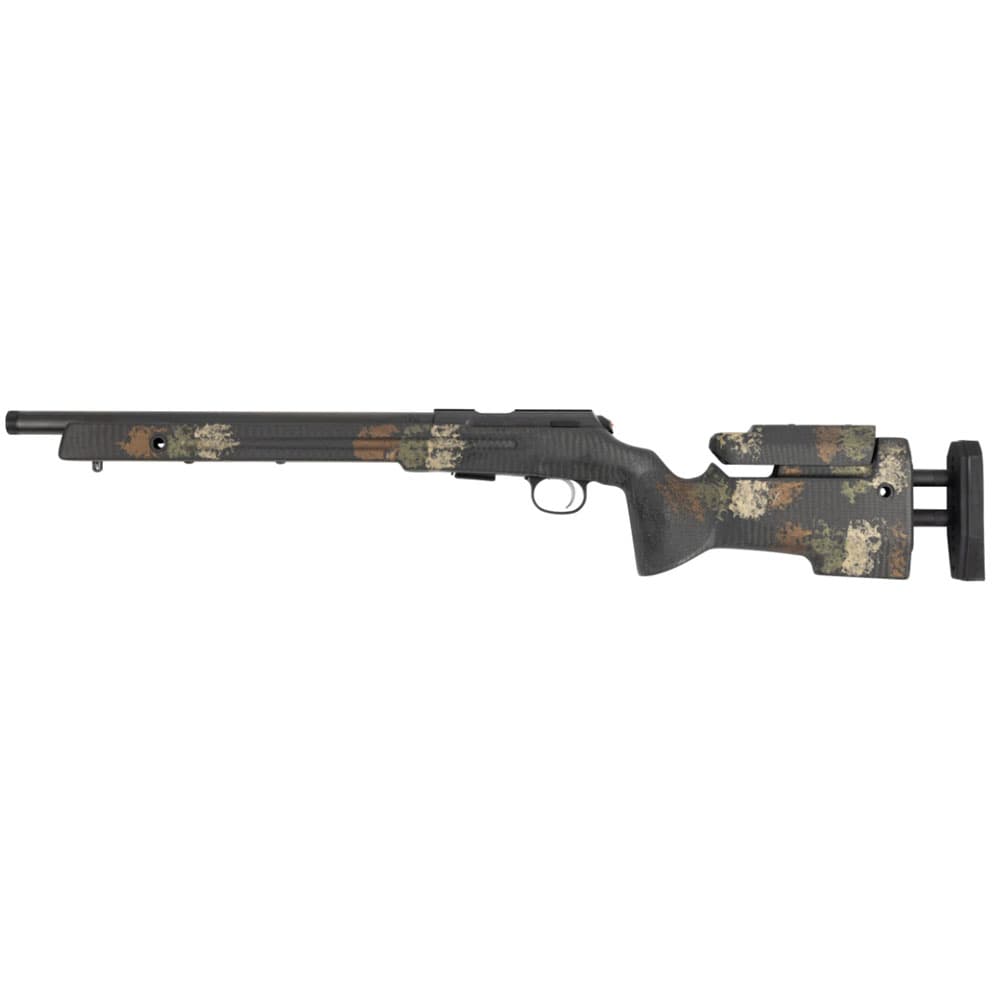
The CZ P-10, introduced in 2017, was the company's first striker-fired pistol and its answer to the polymer-framed duty guns that had displaced steel-framed pistols across much of the police and military market. The Shadow 2, developed with CZ's own IPSC competition team and released in 2016, refined the CZ 75 platform specifically for Production division shooting. In 2021, the company retired its long-running Mauser-pattern 550 and 557 bolt actions in favor of an entirely new centerfire rifle platform, the CZ 600, built around a modular, interchangeable-barrel design.
Corporate structure changed further in 2013, when the parent holding company, CZG - Česká zbrojovka Group SE, was formed, and again in 2021, when the group acquired Colt's Manufacturing Company and its Canadian subsidiary for $220 million in cash and stock, bringing one of the oldest names in American firearms into a Czech-owned group. The holding company renamed itself Colt CZ Group SE the following year.
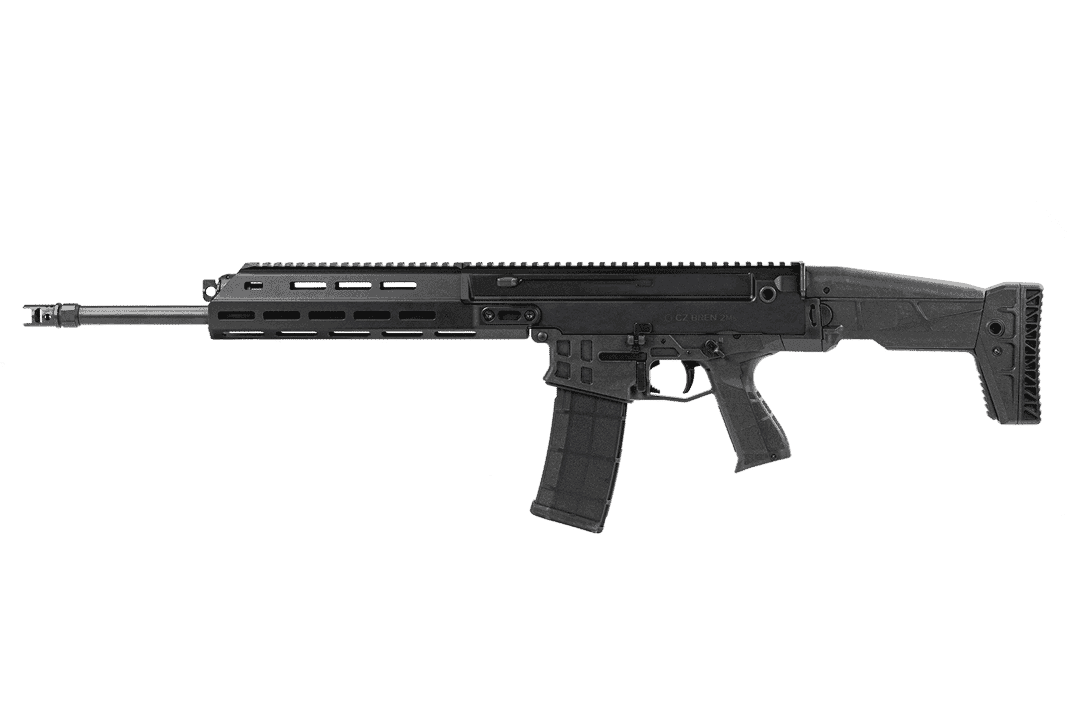
Today, CZ's Uherský Brod plant employs around 1,800 people and exports to more than 100 countries, producing service pistols, hunting and target rifles, shotguns, and submachine guns for military, police, and civilian buyers. For a collector, the range worth tracking runs from Cold War-era vz. 58 and Škorpion examples through the CZ 75 family in its many national-contract variants, to the competition and duty pistols still descended from Koucký's 1975 design.
History & Milestones
Uherský Brod arms works established
The Czechoslovak state builds a new factory at Uherský Brod to move strategic arms production away from the German border, disguising the site as village housing from the air.
Communist coup nationalizes the industry
Following the February 1948 coup, the arms industry is fully nationalized and reorganized under a series of state combines, cutting the company off from Western export markets.
Vz. 58 adopted as Czechoslovakia's rifle
The Czechoslovak army adopts the vz. 58, a domestically designed assault rifle that resembles but does not copy the Soviet AK-47, making Czechoslovakia the only Warsaw Pact country not to field a Kalashnikov variant.
CZ 75 pistol designed by František Koucký
Recently retired designer František Koucký is commissioned to create a new 9mm export pistol with full design freedom, producing the double-action/single-action CZ 75.
CZ 75 finally adopted by Czechoslovak military
After the Velvet Revolution, the Czechoslovak armed forces formally adopted the CZ 75, 14 years after its design and 4 years after it entered the domestic civilian market.
Company privatized as Česká zbrojovka a.s.
The state enterprise is restructured into a joint-stock company following the post-1991 decentralization of Czechoslovak arms manufacturing.
CZ-USA established in Kansas City
CZ opens a dedicated American subsidiary to import and market its firearms directly in the United States; the exact founding year should be confirmed before publishing.
Z Scorpion EVO 3 submachine gun unveiled
CZ presents the Scorpion EVO 3 A1, a polymer-framed submachine gun built from a Slovak prototype, reviving the Škorpion name for a mechanically unrelated modern design.
Z P-10 launches striker-fired pistol line
CZ introduces the P-10 C, its first striker-fired, polymer-framed pistol, aimed squarely at the duty and concealed-carry market long dominated by Glock.
Colt CZ Group acquires Colt's Manufacturing
CZ's parent holding company completes a $220 million cash-and-stock acquisition of Colt's Manufacturing Company and Colt Canada, later renaming itself Colt CZ Group SE in 2022.