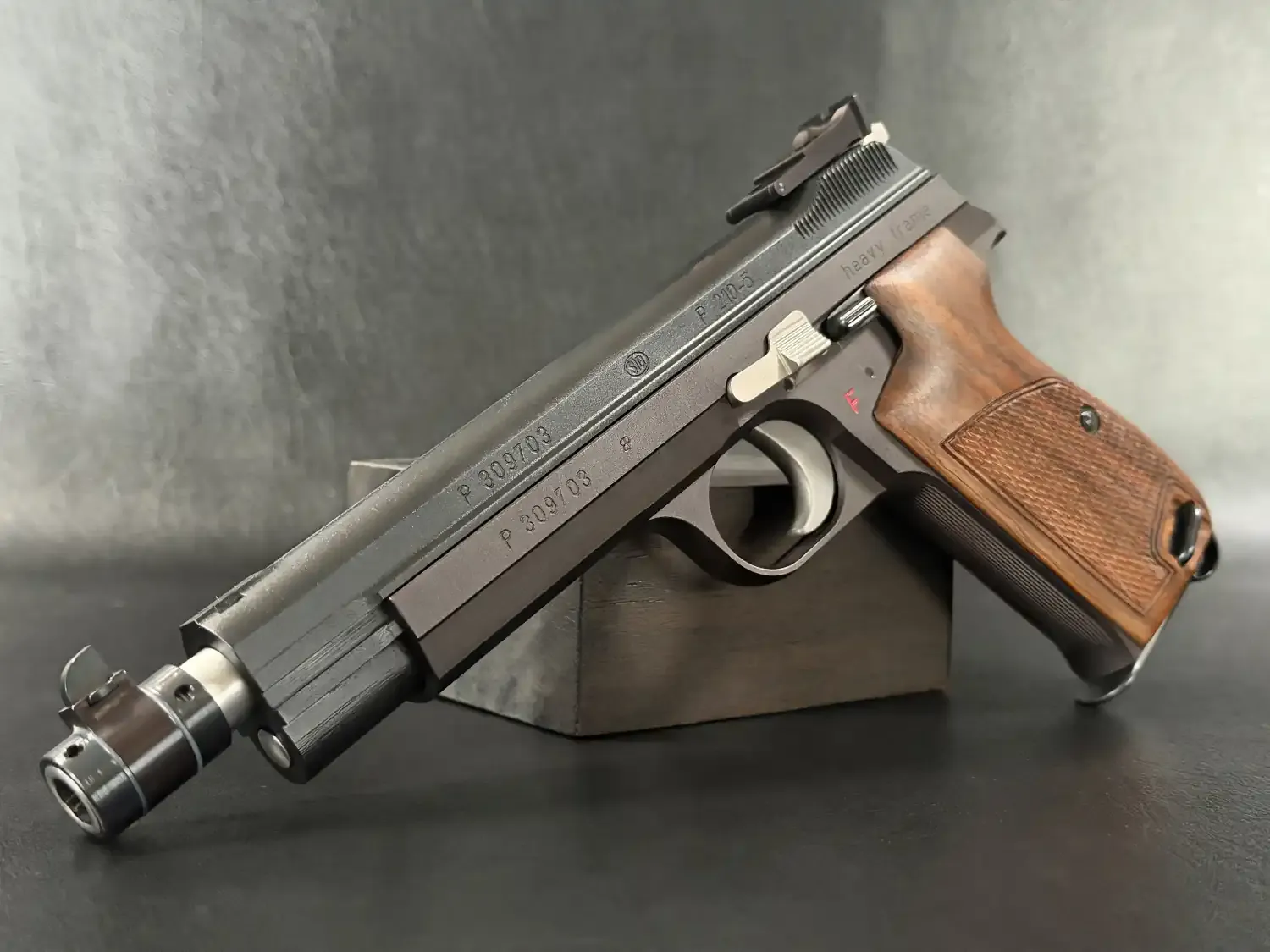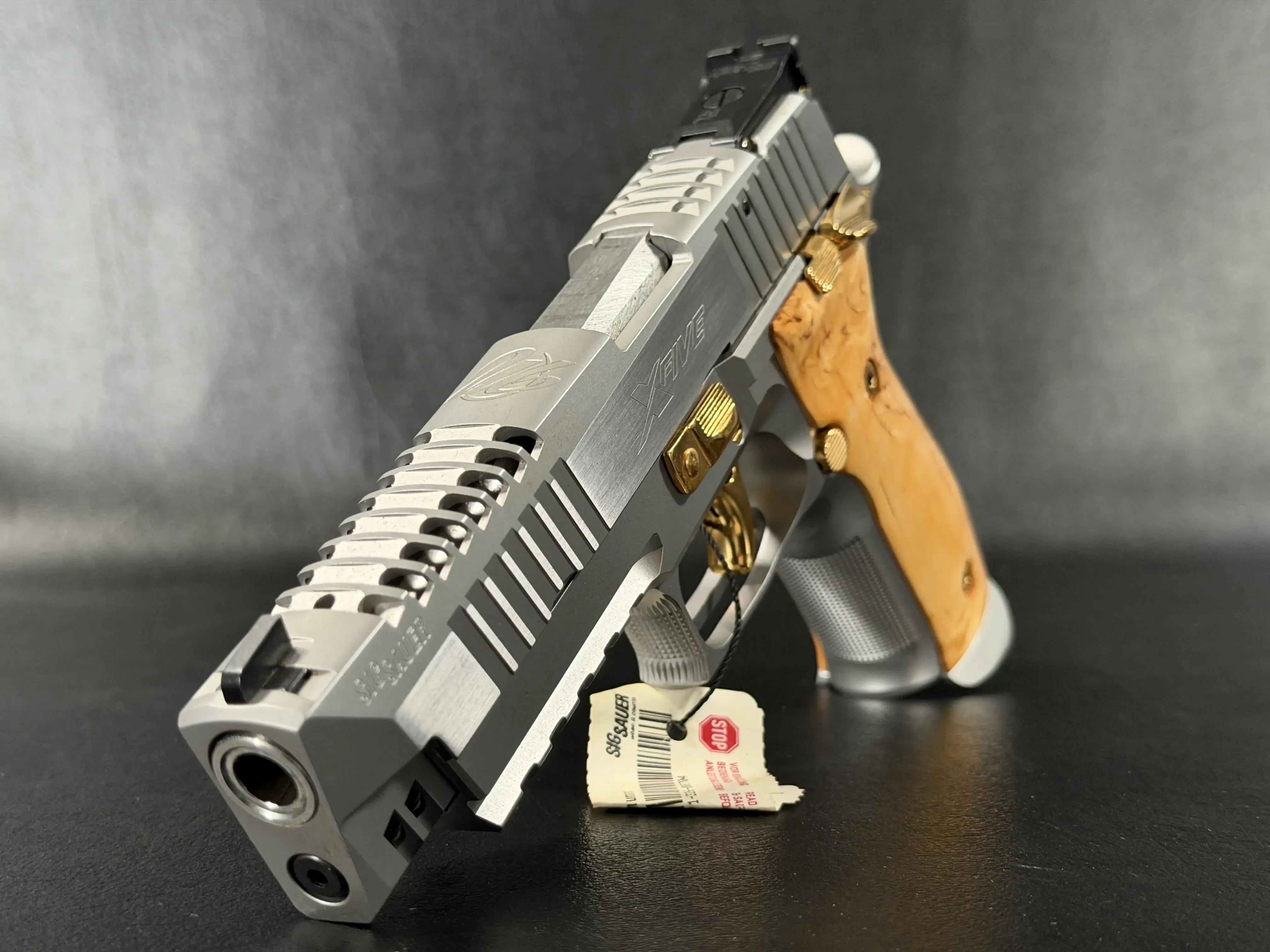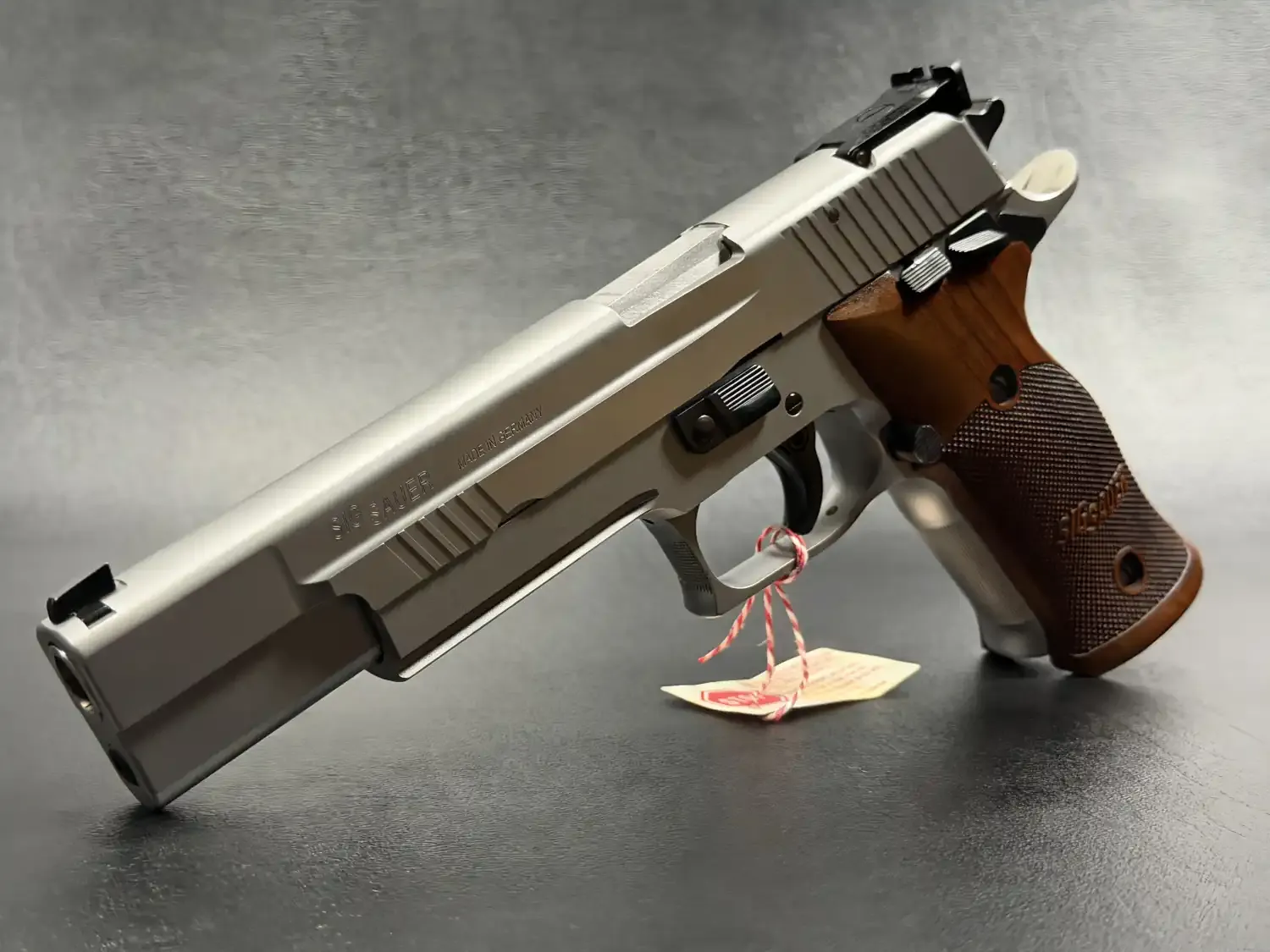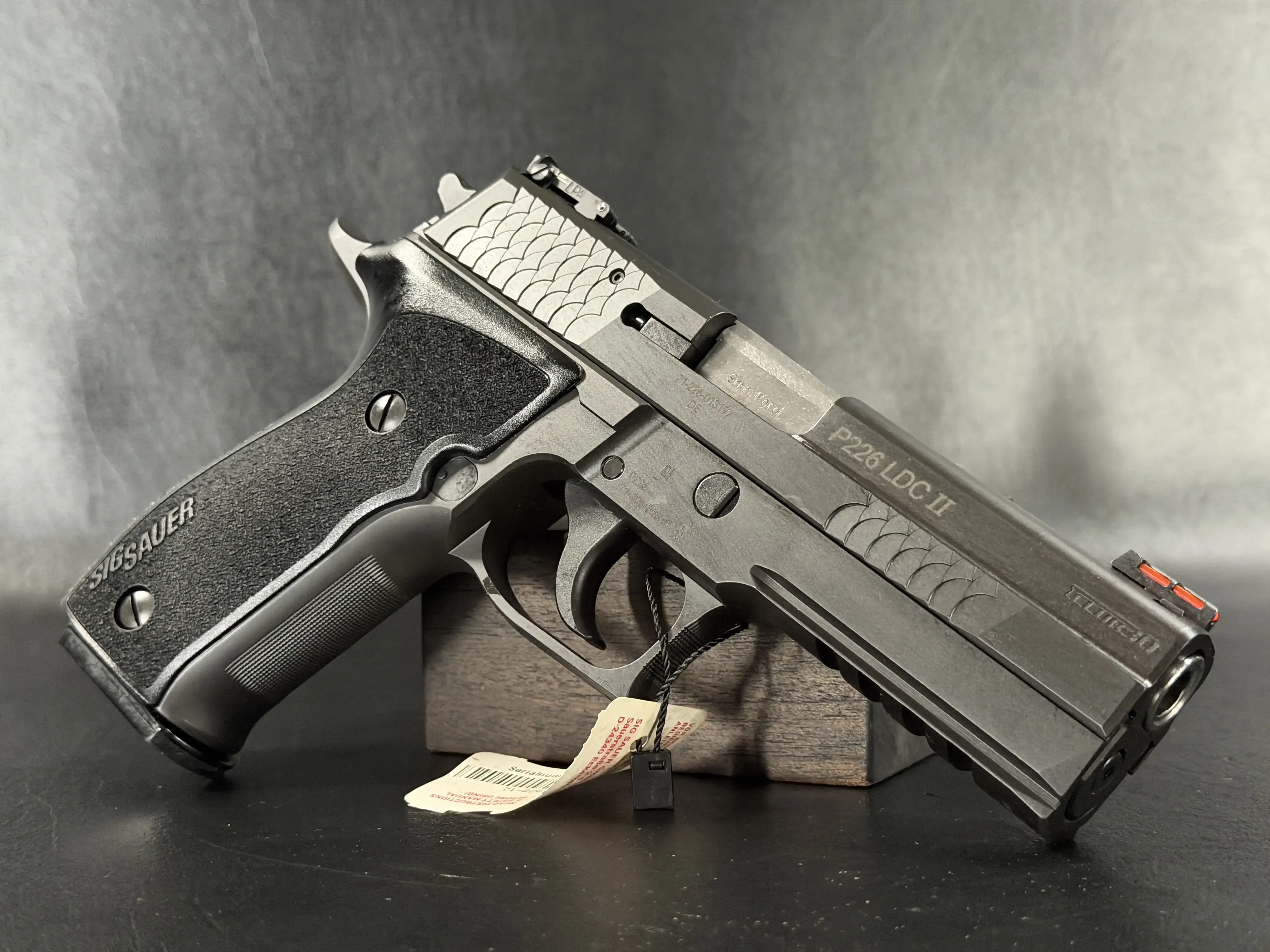
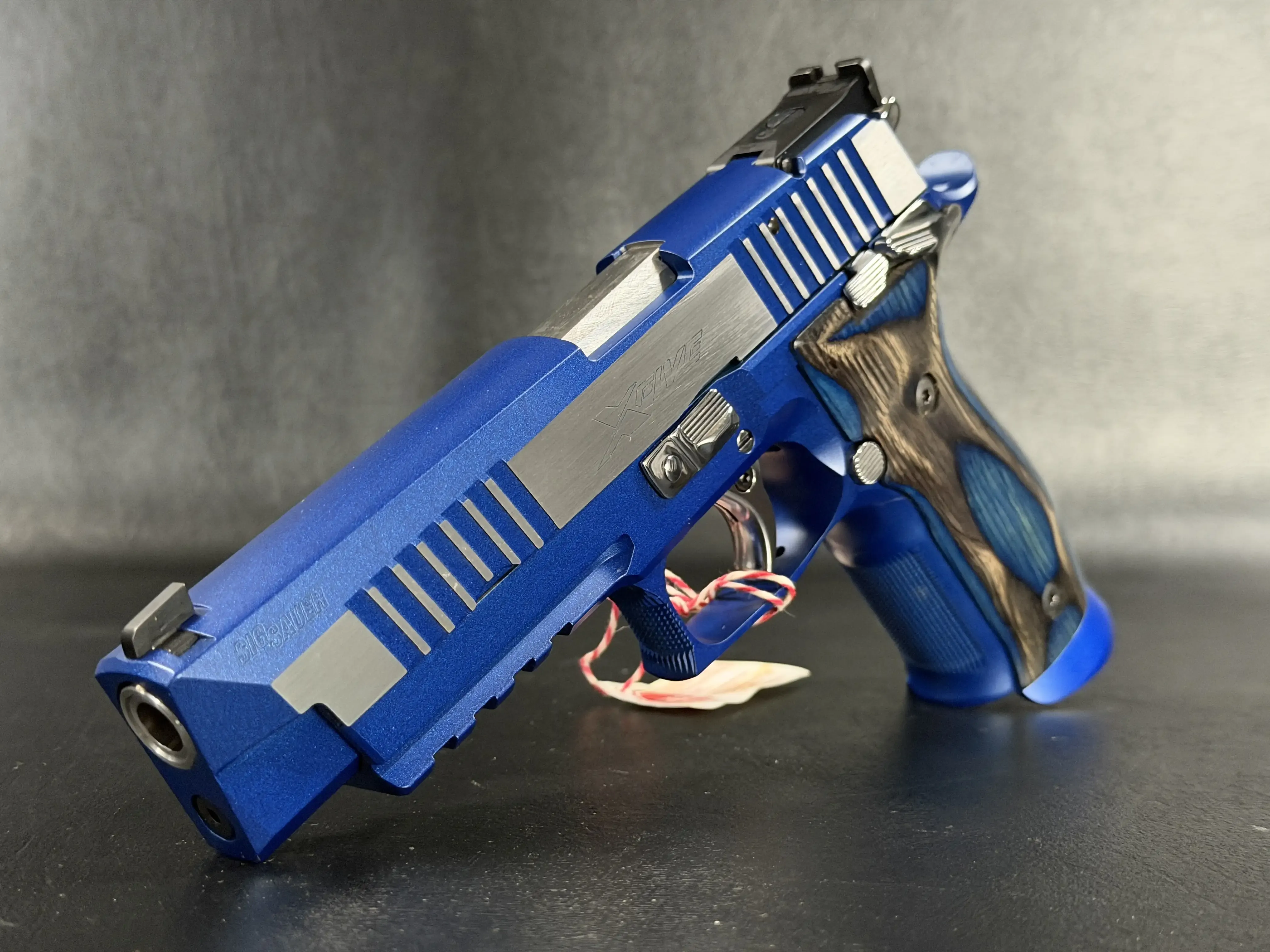

The story of SIG Sauer is, at its root, a story about institutional clients. Not the civilian market, not the gun enthusiast, but the procurement officer with a checklist and a requirement. For more than a century, SIG has built rifles and firearms for the Swiss military and government contracts. The discipline that demands dimensional consistency, documented reliability, and materials that behave predictably under adverse conditions became the foundation on which everything else was built.
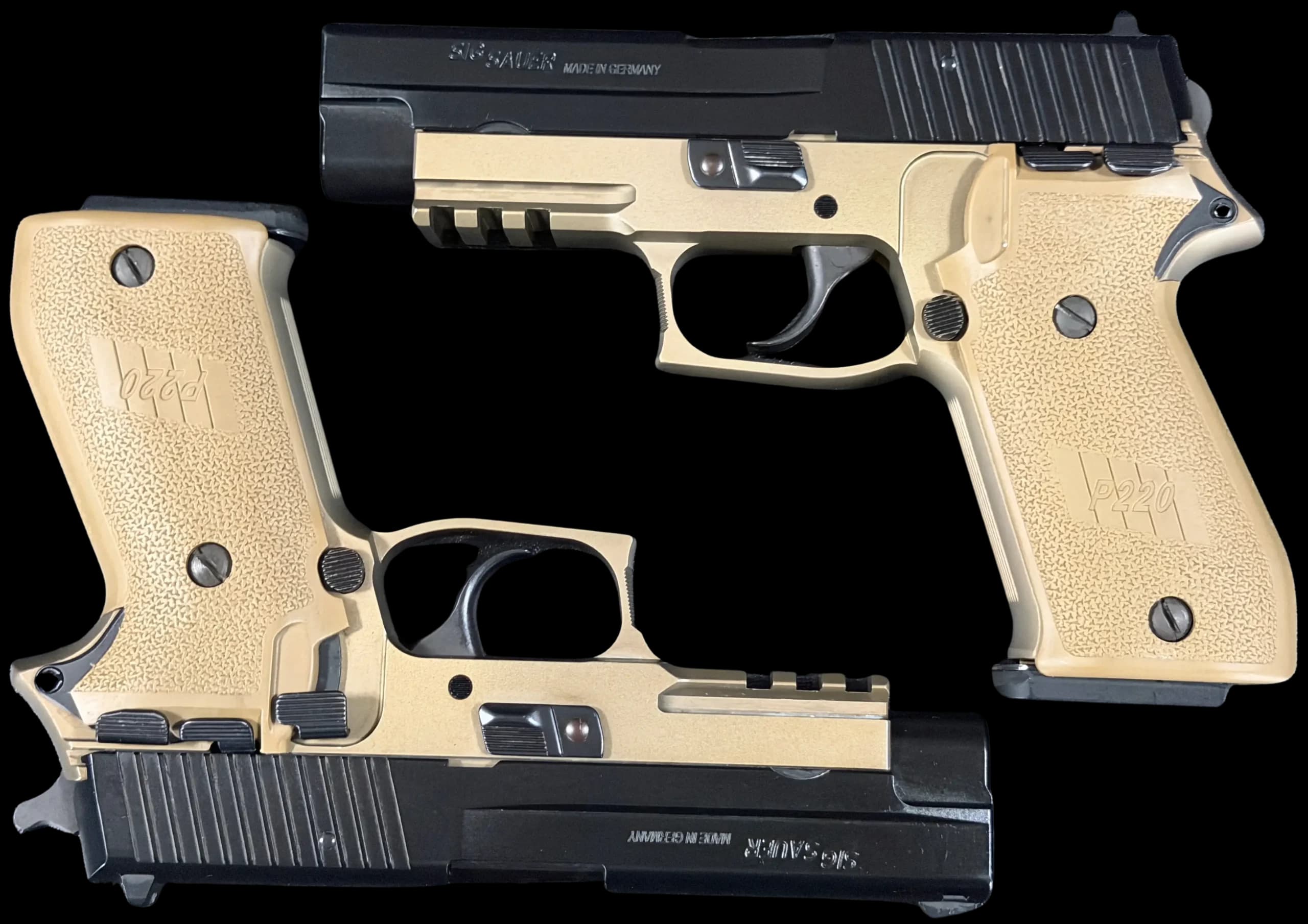
The modern SIG Sauer partnership emerged in the 1970s from a practical problem: Swiss export law restricted SIG from selling arms directly to many foreign markets. J.P. Sauer & Sohn, a German manufacturer with roots going back to 1751, provided the manufacturing and commercial pathway that SIG's export restrictions blocked. The P220, introduced in 1975, was the first pistol to carry both names. It was a double-action/single-action design chambered initially in 9mm and .45 ACP, and it demonstrated immediately what the collaboration was capable of producing: a service pistol with minimal external controls, a decocker in place of a manual safety, and construction quality that set it apart from the stamped-and-welded competition of the era.
The P226 arrived with a reputation that no advertising campaign could have manufactured.
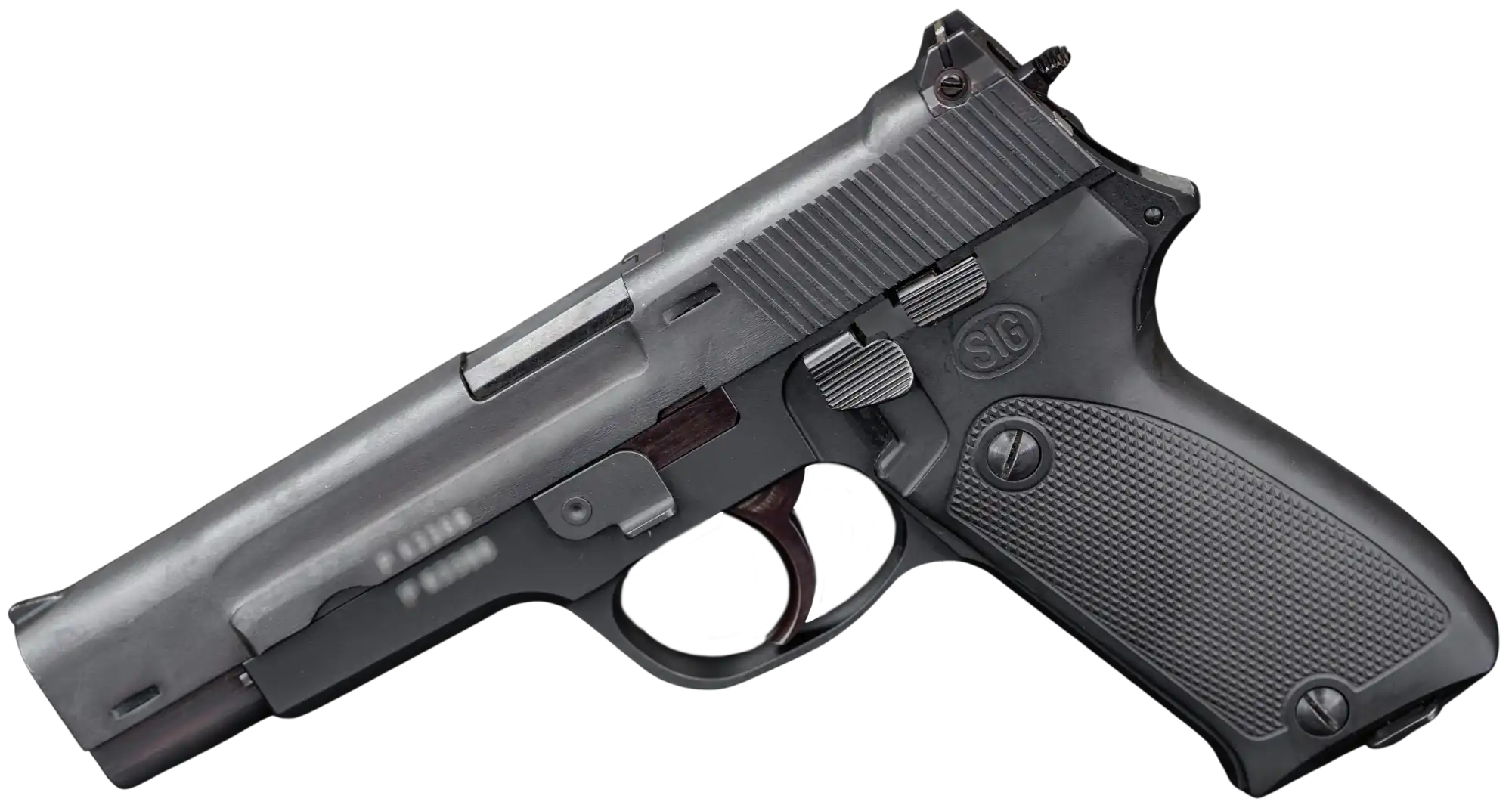
Through the 1980s and 1990s, SIG Sauer expanded the DA/SA lineup with purpose-built variants: the compact P228 and P229 for plainclothes and secondary carry applications, the P239 as a single-stack option, and the P232 at the smaller end of the spectrum. The U.S. operation grew in parallel, and the Exeter, New Hampshire, facility became central to American production and assembly. By this point, the brand was established enough that its name carried weight in procurement conversations in a way few European manufacturers could claim in the American market.
The introduction of the P320 in 2014 represented a deliberate pivot. Where SIG's reputation had been built on metal-framed DA/SA pistols, the P320 was a striker-fired, polymer-framed design with a modular fire control unit that could be moved between different grip frames and barrel lengths. The 2017 U.S. Army Modular Handgun System contract, won against competition that included Glock and others, validated the design at the highest institutional level. The M17 and M18, as the military designates them, are P320 variants. The same year, SIG issued a voluntary upgrade program for P320 pistols following reports of unintended discharge under certain drop conditions. The company's handling of that situation, proactive rather than litigious, was noted. The upgrade resolved the mechanical issue; the episode remains part of the gun's documented history.
For the collector, SIG Sauer occupies a specific position: a manufacturer with genuine institutional provenance, an unusually long production run of designs that proved themselves in actual service, and enough model variation within each family to reward close study. The early German-made P-series guns, particularly pre-U.S. production examples, attract attention for their fit and finish, which some consider a step above what came later. The P226 in its various configurations, the P220 in .45 ACP, and early P229 examples are the models most actively tracked. The MCX and its variants represent a different, more recent chapter, one more relevant to the shooter than to the collector, though the LVAW and Rattler variants have their own niche appeal.
History & Milestones
SIG established in Neuhausen am Rheinfall
Schweizerische Industrie-Gesellschaft was founded as a railcar manufacturer, moving into firearms production under a Swiss military contract. The institutional relationship with the Swiss government defined the company's approach to manufacturing standards from the outset.
P210 enters Swiss military service
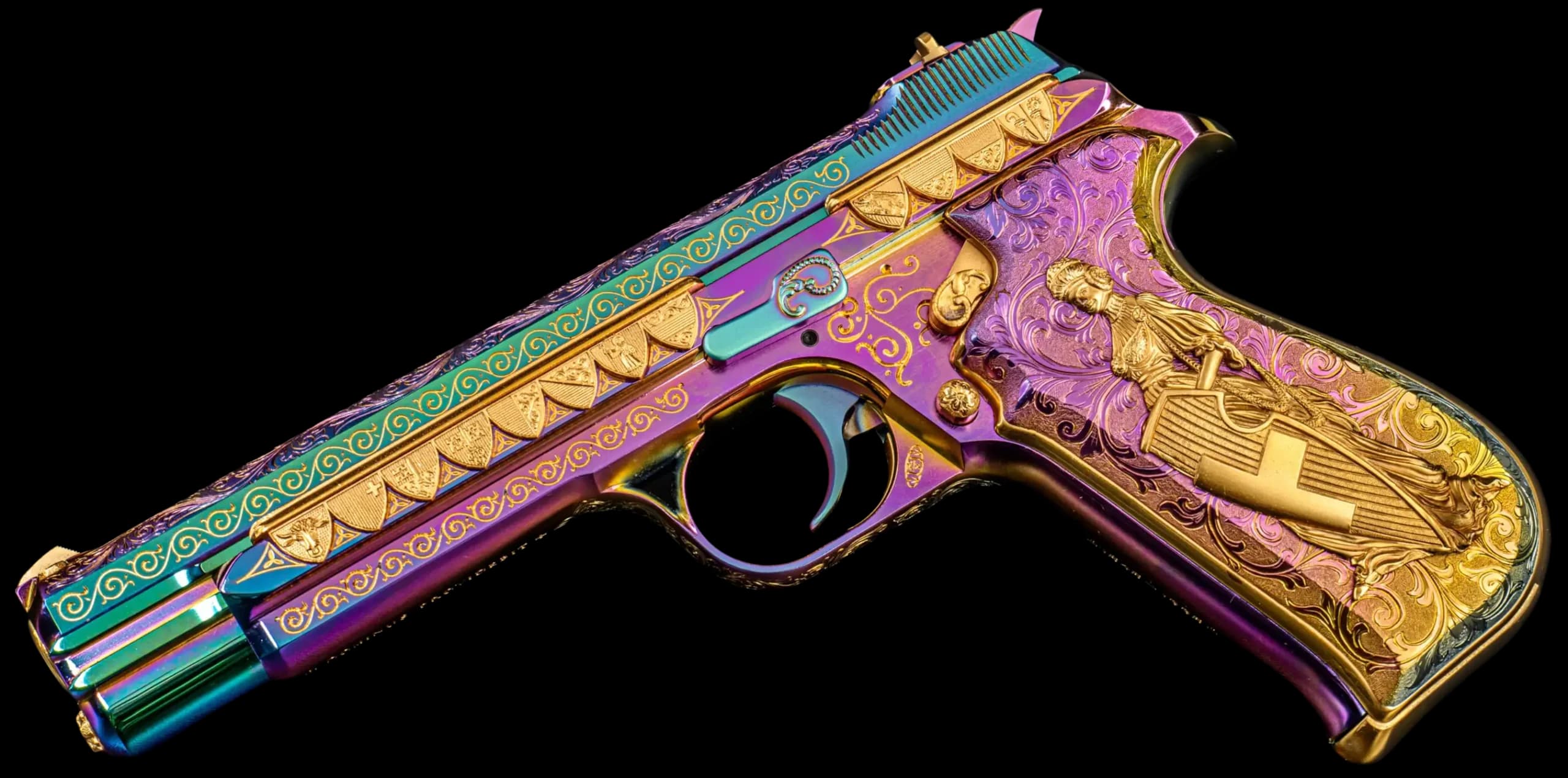
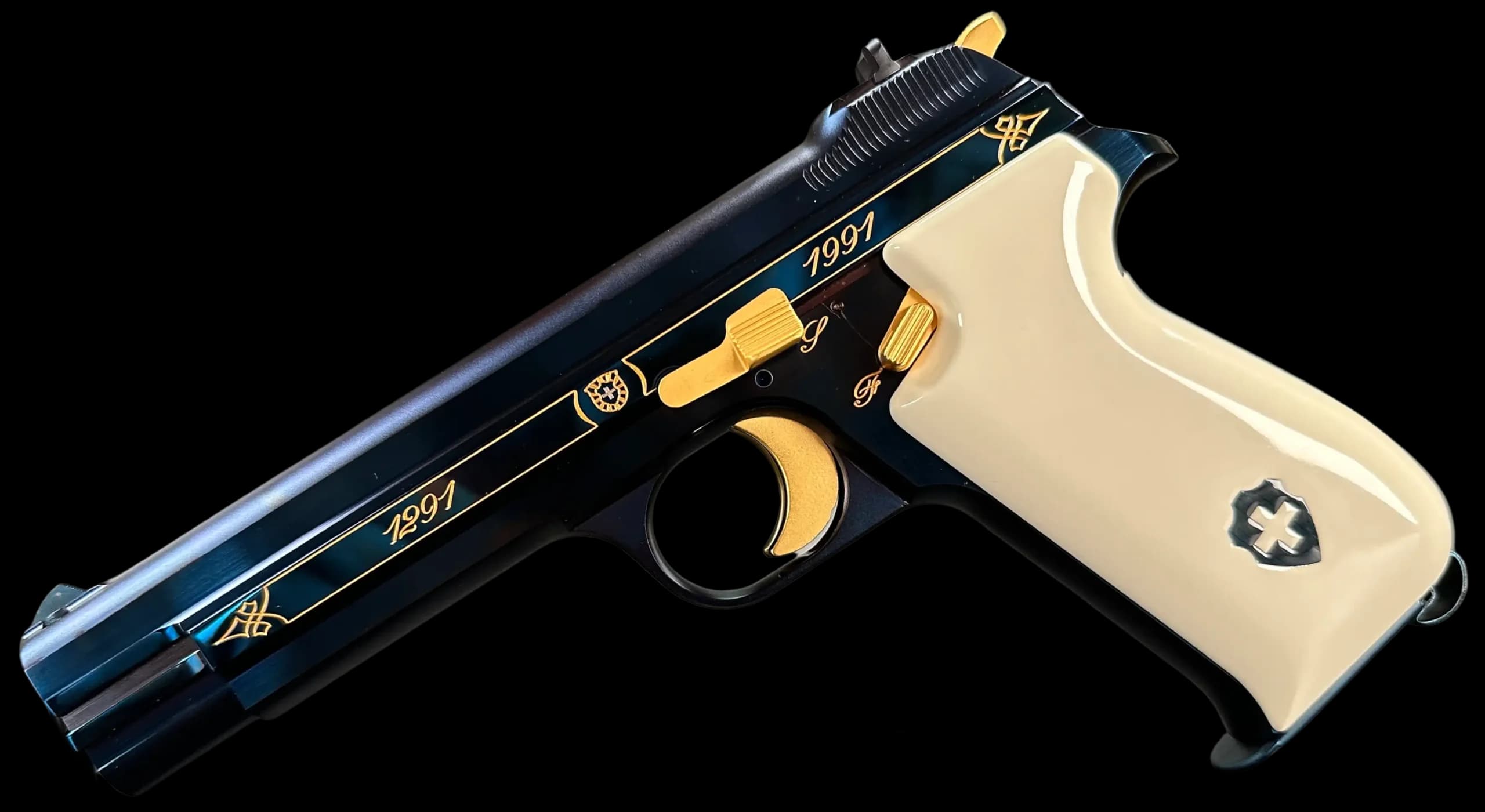
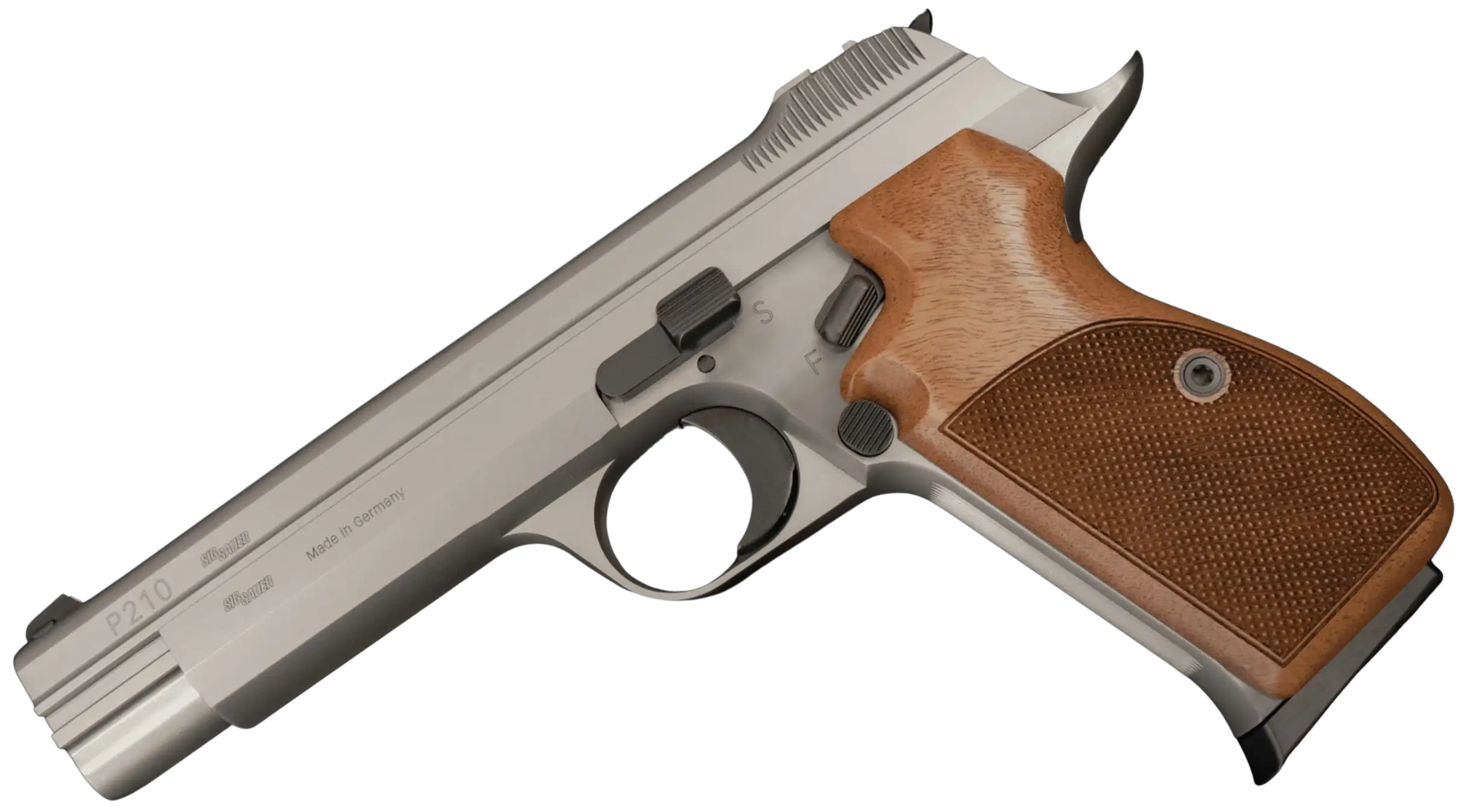
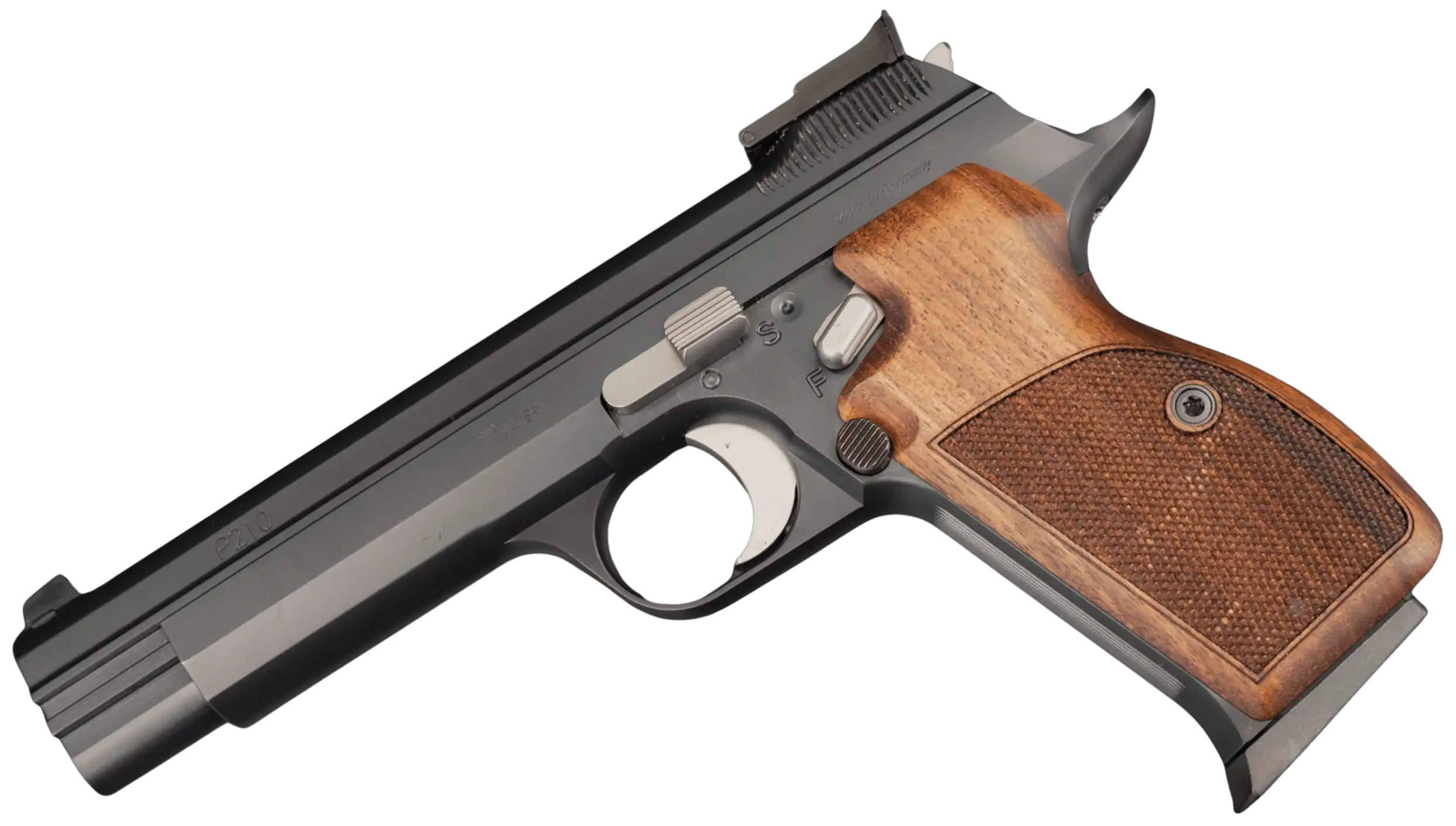
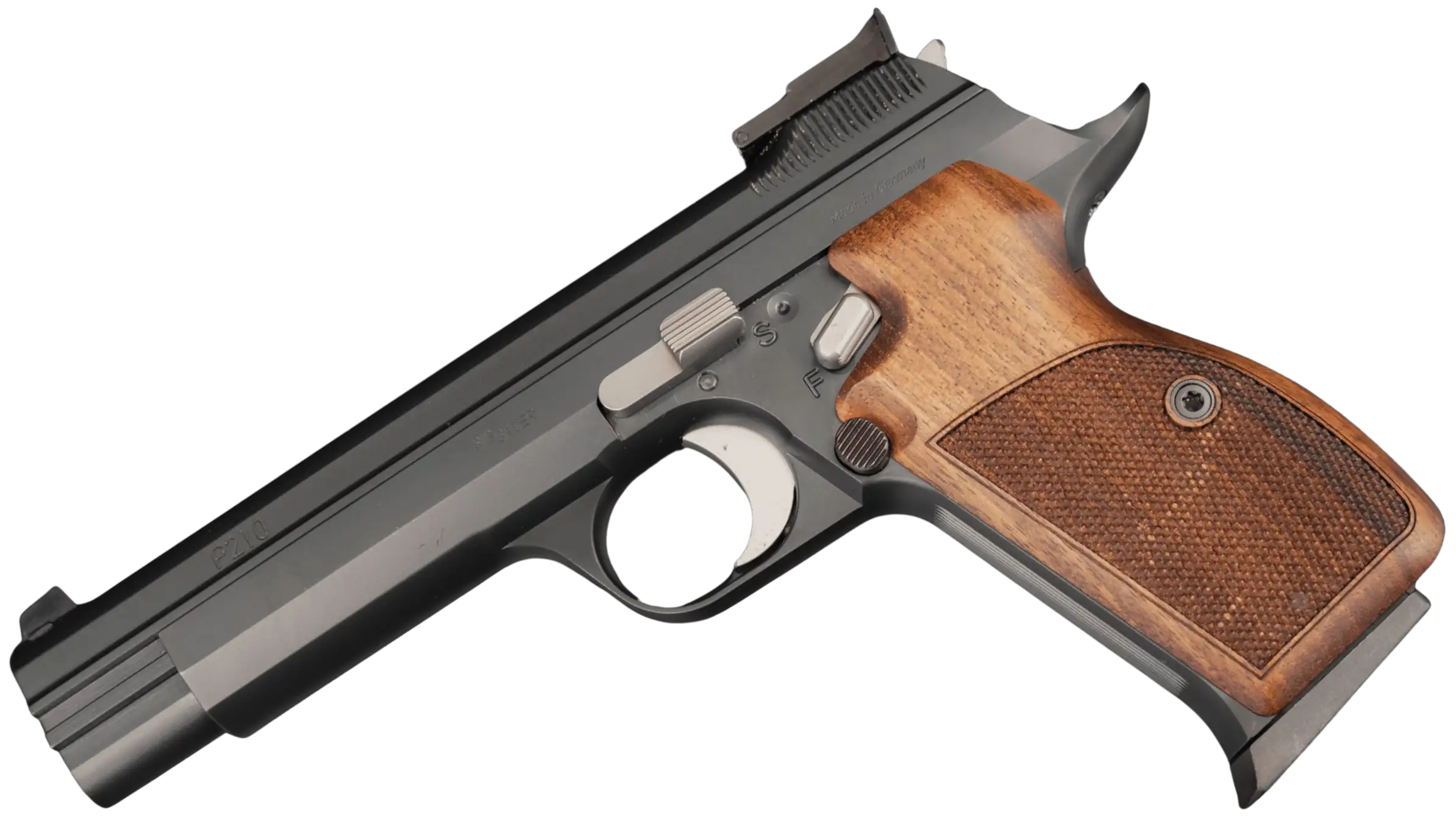
The SP 47/8, later designated the Pistole 49, was adopted by the Swiss Army. The P210's rail-in-frame slide design achieved accuracy tolerances that distinguished it from contemporary service pistols and established the company's reputation for precision beyond its domestic market.
P220 launches the SIG-Sauer partnership
The first pistol to carry both SIG and Sauer branding was produced in West Germany to circumvent Swiss export restrictions. The P220 introduced the decocker-only DA/SA configuration that would define the P-series for decades.
P226 developed for U.S. XM9 military trials
SIG submitted the P226 to replace the 1911A1 in U.S. service. The pistol passed all technical requirements; Beretta's 92F won the contract on price. The P226's subsequent adoption by U.S. Navy SEALs and the FBI reframed the loss as a distinction.
P228 adopted as U.S. military M11
The compact P228 entered U.S. service as the M11, used by military investigators, aircrew, and plainclothes personnel. Its adoption alongside the Beretta M9 gave SIG Sauer two pistols in simultaneous U.S. military service.
P229 introduced in .40 S&W
Designed around the higher-pressure .40 S&W cartridge with a stainless steel slide on an alloy frame, the P229 became a standard-issue sidearm for numerous U.S. federal agencies, including the Secret Service and DEA.
P320 introduces modular fire control architecture
SIG's first striker-fired, polymer-framed service pistol built around a removable serialized chassis. The modular design was positioned directly at military and law enforcement procurement from the beginning.
M17 contract awarded; P320 upgrade program issued
The U.S. Army selected the P320-based M17 and M18 under the Modular Handgun System program, the most significant U.S. military handgun contract in decades. The same year, SIG issued a voluntary trigger upgrade for P320 pistols following documented drop-fire incidents.
P210 reintroduced in modern production
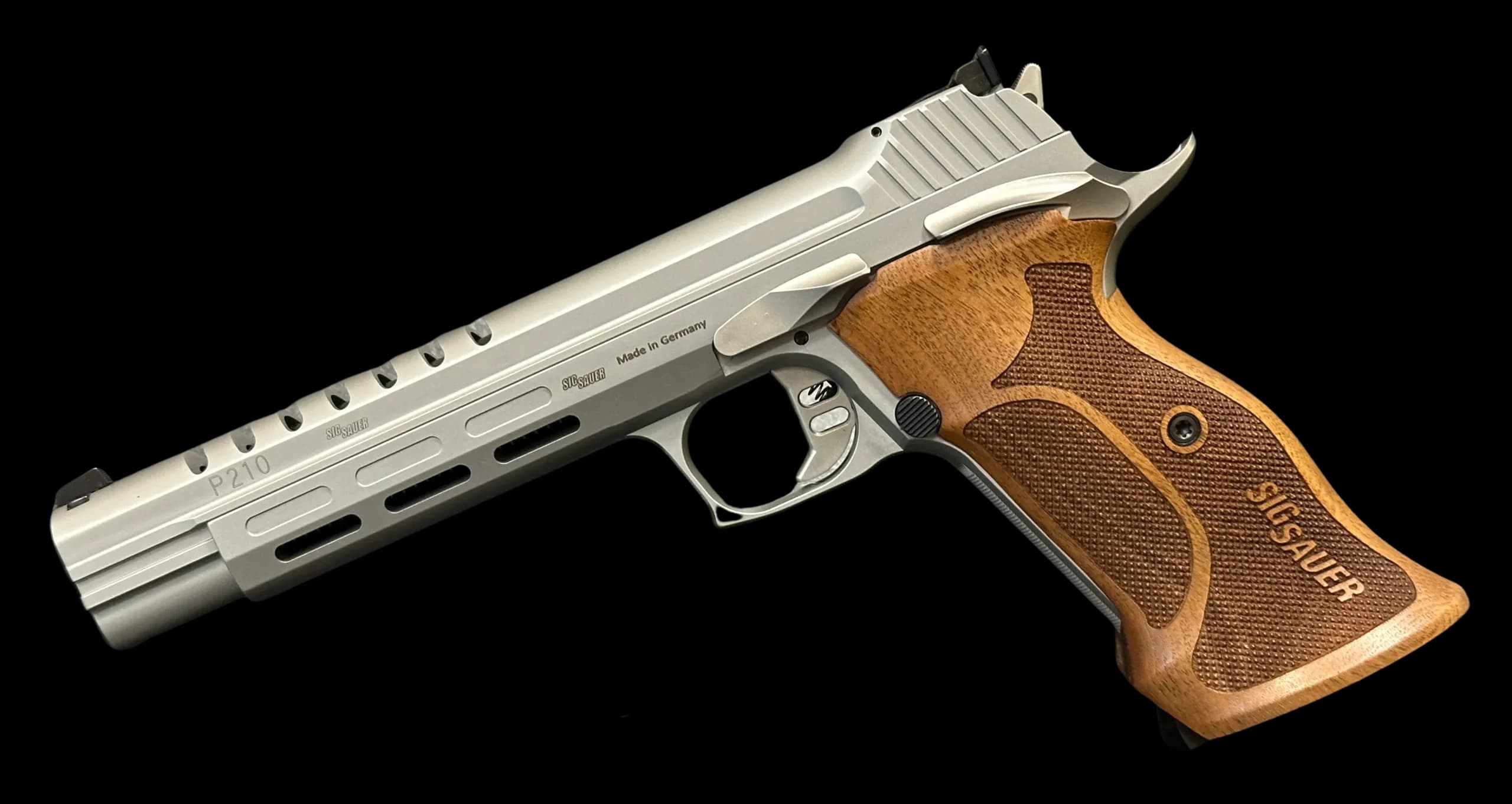
SIG Sauer reintroduced the P210 in Legend and Target configurations after decades of absence from the catalog. The return addressed a long-standing gap in the lineup for collectors of the original Swiss service pistol.