On 7 November 1896, Isidor Loewe folded four already-operating German arms and ammunition works into a single Berlin-registered company: the weapons plant his brother Ludwig had built in Berlin-Moabit, the cartridge works in Karlsruhe (formerly the Deutsche Metallpatronenfabrik, run by Wilhelm Lorenz), and powder plants in Cologne and Rottweil. The new entity, Deutsche Waffen- und Munitionsfabriken, was not a workshop finding its footing. It was a consolidation built from firms that already held German government contracts, produced machine tools, and had trained labor forces.
The logic behind the merger was vertical integration. Loewe already held a controlling stake in Waffenfabrik Mauser in Oberndorf, along with substantial shares in Fabrique Nationale in Belgium and an arms and ammunition works in Budapest, so folding the Berlin and Karlsruhe plants into a single company put cartridge production, small-arms assembly, and rifle manufacturing on a single balance sheet. Isidor Loewe had run the family's businesses since his brother's death in 1886; the aim was less a new product line than a structure able to bid on, and fulfill, large state contracts from raw cartridge brass through to finished rifles.
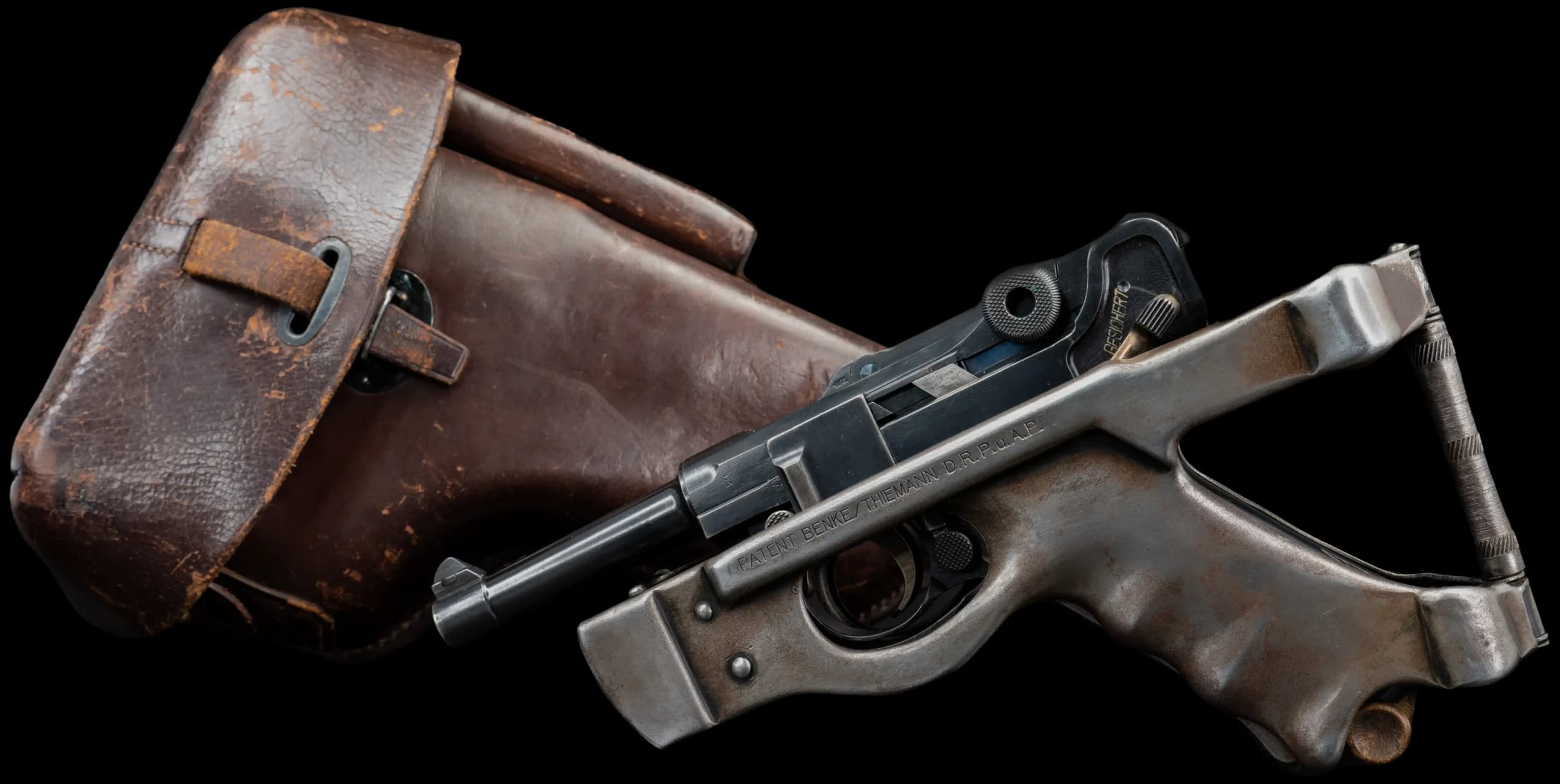
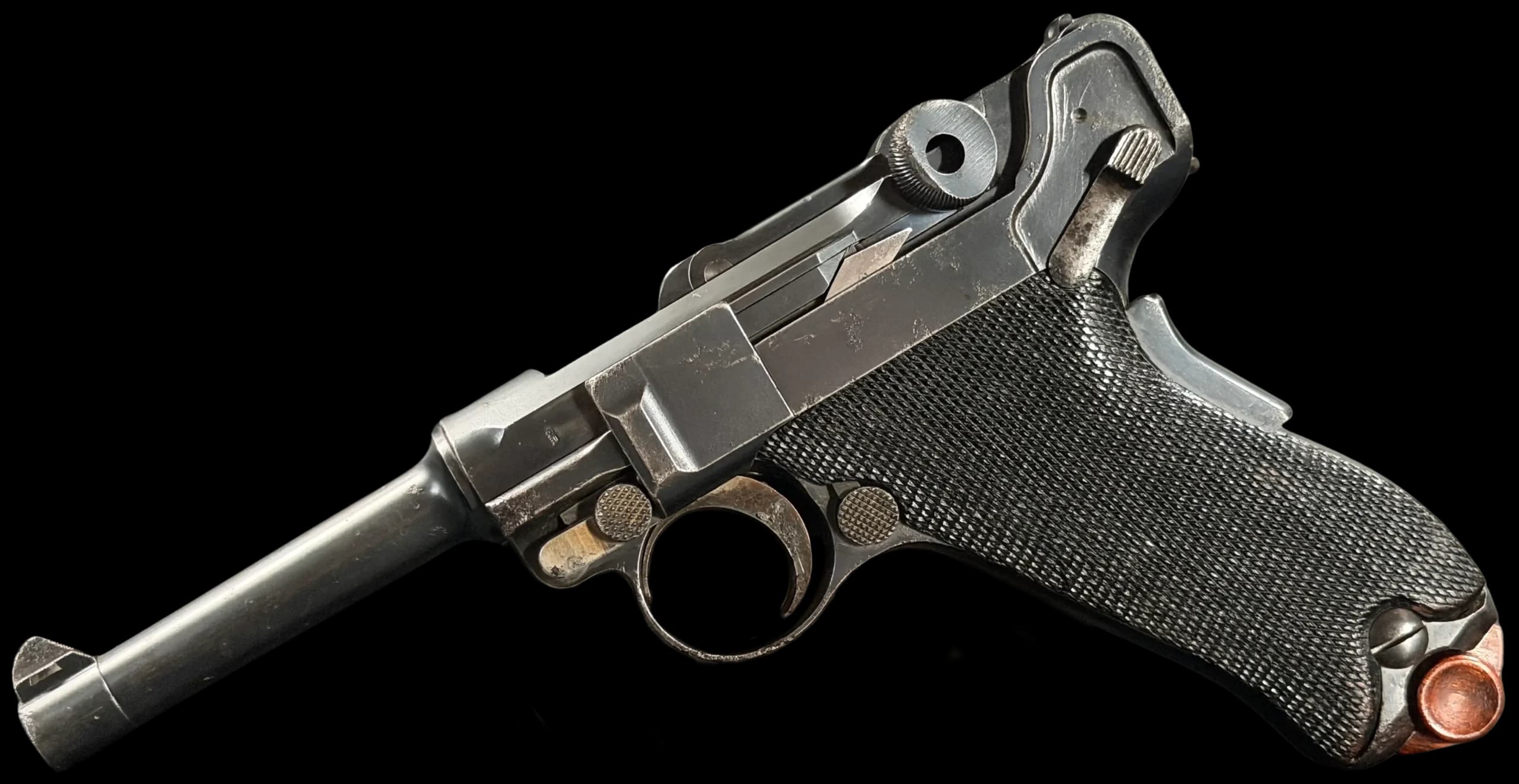
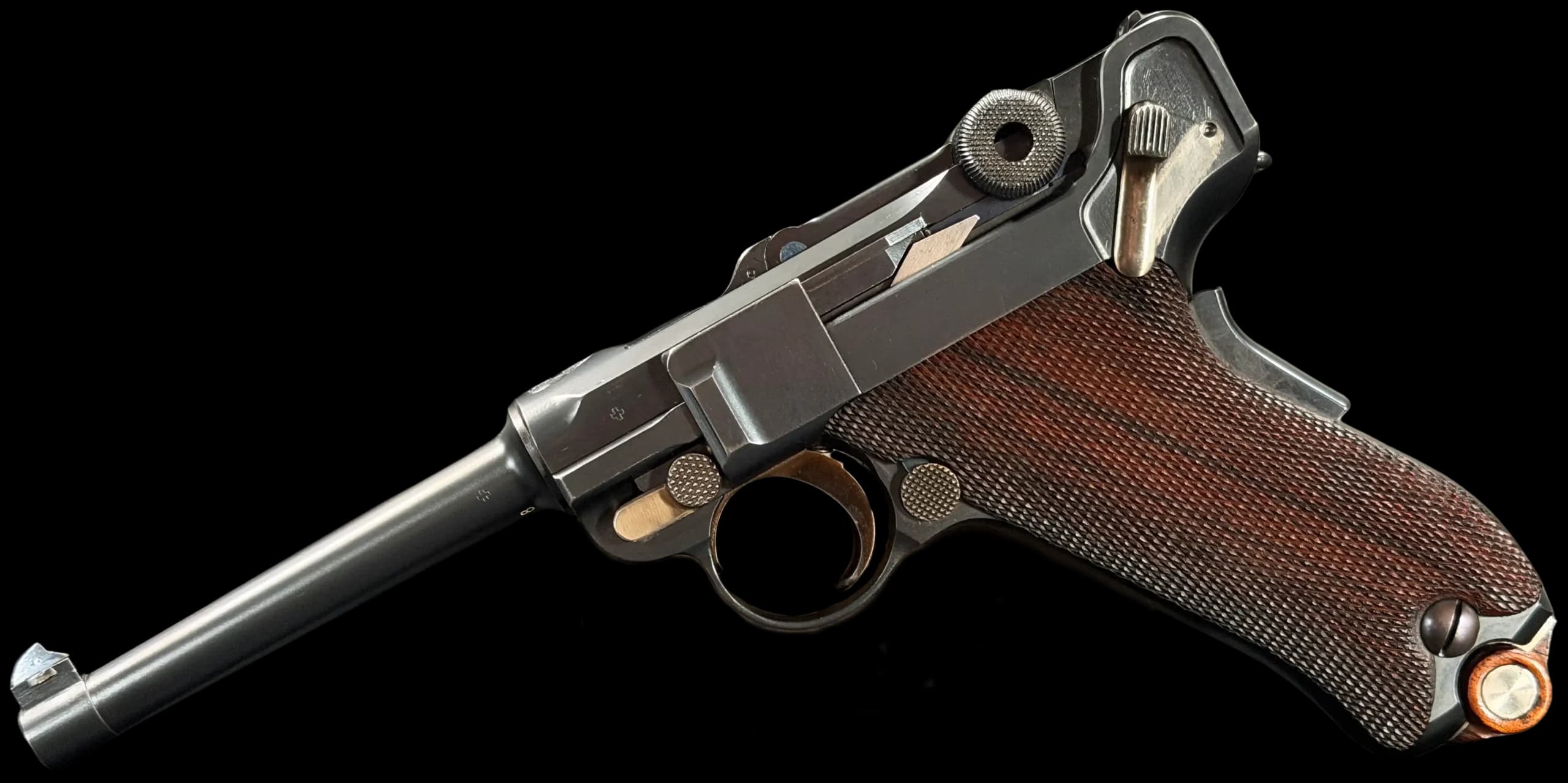
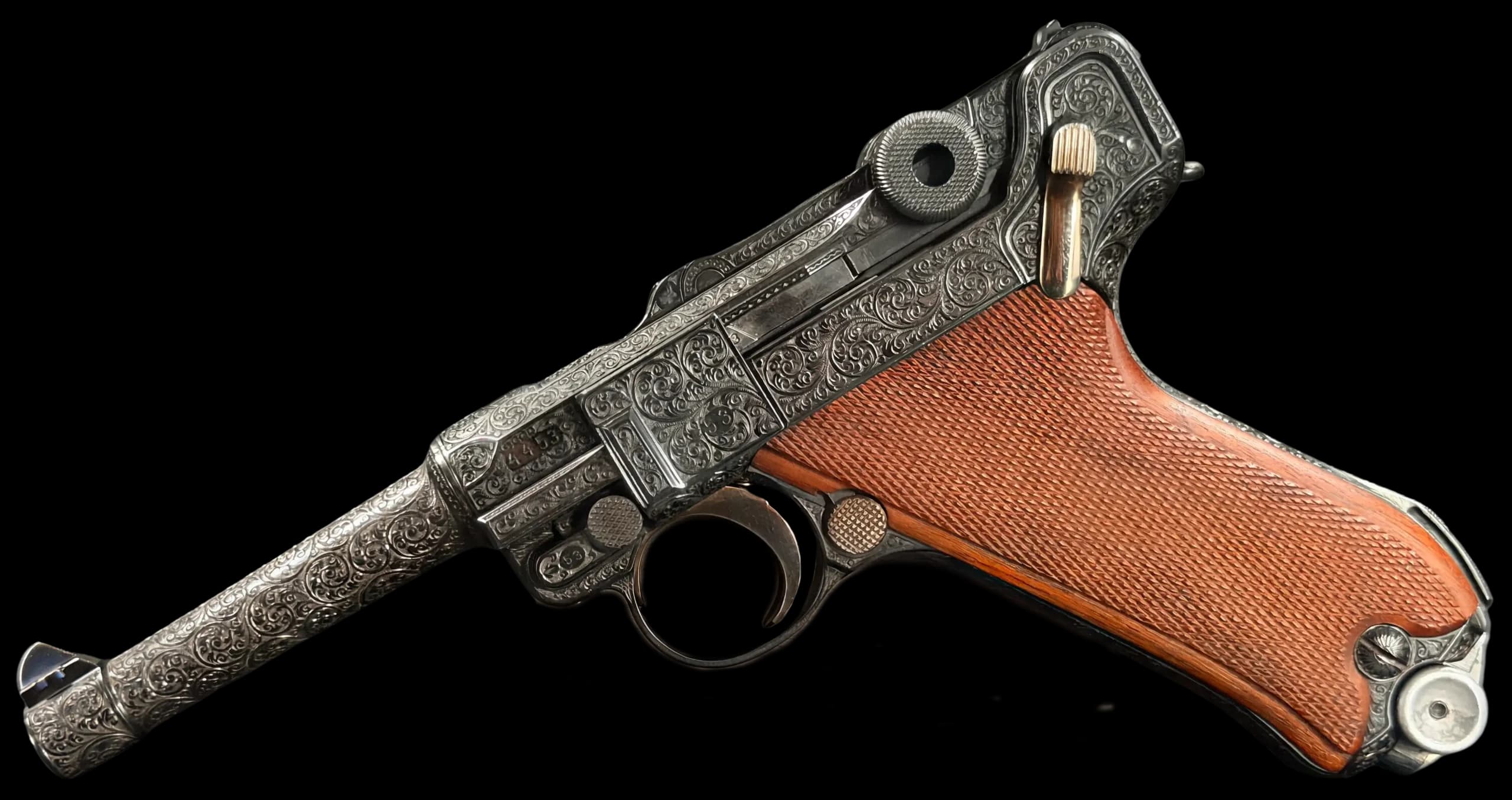
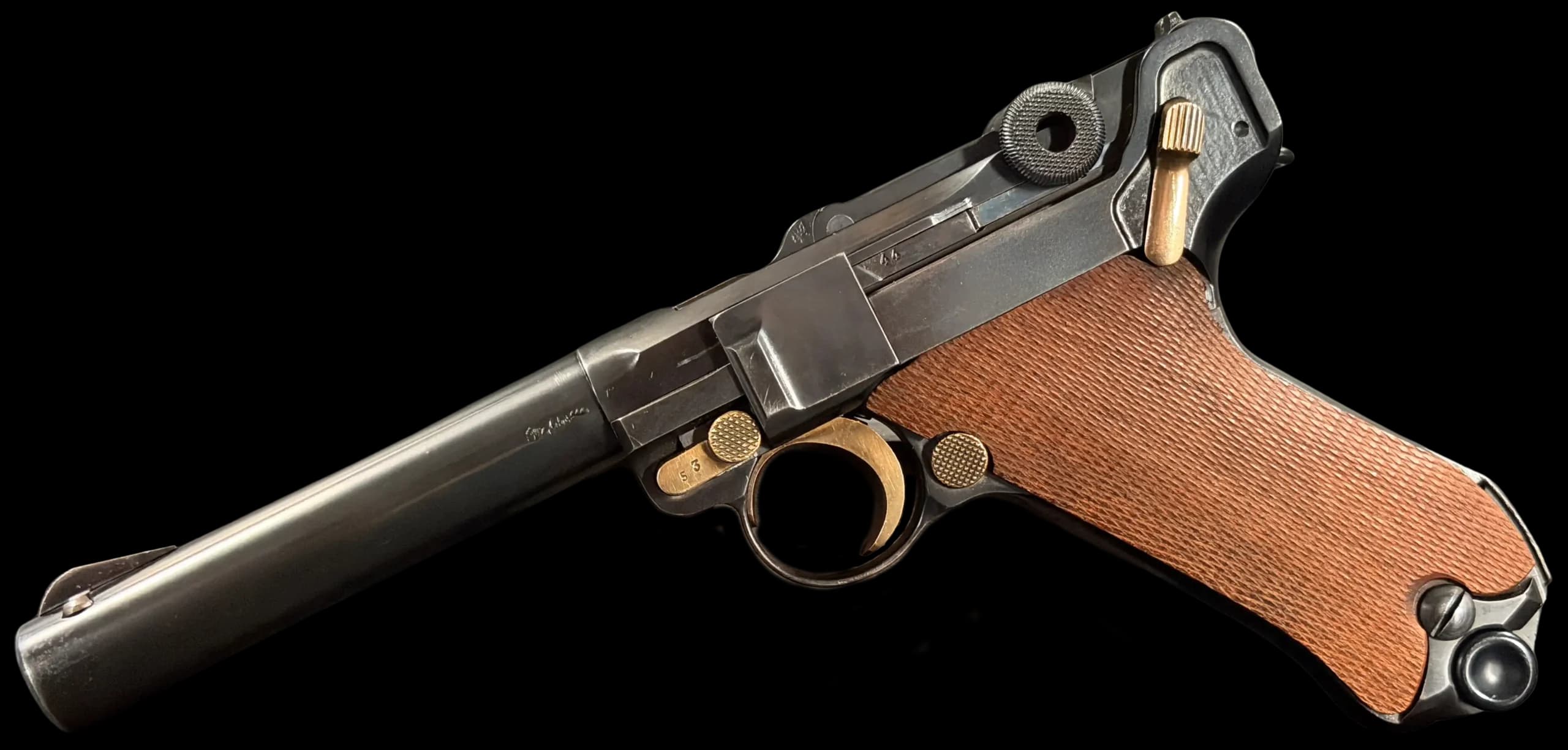
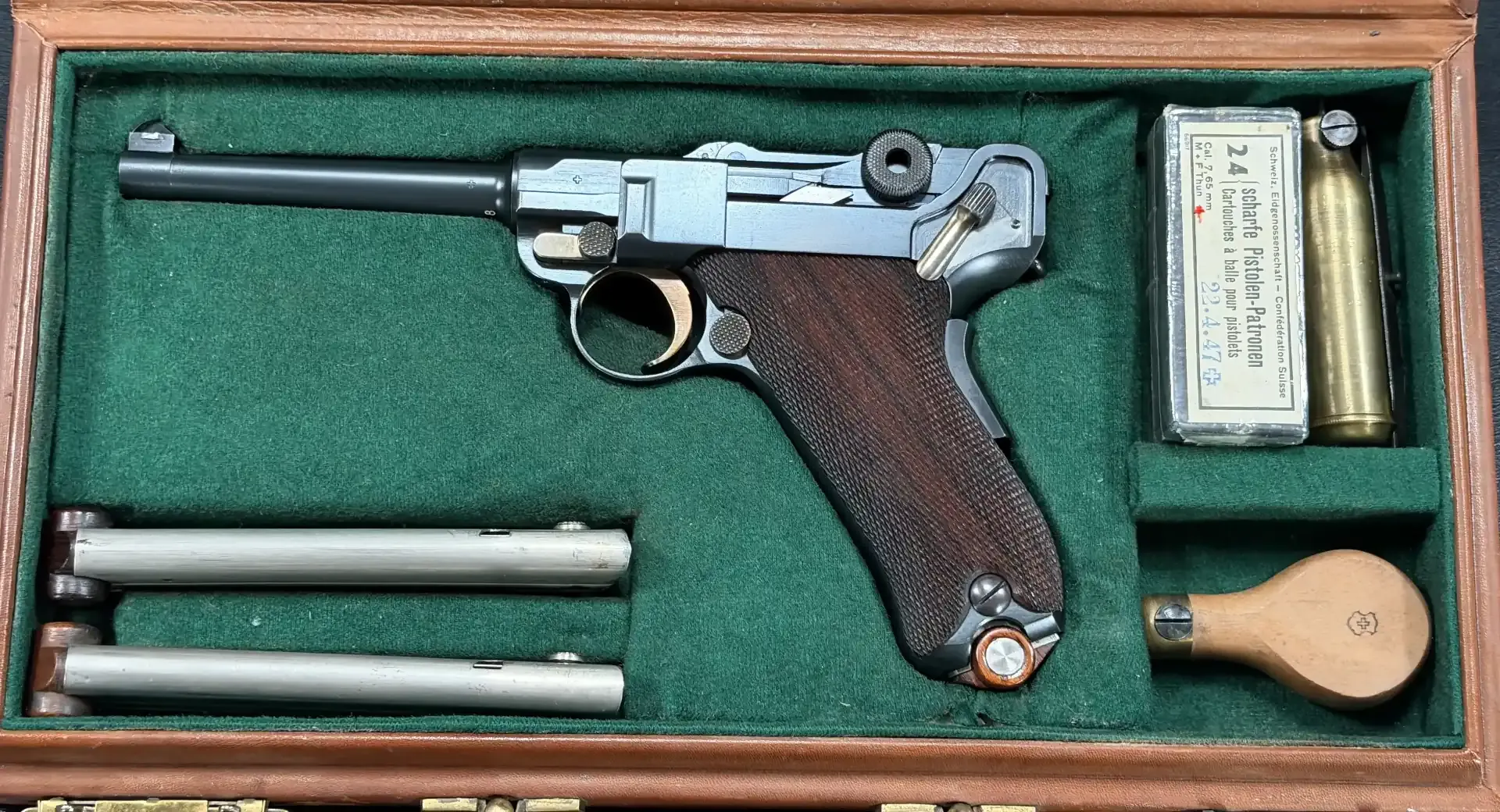
DWM's reputation rests substantially on one design. Georg Luger, who had worked alongside Hugo Borchardt on the earlier C-93 pistol, refined its toggle-lock mechanism into a smaller, more concealable arm that DWM put into production as the Modell 1900 Parabellum. Switzerland adopted it that year as its service pistol; the German Imperial Navy followed in 1904 with the 9mm Pistole 04; and on 22 August 1908, Kaiser Wilhelm II signed the order that made a coil-spring version, the Pistole 08, the standard sidearm of the German Army, with an initial run of 50,000 pistols against a planned total of 170,000. Alongside the pistol, DWM's Berlin works built the Gewehr 98 bolt-action rifle on Paul Mauser's patented action, largely for export contracts routed through Berlin by Loewe's Mauser shareholding, and the Maschinengewehr 08, a licensed Maxim-pattern gun that became the German Army's primary heavy machine gun of the First World War.
The First World War pushed the Berlin and Karlsruhe plants to full capacity; by the armistice, the German Army had received roughly 1.5 million P08 pistols from DWM and the Erfurt arsenal combined. The Treaty of Versailles then cut the company off from its core business. Barred from military production, DWM renamed itself Berlin-Karlsruher Industriewerke in 1922 and shifted toward civilian goods, though a smaller export trade continued; between 1919 and 1923, the firm rebuilt existing P08 frames into new commercial pistols for markets including the United States, sold through importers such as A.F. Stoeger, in the period when "Luger" first appeared stamped on the pistols themselves. In 1929, the Quandt family acquired the company, ending the Loewe family's involvement after more than three decades; Mauser took over the manufacture of the P08 from DWM the following year.
Under Quandt ownership, and after the National Socialist government abandoned the Versailles arms restrictions, the DWM name returned in 1936, and the company resumed large-scale production of pistols, rifle components, and ammunition for the Wehrmacht through the Second World War. Wartime output at the Karlsruhe and Berlin plants relied in part on forced and concentration-camp labor, a history documented in postwar denazification proceedings and later historical research into the Quandt family's businesses. DWM as a firearms manufacturer effectively ended with the war.
Its Berlin operations were retooled for railway and transit equipment after 1945 and eventually became Waggon Union, while the Karlsruhe works were renamed Industriewerke Karlsruhe, merged into IWKA in 1970, and today survive, several corporate generations removed, as the robotics company KUKA. No firm currently manufactures new firearms under the DWM name. What remains is the collector market: Modell 1900 and Pistole 04 Lugers in early, unaltered condition, unit-marked wartime P08S, DWM-produced Gewehr 98 export rifles, and the cartridge boxes and headstamped ammunition the company shipped worldwide, examples of which sit in institutional collections including the NRA's own museum holdings on First World War small arms.
History & Milestones
Four arms and ammunition works merge into DWM
On 7 November, Isidor Loewe combines the Berlin weapons plant, the Karlsruhe cartridge works, and powder plants in Cologne and Rottweil into a single company.
Modell 1900 Parabellum adopted by Switzerland
DWM's first production toggle-lock pistol becomes the Swiss Army's service sidearm, the design's first military adoption.
German Navy adopts the Pistole 04
A 9mm, long-barreled variant becomes the Imperial Navy's standard sidearm, DWM's first German military pistol contract.
German Army adopts the Pistole 08
Kaiser Wilhelm II signs the order on 22 August for an initial 50,000 pistols, making the P08 the Army's standard sidearm through two world wars.
DWM pistol production peaks in wartime
By the armistice, the German Army has received roughly 1.5 million P08 pistols from DWM and the Erfurt arsenal combined.
Versailles restrictions force a name change
Barred from military production, the company renames itself Berlin-Karlsruher Industriewerke and pivots toward civilian goods.
Quandt family acquires DWM
The purchase ends the Loewe family's involvement in the company founded 33 years earlier by Isidor Loewe.
Mauser takes over P08 production
DWM cedes manufacture of its signature pistol to Waffenfabrik Mauser in Oberndorf.
DWM name and arms production return
With Versailles restrictions openly abandoned, the company reinstates its original name and resumes large-scale military manufacturing under Quandt ownership.
Firearms production ends for good
Allied restrictions and wartime destruction close DWM's arms business; the Berlin plant is retooled for railway equipment and becomes Waggon Union, while Karlsruhe becomes Industriewerke Karlsruhe, later KUKA.