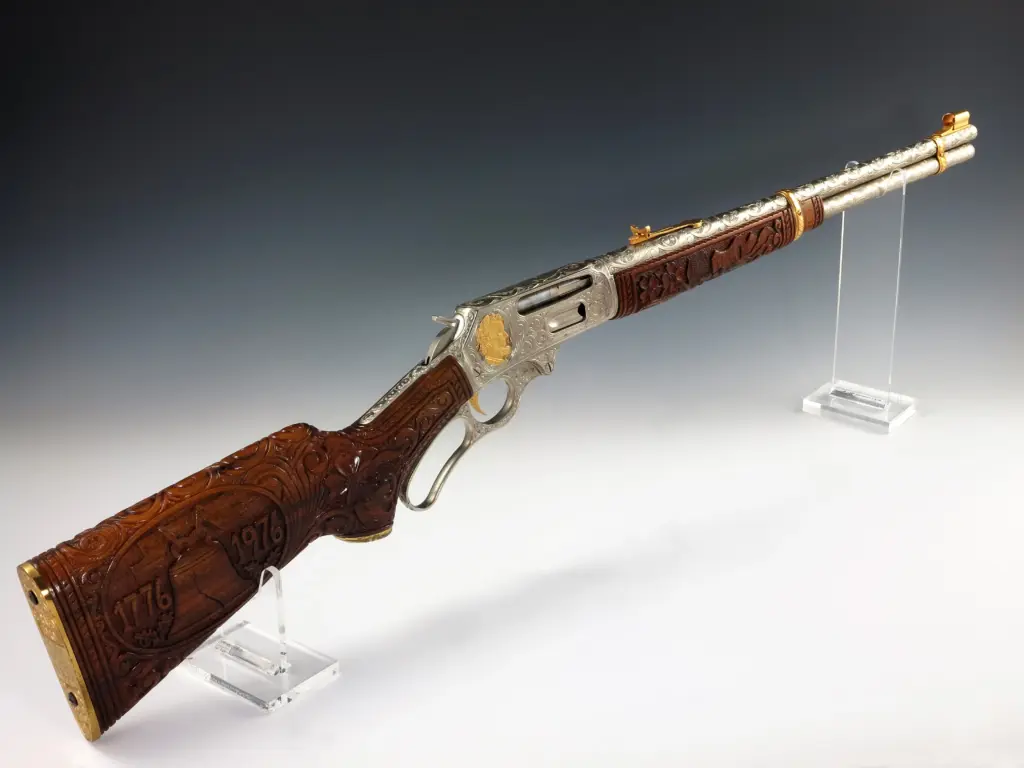
A practical, story-driven guide to reading JM vs REP barrel marks, understanding pre-safety 336s, Micro-Groove and Ballard-style rifling, and the smart checks to make before you buy.
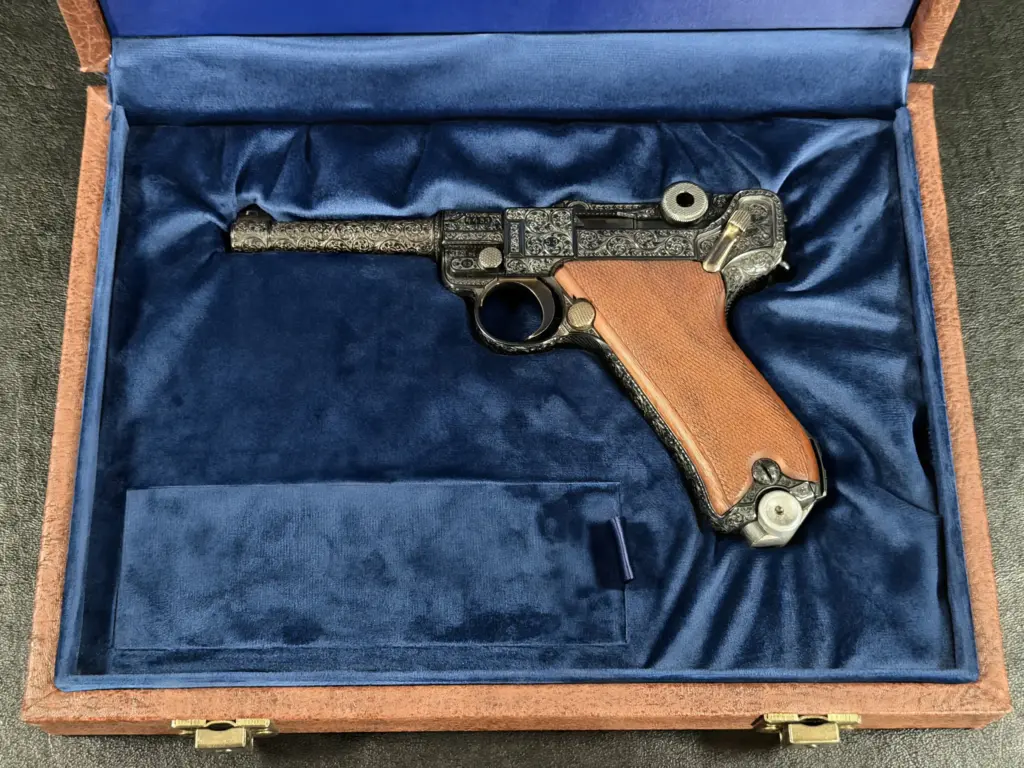
A collector-friendly guide to identifying DWM and Mauser P.08 Lugers by toggle markings, chamber dates, serial suffix letters, matching magazines, finishes, and the red flags to avoid.
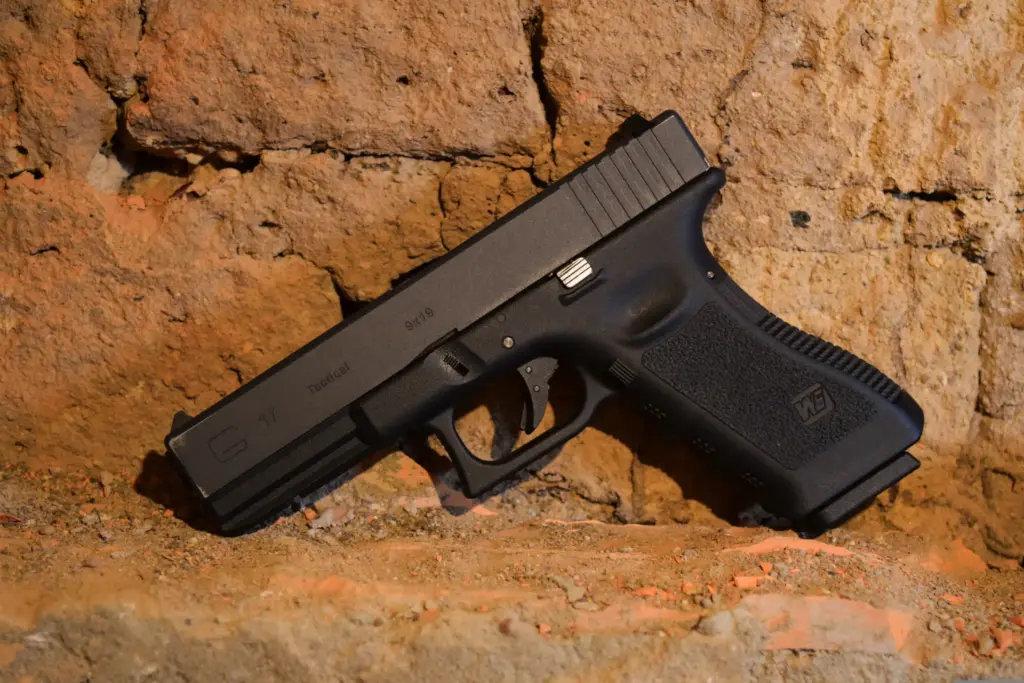
From the smooth pebble-grip Gen 1 to the modern Gen 5, here is a buyer-friendly tour of Glock design changes, quick ID cues, parts compatibility, and used-gun inspection tips.
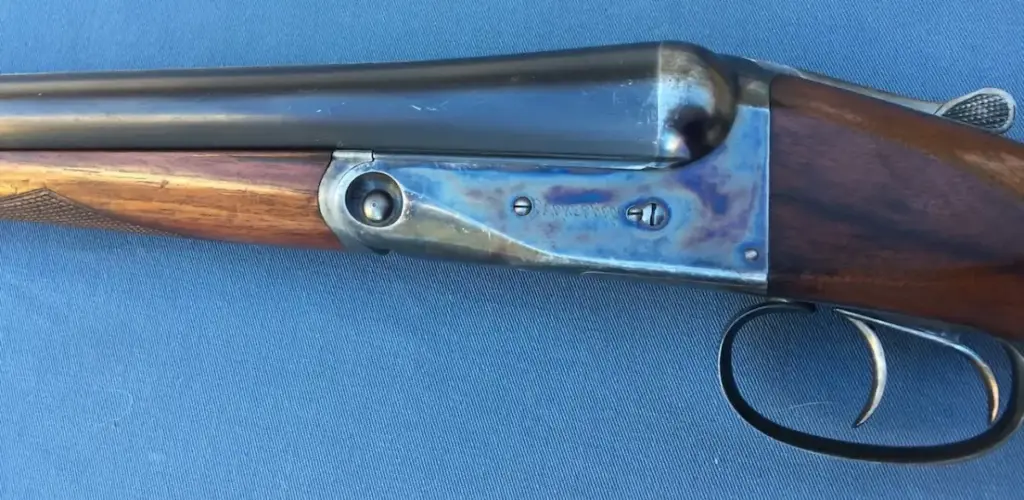
A field-ready, collector-buyer guide to Parker Brothers side-by-sides with Parker-specific tells: grade codes and trade names, frame size stamps, rib steel markings, serial consistency, ejectors vs extractors, and the Remington transition.
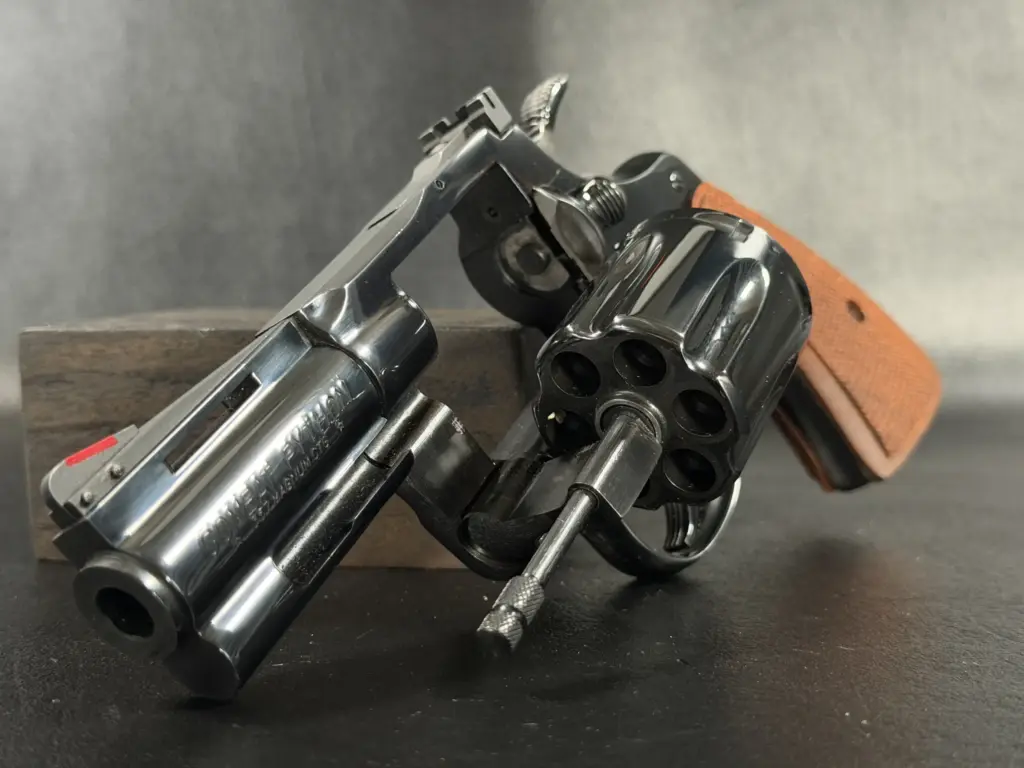
From Royal Blue Pythons to the modern Anaconda lineup, here’s how to sort first and second generation Colt snake guns, what finishes and barrel lengths exist, and the collector traps to avoid.
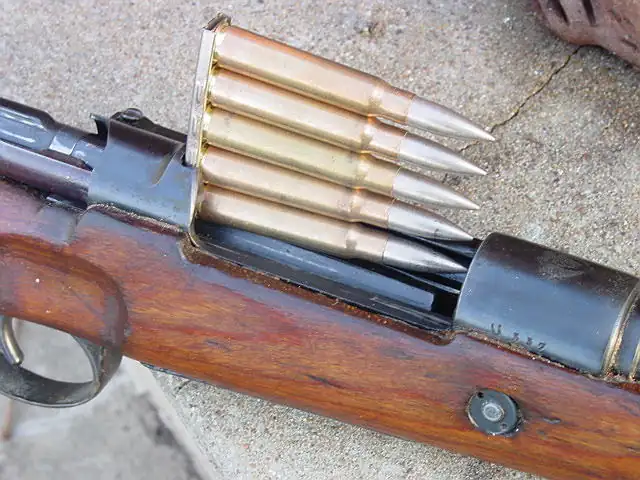
A field-ready guide to K98k maker codes, wartime stock changes, capture and refurbishment marks, accessories, and how to recognize restorations without guesswork.
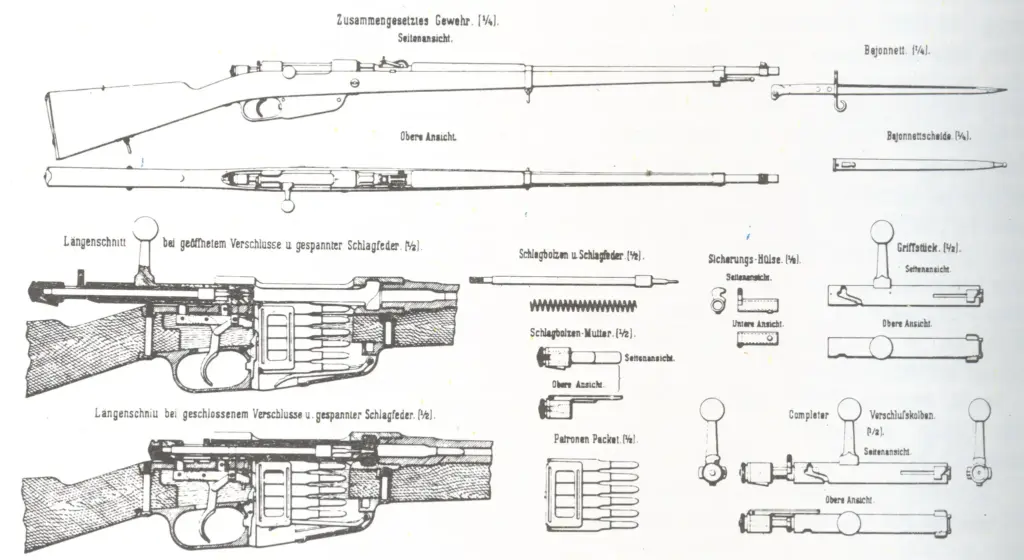
A practical, story-driven guide to the Carcano M91 family. Learn cartridges, gain-twist barrels, WWII production realities, and what import marks can tell you.

From Mike Walker’s 1962 blueprint to present-day RemArms production, here’s how the Remington 700 evolved, which variants matter, how triggers changed, and how to judge real accuracy.
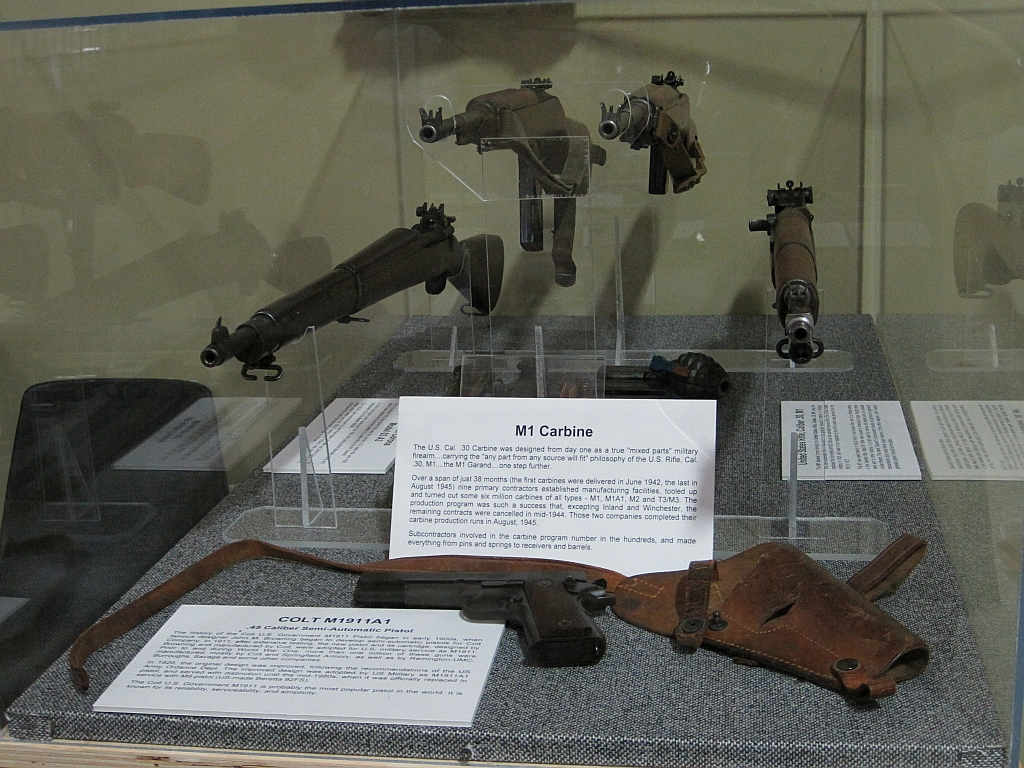
Sorting original U.S. M1911 and M1911A1 pistols from arsenal rebuilds starts with makers, small parts, and telltale marks. Here’s how collectors read the details.
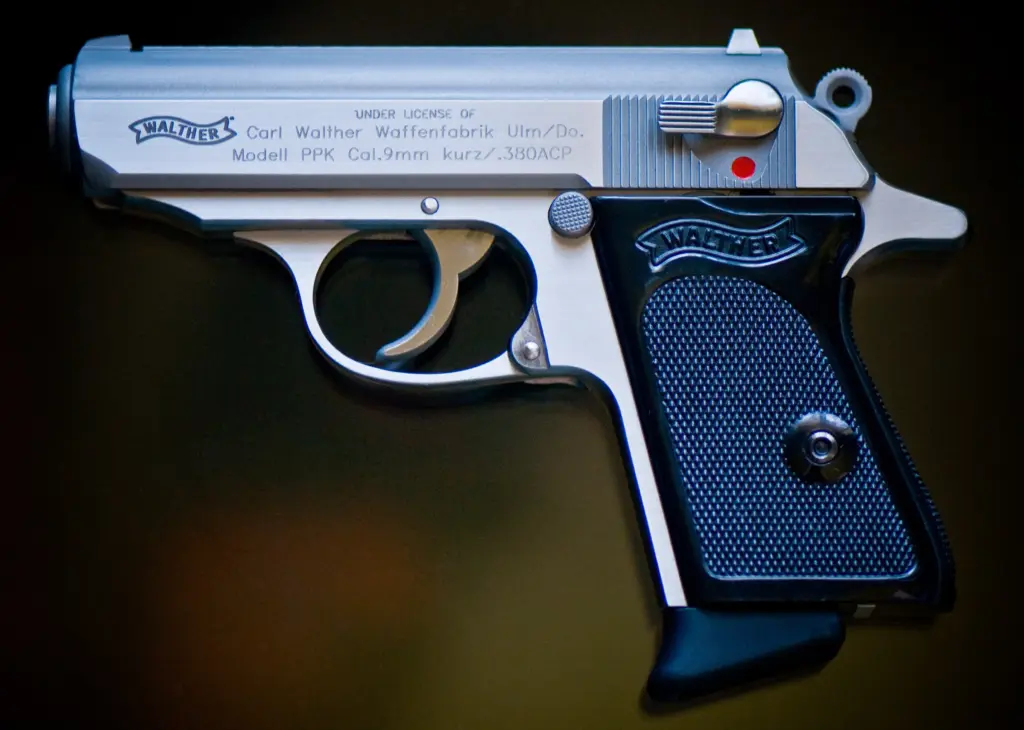
A concise collector guide to reading Walther PP-family pistols by city, proofs, and importer lines, with a quick timeline from Zella-Mehlis to Ulm and U.S. production.
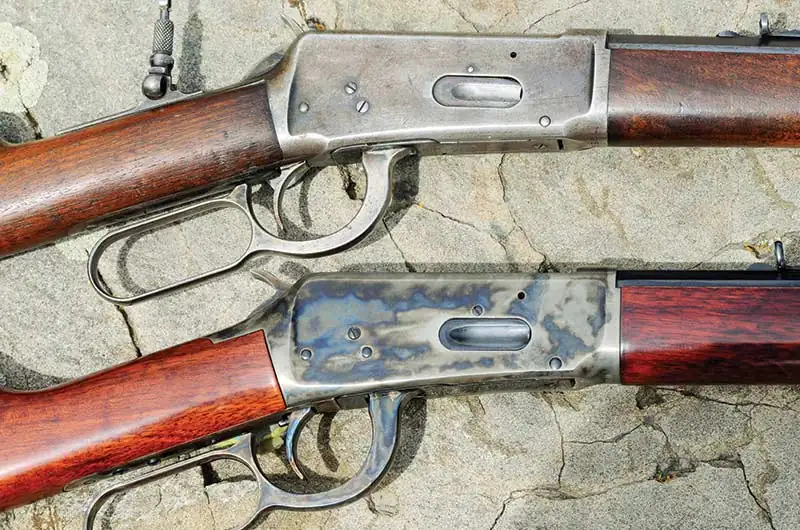
From shop‑rack surprises to walnut‑and‑blue daydreams, here’s a practical, story‑driven guide to understanding and judging Winchester Model 94 carbines new and old.

A practical, table-side guide to the USGI M1 Carbine. Includes the 10 wartime makers with quick tells, Type I/II/III feature timing, stock cartouche and rebuild stamp examples, and simple ways to spot mixmasters without overthinking it.
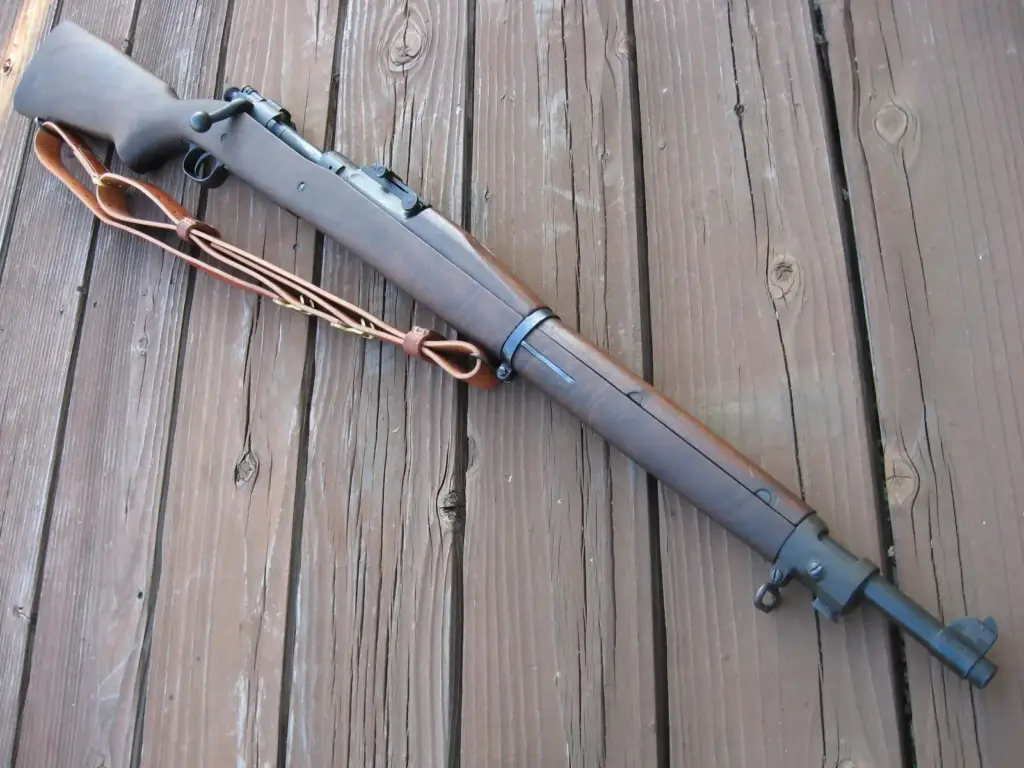
Buying a Springfield M1903 or M1903A3 is more than chasing a serial block. Here’s how to read heat-treat eras, sort A1 and scant stocks, and spot maker-correct parts before you buy.
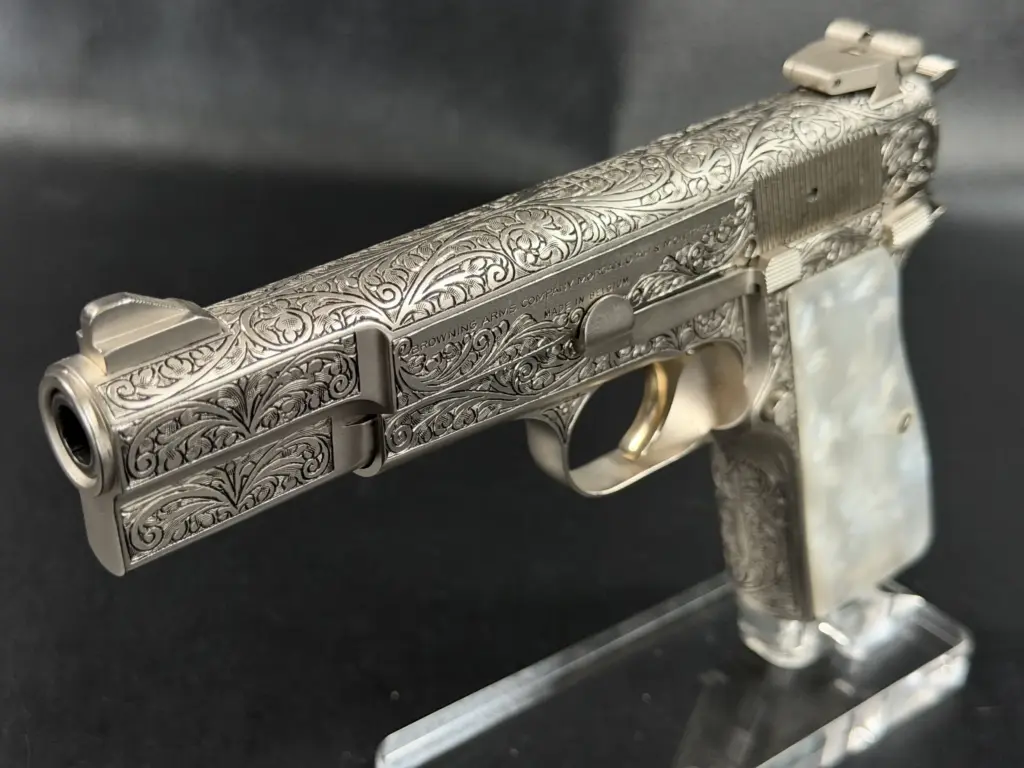
From GP‑35 roots and wartime twists to Canadian Inglis contracts and the later Mk III, here’s a clear, collector‑friendly road map to the Browning Hi‑Power and what separates originals from parts guns and clones.

A practical, collector-focused guide to the Makarov PM with clear tells for Russian, East German, Bulgarian, and Chinese production, how to read East German codes and electropencil marks, and how to grade surplus examples with confidence.
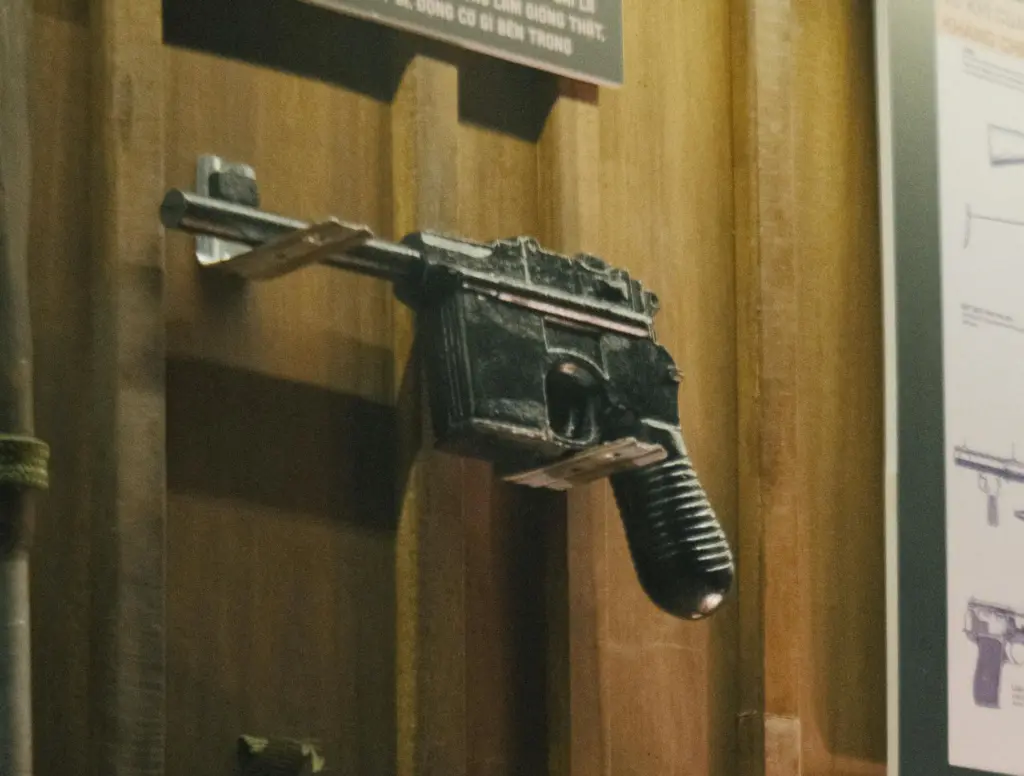
The C96 Broomhandle still stops you at the table. Here is a buyer-focused look at its major variants, what contract markings really tell you, and a clear process for judging condition and originality before you commit.

A focused collector’s guide to the Winchester Model 12 with factory variants and pre-war grades at a glance, what defines the 1993 Classic Traditions Grades I–IV, and the Model 12 specific tells that help you judge originality, condition, and value.

A hands-on, table-side guide to sorting Russian, Chinese, Yugoslavian, Albanian, Romanian and scarcer SKS variants by their markings, bayonets, stocks, and sight details — with practical notes on Chinese factory codes and what to check before you buy.

Cheap trigger time, real-world versatility, and friendly manners keep rimfire handguns relevant. Here is why .22 pistols still matter for buyers and collectors.

Low recoil, low cost, and a whole lot of useful. The humble .22 rifle still makes sense for buyers and collectors because it does things bigger guns struggle to do as easily. Here’s why the rimfire classic keeps its spot in the rack, and what to look for when you’re picking one.