
Remington Model 8 and 81: Browning’s Long Recoil Sporting Rifles
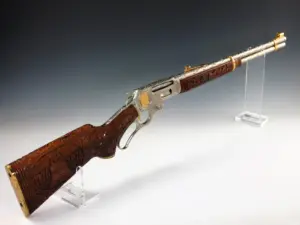
A practical, collector-minded look at Remington’s Model 8 and 81. Calibers, long recoil explained, police conversions, and what to check before you buy.

Call us any time at: (833) 486-6659
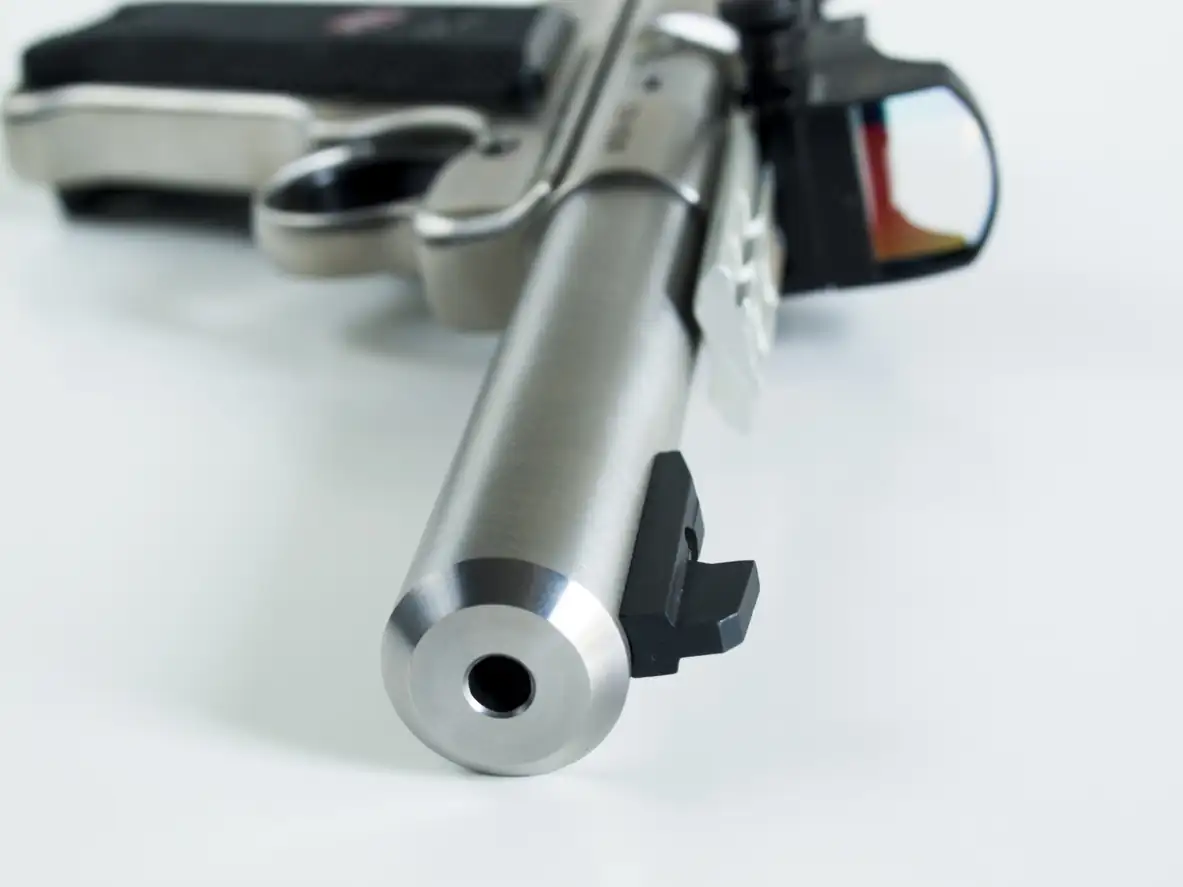
If you shoot long enough, a .22 pistol ends up in the bag. Maybe it was your first handgun. Maybe it rides along for camping trips or saves a range day when the centerfire budget runs thin. However it gets there, the little rimfire keeps earning its spot.
Range plinking, target work, small game, pest control, training, and yes, self-defense in a pinch. The .22 checks more boxes than most cartridges. That broad utility, with mild recoil and report, is why many shooters use their rimfires more than expected.
Availability plays a role, too. In many places, .22 pistols with 10-round magazines remain widely offered and legal. Local rules vary, so always check yours, but for some restrictive environments, a rimfire can be the practical answer.
Most of the time.22 LR ammunition is cheaper and easier to find than popular centerfire loads. Shortages come and go, but over the long haul, rimfire lets you shoot more for less. More rounds mean more invitations for new shooters and more skill-building reps without flinching at cost.
Capacity is another quiet advantage. Many .22 semi-auto pistols start at 10 rounds, and some go higher. Revolvers typically carry 6 to 10. More rounds per load keeps practice focused and the fun going.
A .22 is a fundamentals machine. It lets you grind sight alignment, trigger control, and presentation with far less fatigue and noise. Beginners build confidence. Experienced shooters stack quality repetitions.
Know the limits. Rimfire has very little recoil, so it is not a 1-to-1 stand-in when you push split times or work sight tracking at speed. Trainers have cautioned that going fast on a .22 can hide grip or timing flaws. Use it to polish mechanics, then confirm your speed work with your centerfire.
Many makers offer rimfire versions of their centerfire pistols for just this reason. Matching size and controls increases the transfer.
For everyday outdoors use, a light .22 often beats the big iron you leave at home. A compact 1911-style .22 like the Browning 1911-22 A1 Compact weighs under a pound, carries 10 rounds, and disappears in a pocket or pack. Around camps and back roads, that kind of pistol sees constant use on small tasks and opportunistic targets.
There is a safety angle, too. In some regions, encounters with venomous snakes or obviously rabid critters are rare but real. A handy .22 gives you control without the blast and weight of a larger handgun. Always know what is legal and safe to shoot where you are.
Semi-auto .22 pistols typically offer higher capacity, lighter triggers, and faster reloads. Modern designs run well across common loads, though rimfire’s rimmed cases and dirty ammo can challenge finicky setups.
.22 revolvers avoid feeding quirks and tend to be less sensitive to ammunition variability. Double-action triggers are heavier, which can build discipline. Capacity usually ranges from 6 to 10.
The right choice is the one that matches your purpose and training plan.
Rimfire ignition and bullet construction vary more than centerfire, and .22 ammo is dirty by nature. A few habits keep things smooth:
Some shooters include self-defense in a pinch among a .22’s roles. Others note its limits. Compared to centerfire, rimfire brings more variability and less immediate stopping power. Modern .22 pistols have improved, but many still prefer centerfire for dedicated defense.
If recoil sensitivity, hand strength, or legal limits point you to a .22, approach it with clear eyes. Choose the most reliable pistol and ammunition pairing you can find. Keep it clean and properly lubed. Light recoil helps most people shoot a .22 accurately and make faster follow-up shots, which supports good placement.
Rimfire pistols are woven into American shooting culture. Many families start new shooters on a .22 because the light recoil and low report help people learn without fear. That same friendly character is why a lot of us never let the rimfire leave the collection.
Manufacturers have long offered .22 versions of centerfire pistols for training, and classics like target-oriented High Standards or Colt Woodsman models still make collectors smile. Add current standouts alongside those classics and you have a category that tells a complete story on one safe shelf.
.22 pistols say yes to one more magazine, one more new shooter, and one more afternoon of useful practice. They save money, build confidence, and cover a surprising number of real-world tasks. That is why the little rimfire keeps its place next to the heavy hitters. It gets used.
Available
View Item
Available
View Item
Available
View Item
Available
View Item
Available
View Item
Available
View ItemA practical, collector-minded look at Remington’s Model 8 and 81. Calibers, long recoil explained, police conversions, and what to check before you buy.
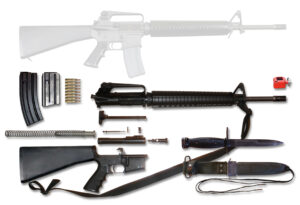
A collector’s look at Colt’s SP1 and early Sporters, from slickside uppers and pencil barrels to the rollmarks and small changes that hinted at the A2 era.
A practical, story-driven guide to reading JM vs REP barrel marks, understanding pre-safety 336s, Micro-Groove and Ballard-style rifling, and the smart checks to make before you buy.