
Remington Model 8 and 81: Browning’s Long Recoil Sporting Rifles
A practical, collector-minded look at Remington’s Model 8 and 81. Calibers, long recoil explained, police conversions, and what to check before you buy.

Call us any time at: (833) 486-6659
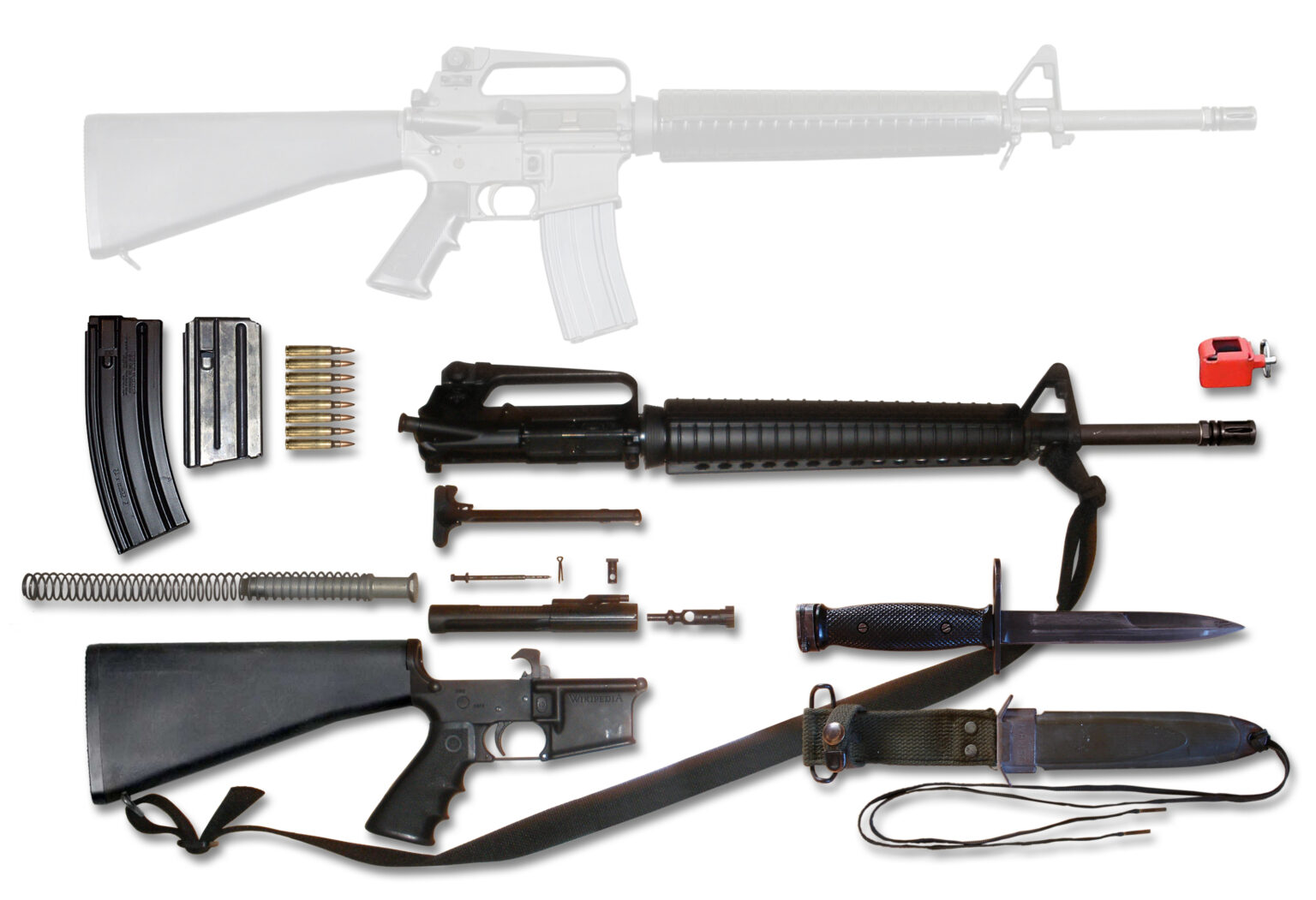
The first time I handled a clean Colt SP1, it was on a pegboard behind a shop counter, sitting quietly between walnut-stocked bolt guns and a lonely .410. No forward assist, no brass deflector, no bulk anywhere it didn’t need to be. It felt lean, almost springy, the way only a true lightweight barrel and early pattern receiver can. The prancing pony rollmark caught the light and you could see the crispness in the letters. It was one of those rifles that reminds you the AR-15 started life as a featherweight concept built for quick handling, not as the blocky, railed creature it later became.
That is the charm of Colt’s early commercial AR-15s. They connect today’s shooters and collectors to the clean lines that launched America’s most discussed rifle pattern. If you’re evaluating an SP1 or an early Sporter, understanding features like slickside uppers, pencil barrels, and period rollmarks will help you separate an honest, lightly handled example from one that has been reworked into a parts salad. And if you’ve ever wondered how A2 elements crept into Colt’s commercial line, you’ll see how small changes added up over time.
When people say SP1, they’re talking about Colt’s early commercial AR-15-pattern rifle commonly sold under the Sporter banner. It was Colt’s way of bringing the basic AR-15 concept to the civilian market. Those early rifles tend to be simple, light, and free of later military features that add both weight and visual clutter. For buyers, that matters because the SP1 experience is different in the hands. These are rifles that come to the shoulder quickly and feel balanced from the first mount.
You’ll see sellers describe rifles as SP1, Sporter, or just early Colt AR-15. The lines blur a bit, which is why smart buyers focus on features. Look for the upper receiver style, the barrel profile, the furniture pattern, and the markings on the lower. That tells you more than any single nickname on a hang tag.
Slickside is a collector’s term. In plain talk, it means an upper receiver without a forward assist and without the later, prominent brass deflector hump. On the right side of the receiver, you’ll see a clean, flat surface behind the ejection port. Up top, the carry handle and rear sight are the simple, early pattern.
Why does that matter? Weight and feel. Without the forward assist housing and deflector, the rifle stays svelte. It also shows the design language of the early AR era, which many people find attractive. If you want a rifle that reflects the original lightweight concept, the slickside upper is the visual and functional signpost that you’re looking at the right thing.
When examining a slickside, check the finish tone on the upper and lower. Early Colts can show slight color differences in the anodizing between receivers. That isn’t necessarily a red flag by itself. You’re looking for consistency in wear patterns, the sharpness of the machining lines, and the absence of modern features that would raise questions.
Pencil barrel is another enthusiast term for a thin, lightweight barrel profile. Pick one up and you understand it right away. The rifle wants to move with you. The nose doesn’t drag. The balance point sits back by the magazine well and it points like a carbine even when it wears a full-length handguard.
If a rifle is claimed to be an early Colt with a pencil barrel, look for the slim profile in front of the front sight base. It should read visually as a thin tube rather than a medium or government contour. Inspect carefully for uniformity from chamber to muzzle. A later-profile barrel installed on an early upper will change the feel and can signal a parts swap somewhere in its life.
Light barrels heat faster than thicker ones. For a buyer who plans to shoot, that simply means letting the rifle cool during extended range sessions. For a collector, it means evaluating the exterior for notes of heat-related finish change near the gas block area. None of those are deal breakers on their own, but they add to the story a rifle tells.
Colt markings are a magnet for the eye. On an SP1 or early Sporter, the left side of the lower receiver is where you linger. You’ll usually see the Colt name, the prancing pony logo, and model language that speaks to the commercial AR-15 identity. Collectors study the shape and depth of that pony and the crispness of the letters. Soft edges can indicate heavy wear, refinishing, or just decades of handling. Sharp, well-defined marks suggest the surface is original.
It’s also worth staring at the selector markings. The trend and font placement can hint at era, and the presence of unusual selector positions on a commercial lower should prompt careful questions. Look for tool marks around the pins, selector, and trigger guard area. Clean, undisturbed anodizing around those spots is a good sign that a lower hasn’t been reworked excessively.
Finish tone tells you plenty. Colt’s anodizing can range slightly, and upper to lower mismatch alone is not a reason to walk away. What you want is integrity: even wear on high spots, no puddling or streaking that might suggest a spray-over, and consistent interior color visible from the magwell or take-down pin holes.
If you enjoy studying rollmarks in general, the habits that help with early ARs are the same ones that apply across Colt’s catalog. The way a logo is struck and how sharp it remains over time can reveal refinishing. For readers who like comparing marks across eras, I touched on that approach in our look at Colt snake guns and their changing finishes and marks.
Stocks, grips, and handguards are the parts you touch, so they’re also the parts most likely to have been replaced. Early rifles are often seen with the old-school triangular handguards, and later commercial rifles more commonly carry round guards. Buttstocks and pistol grips follow similar arcs, with subtle texture and shape differences that, to a practiced eye, can put a rifle in a particular era.
Here’s the catch. Furniture is easy to swap, and many owners did exactly that over the decades. If you’re buying, treat furniture as a supporting clue, not final proof, unless you’re holding a rifle that comes with credible documentation. Pay attention to fitment and color. Period plastic tends to age in a particular way, and wildly different shades between upper and lower handguard halves might point to replacements from a bin more than factory assembly.
Colt’s commercial rifles didn’t jump from the clean SP1 profile to full A2 fittings overnight. Buyers see all kinds of transitional mixes on the market. It is common to encounter rifles that still wear a carry handle upper yet carry handguards, front ends, or small parts that echo the later military style. That’s part of the appeal and part of the challenge when you’re assessing originality.
If you want a sense of what A2 traits look like, you can glance at how modern Colts describe their current carbines. The contemporary CR6920, for example, is listed with an A2-style birdcage flash hider among other features on Colt’s site, a nod to how that pattern became the visual norm over time. You can see that language on Colt’s current rifles page under their MSR family. It’s a handy reference point for what the market thinks of as A2 style today. Colt’s MSR rifles page highlights those modern features.
The takeaway for a buyer is simple. Expect variety. A rifle might be largely early in spirit yet wear one or two later parts, either because of factory variation, service work, or owner preference. Documented originality always carries weight, but a tasteful period-correct replacement that keeps the rifle shootable isn’t a sin either. Judge the rifle in front of you as a whole.
Colt ARs have lived long lives. That means springs get replaced, sights adjusted, and furniture swapped to suit changing tastes. The trick is knowing what matters to you. If you want a true time-capsule SP1, you’ll be stricter. If your goal is a light, early-feeling shooter with honest Colt bones, some replaced parts may be perfectly acceptable.
One practical note for buyers who plan to tinker later: parts compatibility across Colt eras can vary. Things like pin sizes or small detail changes can complicate modern upgrades. That isn’t a bad thing, but it’s a reminder to check the specific rifle you’re eyeing before you start ordering parts for it. Ask the seller, measure if you can, and plan accordingly.
A well kept early Colt is a joy at the range. The balance translates into quick target transitions and easy mounts. At a practical level, keep two things in mind. First, that pencil barrel gets warm quickly if you’re running magazines back to back. Let it cool. It’s not a competition heavy barrel, and it doesn’t want to be treated like one. Second, springs age. If you’re buying a rifle that has sat in a safe since the last century, it may be worth having a competent armorer look it over. Replacing a tired action spring or extractor spring can keep a shooter-grade rifle running happily without changing its character.
Accuracy expectations should match design intent. These rifles were built around lightness and handling. A good example with quality ammunition can surprise you, but the point isn’t to chase benchrest groups. It’s to feel that lively early-AR personality that got so many of us hooked in the first place.
Local laws vary by state and locality. Certain features or configurations may face restrictions where you live. If you’re unsure, consult a qualified source before you buy, and always complete transfers through appropriate channels. It keeps you and the seller out of trouble.
From a safety and care perspective, factory manuals are your friend. Colt provides manuals covering AR-15 semiautomatic rifles and carbines as well as Sporter-series materials. If you pick up an early rifle, taking a quiet evening to skim the relevant manual is time well spent. You’ll find safe handling reminders and basic maintenance guidance that apply across eras. Colt’s manual index is a good starting point. Colt’s manuals page lists current and legacy manuals.
Early Colts wear time in a way that many of us find charming. Shiny spots on the edges of the carry handle, a little lightening on the selector ridge, that smooth feel to the charging handle latch. Those are the touches that separate a rifle with a story from a parts-built clone that looks the part but doesn’t carry the same presence.
Be wary of heavy over-spray or modern coatings on top of anodizing. You’ll often see it pool in corners or display a slightly rubbery look. The inside of the magwell and the takedown pin holes are places where quick refinish jobs tend to reveal themselves. A lightly freckled original finish can be far more desirable than a thick, even modern coat that hides the rifle you actually want.
Original magazines and period slings add charm. They also get lost over decades. Treat accessories as nice-to-have, not make-or-break. If a seller offers a rifle with a period looking mag and sling, examine them too. Many buyers like to set the rifle up with a sling that matches the era, throw in a couple reliable modern magazines for range work, and keep any vintage parts aside to avoid wear.
Collectors love a clean line. Shooters crave balance. Historians enjoy the quiet march of design changes that tell you what a company and a market were thinking. The SP1 and its early Sporter siblings give you all three. You get the origin-story handling, the look that launched a platform, and the subtle signals that later features were on the horizon. Even if your safe already holds a modern carbine with rails and a light, there’s something satisfying about owning the pattern that started it all on the commercial side.
If you’re shopping, be patient and look closely. Let the features speak for the rifle. A slickside upper and a true pencil barrel still turn heads for a reason. The right example doesn’t have to be perfect, but it should be honest. When you shoulder it and the sights float where your eye wants to go, you’ll know you found your SP1 moment too.
Part of the fun is feeling the lineage. If you want a reference point for how far the family has traveled, scan through Colt’s current rifle lineup. The modern catalog shows carbines with familiar features like the A2-style birdcage and other updates that have become standard on today’s rifles. Putting a modern carbine next to an early Sporter at the range is a lesson in how the same DNA can grow in different directions. For a quick window into today’s offerings, Colt’s MSR family page is an easy place to start, and it also underscores just how different the early rifles feel in hand compared to current production.
Whichever way you go, early or modern, keep your expectations grounded, your safety habits sharp, and your curiosity active. The SP1 and its kin reward careful eyes and careful hands, and that’s a big part of their lasting pull.
Available
View Item
Available
View Item
Available
View Item
Available
View Item
Available
View Item
Available
View ItemA practical, collector-minded look at Remington’s Model 8 and 81. Calibers, long recoil explained, police conversions, and what to check before you buy.
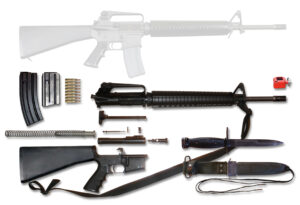
A collector’s look at Colt’s SP1 and early Sporters, from slickside uppers and pencil barrels to the rollmarks and small changes that hinted at the A2 era.

A practical, story-driven guide to reading JM vs REP barrel marks, understanding pre-safety 336s, Micro-Groove and Ballard-style rifling, and the smart checks to make before you buy.