The lathe John Noveske used to chamber barrels in his father's garage in 2001 is, according to the company, still in service at its Grants Pass shop today. That continuity is close to the point. Noveske did not start out building rifles so much as barrels, and the specific machine is part of the story the company still tells about itself twenty-five years on.
Noveske learned to chamber and profile barrels under Chris Dichter at PAC-NOR Barreling in nearby Brookings, Oregon, after leaving the Army. In the fall of 2001, he and his wife Lorina started Noveske Rifleworks on a narrow premise: apply the tolerances and attention normally reserved for custom bolt-action match rifles to the AR-15, a platform then built to loose military-spec tolerances and still carrying reputational baggage from Vietnam-era reliability problems. The timing put the company directly in the path of the post-9/11 buildup. Word of the barrels coming out of a garage in southern Oregon reached special operations units within the company's first few years, and that demand shaped what came next: shorter, lighter, more accurate barrels suited to close-quarters and vehicle-based work.
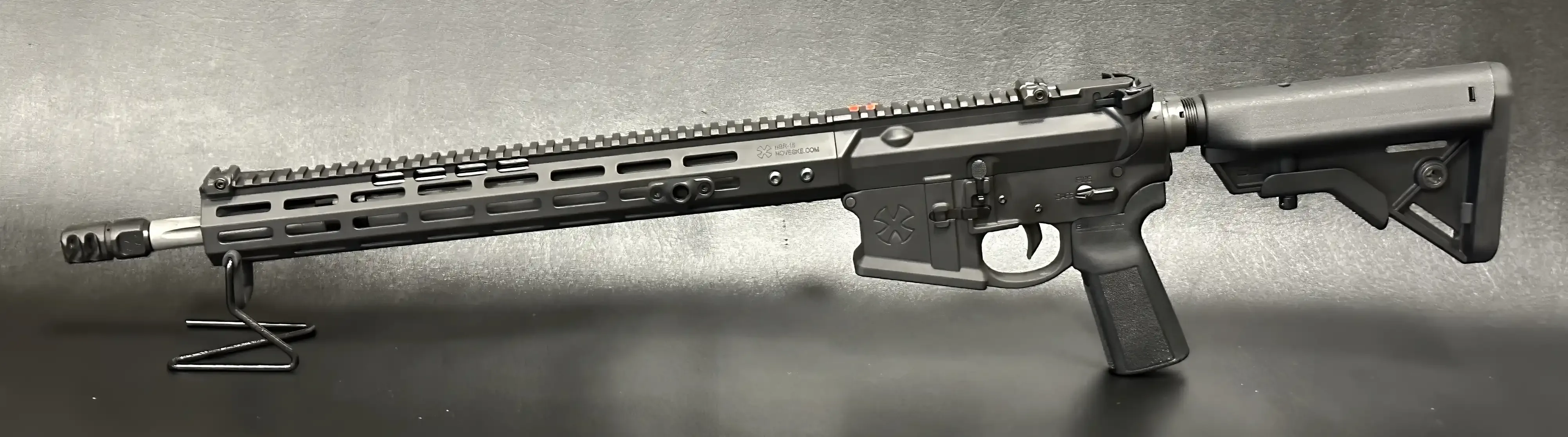
Two decisions from that period define where Noveske sits in AR-15 history. The company was an early advocate for what became .300 AAC Blackout, a cartridge suited to short-barreled, suppressed rifles. And in 2012, working with Eric Kincel at VLTOR Weapon Systems, Noveske released KeyMod, an open-source rail interface intended to replace most Picatinny rails on modern handguards. KeyMod was adopted across the industry and by military users before Magpul's M-LOK became the more common commercial standard a few years later. It is still one of the clearer cases of a small manufacturer setting an interface standard the rest of the market followed.
John Noveske died in a car accident near Grants Pass in January 2013. Lorina Noveske retained ownership of the company and, the following year, brought on outside industry leadership to run daily operations. The barrel-making process did not change under new management: the same chambering methods and, reportedly, the same lathes remained in place. Noveske has also stayed independent. Unlike a number of AR-15 makers folded into larger holding groups over the past decade, it remains a family-owned business with no private equity stake or parent company, a point the company makes directly in its own materials.
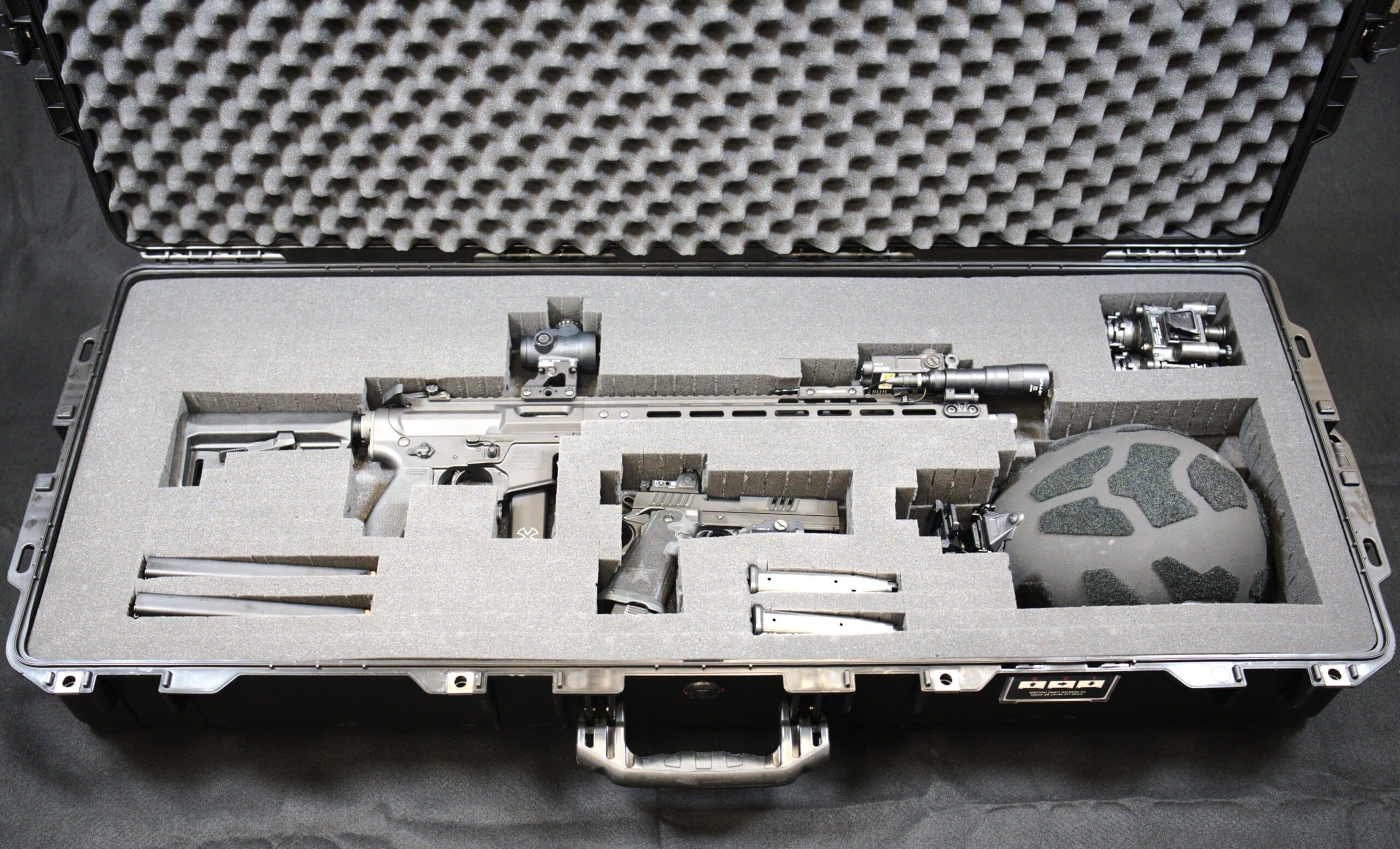
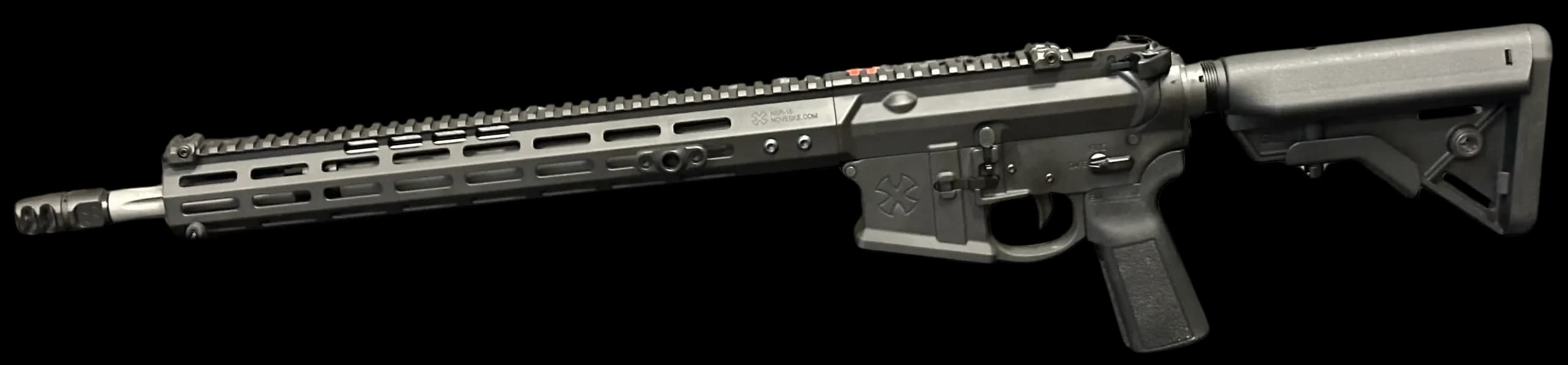
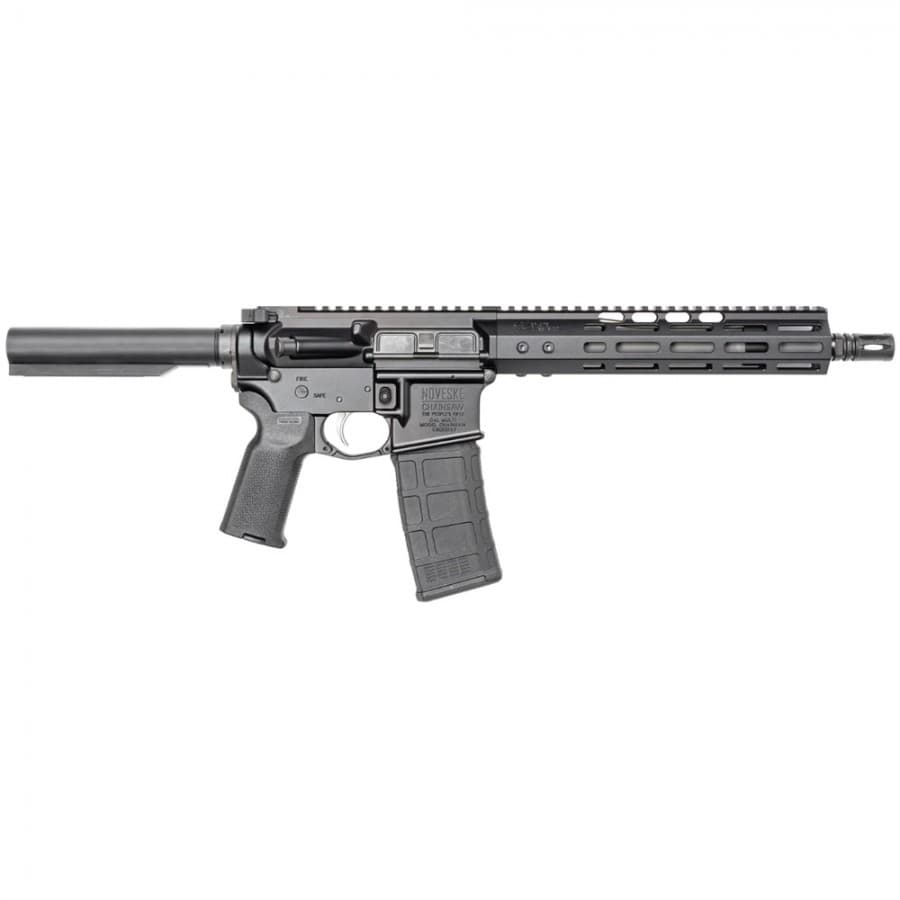
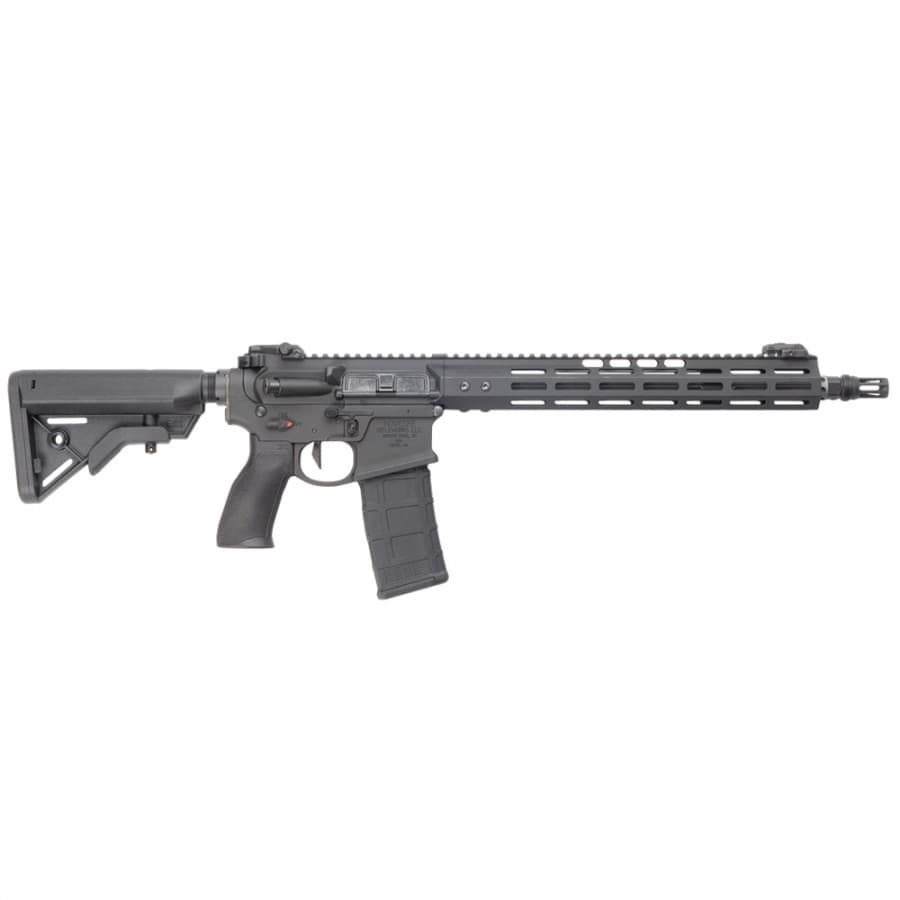
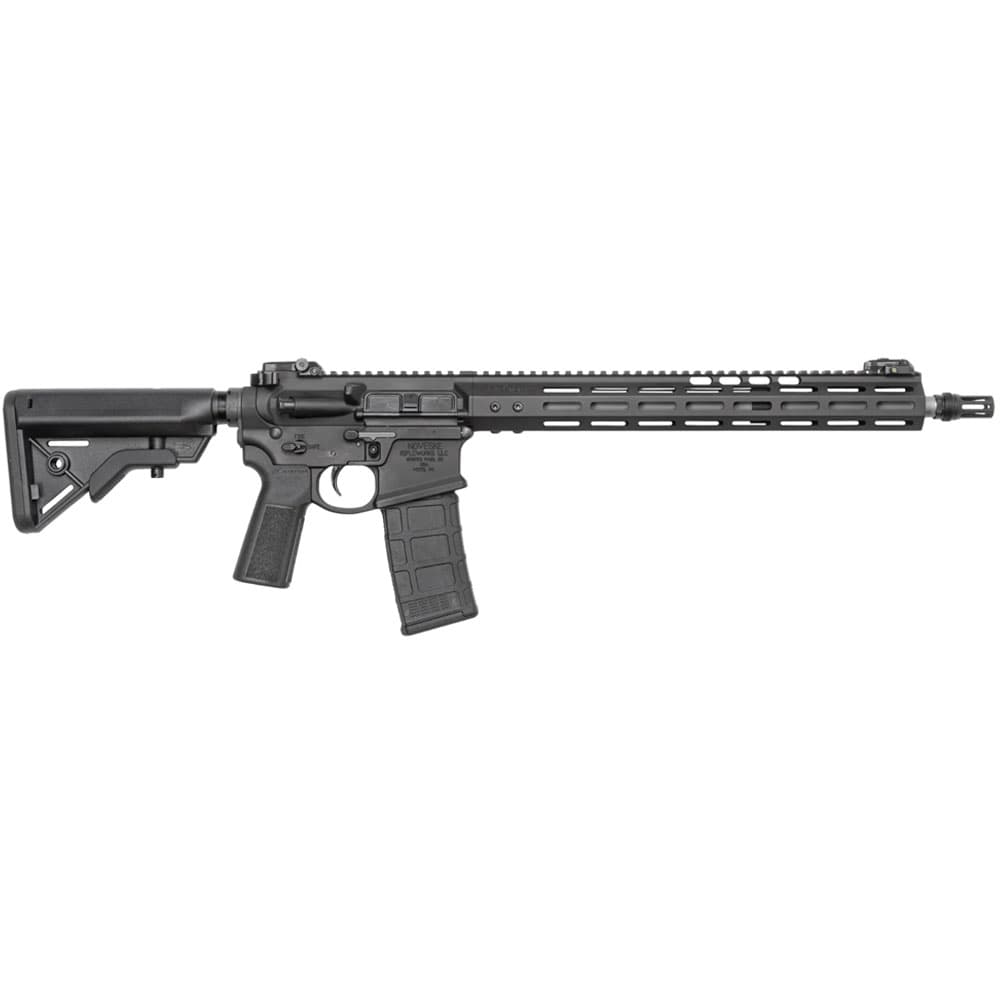
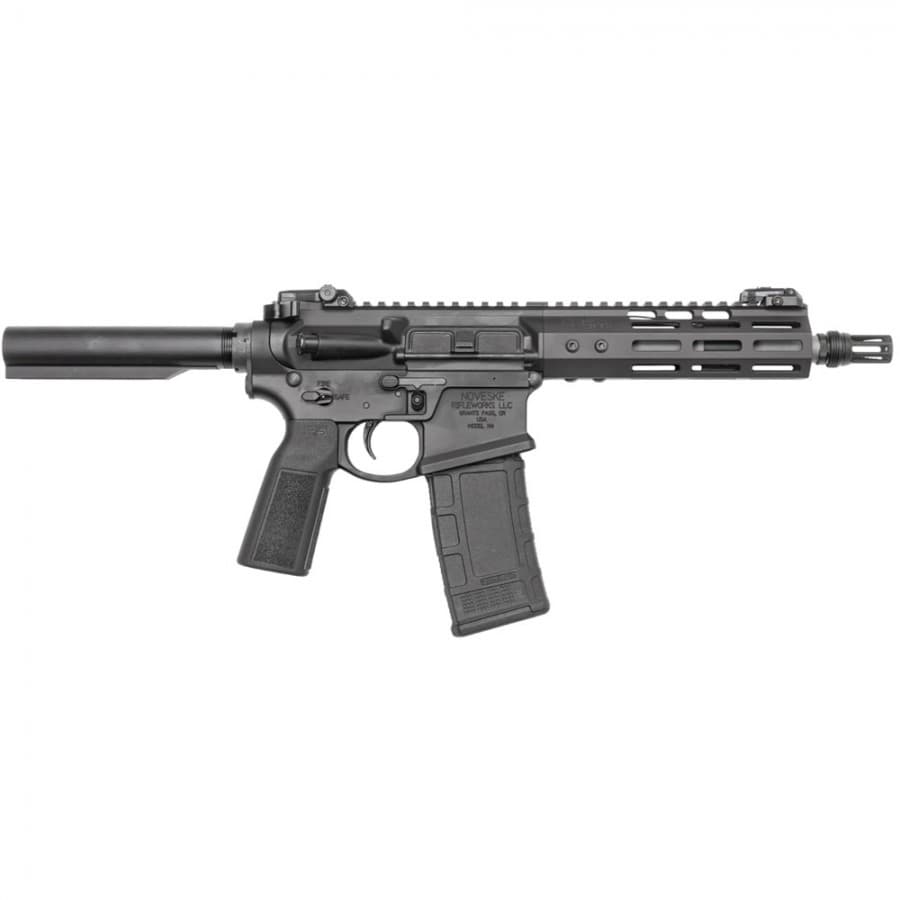
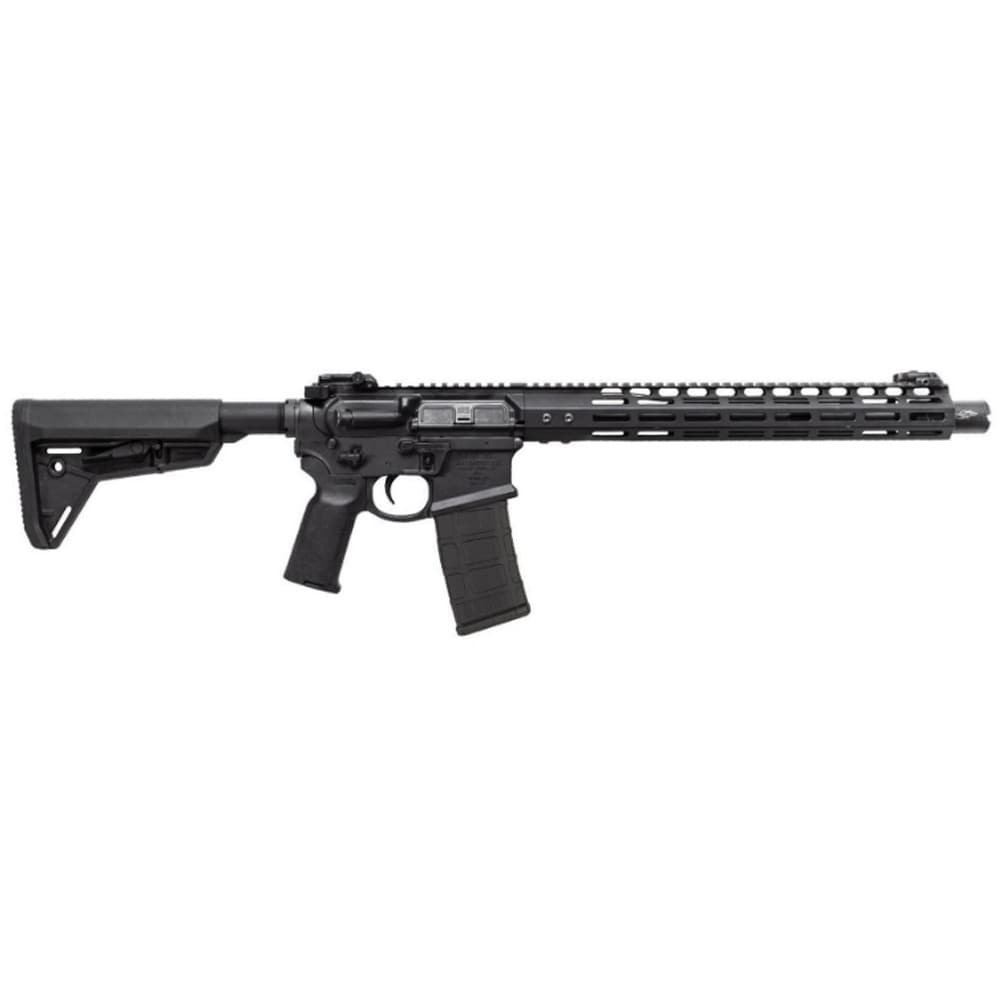
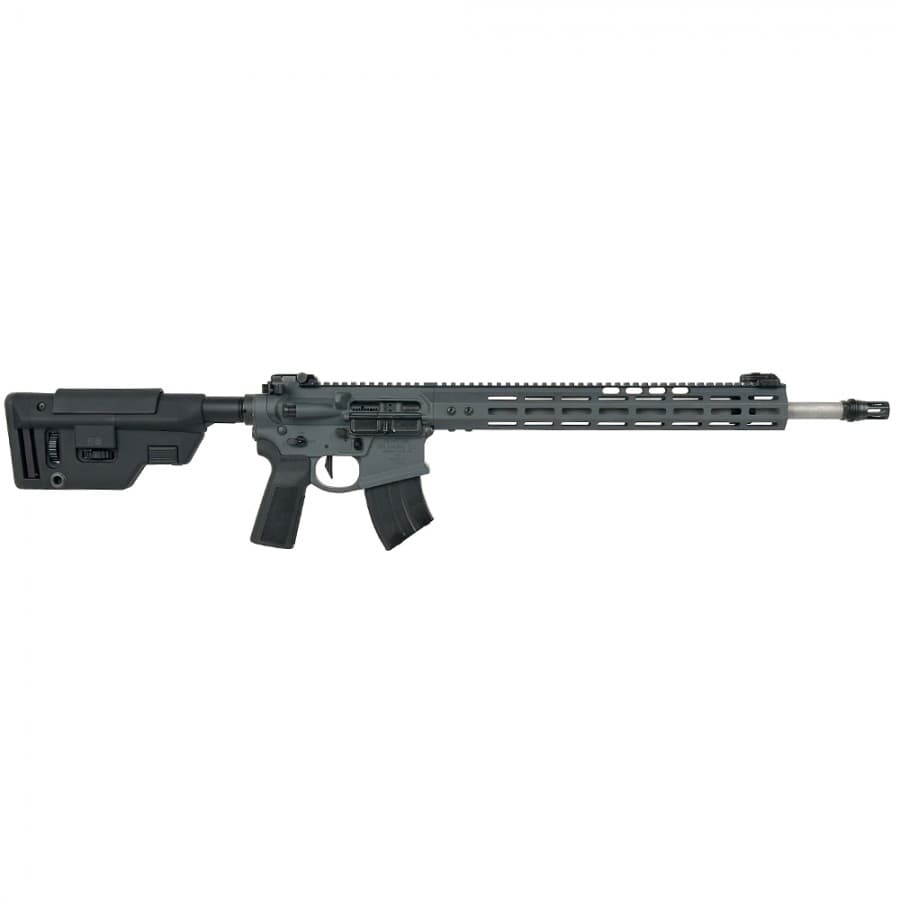
The current catalog is organized around four lines: the original N4 (5.56 NATO/.300 Blackout AR-15), the N6 (7.62 NATO/6.5 Creedmoor AR-10), the N9 (a purpose-built 9mm pistol-caliber carbine), and Chainsaw, a forged-receiver line sold at a lower price than the billet models. Government work has continued alongside the commercial catalog. U.S. Navy procurement records show multiple contracts awarded to Noveske between 2007 and 2020 totaling nearly $4.9 million, several routed through the Naval Surface Warfare Center Crane Division, and in 2021 photographs of Naval Special Warfare personnel training off the Virginia coast showed upper receivers that the defense outlet The War Zone identified as closely matching Noveske's Gen III Shorty upper. In early 2026, the company introduced its fifth-generation platform, the SD-10, built to Department of Defense specifications for suppressed, short-barrel use.
For a collector, Noveske sits at a specific point in AR-15 history: the wave of small, barrel-focused shops that professionalized the platform's accuracy in the years after 2001, several of which fed into special operations procurement before scaling into commercial brands. The rifles have appeared on screen, including in the 2010 film The Expendables. Less happily, a Noveske N4 was among the firearms recovered by investigators after the 2017 Las Vegas shooting, a fact reported at the time and since part of the public record. Neither point defines the brand, but both come up in any thorough account of it.
History & Milestones
Company founded in a Grants Pass garage
John and Lorina Noveske started the company on the premise of bringing match-rifle attention to detail to the AR-15 platform.
N4 rifle line established
The 5.56/.300 Blackout AR-15 line that becomes the core of the catalog enters production, per the company's earliest trademark use.
N6 large-frame line introduced
AR-10 pattern rifle chambered in 7.62 NATO extends the lineup beyond 5.56 for the first time.
KeyMod attachment system released
Developed with VLTOR Weapon Systems and released into the public domain, KeyMod becomes a widely adopted rail standard until M-LOK overtakes it commercially.
Founder John Noveske dies in car accident
Lorina Noveske assumes ownership of the company following her husband's death near Grants Pass.
Outside leadership brought in to run operations
Lorina Noveske hires industry veteran Tim Dillon to serve as president while she retains ownership, keeping the company's chambering process unchanged.
Fourth generation, N9, and Chainsaw all launch
Noveske broadens its catalog in one year with Gen4 rifles, the 9mm N9 pistol-caliber carbine line, and the value-oriented Chainsaw line.
Selected for Army subcompact weapon evaluation
Noveske is one of ten manufacturers invited to submit a design under the Project Manager Soldier Weapons subcompact weapon program.
Rifles identified in Naval Special Warfare training photos
Defense outlet The War Zone identifies upper receivers in published training photos as closely matching Noveske's Gen III Shorty upper.
Fifth-generation SD-10 platform introduced
Noveske unveils the SD-10 at SHOT Show 2026, a suppressor-optimized platform built to Department of Defense specifications.