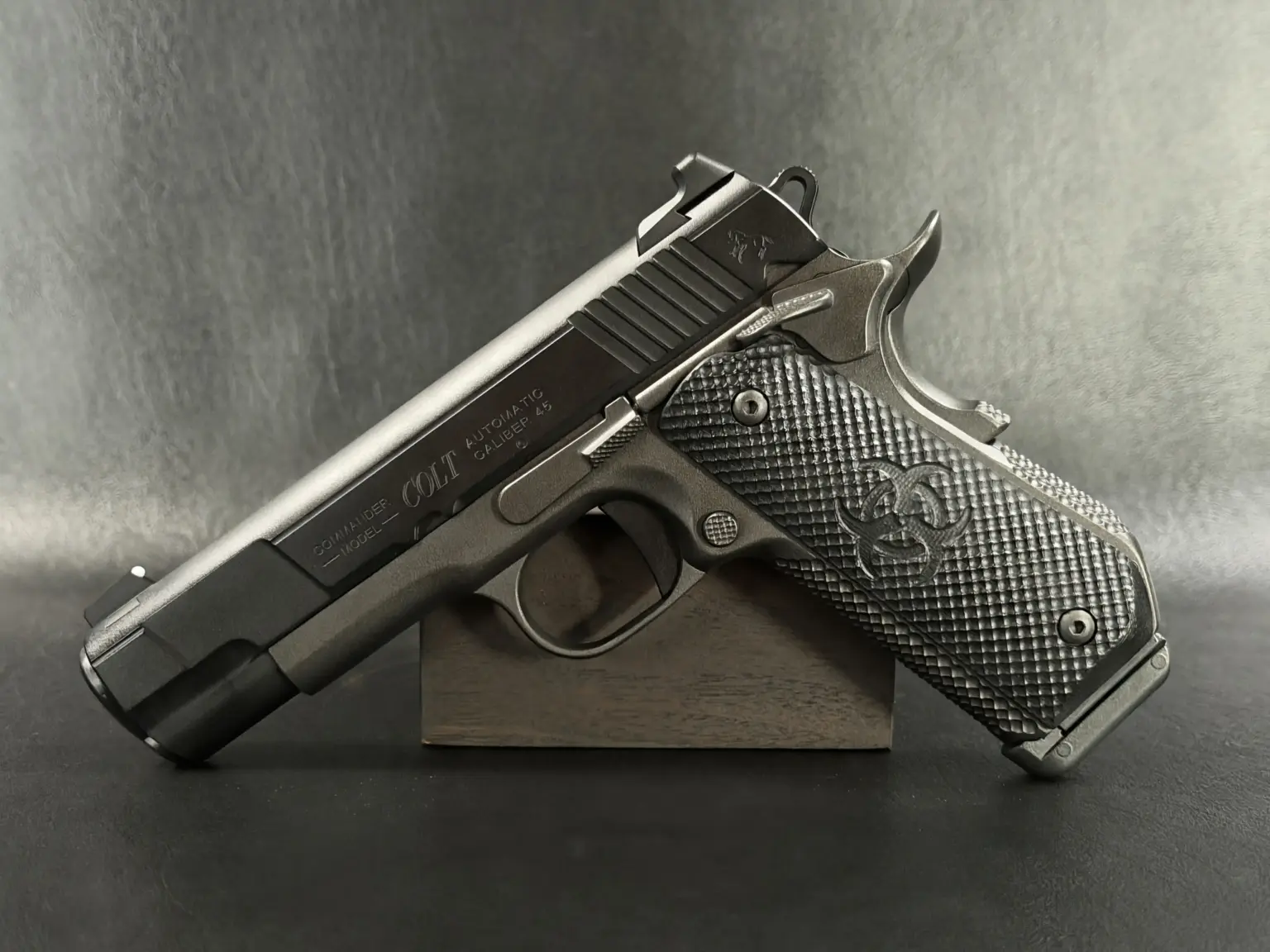
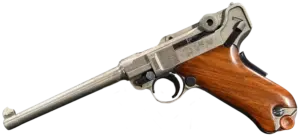
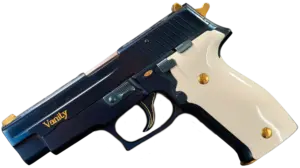
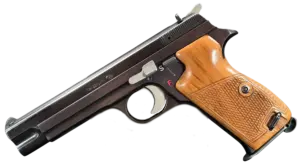
There’s a moment around the third magazine where a full-size steel pistol starts to make its argument. The blast and clatter settle into a rhythm. The front sight stops dancing so much between shots. Groups tighten. You stop thinking about recoil and start seeing hits. If you’ve only spent time with lighter polymer pistols, that feeling can be a little surprising. It’s not magical, and it’s not for everyone, but it is real. That’s why the big, heavy pistols haven’t gone away.
How We Got Here, and Why Some Folks Are Drifting Back
For decades, handguns were metal. Steel frames defined service pistols and sporting pistols alike. Late in the 20th century, high-impact polymers took center stage and changed habits across the board. As LOK Grips put it, Glock’s success pushed the industry and buyers toward light, striker-fired pistols, and today nearly every maker offers a polymer-frame model. Reliability is excellent across the market, aftermarket support is everywhere, and prices can be friendly. No argument there.
But the pendulum has been nudging back. There’s renewed interest in heavier, metal-frame striker-fired guns, especially with competition success to point at. Triggers have improved, parts are plentiful, and companies are machining some very refined steel frames. The Walther PDP Match Steel Frame and Beretta 92X Performance are good examples of that modern trend, and the typical single-action families like the 1911 and CZ-75 continue to be relevant in their own way.
Weight Changes Everything
CrossBreed’s write-up on concealed pistols lists weight, capacity, trigger, action, and recoil as the core considerations, and that’s a clean way to think about it. Weight sits at the center of all of this. It makes the pistol less pleasant to haul around from sunup to sundown, but it makes the pistol more pleasant to shoot.
USA Carry’s perspective is blunt about it: a traditional full-size 1911 Government model can run about 36 ounces unloaded, and that gets noticed by the end of the day. On the other hand, a lighter polymer service pistol can save considerable ounces, which you absolutely feel over daily carry. There’s a reason so many people switched to polymer for everyday use. The weight penalty is real.
On the range, though, that same weight acts like ballast. It tames muzzle rise and softens the recoil impulse, letting you track the sights more easily through strings of fire. As LOK Grips observed from match experience, heavier metal guns can be more forgiving to shoot, helping people clean up transitions and split times. That doesn’t make steel “better” for all shooters or every purpose, but it’s one reason many of us still keep a full-size steel pistol around.
Triggers, Actions, and How Steel Can Feel Different
Part of the steel pistol’s charm is the mechanical feel. Traditional single-action triggers, as you find on many 1911s, remain the reference point for short take-up, crisp breaks, and simple resets. The appeal is both practical and tactile. The gun speaks back through the trigger.
It’s also true that modern striker-fired triggers, including those in metal-framed pistols, have improved dramatically. LOK Grips notes that some striker-fired setups now rival the single-action triggers of the 1911 and CZ-75 families. That’s a strong statement about where the industry has landed. A buyer who wants the benefits of a heavier gun without committing to a cocked-and-locked manual of arms has legitimate choices now.
Action type still matters. If you live and breathe a particular manual of arms, that familiarity is worth more than chasing theoretical advantages. CrossBreed’s point about building and maintaining muscle memory is dead on. If your front sight and trigger press are wired to a specific system, stay there, steel or polymer. If you’re starting fresh or want a dedicated range or home-defense gun, then the trigger and action feel of a full-size steel pistol might be exactly what you’re after.
Steel Where It Makes the Most Sense
Let’s be practical. When does a full-size steel gun shine?
At Home
The biggest argument against steel is the carry weight. Around the house, that’s irrelevant. For a nightstand pistol, the heavier frame’s recoil control and ease of shooting are real assets, and its size allows generous sight radii and full-length accessory rails without compromise. Capacity depends on the pattern, of course, but many modern steel-framed models feed from healthy double-stack magazines.
On the Range and in Training
The more pleasant a pistol is to shoot, the more you’ll train with it. That’s not romance; that’s human nature. Heavy pistols generally make it easier to see skill improvements. They soak up the mistakes a bit, making recoil management less of a wrestling match. If your goal is to build clean fundamentals or run longer practice sessions without fatigue, a steel frame pays you back immediately.
For Competition
Watch a match, and you’ll spot plenty of metal-frame guns. LOK Grips highlights that heavier frames have been thriving on the competition circuit, and it’s not hard to see why. You can bolt on weight to polymer, but mass that’s built in changes how the gun returns from recoil. For many shooters, that yields cleaner sight pictures between shots and steadier transitions. Is it a requirement? Not at all. Top shooters can run anything. But for many people, going heavier raises the performance ceiling.
Carry Considerations: What Changes When the Gun Is Heavy
CrossBreed’s comparison of polymer- and steel-framed pistols emphasizes the need to weigh trade-offs thoughtfully. Here’s the honest take on carrying a full-size steel pistol: you’ll notice it. A solid belt, supportive holster, and careful clothing choices make it possible, but you’ll be aware of the mass throughout your day. USA Carry points out that many carriers appreciate polymer here, and it’s hard to argue if you truly wear the gun for most of your waking hours.
There are exceptions. Some folks carry a steel-framed Commander-size 1911 daily and are perfectly content. Others choose a mid-size metal-framed striker gun and accept the extra ounces because they like how it shoots. Still, if you are the average concealed carrier who wants the simplest maintenance routine and the lightest rig, a polymer-framed pistol remains an easy recommendation, as USA Carry notes. The steel gun doesn’t lose relevance due to that; it just finds its best lane outside of long, everyday carry.
Modern Examples That Make the Case
One recent example that captures the argument neatly is the Walther Q4 Steel Frame. CrossBreed points out that it’s machined from a steel billet, carries 15 rounds, and dispenses with an external manual safety. In other words, it delivers the feel and recoil characteristics of steel with a modern, straightforward manual of arms. That’s a compelling mix for shooters who want a heavy, easy-to-shoot pistol for range or home use, without switching to a traditional single-action system.
Stepping sideways, the CZ-75 family remains a favorite in part because of the blend of ergonomics, steel weight, and a smooth trigger path with very controllable recoil. If you want more on that design’s staying power, we covered it here: Why the CZ 75 Earned Such a Strong Reputation. The point is not to crown a champion, but to show that the formula still resonates with a broad audience.
You can also spot the trend in the performance lines from several makers. Some are building heavier, metal-frame striker-fired pistols specifically for duty-size roles and competition. LOK Grips notes that modern striker triggers in these guns now hang with some classic single-actions, which says a lot about where steel-frame striker designs have landed.
Who Benefits Most From a Full-Size Steel Pistol
- Range-focused shooters who prioritize shootability over carry weight.
- Home-defense buyers who aren’t hauling the pistol all day.
- Competitors who value recoil control and predictable return-to-sight.
- Collectors who appreciate classic ergonomics and mechanical feel.
- Training-focused shooters building fundamentals with a stable platform.
When a Steel Pistol Might Not Fit
- If you carry all day, every day, and want the lightest workable setup.
- If you don’t enjoy regular cleaning or are sensitive to the possibility of surface wear, USA Carry notes that polymer pistols are easy keepers for many people.
- If your holster and belt aren’t up to the job, a heavy pistol will make a weak setup miserable.
What To Look For When You’re Buying
You don’t need a gunsmith’s toolbox to choose wisely. Keep it simple and purposeful.
- Fit in the hand: The front strap radius, beavertail height, and backstrap contour matter more than spec sheets. If possible, handle before you buy.
- Trigger system you’ll train with: Whether it’s single-action, traditional double-action, or striker-fired, pick one manual of arms and build reps.
- Sights and optics support: Full-size steel pistols often have long sight radii; verify the sights work for your eyes and that any optic cut matches your preferred footprint.
- Weight and balance: Two steel guns can feel different depending on where the mass sits. If recoil control is your priority, err on the side of more muzzle weight.
- Magazine availability: Ensure spares are readily available and reliable. Double-check compatibility if you’re crossing variants.
- Parts and holsters: One perk of popular patterns is a deep aftermarket. Confirm holsters and common wear parts are easy to find.
Capacity, Controls, and Safety Systems
CrossBreed’s steel vs polymer comparison highlights action and control differences as real-world factors. Some steel pistols keep classic thumb safeties, some are decocker-driven, and others skip external safeties entirely. None is automatically better. The right system is the one you’ll practice with and run cleanly under stress. That’s the litmus test worth applying to every control surface, from slide stops to magazine releases.
Capacity depends on the pattern. Traditional single-stack 1911s trade capacity for ergonomics and trigger feel. Modern double-stack steel or metal-framed striker pistols typically carry more. The Walther Q4 Steel Frame’s 15-round capacity shows where a lot of these guns land. If capacity is your deciding factor, note that many polymer duty pistols hit similar or higher numbers at lower weight, which is part of why they remain default choices for daily carry.
Recoil Impulse: What You Feel, Not Just What You See
Numbers don’t quite capture recoil. Two 9mm pistols can generate similar muzzle energy but feel different in the hand. Heavier frames pull the recoil curve longer and flatter. Instead of a quick snap, you get a smoother push. Your sights may dip less and return closer to their starting position. That smoother cycle is what helps newer shooters build confidence and lets experienced shooters press faster without losing control. LOK Grips’ match-based perspective lines up with what many of us see in classes and club shoots: heavier guns are forgiving, especially when pressure rises and technique wobbles.
Steel Isn’t Stuck in the Past
It’s easy to fall into the steel-equals-nostalgia trap. The current crop of steel-framed pistols argues otherwise. There are optics-ready slides, modular backstraps, improved coatings, and striker-fired triggers that feel nothing like the spongy units some of us remember. CrossBreed’s example of the Q4 Steel Frame trims away levers and leaves you with a straightforward pistol that happens to be heavy and soft-shooting. That’s not old-fashioned; that’s simply tuned for a different priority than pure carry weight.
Care and Maintenance, Without the Mystique
USA Carry points out that polymer pistols offer advantages in simple, low-effort upkeep for many carriers. That’s true enough, but a steel pistol doesn’t demand a watchmaker’s bench. Keep it lightly lubricated where metal meets metal, wipe it down after range sessions, and check springs on a reasonable schedule. If you live in a humid climate, a light coat of protectant is cheap insurance. The bonus with many steel patterns is that sights, springs, and small parts are broadly available, so staying ahead of wear isn’t hard.
Do You Need One? Maybe Not. Will You Appreciate One? Probably.
The widespread move to polymer happened for good reasons. If you carry many hours a day, lighter weight is worth a lot. If you want minimal maintenance and a huge aftermarket of holsters and accessories, the modern polymer pistol remains a home run. USA Carry makes that case convincingly.
But that story doesn’t cancel the strengths of full-size steel. Heavier pistols remain comfortable and predictable to shoot. They invite longer practice, they calm the sight picture, and they offer trigger experiences that keep shooters coming back. CrossBreed frames the trade-offs cleanly, and LOK Grips’ competition angle explains why so many skilled shooters still reach for metal when performance matters most.
If you’re building a battery that covers carry, training, and home use, a full-size steel pistol earns a spot. It’s the gun you grab for a long class because it helps you learn. It’s the gun that makes you smile on a quiet range day. And it’s the gun that doesn’t feel like work when you plan a few hundred rounds and a timer. That’s not nostalgia speaking. That’s practical experience, repeated across a lot of shooters who’ve tried it both ways.