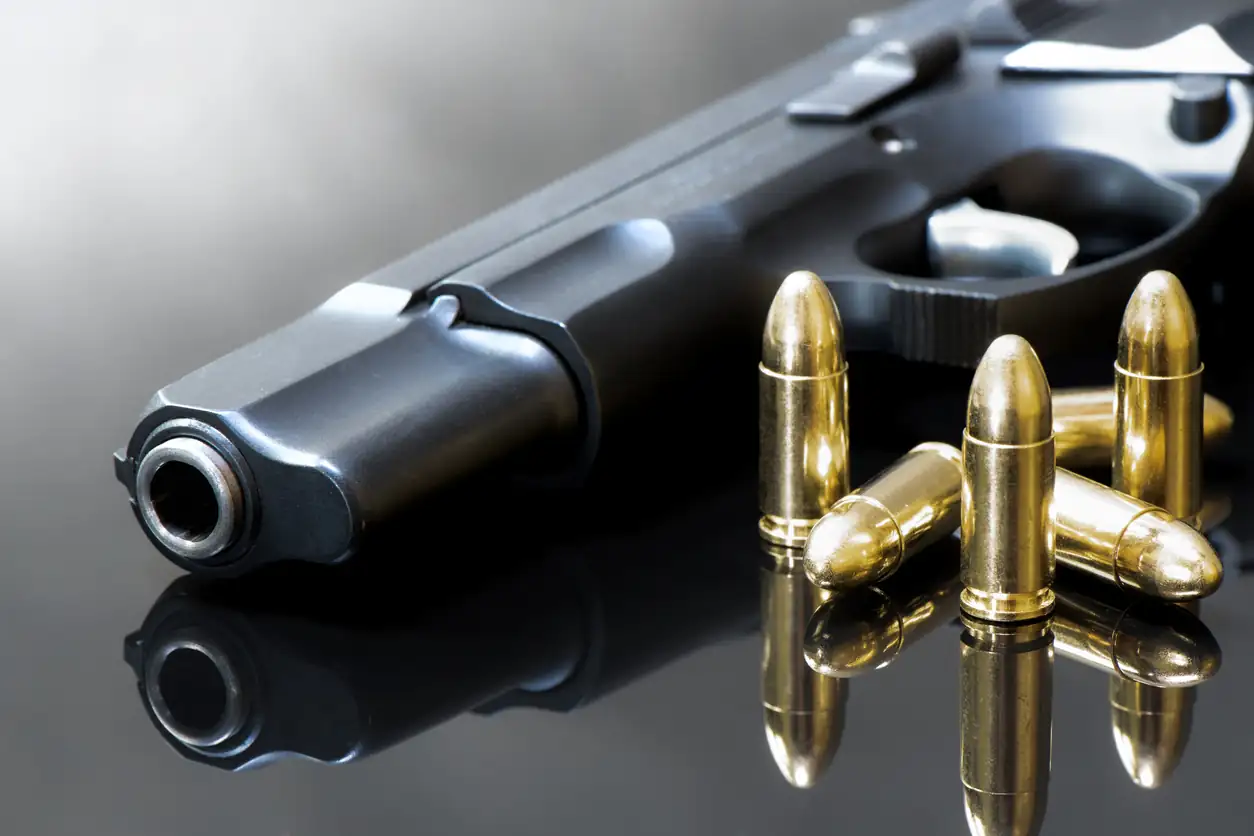
I remember the first time I shook hands with a well-worn CZ 75. The range officer slid it across the counter, shrugging as he’d just handed me another 9mm. The moment I wrapped my grip around that sculpted frame, I knew something was different. The gun sat low, felt steady, and somehow it all made sense. On the firing line, the sights barely lifted, and the hits came easy. When I asked how long that old pistol had been making people look like better shooters than they were, he said, since the 70s. That sounded about right.
There’s a reason the CZ 75 keeps showing up in range stories and on short lists. It isn’t hype, and it isn’t trendy. It’s a design that hit the right notes early and never stopped resonating.
1975, the wonder nine wave, and a Cold War curveball
The CZ 75 debuted in 1975, landing squarely in the so-called wonder nine era, when high-capacity 9mm pistols began to reshape sidearm expectations. Sources that trace the model name to its birth year are clear about that timeline, and they place the 75 alongside other era-defining pistols like the SIG and Beretta contemporaries of the late 70s and early 80s. The twist is where it came from: Czechoslovakia, behind the Iron Curtain. That fact gave the CZ 75 its first layer of mystique and also some validation from voices that mattered. Jeff Cooper, never shy with his opinions, praised the gun’s form and controls, reportedly calling it the best service 9mm of its time and remarking on the irony that it was built where it was. That kind of comment sticks in the mind of shooters and collectors alike.
It wasn’t just the time or the place. The CZ 75 felt like a fresh answer to the new 9mm question. Sources point out that, while it gets compared to other classics, the 75 brought its own mechanics. Czech engineers gave it a locked-breech, angled-cam system and control layout that stood out in a crowded field. The result was a pistol that didn’t feel like a remix so much as a clean track.
What made the CZ 75 feel different in the hand
Talk to people who love the CZ 75 and you hear a common refrain: the grip and the controls just work. That isn’t an accident. The pistol’s double-action first shot and single-action follow-ups, paired with a frame-mounted safety or decocker depending on the variant, give shooters real choices. The geometry encourages a high grip, and the frame’s weight helps steady the sight picture without turning the gun into a brick.
Enthusiasts have praised this for decades, from big-name trainers who liked the ergonomics to forum and range regulars who appreciate that it points naturally. If you’ve ever picked one up next to a polymer service pistol and felt the difference in balance, you know what they’re talking about. A steel frame soaks up motion, and when that weight is paired with the CZ’s low slide profile, the muzzle doesn’t dance much.
The slide-in-frame story and why shooters care
One of the CZ 75’s visual signatures is the way the slide rides inside the frame. You see less slide above the grip compared to a lot of other pistols, and that’s not just for looks. Sources highlight that internal rail setup and the long bearing surfaces. The practical payoff is a lower bore axis and a lightweight, low-profile slide. Many shooters find that combination reduces felt recoil and helps with control during strings of fire.
It also created a look that you can spot across the bay. The CZ 75 has a presence. Slim slide, tall frame rails, and that purposeful stance. People notice it long before they realize what it does on a timer or a target.
Triggers, safeties, and choices: understanding the controls
If you’re new to the platform, here’s the quick sketch. The classic CZ 75 is a DA-SA pistol. That means your first shot can be a longer double-action pull from hammer down, followed by lighter single-action pulls once the slide cycles. The CZ’s internal drawbar system links everything up, and reports point to a single-action pull that feels crisp and clean compared to many service guns of its time. Some variants run a frame-mounted safety that lets you carry cocked and locked for a consistent single-action pull, while others use a decocker that lets you safely lower the hammer for that traditional DA first shot. The 75D, for example, is an aluminum-framed compact with a frame-mounted decocking lever.
This is part of the 75’s draw for buyers. You can pick a variant that lines up with your preferences rather than learning to live with one approach. The platform grew into models like the P-01 compact alloy frame and the well-loved 75 B, each echoing the same core feel with different details.
Accuracy and controllability: real range behavior
Plenty of pistols are accurate off a bench. The CZ 75’s trick is that it feels accurate in your hands. That’s a different thing. Full-length rails and the slide-in-frame layout create a tight, guided cycle that many shooters associate with consistent lockup and on-paper performance. Pair that with the low bore axis and the weight of a steel frame, and you get what a lot of range reports describe as easy recoil management.
One respected review highlighted that all 35-ish ounces of metal make the pistol very controllable, especially with the low slide mass doing its part. I’ve seen that play out in classes where new 9mm shooters suddenly look steadier from shot to shot. The muzzle snaps, then it’s back on the front sight without drama. If you’ve ever fought a wandering sight picture on a lighter gun, you’ll feel the difference here.
Reliability, value, and a chorus of fans
Reputation isn’t built on specs. It’s built on how a gun behaves across thousands of hands. The CZ 75 has collected decades of positive word of mouth. Range-goers and reviewers alike have described it as reliable and accurate, and the platform’s ergonomics have become something of a calling card. In online communities, you’ll see users sum it up with a handful of words: steel framed, reliable, accurate, great ergonomics. There’s also a common sentiment that the 75 family delivers strong value, sometimes comparing favorably to mainstream polymer duty pistols on price.
That last point matters for buyers. Affordability and shootability don’t always share the same room. When they do, the line grows fast. Articles and owner reports have not been shy about calling the CZ 75 one of the better buys in the handgun space, and that perception feeds the legend as much as the design details.
Hi-Power comparisons and design debates
Bring up the CZ 75 in a group of old hands and someone will say it’s basically a double-stack descendant of the Browning Hi-Power. Another will say that’s not quite right. Both views show up in the literature. Some writers trace the 75’s lineage back to European classics like the Hi-Power and SIG P210, while others stress that the CZ 75 was a fresh design that only shares the broad category of a locked-breech 9mm. What’s not up for debate is that the CZ 75’s trigger system and internal linkage produced a sharp single-action pull that earned real praise when people compared it to earlier service pistols.
I don’t think the reputation of the 75 depends on settling that argument. Most shooters aren’t pulling out blueprints. They’re pulling targets. If you like the feel of a Hi-Power but want DA-SA capability, the CZ 75 scratches that itch while being very much its own thing.
A family that grew: 75 B, 75D, P-01, and more
Once a design earns trust, it tends to branch out. The 75 family did just that. The 75 B became the standard-bearer for many shooters, the version you’ll see most often at the range. The 75D compact introduced an aluminum frame and a decocking lever that some carry-focused shooters prefer. The P-01 took that compact alloy concept in a direction that many found ideal for daily use, while staying true to the CZ 75’s balance and control. And for those who like a little more front-end weight and capacity in a steel frame, the extended family includes models that stack up nicely for range and match work.
Owners tend to talk about these pistols as a family for a reason: each shares the same bones. Switch between them and you’ll feel that familiar rail fit, the way the slide tracks low, and the way the grip guides your hands.
Clones, copies, and the spread of an idea
There’s another, less obvious reason the CZ 75’s reputation spread so far: other makers built their own versions. Sources point out that the original design didn’t carry international patent protections the way many Western pistols did, and once the 75 crossed borders, factories in places like Italy, Israel, Turkey, and China produced their takes on the platform. That made the 75 one of the most copied pistols in the world.
When that happens, a few things follow. More shooters get hands-on time with the concept, which reinforces the core design. Spare parts and compatible magazines circulate widely. And collectors end up with a rabbit hole of variants and license-built oddities to chase. All of that magnifies the presence of the original CZ 75 on ranges and in conversations.
Buyer notes: which CZ 75 fits which role
Choosing among CZ 75 variants isn’t complicated once you focus on how you’ll use the gun. Here are simple starting points based on what the sources and owner experiences keep emphasizing.
- If you want the classic feel and maximum recoil control for range work, look hard at the steel-framed full-size models like the 75 B. You get the hallmark weight, the low slide, and the traditional DA-SA setup that earned so much praise.
- If you prioritize carry but still want the 75’s handling, the compact alloy-framed pistols are proven picks. The 75D combines the lighter frame with a frame-mounted decocker. The P-01 shares that alloy compact spirit and has become a favorite for exactly that reason.
- If you appreciate the 75’s ergonomics and trigger but want an even more settled muzzle for fast strings, consider the heavier long-dustcover or extended-family steel variants built with range performance in mind. The family is broad enough that you can find something with the same DNA and slightly different weight distribution.
One more practical tip: think about your preferred manual of arms. If a frame-mounted safety for cocked-and-locked carry feels right, stick with that style. If you prefer a decocker and a DA first shot, the D-suffix compacts and related variants give you that pathway without leaving the CZ 75 experience.
Collector angles without the hype
Collectors gravitate to the CZ 75 for two reasons. First, the Cold War origin story carries real weight. The idea that a world-class service pistol came from behind the Iron Curtain gives it a place on the historical shelf. Second, the clone story spreads the branches wide. You can build a focused collection around Czech-made originals or branch into the international copies that grew out of the platform once it left its home borders.
What I won’t do here is toss out hard numbers for production runs I can’t verify or paint rosy stories about returns. That isn’t the point. The point is that the CZ 75 sits at the crossroads of design, history, and the kind of practical shootability that keeps a pistol relevant for decades. That mix is what makes collectors start clearing space in the safe.
Why the reputation still fits
Reputations fade when they rest on novelty. The CZ 75 doesn’t. Its standing comes from enduring traits that shooters notice the moment the sights settle and the press breaks. The low-riding slide. The way the frame guides the hand. The choice of DA-SA or safety-first manuals that match how people actually carry and train. The steel weight that tames motion without turning the gun into something you dread holstering. And the breadth of the family, from the classic 75 B to the compact alloy 75D and P-01, that lets different shooters land in the same neighborhood with different addresses.
Sources across the spectrum echo the same themes. Big-name trainers praised the ergonomics decades ago. Enthusiasts still call it reliable, accurate, and easy to shoot. Writers point to the slide-in-frame layout and full-length rails when they explain the on-target performance. Reviewers note the controllability that makes the pistol friendly for newer shooters, not just experts. Range officers have seen countless owners build confidence one magazine at a time. It all adds up.
And then there’s the quiet part. The CZ 75 has never relied on flash to earn its place. It was introduced in 1975 with little fanfare in the West. It slipped across borders through copies and word of mouth. It made believers out of trainers who were hard to impress. Today, it remains a steady recommendation that feels as natural in a buyer’s short list as it does in a collector’s narrative.
If you’ve ever wondered why people speak about the CZ 75 with a little more warmth than the usual spec-sheet talk, borrow one at the range and watch your sights. That first magazine will answer most of your questions better than this article ever could. The rest of the story is history, and the history, in this case, still shoots back to the same point of aim.
Notes on sources used: Public-facing writeups and community discussions reinforce the points above. A Combat Handguns post underscored the 1975 debut and CZ’s broader reputation for quality. Cheaper Than Dirt’s history piece and model overviews highlighted the Cold War origin, Jeff Cooper’s praise, and the design’s locked-breech cam system, DA first-shot trigger with an internal drawbar, and the strong single-action feel. Owner communities and reviewers like Gun University expanded on the slide-in-frame layout, low bore axis, controllability, and the spread of clones once the design escaped patent coverage. Forum conversations captured the everyday user language around accuracy, ergonomics, and value, which aligns with what many of us see on the firing line.