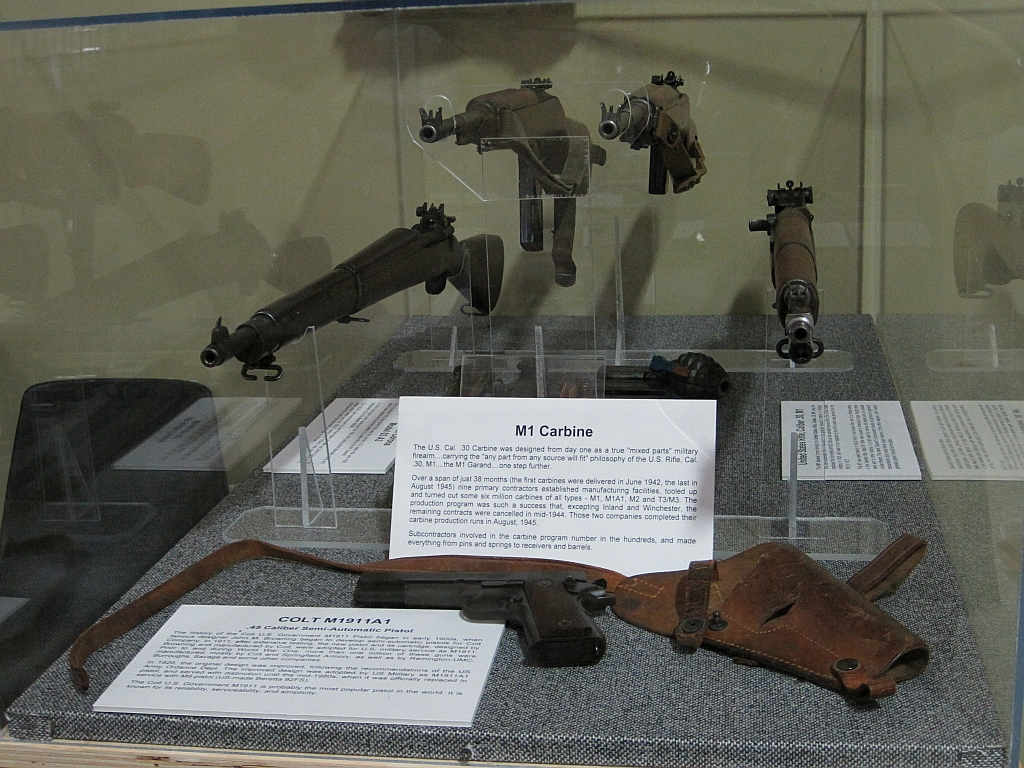
Sorting original U.S. M1911 and M1911A1 pistols from arsenal rebuilds starts with makers, small parts, and telltale marks. Here’s how collectors read the details.
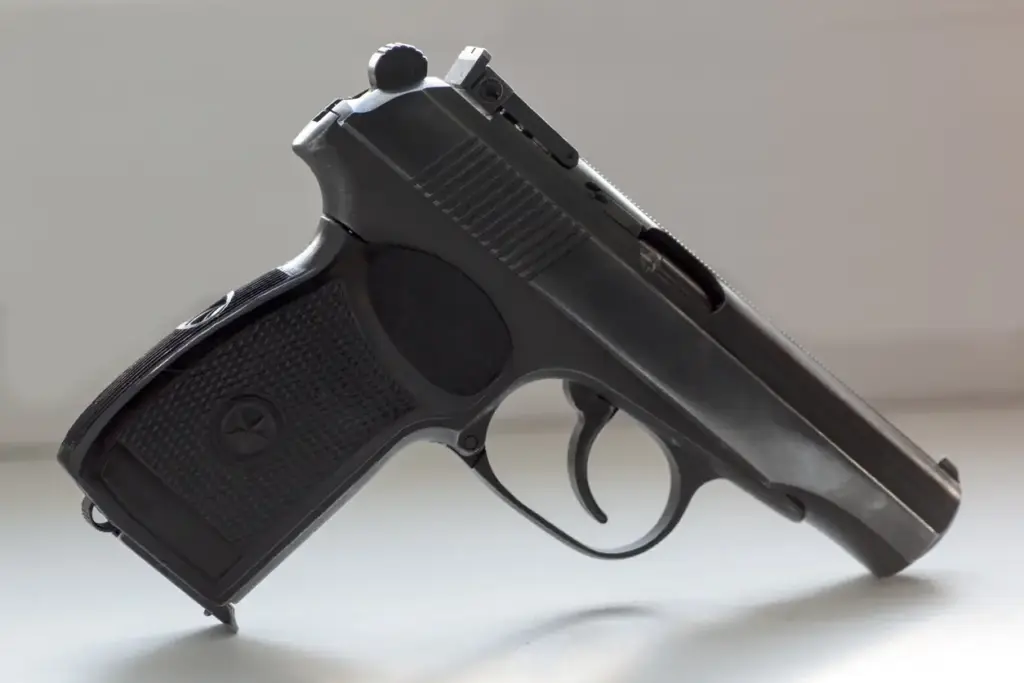
A practical, collector-focused guide to the Makarov PM with clear tells for Russian, East German, Bulgarian, and Chinese production, how to read East German codes and electropencil marks, and how to grade surplus examples with confidence.
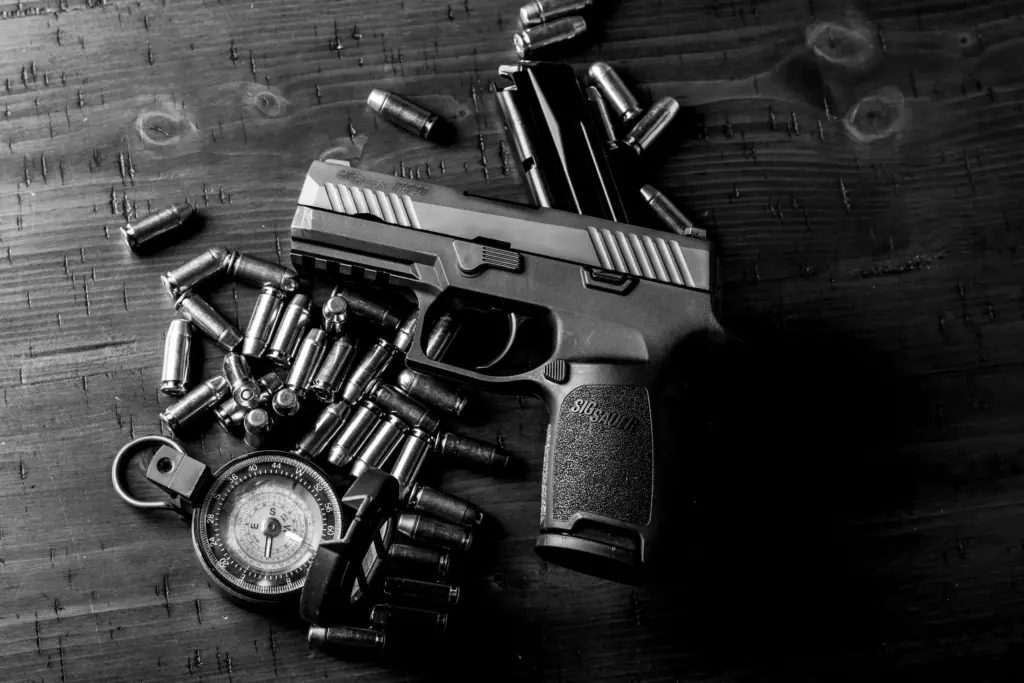
From flint and wheellocks to polymer frames and red dot-ready slides, service pistols have changed because technology, tactics, and training kept changing. Here’s how that story unfolds, and what it means for buyers and collectors today.
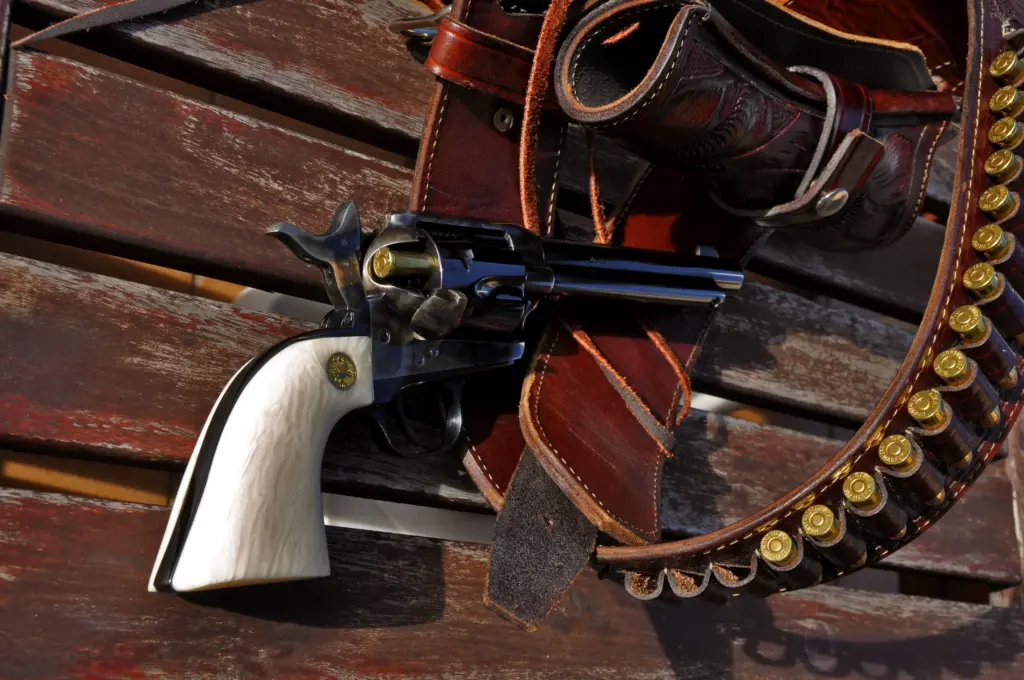
From camp gun to trainer to collectible oddball, the humble rimfire revolver keeps finding work. Here’s why shooters and collectors still make room for one.
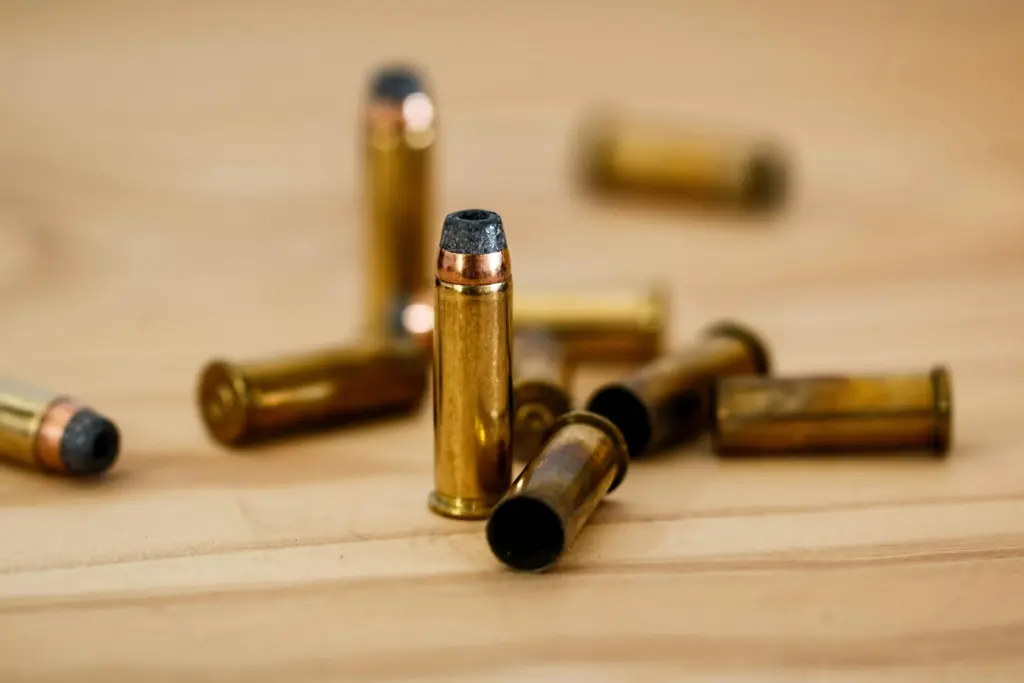
Rimfire pistols are far more than plinkers. From cheaper reps that sharpen real skills to serious competition and field utility, .22 LR handguns still earn their spot in the range bag for buyers and collectors alike.
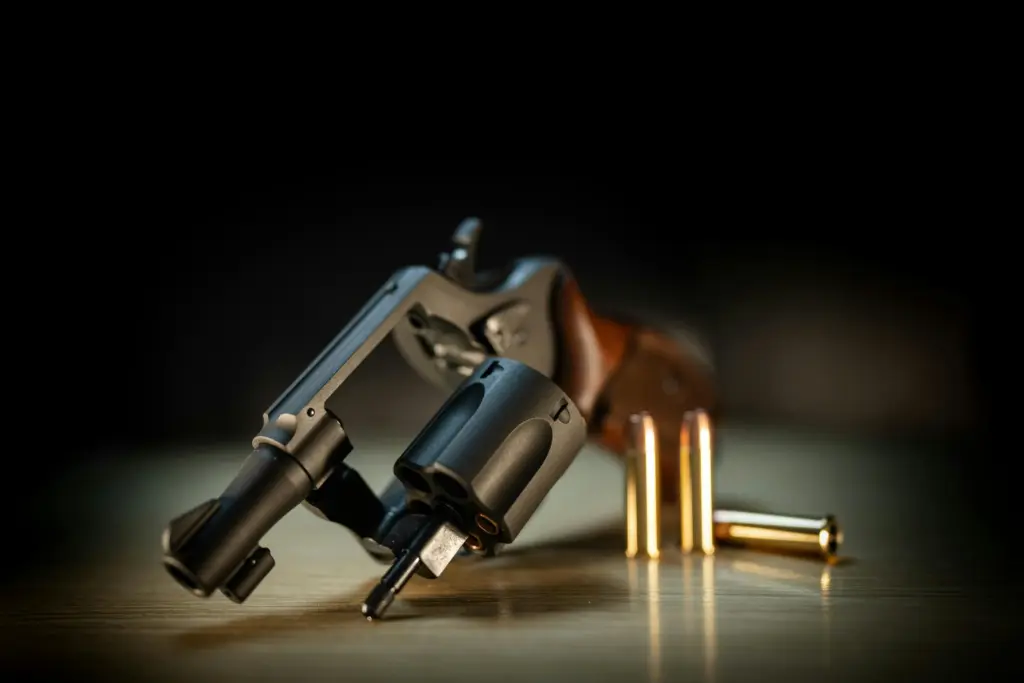
More than a century after their debut, K-frame revolvers still hit a sweet spot of size, shootability, and proven reliability. Here’s why buyers and collectors keep coming back, plus practical notes on models, loads, and what to check on a used example.
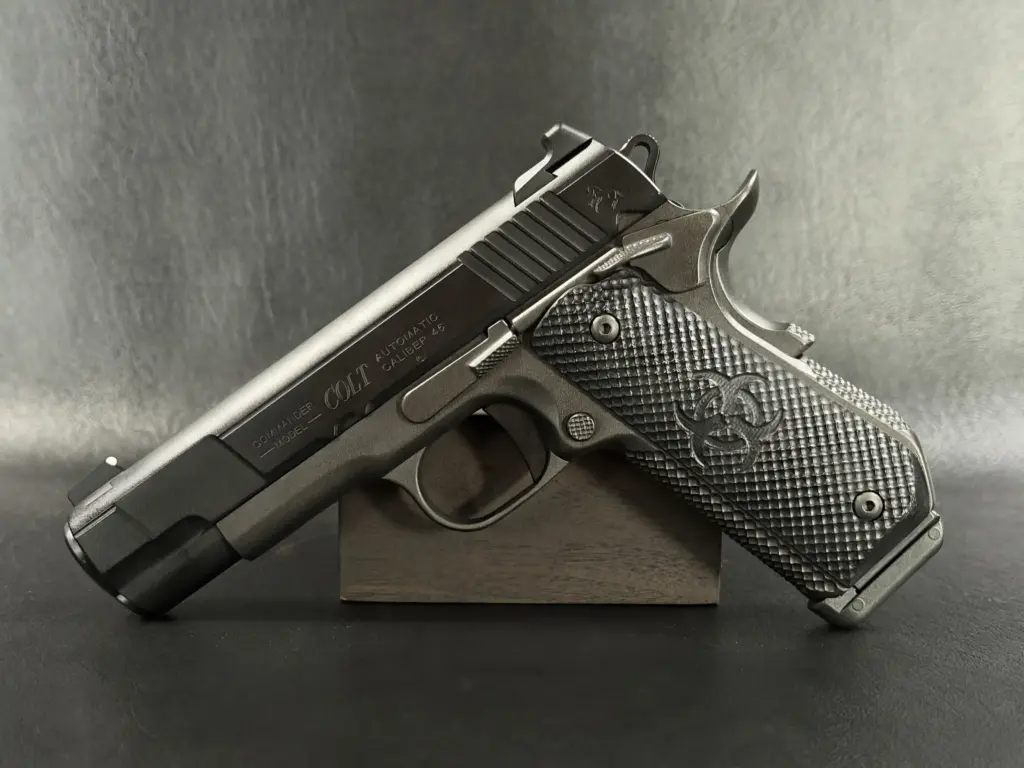
Weight, recoil control, and shootability keep full-size steel pistols relevant alongside polymer. Here’s a practical, collector-friendly look at why the heavyweights still matter, and when they actually make the most sense.
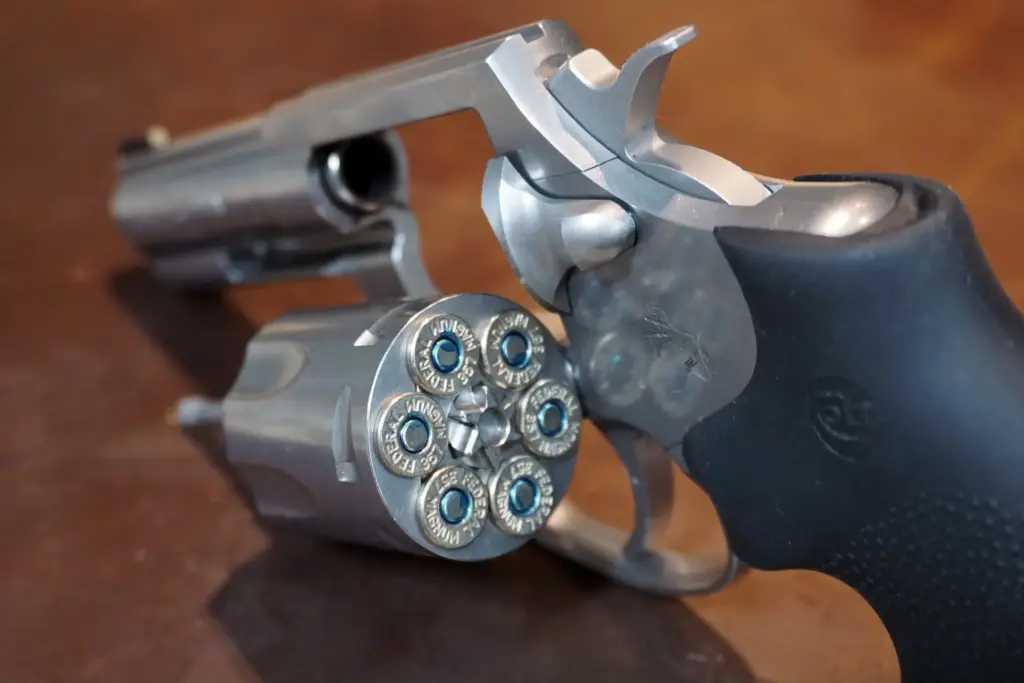
Semi-autos won the capacity race, but wheelguns never left the stage. From real-world reliability and simple controls to hunting power and old-school charm, here is why revolvers still speak to buyers and collectors.
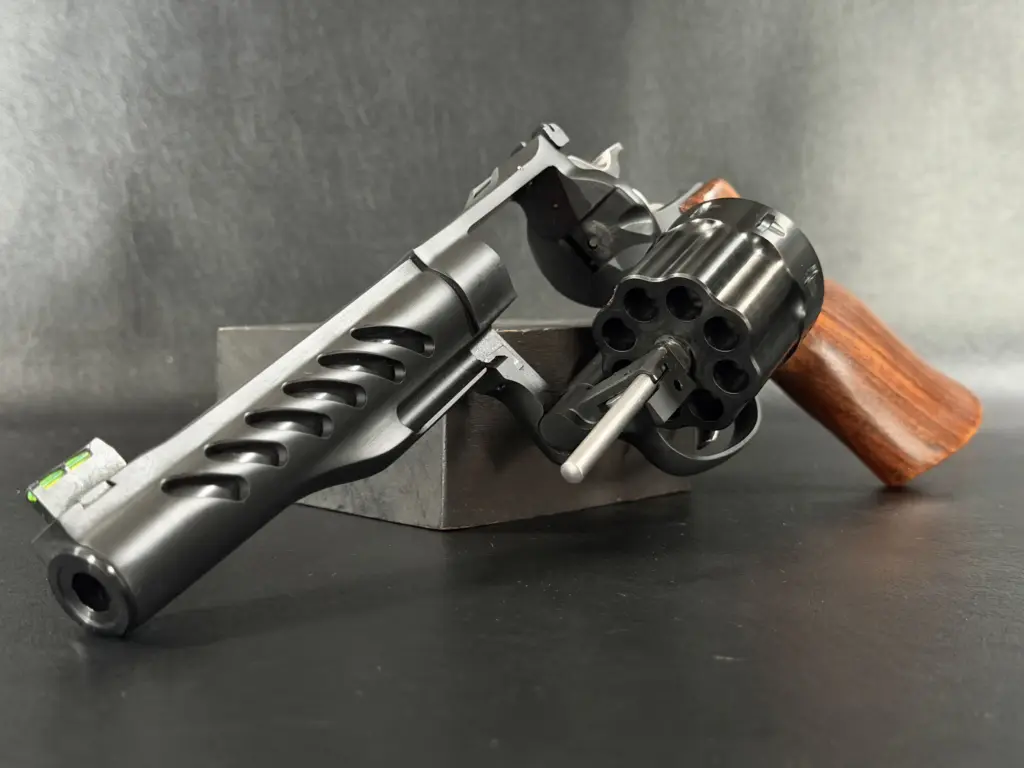
From trail-to-town workhorse to range-day favorite, the Ruger GP100 earned its reputation the hard way: by being built tough, shooting straight, and staying fixable. Here’s why the old-school wheelgun still commands modern respect.
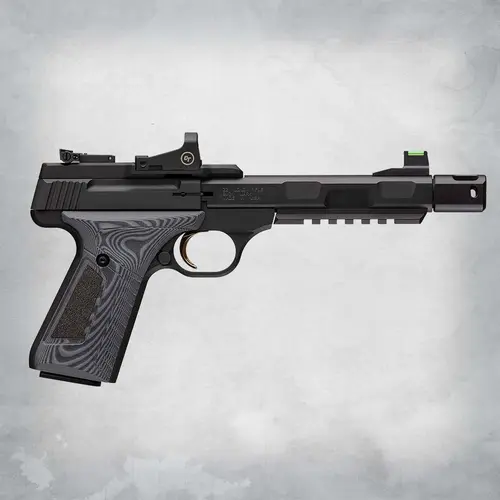
Born in 1985 but with roots that reach back to John Browning’s early rimfire work, the Buck Mark keeps winning over new shooters and longtime hands with accuracy, easy manners, and a platform that just works.
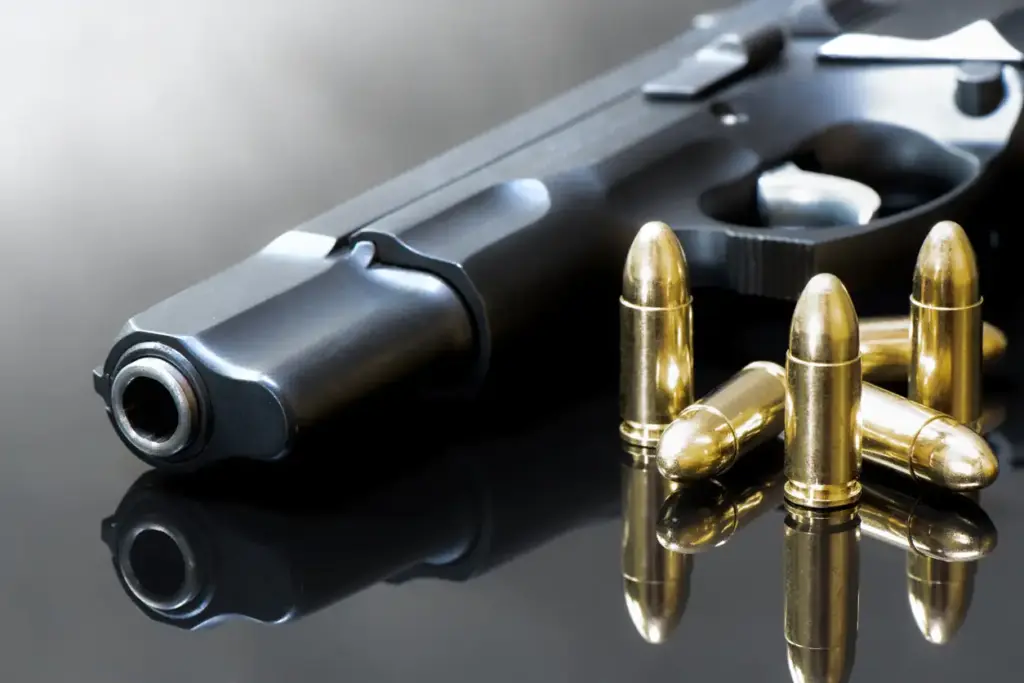
Born in 1975 and built behind the Iron Curtain, the CZ 75 didn’t just survive the wonder nine era — it quietly set a standard. Here’s how a steel-framed Czech pistol won over shooters, buyers, and collectors.
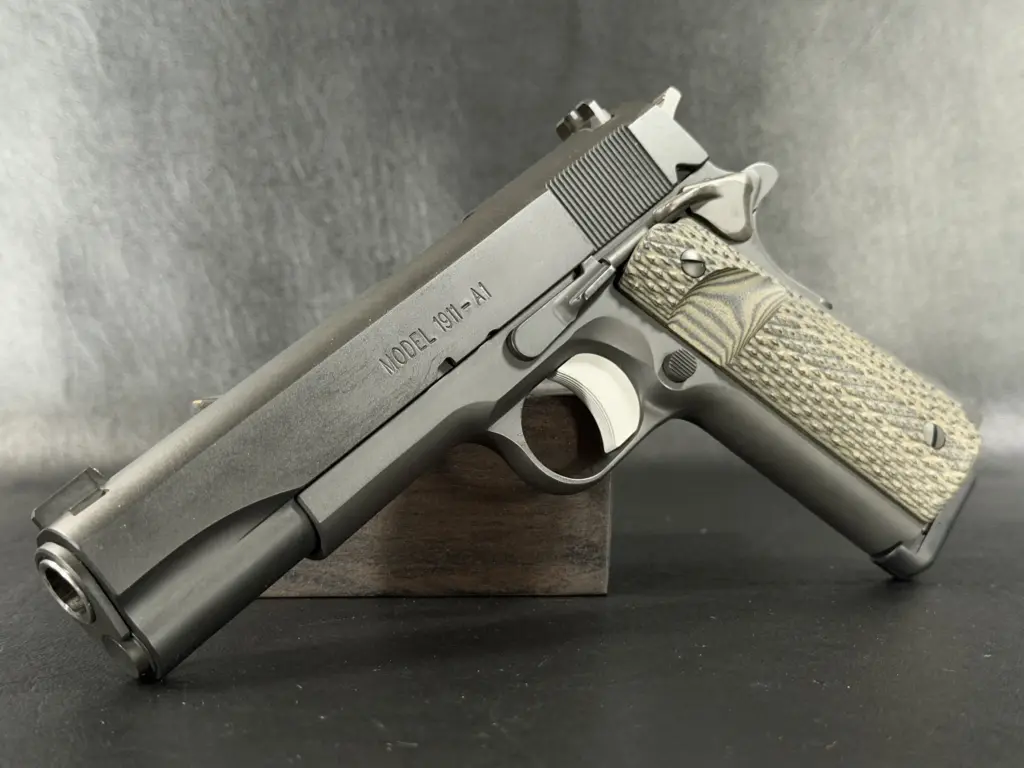
From muddy trenches to Camp Perry podiums and custom shop benches, the Colt 1911 grew from a government sidearm into a culture-spanning platform with a life of its own.
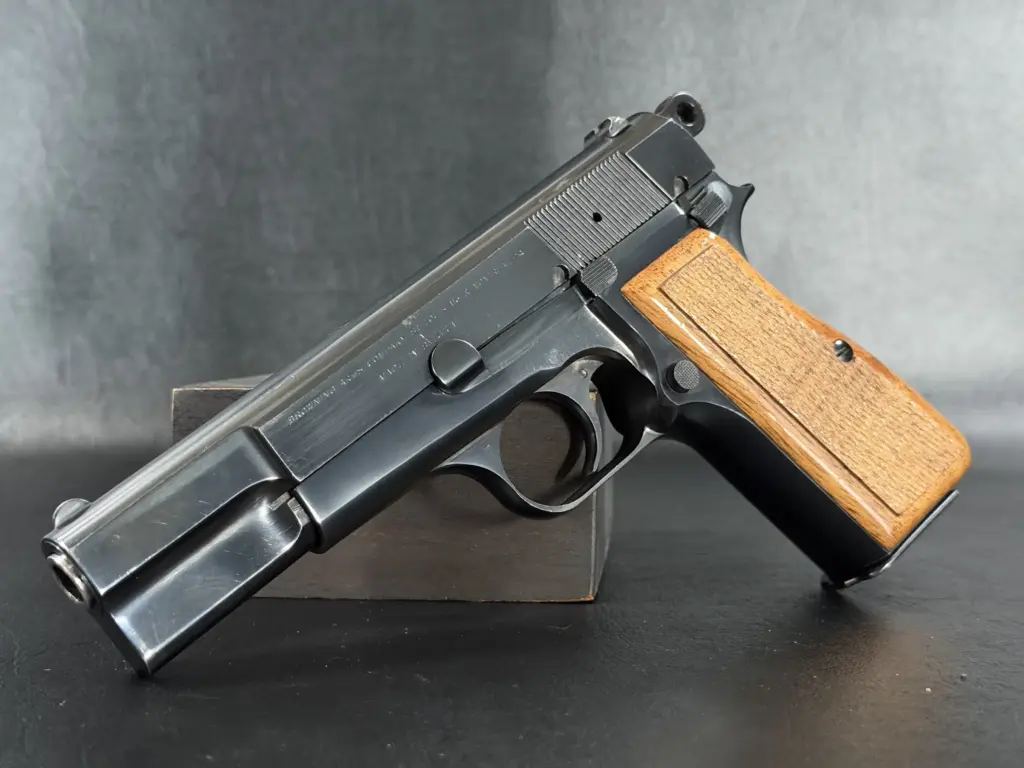
From its double-stack magazine to a control layout many of us still use by feel, the Browning Hi-Power quietly set the pattern for modern service pistols. Here is how it happened and what it means for buyers and collectors.