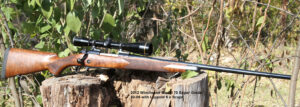

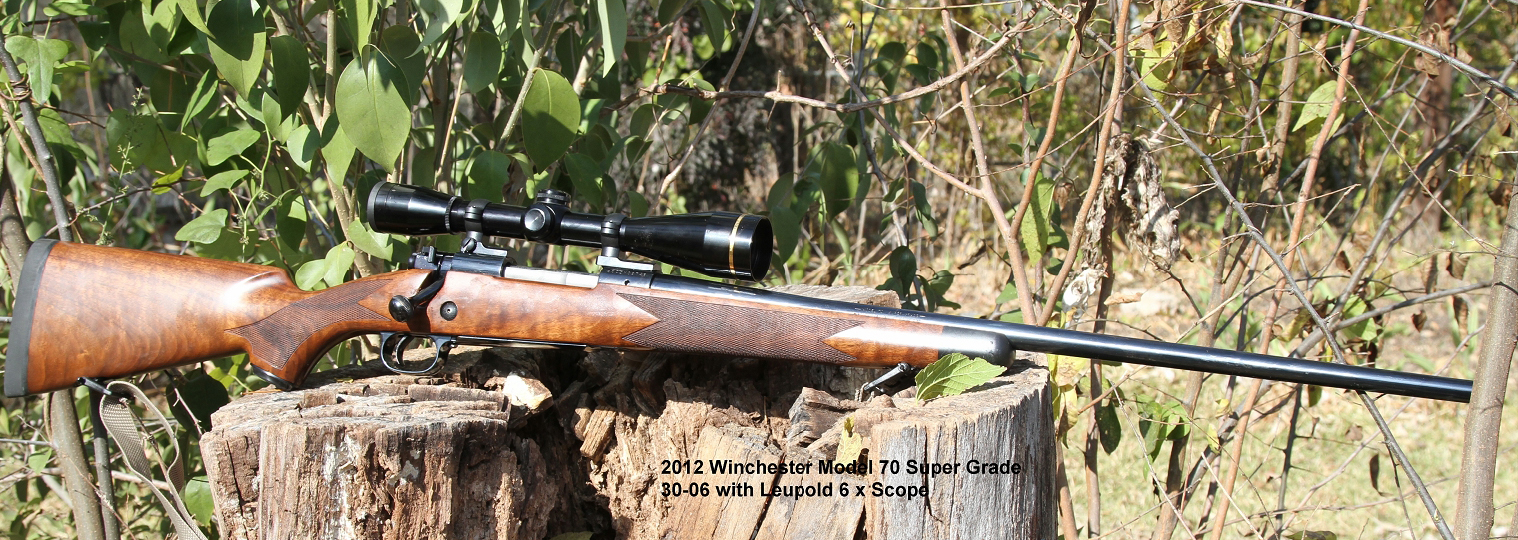
The first time I handled a well kept pre‑64 Model 70, the bolt felt like it was running on oiled glass and you could almost hear the stories in the steel. Camp hunts. Handloads scribbled in a faded notebook. A sling that had seen rain more than once. That one rifle also sparked a lot of questions you still hear on the counter every week: Is it pre‑64 or not. What did Winchester really change in 1964. Do the push‑feed guns shoot. And what about the modern Model 70s you see today.
If you have those same questions, you are the audience for this guide. We will keep it simple, but not shallow, and stick to what matters to buyers and collectors: actions, barrels, stocks, triggers, and the telltale features that help you sort one era from the next.
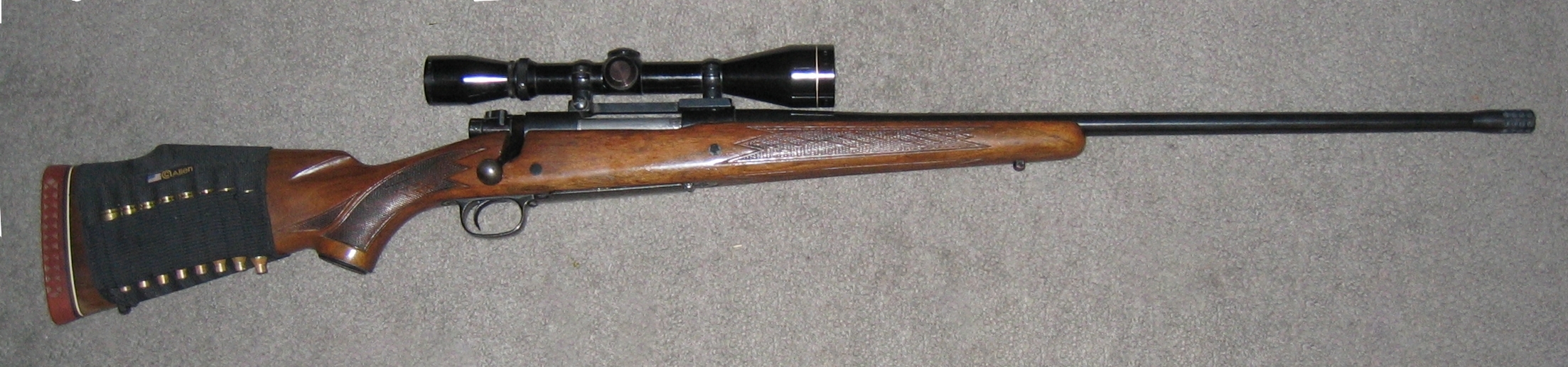
Four eras buyers should know
Most Model 70 talk orbits a single date. 1964. That is when Winchester overhauled the design to reduce costs. The changes were big enough that shooters still use pre‑64 as a shorthand for the original controlled‑round feed rifles, and post‑64 for the push‑feed redesign.
From a buyer’s seat, it helps to think in four broad chapters:
- Pre‑64 controlled‑round feed rifles, 1930s through 1963. The classics that set the standard.
- Post‑64 push‑feed rifles, mid 1960s through the early 1990s. A different bolt and a different reputation, with more nuance than the old jokes admit.
- The Model 70 Classic return, starting in 1992. Controlled‑round feed came back with most of the original hallmarks.
- Modern production. Today’s rifles carry a mix of the best traits from earlier eras, and since 2013 many have been assembled in Portugal and imported by Browning in Morgan, Utah, which some shooters gripe about but which also coincides with very consistent manufacturing processes.
That is the frame. Now let’s put parts into it.
Actions by era: CRF, push‑feed, Classic return, and modern builds
Pre‑64: controlled‑round feed done the Winchester way
The pre‑64 action is why the Model 70 earned the nickname The Rifleman’s Rifle. The bolt face and full length extractor take control of a cartridge as it leaves the magazine, guide it into the chamber, and pull it back out again, with a fixed ejector kicking it clear. This controlled‑round feed setup is simple, robust, and forgiving in the field. It is also one reason these rifles became a default choice for serious hunting for a long stretch of the 20th century.
Details that stand out to a buyer include the large Mauser style claw extractor and the three position safety on the bolt shroud. The three positions give you safe with bolt locked, safe with bolt free for unloading, and fire. It is intuitive and it is one of the most copied safeties in the bolt rifle world.
Post‑64: push‑feed and the first waves of criticism
In 1964 Winchester changed the heart of the action. The new push‑feed bolt used a smaller extractor on the bolt face and a plunger ejector. That change dropped the controlled‑round feed feature and coincided with other cost cutting measures. The fit and finish that shooters expected also slipped in the mid 1960s, and the reaction was emotional. The lost CRF, the different feel, and the cosmetic downgrades created a reputation that stuck. As Guns & Ammo’s look at the Model 70’s evolution put it, the pre‑64 to post‑64 transition was a significant event for riflemen.
Not all the changes were bad. Within a few years Winchester added an anti‑bind feature to the push‑feed bolt to smooth cycling. And while some shooters stayed suspicious of the new extractor and ejector, field results showed the push‑feed system worked.
Scope friendly tweaks
Along the way, Winchester reshaped the bolt handle for better clearance under scopes and flattened the safety lever so it would not collide with larger ocular housings. Stocks were also updated with wider, flatter forends that rested steadier in the support hand. Those are smart changes that make a difference to how a rifle handles on the range and in the field.
1992: the Classic brings CRF back
By 1992, Winchester listened to the market and reintroduced an action with the original style controlled‑round feed. It was called the Model 70 Classic. Many of the design cues people loved about pre‑64s returned, and the Classic sat alongside push‑feed rifles in the catalog for a time. This is a sweet spot for buyers who want CRF function with more modern machining and scope friendly geometry already baked in.
Today’s Model 70s
Modern rifles blend highlights from both earlier eras. Manufacturing processes are more precise and repeatable than the days of heavy hand fitting, and current production continues to chase that consistency. Some shooters do not love that rifles since 2013 have been assembled in Portugal, but the end result in most hands has been very solid. If you judge by how smoothly a current rifle feeds and how consistently it prints on paper, the line is in a good place.
Barrels and accuracy: cut rifling to hammer forging
Pre‑64 barrels earned a reputation as fine shooters, and one reason is how they were made. Those early barrels were cut rifled, a time intensive method that many traditionalists favor. When the post‑64 rifles arrived, Winchester changed over to hammer forged barrels. That raised eyebrows then and still does now among some enthusiasts who like the romance of cut rifling.
What matters to your target is the group, and here is where the story surprises people. Many push‑feed Model 70s shoot outstandingly well. Barrel quality is one area where Winchester did not relax standards, and accuracy from hammer forged tubes often proves it on the range.
Another behind the scenes change came with the receivers themselves. Pre‑64 actions were machined from bar stock. Later post‑64 actions were forged and then machined. Forging saves time and cost, and the finished receivers have proven strong, straight, and durable. Some of the bias against these changes is more about perception than performance, especially for those buying a rifle to hunt and shoot rather than to anchor a display case.
Stocks, sights, and ergonomics that evolved with shooters
The Model 70’s stock profile saw steady refinement. Early rifles wore a low comb often called the N.R.A. stock, and as scope use grew, high comb Monte Carlo profiles joined the line. On Super Grades you can find different cheekpiece shapes, from small oval European style pads to larger Monte Carlo versions. Pistol grip contours and the shape of the inletting also changed across the decades. All of that matters when you shoulder the rifle, because comb height and cheek weld drive how naturally your eye finds the sight or scope.
As for furniture up front, the later stocks with wider, flatter forends give you a steadier rest in the palm. It is a simple touch that pays off when you are working from field positions.
Sight wise, many Model 70s shipped with a bead front on a ramp and a folding rear with a screw locked slider for elevation. A hood came with most front sights when new but is often missing today, an easy quick check for originality. Even in the early years, actions were commonly drilled and tapped for scope bases, which fits how quickly American hunters embraced optics once they trusted them.
Triggers and safeties: what stayed brilliant and what changed
Original Model 70 single stage triggers are one of the reasons pre‑64 rifles are so loved by shooters. They are open and simple, and they shrug off grit that would jam a fussier design. They also carry a reputation for reliability that few sporting rifle triggers can match. If you have ever pressed one at a bench, you know why their reset and break are still the benchmark a lot of hunters compare new triggers to.
The three position safety on the bolt shroud remains a stand out feature through the line. That ability to make safe with bolt locked, or make safe while still opening the bolt to unload, is both smart and comforting in the field. Later safety levers were flattened to keep clear of bulky scope eyepieces, a small change that matters at the range and in the deer woods.
Collector and buyer checkpoints by era
You do not need a loupe and a lifetime of notes to make sense of a Model 70 on a rack. Start with these quick identifiers, then slow down and look closer depending on what you find.
Pre‑64 tells
- Large external claw extractor that rides the right side of the bolt. The simplest controlled‑round feed tell.
- Fixed ejector and a clean, open bolt face without a plunger.
- Three position safety on the shroud. Check function across all three positions.
- Open, single stage trigger that looks and feels like a stripped down, purposeful part rather than an encased module.
- Original sights and a present front sight hood add points for condition. Many hoods walked away over the years.
Condition is king with these. Check for clean screw heads, tight inletting with no proud or sunken wood, and crisp checkering. Look for any extra holes drilled through the receiver bridge or ring that suggest a non factory mount was installed at some point. Some modifications are period correct and understandable. Others take away from collector appeal.
Post‑64 push‑feed tells
- Small extractor set into the bolt face and a plunger ejector. That is the push‑feed signature.
- Early post‑64s lacked a bolt guide lug. Within a few years an anti‑bind device appeared and made cycling smoother. Check how the bolt feels. It tells you a lot.
- Look closely at stock fit and finish. Mid 1960s rifles often show the cost cutting of the time. Later 1970s and 1980s examples tend to be better fitted.
Here is the thing on these rifles. Many shoot extremely well. If you are shopping for a shooter and you like the price, a clean push‑feed can be a terrific buy. As that Guns & Ammo overview notes, the market voted with wallets back then. Winchester sold more post‑64 rifles in the 1970s and 1980s than it did pre‑64s earlier on. Price mattered, and it still does for someone who wants a hunting rifle first and a conversation piece second.
Model 70 Classic CRF tells
- Controlled‑round feed returns. You will see the big extractor again and the absence of a plunger ejector.
- Scope friendly bolt handle geometry and flattened safety carried forward. That makes these easy to set up with modern optics.
- Overall fit is typically very good, and machining is more consistent than hand fitted pre‑64s.
These rifles give you much of the pre‑64 feel with the convenience modern shooters expect. For buyers who hunt hard but still want CRF, the Classic period is a smart target.
Today’s rifles
- Expect clean machining, consistent finishes, and quiet cycling. Manufacturing today is very controlled compared to mid century methods.
- Rifles assembled in Portugal since 2013 show up often. Some folks grumble, others shoot them and smile at the groups. Judge the individual rifle.
- Chamberings span traditional favorites and modern standards. Over the decades, the line also grew to include cartridges like .243 Winchester, .308 Winchester, .22‑250, .222, and .458 Winchester Magnum.
What changed opinions on post‑64s
It is easy to get stuck on the pre‑64 versus post‑64 debate, but once you handle a few dozen rifles and shoot them, the noise fades and the useful truths come forward.
First, the early push‑feed rifles did stumble on finish and a few functional details. Winchester responded by adding an anti‑bind feature to the bolt and keeping barrel quality high. Second, while nostalgia leans heavily toward the original controlled‑round feed, even push‑feed detractors admit the practical accuracy from those 1960s through 1980s barrels is often excellent. Third, modern CNC and process control give current rifles a uniformity that would have been magic in 1936.
So yes, collector value is shaped by era and features. But if your goal is a rifle you trust on a hunt and enjoy on the bench, do not overlook a clean push‑feed or a Classic CRF that checks your boxes. The market has room for both.
Serial numbers and dating your rifle
If you are trying to pin down when a Model 70 was made, start with the factory’s own guidance. Winchester provides a serial number reference that gives a fairly accurate picture up to 1992. For rifles made after 1992, they ask that you contact Customer Service for a date. You can find the details on the company’s page titled What year was my Model 70 manufactured. It is a quick bookmark if you buy and sell or if you just want to keep good notes.
Buyer checkpoints by part
Here is a quick way to examine a Model 70 from muzzle to butt:
- Muzzle and crown. Look for nicks, bright metal from cleaning rod wear, and a square crown. A clean crown can matter more than the year it was made.
- Sights. Original bead and ramp up front, folding rear with slider, and the presence of a factory hood all point to an honest rifle. Missing hoods are common and not a deal breaker, but they tell a story.
- Barrel markings. Verify the chambering and look for uniform rollmarks. Any rebarrel work should be disclosed and priced accordingly.
- Action. Confirm feed system by looking at the bolt face. Cycle dummy rounds if you can. Feel for that anti‑bind smoothness on later push‑feeds.
- Trigger. Dry fire with permission, after triple checking an empty chamber. The classic open single stage should feel clean. If it feels gummy, dirt or unwise tinkering could be the cause.
- Stock. Check comb profile, cheekpiece shape, and checkering sharpness. Look for hairline cracks behind the tang or at the front action screw. Make sure the inletting is even and free of chisel marks from home fitting.
- Butt and hardware. Original buttplates or recoil pads help tell you how much the rifle has been altered. Sling swivels should fit cleanly and sit square.
Keep notes. The Model 70 family is broad, and little details add up. If you enjoy the historical side of Winchester as much as the shooting, you might also like our deep look at the earlier Winchester Model 1895 and how it bridged two eras.
Era by era: how I would shop
If you want a pre‑64
Be picky on condition and originality. Clean screws, unmolested metal, and wood that has not been sanded are worth your patience. The presence of factory sights and a hood is a plus, as are crisp checkering diamonds. Dry fire the trigger and cycle the bolt a few times. If the action feels like two pieces of glass sliding with a film of oil between them, you have found what people talk about.
If you want a post‑64 push‑feed
Judge with your hands and eyes, not a date stamp. Look for the later anti‑bind bolt and see how it feeds. Expect hammer forged barrels that often shoot beautifully. Stocks from the 1970s and 1980s usually show better fit than the initial 1964 run. If you want a serious hunting rifle without chasing pre‑64 premiums, a straight push‑feed can be exactly right.
If you want CRF without pre‑64 prices
Hunt for a Model 70 Classic from the 1990s forward. You get the controlled‑round feed experience, the familiar safety, and the scope friendly bolt handle. Many of these rifles were built with an eye toward modern optics and real field use, and they balance tradition with convenience very well.
If you want new
Handle a current production rifle and see how it cycles. Modern machining has raised the floor on consistency. If the Portugal assembly sticker gives you pause, let the groups on paper and the feel of the bolt be the honest judge. A lot of buyers end up pleased.
Why the Model 70 still starts more conversations than most rifles
Some guns sell quietly. The Model 70 never has. It is a rifle that sits at the center of American sporting arms lore, from its 1930s launch through the postwar boom and the changeover in 1964. It wore chamberings that tracked the rise of modern hunting cartridges, including .243 Winchester, .308 Winchester, .22‑250, .222, and .458 Winchester Magnum among many others over the decades. It grew stocks to suit early iron sights and then scopes. It kept refining how a hunter carries safe and cycles fast with that three position safety and a bolt handle meant to clear glass.
Ask a benchrest shooter and they will tell you about the groups they have seen from humble push‑feeds. Ask a collector and they will talk about claw extractors and crisp checkering. Ask a hunter and they will talk about a safety they trust with cold fingers. That is the Model 70 effect. It means different things to different people and still compels you to pick one up and work the bolt.
Most important for buyers, all four eras have something to offer. If you love history and feel, pre‑64 scratches that itch. If you need a capable field rifle without chasing a serial number, post‑64 push‑feeds have a lot of wins. If you want controlled‑round feed with modern ease, the Classic checks the box. And if you want a new rifle with old DNA, today’s production does that with very consistent quality.
One last tip. Keep the serial number link handy and jot down notes when you handle a rifle. The better your notes, the easier it is to see patterns in condition and features across years. That small habit is how you go from shopping to selecting well, and it is how a Winchester you buy this year becomes a story you pass down later.