The first time a Model 70 stops you in your tracks, it is not nostalgia doing the work. It is the way the bolt glides, the three-position safety clicks, and the stock points where it should. Winchester did not call it the Rifleman’s Rifle by accident. That feel spans eras, which is why collectors and buyers still chase the right example.
If you are sorting listings or walking a show, this guide trims the noise. We cover Pre-64 vs Post-64 differences, the controlled-round feed comeback, MOA Trigger basics, Super Grade cues, and a practical inspection checklist.
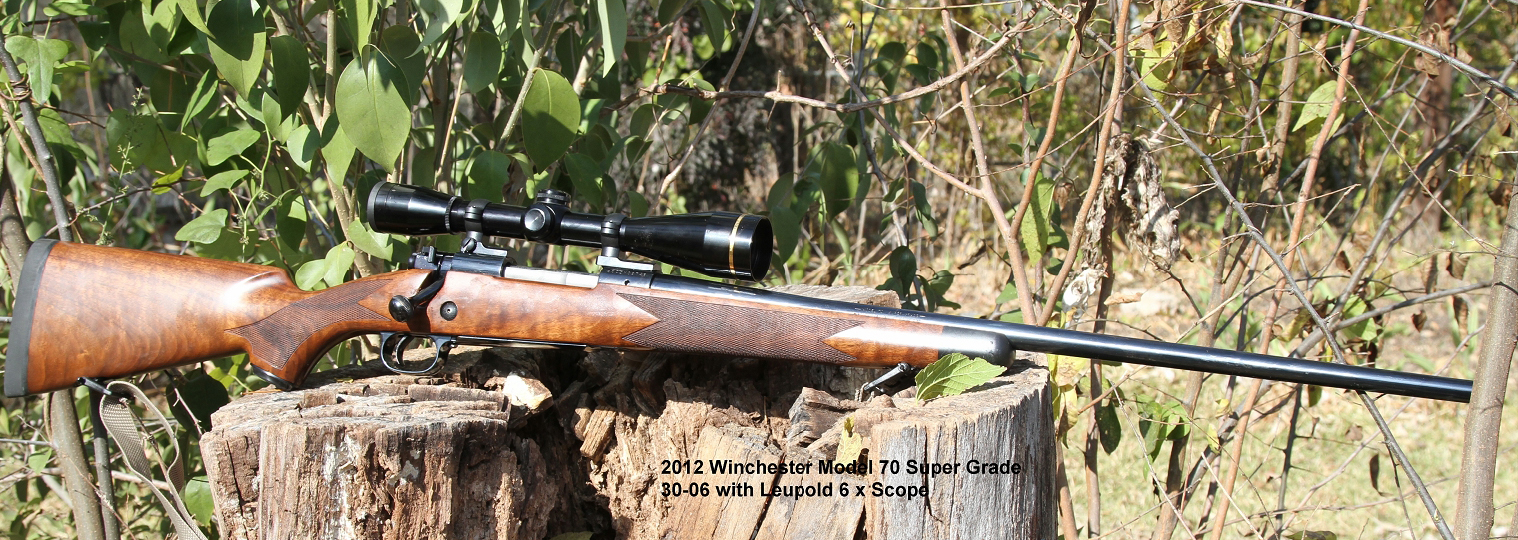
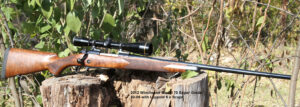
Winchester Model 70 Right Side View with Scope, shown in detail view, supports the article’s focus on Winchester Model 70 Collector’s Guide: Pre-64 vs Post-64, CRF Return, MOA Trigger, Super Grades, and What to Inspect.
Pre-64 vs Post-64: what changed and how to ID one fast
Winchester changed the Model 70 in 1964, creating two families in the eyes of collectors.
Serial number rule of thumb: below 700,000 is generally Pre-64. These were made 1936 to 1963. Later numbers mark the Post-64 era. Verify features too, since parts swaps happen. Source timelines are summarized in mainstream references like Wikipedia.
Feed system: Pre-64 used a Mauser-type controlled-round feed with a large, non-rotating claw extractor. Post-64 moved to push-feed.
Extractor and bolt face: Post-64 rifles use a small hook extractor dovetailed into the right locking lug, and the bolt face fully encloses the cartridge base. As Shooting Times notes, it is a robust design and provides a strong, safe lockup.
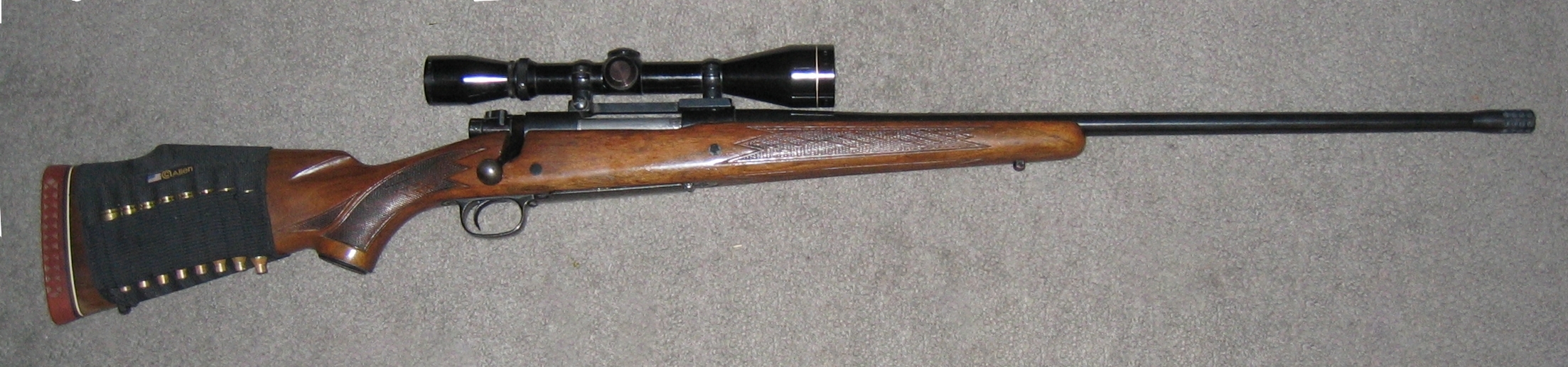
Stock details: Pre-64s typically have cut checkering. Early Post-64s often used pressed patterns, which is a quick visual tell.
Construction: Pre-64 receivers were machined from bar stock steel. Fit and finish on clean examples reflect that era’s workmanship.
Fore-end screw: Many Pre-64s have a fore-end screw, another quick cue. Treat it as one piece of a bigger picture, not proof on its own.
CRF vs push-feed: how they behave
Controlled-round feed picks up the cartridge as it leaves the magazine, the big claw holds the rim through chambering, and ejection is positive. That consistency under stress is why hunters still value it.
Push-feed drives the round into the chamber and the small extractor snaps over the rim once seated. In the Post-64 Model 70, the fully enclosed bolt face is a strength feature. Smooth, reliable feeding is normal, and the extractor design has proven durable. Shooting Times’ comparison makes the point clearly and is worth a read.
Handle both. Run the bolt slowly, then fast, with dummy rounds if allowed. The right feel tends to settle the debate for your use case.
The CRF return: 1992 to present
Winchester listened. Starting in 1992, the company reintroduced many Pre-64 features. Some models blended elements often referred to as controlled round push feed, and by 2006 current production returned to controlled feed on many variants. The broad timeline looks like this:
1936 to 1963: Pre-64, controlled-round feed.
1964 to the early 1990s: primarily push-feed.
1992 and after: CRF features return on many models, with budget push-feed variants continuing alongside.
2006 to present: controlled feed in modern production lines, with updated stocks and bedding options depending on model.
If you want the classic bolt feel with modern barrels and stocks, these 1992-and-newer CRF rifles deliver without the price or provenance concerns of a 1950s gun.
Sights and small parts collectors notice
Period Model 70s commonly shipped with a beaded front sight on a ramp base and a folding rear adjustable for elevation. The little front sight hood is often missing today. Most actions were drilled and tapped for scopes, which is why you will see everything from period glass to modern mounts. Missing or mismatched small parts are bargaining chips and, for collectors, they matter.
Super Grade: what that label should mean
Super Grade marks a higher trim level. Expect upgraded walnut, crisp checkering appropriate to the era, polished metal, and the correct floorplate and grip cap style for that period. Assess consistency. If the action and barrel time out correctly but the stock design or checkering belongs to another era, value it as a shooter unless the seller can document the change.
MOA Trigger: what to know, how to adjust safely
Modern Model 70s use Winchester’s MOA Trigger, designed for a clean, predictable break with user adjustment within a safe range. Out of the box, many shooters find it crisp compared to older factory triggers.
Adjustment is simple if you work slowly and follow the book. Do not adjust any trigger on a loaded rifle. Keep the muzzle in a safe direction. Winchester’s Model 70 owner’s manual details unloading, safety positions, and step-by-step trigger procedures. If you are unsure, a competent gunsmith can set a safe pull weight and verify function.
What to inspect before you buy
Bring a small light and be methodical. The difference between a great shooter, a correct collectible, and a headache is usually visible.
Serial and features: Note the serial number, then check that feed type, checkering style, and markings match the claimed era. Below 700,000 is the accepted Pre-64 range.
Extractor and bolt face: On CRF rifles, confirm the large non-rotating claw. On push-feed rifles, inspect the small extractor in the right locking lug and the fully enclosed bolt face. Look for chips, cracks, or peening.
Feeding and ejection: Cycle dummy rounds. CRF should capture the rim during feed. Push-feed should snap over the rim cleanly and eject positively.
Barrel and crown: Inspect rifling, throat, and crown. A damaged crown can hurt accuracy.
Stock and bedding: Check for cracks at the tang, recoil lug recess, and around the magazine box. On wood, look for oil soaking that can soften inletting. On later rifles with pillars or blocks, check for looseness.
Sights and scope holes: Front sight hoods go missing. Folding rears should move and lock. Ensure base screws are correct length and not protruding into the bolt raceway.
Finish consistency: Blueing and polish should match the era. Mismatched finishes can hint at refinish or parts swaps.
Trigger and safety: With the rifle cleared, verify the three-position safety and trigger break are consistent. Any creep, grit, or intermittent safety engagement is a note for negotiation or a gunsmith visit.
Magazine and floorplate: Hinged floorplates should latch firmly and open cleanly. Weak latches are common on hard-used rifles.
Headspace: A quick check by a qualified gunsmith is inexpensive insurance on any used bolt gun.
Variants, configurations, and modern options
The Model 70 spans light sporters to heavy-barrel and target trims, with typical weights around 6 to 8 pounds and barrels from roughly 20 to 28 inches depending on model. Modern rifles may wear synthetic stocks or quality fiberglass offerings on certain trims, plus bedding features to aid accuracy. If you want a weatherproof hunter, recent models make sense. If you want walnut and deep blue, look at Super Grade style offerings, old and new.
Routine maintenance keeps the Model 70 running. After a day of shooting, wipe the rifle down, clean the bore, and lightly oil moving parts. Use oil sparingly. Excess oil can migrate into wood and soften it over time. Protect the muzzle crown during cleaning, since crown damage can affect accuracy. These basics mirror Winchester’s guidance in the owner’s manual.
Safety first: never assume a rifle is unloaded just because the bolt is open. Visually and physically check the chamber and magazine. When unloading through a hinged floorplate, keep the muzzle pointed in a safe direction, engage the safety, and keep your finger off the trigger. Full procedures and warnings are in the official Model 70 owner’s manual.
Bottom line
Pre-64s deliver the classic feel and craftsmanship many of us fell for in the first place. Post-64 push-feed rifles are better than their reputation, with a strong enclosed bolt face and a tough extractor. The 1992-on CRF revival gives modern buyers the traditional bolt feel with current barrels and stocks, and the MOA Trigger is a factory unit most shooters can simply leave alone.
Match the rifle to the job. If you want history, learn the cues and chase a correct Pre-64. If you want a hard-use hunter, a later push-feed or modern CRF with a weather-resistant stock will do the work. And if a Super Grade steals your heart, make sure it is truly a Super Grade before you pay Super Grade money.
For a photo-rich comparison of Pre-64 and later features, see Shooting Times’ overview: Winchester Pre-64 Model 70. For specs and manuals, visit winchesterguns.com.
As a firearms enthusiast with a background in website design, SEO, and information technology, I bring a unique blend of technical expertise and passion for firearms to the articles I write. With experience in computer networking and online marketing, I focus on delivering insightful content that helps fellow enthusiasts and collectors navigate the world of firearms.
A focused collector and buyer guide to the Model 70. Learn the real Pre-64 vs Post-64 differences, CRF’s comeback, MOA Trigger basics, Super Grade tells, and a smart inspection checklist.
A clear, collector-friendly tour of Accuracy International’s path from the cold-weather AW and magnum AWM to the modular AX and AT, with chassis lineage, contract context, and practical buying angles.
A collector-minded buyer’s guide to Ruger’s heavyweight double-actions: where the Redhawk ends and the Super Redhawk begins, what the Alaskan is for, chamberings you’ll actually see, and how to inspect a used one with confidence.