
Remington Model 8 and 81: Browning’s Long Recoil Sporting Rifles
A practical, collector-minded look at Remington’s Model 8 and 81. Calibers, long recoil explained, police conversions, and what to check before you buy.

Call us any time at: (833) 486-6659
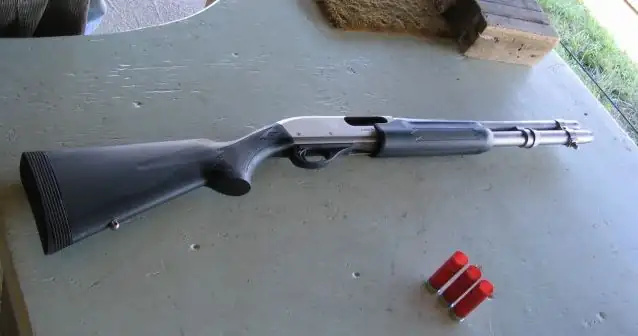
Open a well-used gun cabinet in North America, and you stand a good chance of finding one pump shotgun that has done more real work than almost anything else: a Remington 870. I have seen them in duck boats still flecked with last season’s marsh mud, in upland camps that smell like gun oil and coffee, and riding quietly in patrol cars where the finish tells a story of doors, racks, and long shifts. The 870 is not flashy. It is steady, familiar, and it runs.
There are reasons for that. Since its debut in 1950, more than 13 million shooters of all types have bought into the design, and that kind of adoption does not happen by accident. It happens when a shotgun fits a lot of different lives, does not complain, and can be configured for almost any job you hand it. Today, it remains the best-selling shotgun of all time, with a lineup that stretches from classic walnut bird guns to hard-use synthetic models and specialized turkey, waterfowl, and marine variants.
I grew up noticing how the 870 tended to be the shotgun that stayed. A buddy might cycle through rifles and pistols, trade a semi-auto for something new, but the old pump with the “R” on the receiver kept earning its keep. That quiet staying power is part of this model’s mystique. The broader world noticed, too. The 870 has been in official use for decades, and it appears in police racks and military armories in many countries. When a design has that kind of range, it tells you something about its core strength and the way it shrugs off variables like weather, ammunition quirks, and the grind of daily carry.
If you are curious about how pump shotguns have remained relevant despite all the shiny semi-autos and tactical gizmos, I have a longer piece on that subject here: How Pump Shotguns Stayed Relevant for So Long. The short version is simple. Pumps ask little from their environment, and they return a lot to the shooter in reliability and control.
Remington had been working its way through pump shotgun designs for decades before the 870. The Model 10 and Model 29 came first, then the John Browning-designed Model 17, which influenced later work. The immediate predecessor, the Model 31, developed a reputation for smoothness and quality. It was even marketed as a ball bearing repeater. But the 31 was expensive to build thanks to many machined and hand-fitted parts, and it struggled to compete on price.
The 870 was the answer. Introduced in 1950, it was designed to be easier to make, easier to maintain, and reliable in the field. That combination clicked. The new gun kept the classic lines Remington shooters liked, but lowered complexity without sacrificing performance. It was also easy to disassemble and maintain, which meant even casual owners could keep one running for a very long time.
Remington’s current literature still leans into the same core talking point from the original pitch: a receiver machined from a single block of steel. That is not the lightest route for a hunting shotgun, nor the cheapest, but it gives you a foundation that wears well. A hard-used 870 usually shows finish wear on the outside long before the action loosens up inside. The strength of that steel block, combined with the gun’s straightforward layout, is what gives the 870 its particular shot-to-shot feel. The pump stroke is linear and direct, and when you get a slick example, it feels like it rides on glass.
Remington has long called the Wingmaster trim the smoothest take on the 870, and anyone who has racked a well-kept Wingmaster beside a budget field gun knows what they mean. Part of that feel comes from the finish and the care taken in production, but the underpinning is that same steel receiver. It is the constant across the family.
One reason the 870 has lasted is the sheer range of variants. The design adapts to many roles, and Remington has embraced that fact for decades. Today’s catalog includes classic and modern takes that share the same basic receiver but differ in stocks, barrels, finishes, and intended use.
Here is a plain spoken tour of models you will commonly see:
The classic field trim is long known for its smooth action and refined finish. Think polished blue and walnut, and a gun that many shooters carry for upland birds or clays. It is the one point people point to when they talk about how an 870 should feel when you cycle it.
Fieldmaster is the modern, budget-friendly workhorse with a matte black finish and either lower-grade walnut or synthetic furniture. The internals are built around the same proven architecture. The Super Magnum variant accepts 3.5-inch shells, which gives turkey and goose hunters the option to run heavy payloads. The other 870 trims are built for 2.75 and 3-inch shells. If you want a 3.5-inch, look for the Super Magnum callout.
The SPS family includes models built with specific seasons in mind. There are SPS Turkey and SPS Super Magnum Turkey and Waterfowl versions, along with the SPS SuperSlug slug-focused variant. These typically wear synthetic stocks and finishes suited to hard use and rough weather.
A corrosion-resistant take meant for harsh, salty, or wet environments. The Marine Magnum brings an 870 into boats, coastal patrol, and humid storage conditions with far less worry about rust.
Police-marked 870s and tactical trims built for defensive use have long been part of the 870’s public face. You will also see the short-barreled Tac 14-style guns in circulation. While Police guns can look similar at a glance to basic models, they usually feature duty-friendly finishes and furniture that withstand abuse. The Tac 14, as the name suggests, is centered on a shorter barrel and a compact overall package for close-quarters roles.
Underneath, this is still the same 870 line. Barrels are easily swapped on most models, which means a single receiver can pull double duty. A field-length barrel and a set of chokes take you to the dove field on Saturday, and a defense-length barrel can come out of the safe for home duty. That kind of flexibility is built into the design.
Before you buy, think through what you want the gun to do first. The 870 can wear a lot of hats, but choosing a trim that matches your main job makes life easier and cheaper.
One practical note for buyers who want one shotgun to do many things. Start with a model that makes barrel swapping simple and inexpensive. The broad 870 aftermarket means you can add a shorter defense barrel or a rifled slug barrel later without changing the core gun.
Every model line has its standouts. With the 870, the difference between good and great usually lives in feel, finish, and how cleanly the gun runs with the loads you care about.
Here is what experienced hands often check when they pick up an 870 on a rack or at a show:
Cycle the action dry. A great 870 has a pump stroke that moves without grit, stops and starts cleanly, and returns to battery with a confident click. A little break-in is normal on a new gun, but even fresh examples should not feel rough.
Watch the extraction and ejection. With dummy shells or snap caps, run the gun briskly and see if the shells clear the port with purpose. The 870’s reputation for reliability did not come from gentle cycling. A good one throws hulls with authority.
Check the trigger. You are not expecting a target rifle break here, but a nice 870 has a consistent pull without a long, spongy take-up. Triggers vary from gun to gun. Finding a clean example is part of the fun.
Look at fit and finish. On walnut-stocked models, check the wood-to-metal fit around the receiver and at the butt. Tight, even lines say a lot about how much care a particular shotgun received. On synthetic trims, inspect the mold lines and finish uniformity. Matte finishes should look even and resist surface rust with normal care.
Inspect the bore and crown. Smooth, bright bores and clean muzzle crowns are non-negotiable for a great shotgun, whether you plan to shoot steel at geese or lead at pheasants. On slug-focused SPS versions, the condition of the rifling matters just as much.
Consider balance. The 870’s steel heart gives it a steady swing for wingshooting. A great example will feel lively without being whippy. Shoulder the gun with your eyes closed, mount naturally, then open your eyes to see where it points. That simple test often tells you more than a spec sheet.
If you are hunting older 870s, you are in good company. The shotgun has been in production for more than seventy years, so the used market offers a deep pool of choices. The Wingmaster remains a sweet spot for many collectors and shooters who like a refined field gun. Police marked guns have a following as well, especially when the finish shows honest service rather than abuse.
General advice applies. Originality helps value, so look for barrels, stocks, and small parts that are consistent with the trim and era. Clean, bright bores and sharp lettering on the receiver and barrel always catch my eye. If a gun has a cut-down barrel, non-factory porting, or sloppy recoil pad work, price it as a shooter first, not a collectible. The good news is that many 870s were bought and gently used for decades. There are still fine examples hiding in closets and safes.
Also, remember that the 870 is one of the most accessorized pumps on the planet. That is great for shooters, but it means you will see a lot of swapped parts on the used rack. None of that is bad if you want a working gun. It just means you should slow down and confirm that what you are buying matches what you have in mind.
Part of the 870’s appeal is how easy it is to set up for different jobs. Swapping barrels is quick, which lets you change length, choke, and even go from smoothbore to rifled if you live in slug country. If you plan to cover both field and defense with one gun, I suggest buying your main gun in a configuration that gives you easy access to the second barrel you want to use. The common defense barrels are short and cylinder choked. Field barrels typically range from 26 to 28 inches and take screw-in chokes.
Shell length is a simple but important detail. If you want to shoot 3.5-inch loads for turkeys or big geese, look specifically for the Super Magnum marking on Fieldmaster and SPS variants. Most other 870 models are set up for 2.75 and 3-inch shells. Matching the receiver and barrel to the longest shell you plan to use is key for both safety and performance. When in doubt, check the rollmarking on the barrel and the model designation on the receiver.
For waterfowl and other situations that require non-toxic shot, the 870 runs modern loads without complaint. For upland, any common 2.75-inch lead game load will do its work if you do yours. The shotgun does not prefer a boutique brand. It prefers good hulls and deliberate cycling.
People sometimes forget how much the 870’s popularity feeds back into its usefulness. Decades of production have created a parts-and-accessory ecosystem that is second only to that of its chief pump rival. That means stocks and forends to suit any fit, barrels for every game and season, lights and mounts for defense setups, and small parts support to keep older guns humming for another generation.
The value here is not about turning an 870 into something it is not. It is about small, smart changes that make the gun match your body and your plan. A stock with the right length of pull, a bead you pick up fast, and a barrel that throws the pattern you like are all far more important than a catalog of tactical cool trinkets. The 870’s design makes these changes straightforward.
Most 870 owners never see the inside of a gunsmith’s shop, and there is a reason. The shotgun rewards ordinary care. Here are a few practical habits that keep them running sweet.
Keep the action rails and bearing surfaces lightly oiled. The pump stroke should feel slick, not dry. In cold weather, use a light oil and wipe off excess so it does not gum up.
Wipe down the exterior after rain. Steel is steel. The Marine Magnum exists for a reason, but even that model appreciates a cloth and a bit of oil after a wet day.
Pattern the gun with the loads you plan to use. The 870 throws predictable patterns with the right choke combo, but shells vary. An afternoon on paper can make your fall far more successful.
For defense builds, keep it simple. A short barrel, a light you can actually run, and a stock that fits you are enough. The 870’s manual of arms is straightforward, which is one reason so many police agencies adopted it in the first place. Practice cycling with purpose and topping off the magazine during quiet moments. Consistency pays.
If you want to think more broadly about why pumps like the 870 still earn a place next to modern semi-autos, you might enjoy this related piece: How Pump Shotguns Stayed Relevant for So Long. The 870 is a case study in that story.
There is a reason this shotgun outlasted so many trends. It gives you a steel receiver that wears slowly, an action that can be kept very smooth with normal care, and a family tree of models that meet real needs rather than fads. The catalog runs from walnut and blue to synthetic and duty-ready finishes. Specialized SPS variants cover turkeys, slugs, and waterfowl. The Marine Magnum keeps corrosion at bay. Police and tactical teams address defense and service roles. And if you need the extra payload of 3.5-inch shells, the Fieldmaster Super Magnum leaves that door open.
Most of all, the 870 gives you options. Buy the one that suits your first job, then build sideways with barrels and a few smart parts. If you favor well-made tools that settle into a life without fuss, the 870 has probably been on your mind already. Pick a good one, and it will earn its place quietly, the same way it has for millions of others since 1950.
Available
View Item
Available
View Item
Available
View Item
Available
View Item
Available
View Item
Available
View ItemA practical, collector-minded look at Remington’s Model 8 and 81. Calibers, long recoil explained, police conversions, and what to check before you buy.
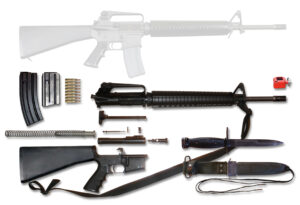
A collector’s look at Colt’s SP1 and early Sporters, from slickside uppers and pencil barrels to the rollmarks and small changes that hinted at the A2 era.
A practical, story-driven guide to reading JM vs REP barrel marks, understanding pre-safety 336s, Micro-Groove and Ballard-style rifling, and the smart checks to make before you buy.