
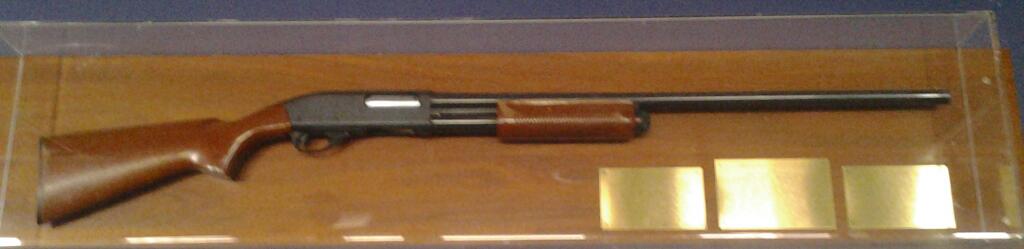
The best used 870 I ever bought was ugly. The walnut had been sanded thin and varnished thick. The blue looked like it had spent a season in a duck boat without a case. But the action was glassy, the barrel was straight, and it patterned like a field gun should. That beat-up Wingmaster taught me something simple and true about the 870: condition and function matter more than cosmetics, and the right barrel and choke matter more than the rollmark.
If you’re standing at a counter or scrolling through listings wondering how to tell a Wingmaster from an Express, or what a Police model really gets you, or which barrels will swap, this guide is meant for you. We’ll keep it practical, stay honest about what you can see and feel, and point to the places where the paperwork backs it up.
A quick history checkpoint
Remington’s 870 has been in steady service since the early 1950s. It was designed around speed and reliability, with twin action bars, a steel receiver, and a layout that became the standard for pump shotguns. More than eleven million have been built, which tells you something about how many parts, barrels, and used guns are out there.
The 870 began life with fixed-choke barrels. In 1986 Remington introduced its screw-in Rem Choke system on the 870 and its 1100 autoloaders, initially in 12 gauge and later in 20 gauge, with additional barrel lengths following soon after. If you spot an older field barrel marked “Full,” “Mod,” or “IC,” it’s a fixed choke. If it’s stamped for Rem Choke and has a removable tube, it’s from the mid-1980s or later. You can see that timeline noted in the Rem Choke system introduced in 1986.
There’s one other historical note buyers bump into: 20 gauge receivers. Early 20s rode the 12 gauge frame. Since the late 1970s, 20 gauge receivers have been scaled down, which affects stock and barrel fit. That shift is also summarized on the 870’s main entry. It’s the sort of detail that only matters when you start swapping parts, but you’ll see it referenced in listings.
Wingmaster, Express, and Police in plain language
Remington marketed the 870 under several banners. The three names most people care about are Wingmaster, Express, and Police. They overlap more than you might think, and decades of part swapping and rebarreling mean you should take any label as a starting point, not gospel.
Wingmaster
The Wingmaster is the classic sporting 870. Think polished blue, walnut stocks, good checkering, and a smooth pump stroke. Many wear 26 to 30 inch vent-rib barrels with fixed chokes early on, later Rem Choke. You’ll also find short smoothbore slug barrels and special-purpose barrels wearing the Wingmaster name. If you close your eyes and picture a mid-century bird gun that runs like a sewing machine, that’s a Wingmaster.
Express
The Express arrived as the economy line. Expect a more matte exterior finish, simpler stock wood or synthetic furniture, and usually fewer frills. Most Express guns wear Rem Choke barrels. The appeal is price and utility. Over the years a lot of Express guns have been turned into handy home and farm shotguns with shorter barrels and simple beads, and many came from the factory set up that way. Finish wear doesn’t tell you much about function here; check the guts.
Police
The Police rollmark sits on duty-oriented 870s. Look for parkerized or matte finishes, short 18 to 20 inch barrels, rifle or ghost ring sights on some examples, and often extended magazine tubes. Some run plain beads and 4-shot tubes. They’re set up for defensive and service roles, and you’ll see a lot of honest rack wear without a ton of field miles. If you find a clean one that cycles like it should, they make stout working guns.
One more modern note: current production from RemArms has worn the Fieldmaster label on some models, which you’ll sometimes see paired with the 870 name. It fills the middle ground where many Express guns once sat. If you’re comparing new to used, just pay attention to features, barrels, and fit more than the label.
Production eras you can actually use
You can spend a lifetime decoding Remington’s barrel date stamps and serial letters, and some folks do. For buyers and collectors trying to make a smart decision at a glance, these era markers are the ones that matter most:
- Fixed-choke era: from the start through 1985. Barrels are marked Full, Mod, IC, and they don’t accept tubes. If you want screw-in flexibility on an older gun, swap the barrel.
- Rem Choke era: 1986 forward. Most field barrels will be marked for Rem Choke. Tubes are removable and user-serviceable. This is also when you see a wide range of barrel lengths and special-purpose options proliferate.
- Scaled 20 gauge receivers: late 1970s forward. Some stocks, barrels, and small parts are specific to the small frame. If you’re mixing and matching on a 20, confirm fit.
- Contemporary production: recent 870s continue the Rem Choke system, and barrels across gauges remain abundant on the secondary market.
What about shells and chambers? The 870 family includes 2.75 inch, 3 inch Magnum, and 3.5 inch Super Magnum 12 gauge variants. The safest path is always to follow the chamber marking on your barrel and the guidance in the manual. Never assume a receiver upgrade changes what a barrel is safe to fire.
Parts and features buyers can spot
There are a few tangible details you can check on the spot that tell you about a given 870’s setup and life story. None of this replaces a function check, but it helps separate candidates quickly.
- Finish and furniture: Wingmasters usually carry walnut and higher-polish blue. Express models lean matte and often synthetic or simpler hardwood. Police guns often show a parkerized or duty-matte finish and may have short stocks or spacers.
- Barrel sights: Plain bead, vent rib with mid bead, rifle sights, or ghost rings. These matter more than the rollmark for what you plan to do with the gun.
- Choke system: Look for fixed choke markings on older barrels or removable tubes marked for Rem Choke on later ones. If it has tubes, bring a wrench and confirm they move.
- Magazine tube and cap: Some 870s include a 4-shot tube under the barrel with a simple cap. Others have factory or aftermarket extensions. Inspect the tube closely for dimples or retainers that may complicate adding an extension later.
- Receiver details: The ejector on an 870 is riveted to the inside of the receiver. You can see and feel it. Any looseness, cracks, or mangled rivets deserve attention.
- Action feel: A good 870 glides. A gritty stroke can be as simple as old congealed oil or as serious as bent bars. Work the action briskly several times and listen to it.
Barrels and chokes: fixed, Rem Choke, and swaps
Barrels are where the 870 really shows its versatility. You can change the length, sighting setup, and choke in minutes. That kind of modularity is why so many hunters and homeowners stick with the platform for decades.
On barrel swaps, Remington’s own manual states that barrels of the same gauge are interchangeable without adjustment. That simple note is a big reason field guns easily become turkey guns or defensive shotguns with a quick barrel change. You can see that guidance in the Remington Model 870 manual.
A few practical caveats:
- Chamber length: Always match ammunition to the chamber stamped on the barrel. If you want to shoot 3 inch shells, use a 3 inch-marked barrel on an appropriate gun.
- Gauge and frame: Stay within your gauge. Also note that modern small-frame 20 gauge barrels are for the small-frame receivers.
- Rings and ribs: Make sure the barrel ring that slides over the magazine tube lines up cleanly, and that the vent rib is straight without solder separations.
On chokes, early 870s used fixed constrictions. Later barrels use the Rem Choke screw-in system. That gives you flexibility, but it also adds a maintenance detail. Remington’s manual notes a few choke habits worth following:
- Periodically check that a choke tube stays snug, especially after shooting.
- Keep the threads clean and very lightly lubricated.
- Never fire the shotgun without a choke tube installed in a Rem Choke barrel.
Those are basic, but they prevent stuck chokes and damaged muzzles. If a used gun has a tube frozen in place, budget time for careful removal, not brute force.
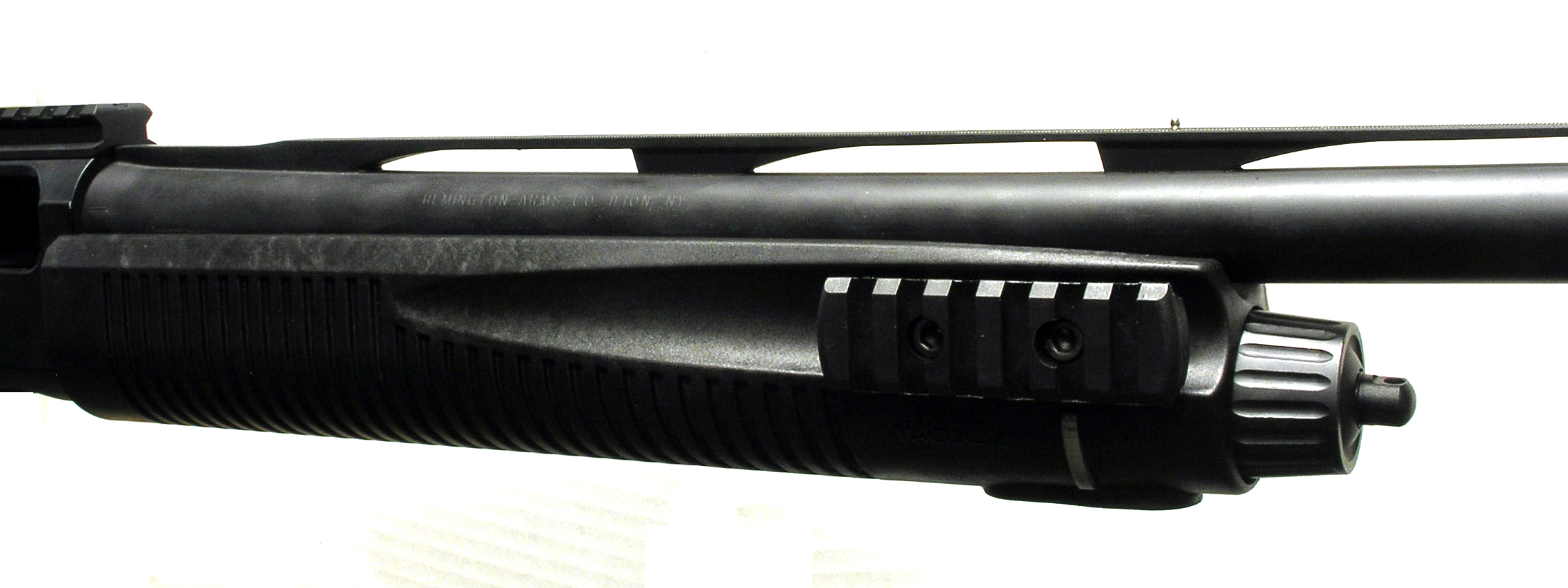
As for barrel types, you’ll find a wide spread: 18 to 20 inch open-choke defensive barrels with bead or rifle sights, 21 to 26 inch turkey and upland barrels often with interchangeable chokes, 28 to 30 inch waterfowl barrels with vent ribs, and dedicated slug barrels in smoothbore and rifled forms. Decide what you’ll actually do with the gun and pick the barrel that fits that role. Extra barrels are common and often more cost effective than buying a second gun.
How to evaluate a used 870: a hands-on checklist
Here is the way I walk through a used 870, from counter to counterbore. It’s quick, polite to the seller, and it tells you what you need to know.
- Verify clear: Action open. Chamber and magazine empty. Safety on. Do not muzzle sweep anyone while you work the checks that follow.
- Safety and trigger: With the gun cleared, engage and disengage the safety to ensure it blocks the trigger. Dry fire once while pointed in a safe direction. Keep it gentle, then rack the slide to reset and feel the action.
- Action bars and forend: With the action half open, feel for any binding. Look for bends, dents, or galling on the bars. A small amount of play at the forend is normal; clattery looseness can indicate worn parts.
- Carrier and shell latches: Flip the gun over and watch the carrier move as you cycle. The shell latches in the receiver walls should be fixed and not wobbly. Depress them lightly to confirm they have spring tension.
- Extractor and ejector: Inspect the extractor claw on the bolt face. It should not be chipped. Look inside the receiver at the ejector and its rivets. They should be tight and undamaged. A weak or sprung ejector will drop hulls at your feet.
- Bolt and locking surface: Shine a small light up into the top of the receiver and at the barrel extension. Scoring or peening is a red flag.
- Barrel: Remove the barrel. Sight down the bore and check for rust, pits, bulges, or a ring from a stuck wad or squib. On vent rib barrels, inspect for solder breaks and straightness. Ensure the barrel ring is solid and aligned.
- Choke system: If it is a Rem Choke barrel, verify a tube is present, the wrench fits, and the tube can be loosened and removed. Inspect threads for damage and galling. On fixed choke barrels, confirm the muzzle is round and undamaged.
- Magazine tube and spring: With the barrel off, check the tube for dents that could drag the follower. If present, inspect dimples or retainers that may limit extension options later. Remove the magazine cap carefully to feel spring tension and inspect the follower for cracks or roughness.
- Stocks: Look closely at the wrist of the stock where it meets the receiver for hairline cracks. Check the forend for splits at the rear. Compress the butt pad and look for dry rot. Small dings are just character; structural cracks are not.
- Finish and corrosion: Honest wear is fine. Deep rust around the magazine tube, under the forend, and in the chamber is what degrades function. Light freckling can be cleaned. Pitting in the chamber can stick hulls after the gun warms up.
- Function with dummies: If the seller allows, cycle a few dummy shells through the magazine. Watch feeding off the shell latches, extraction at the chamber, and ejection off the ejector. It should be brisk and positive.
- Aftermarket work: Check for scope base holes, side saddle screws, enlarged safety buttons, and trigger work. Quality work is fine. Sloppy holes, cross-threaded screws, and gritty triggers are not.
None of these checks require tools beyond a small light and maybe a choke wrench. The goal is to find a shotgun that runs correctly now and will still run correctly after you bring it home and clean it.
What features are worth paying for
Because so many 870s exist, features tend to matter more than pedigree. Here are the things that often justify a few more dollars for a shooter-grade gun:
- Extra barrel included, especially a useful pairing like a 26 or 28 inch vent-rib field barrel plus an 18 to 20 inch cylinder barrel.
- Rem Choke field barrel in good shape with a handful of tubes, if you plan to hunt different birds.
- Rifle-sight or ghost ring short barrel if you want a ready defensive configuration.
- Original, nice Wingmaster walnut if you care about looks and feel.
- A Police-marked receiver in good mechanical condition if that is the specific model you want.
What does not move the needle as much for a shooter: minor finish wear, basic beads vs mid beads on field barrels, or a missing sling swivel stud. Those are easy to live with or easy to fix. Avoid getting hung up on cosmetics at the expense of function.
Support, parts, and practical upgrades
Because the 870 has been made in such volume, parts support is deep. Swapping stocks, forends, followers, and magazine springs is straightforward. Several parts, like buttstocks and magazine tubes, share fitment with Remington’s gas guns, the 1100 and 11-87, which opens up even more options. That interchangeability is noted in the 870’s main entry as well.
If you are the type who appreciates how different actions behave, it can be helpful background to understand how Remington’s classic gas guns work compared to a pump like the 870. This piece on gas-operated Remington 1100/11-87 lays out the basics without getting lost in trivia.
Two small upgrades I like for working 870s are simple and reversible: a fresh magazine spring and a high-visibility follower. Both improve feeding when a gun has some age on it. Beyond that, consider sights that match your use. A tritium bead on a short barrel helps in low light. A tight turkey choke on a 21 to 24 inch barrel matters more than camo paint when you’re threading a pattern at 40 yards.
Any time you change barrels or chokes, read the markings and follow the manual. The 870’s barrel interchangeability is a strength, but it is only a strength when you match gauge and chamber correctly and install parts properly.
Use-case notes: field, slug, and defensive setups
Here is how I think about a few common roles for a used 870 and what I look for in each.
Upland and clay work
A 26 or 28 inch vent-rib barrel with Rem Choke tubes gives you the flexibility to shoot skeet one weekend and pheasants the next. A Wingmaster with clean wood is a pleasure here, but an Express that passes the mechanical checks is just as effective. If you’re stuck between fixed and removable chokes, Rem Choke wins for convenience unless a particular fixed-choke barrel simply patterns like a dream with your loads.
Waterfowl
For ducks and geese, longer barrels and tighter chokes still help with swing and patterning, and modern non-toxic shot will steer your choke choices. Many hunters prefer 28 or 30 inch barrels for the sighting plane. Make sure the barrel is marked for the chamber length and loads you intend to shoot. I’d budget for a fresh spring and a rugged sling setup if you’re going to live in the marsh.
Turkey
Turkey guns benefit from shorter barrels and tight, consistent chokes. A 21 or 23 inch Rem Choke barrel with a bright front sight is a handy setup. Pattern your gun at the ranges you will actually shoot. The right choke and load combination matters more than the model variant on the receiver.
Slug deer
Smoothbore slug barrels with rifle sights work very well inside typical woods ranges with traditional slugs. Rifled barrels paired with sabot slugs can stretch that. When buying used, confirm the sights are straight and tight and that the crown is clean. Run a patch down the bore and look for clean, sharp rifling if it’s a rifled barrel. A slightly heavier buttstock can help with recoil management for long sessions at the bench.
Defensive and duty roles
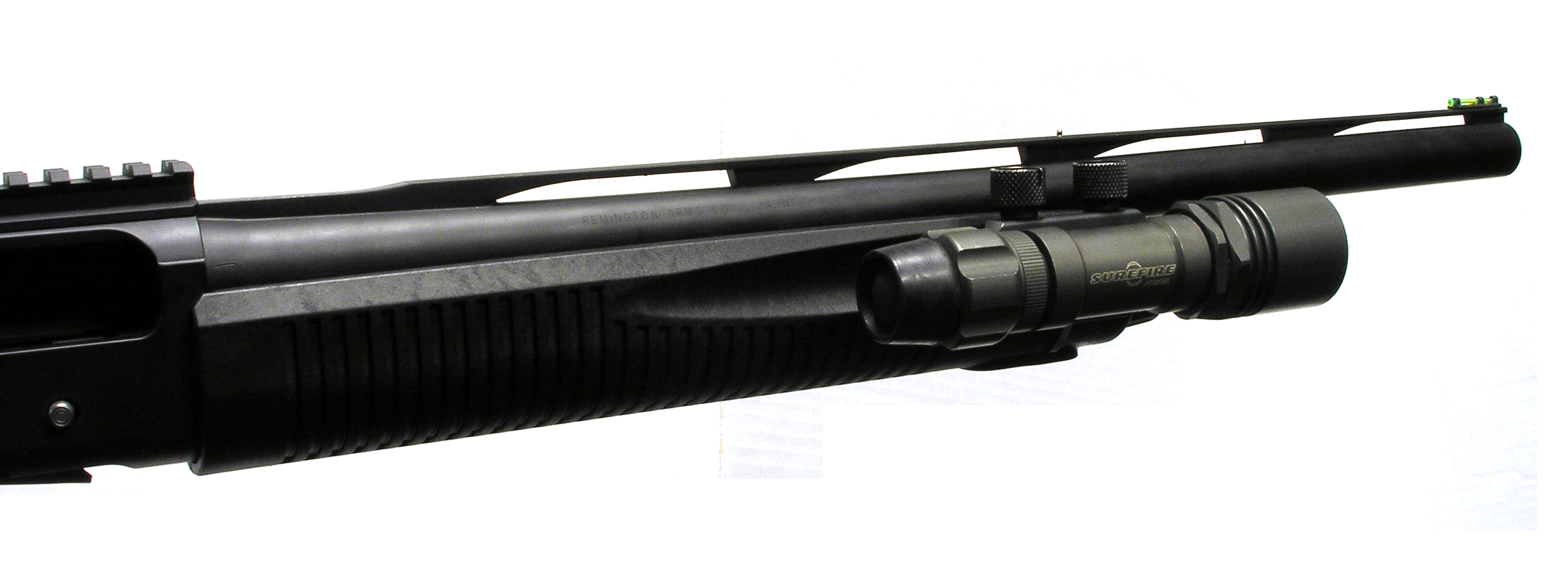
A short, cylinder-bore barrel from 18 to 20 inches with a plain bead is the classic choice. Rifle sights or ghost rings work for some, particularly if you like the option of precise slug placement. If a gun wears a magazine extension, make sure the tube is undamaged and the spring has life. Keep the furniture simple and ergonomic. A side-saddle and a light mount installed cleanly are more useful than a battalion of accessories.
Final thoughts from a collector who still shoots his 870s
For all the talk about variants and eras, the heart of an 870 is simple. A straight receiver, twin action bars that run true, a bolt that locks up clean in the barrel extension, and a barrel and choke that throw the pattern you want. The rest is wood, steel, and history layered on top.
If you take one thing into the shop with you, make it this: buy the gun that functions correctly and comes with a barrel that fits your use. Let cosmetics and labels be tiebreakers. The 870’s long run, its huge installed base, and the flexibility added when the Rem Choke system came online in 1986 mean you can shape a good used gun into almost anything you need. And if you ever wonder about basic assembly, part names, or how to care for your choke tubes, Remington’s current manual is worth a saved bookmark. It even reminds us of the simple stuff that keeps a good shotgun good, like keeping choke tubes snug and never shooting a Rem Choke barrel without one installed. You can find those notes in the Remington Model 870 manual.
That beat up Wingmaster on my rack is still ugly. It is also still the one I grab when I want a pump that runs, with the right barrel for the job. That is what a good 870 does.