
Remington Model 8 and 81: Browning’s Long Recoil Sporting Rifles
A practical, collector-minded look at Remington’s Model 8 and 81. Calibers, long recoil explained, police conversions, and what to check before you buy.

Call us any time at: (833) 486-6659
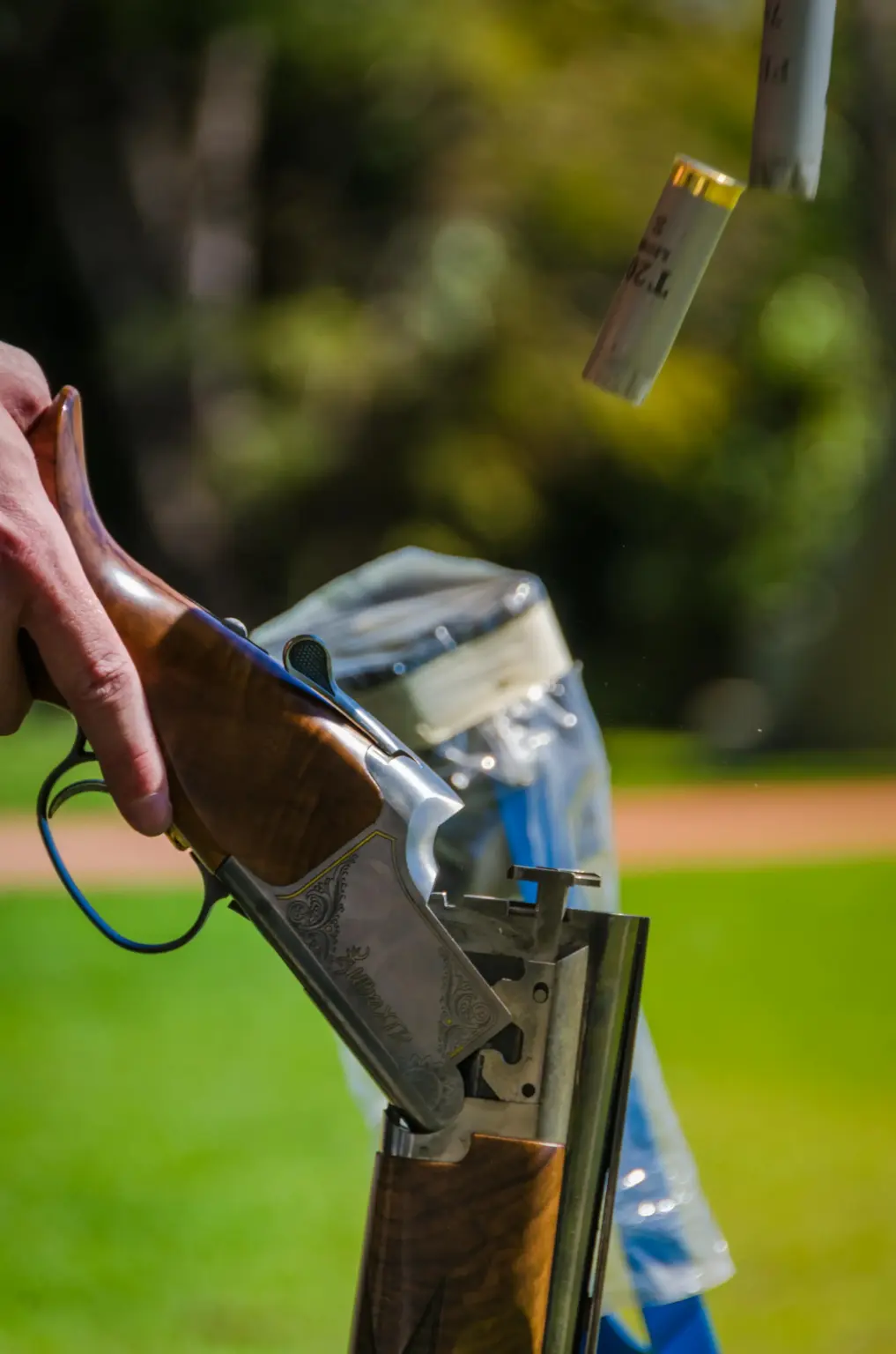
There is a particular click when a Beretta 680-series over/under shuts. The top lever eases back, barrels meet the face, and the whole gun goes from hinged to single piece. Handle a few and you can hear fresh, seasoned, and tired. That consistency is the through line of the 680 series: one proven, low-profile action wearing different clothes for birds, clays, and everything between.
Beretta’s 682, 686, and 687 live under the same 680-series umbrella, built around a slim, low-profile box lock that has earned its reputation for strength and reliability over decades. Today, many current models wear the Silver Pigeon name, with trim and purpose separating field from sporting roles.
Examples worth knowing:
Specs vary by trim, but shared DNA matters most: a low-profile action, cold hammer-forged barrels, and interchangeable chokes on modern guns. Many current 680-series models use Optimabore/OptimaChoke HP systems with threaded tubes.
From the user’s side, the cycle is simple: thumb the top lever to the right, tip the barrels, and close. Done right, it feels smooth and positive. Beretta’s factory manual reinforces a few basics of assembly and care: remove excess rustproofing oil from receiver and barrels, lightly lubricate the marked contact points, turn the top lever to the right, and seat the barrels on the hinge pins. Never try to insert the barrels into the receiver with the fore-end still on the barrel assembly. Those steps are shown in Beretta’s Over-and-Under manual (PDF).
On a healthy 680-series gun, closing tells you a lot:
Keep the hinge and bearing surfaces clean and lightly oiled where Beretta indicates, and these actions tend to run a very long time.
Same action, different jobs. Field trims prioritize carry weight and quick handling. Sporting and trap trims aim for stability, recoil management, and a repeatable sight picture across a long round.
What you will usually notice:
When choosing, think in terms of carry weight, how the gun comes to your eye, and whether you want stock adjustability to lock in your mount.
The 680-series evolved in steps rather than hard breaks. Instead of chasing serial ranges, evaluate what changed where you can feel it:
On the used rack, shop by fit, function, and condition first. Names and ornament are secondary to how a specific gun cycles and shoulders for you.
Beretta’s manual sets two non-negotiables before anything else: pull the barrels and look through from the breech to confirm they are completely clear, and confirm choke tubes are clean, undamaged, and tight with the supplied spanner. Never use a choke showing defects, warping, or heavy incrustation. Those basics are spelled out in the factory manual.
Then work through this short list:
Reassemble with a light film of oil only where the factory shows, and wipe away excess preservative oil from barrels and receiver before shooting. It keeps the gun running and prevents oil migration into the wood.
A 686 or 687 field gun feels quick and eager, easy to carry and easy to mount on a flushing bird. A sporting-trim sibling steadies the swing, spreads recoil, and settles your head for consistent targets from station to station. Fit drives both experiences. If you find yourself hunting the rib or losing your cheek weld as you fatigue, it is often a stock issue, not a barrel issue, and adjustability can be worth its weight.
Before any first range trip, make two last checks from the manual: look through the bores from the breech to ensure they are clear, and confirm chokes are clean and snug with the correct spanner. And remember the simple assembly caution that saves wood and tempers alike: never try to seat barrels into the receiver with the forend still fitted to the barrels.
The 680-series endures because it stays itself. The 682/686/687 share one proven core, then let you pick the weight, trim, and feel that suit your shooting. Shop with your hands and a short checklist, and you will find one that closes with that Beretta click and feels made for you.
Available
View Item
Available
View Item
Available
View Item
Available
View Item
Available
View Item
Available
View ItemA practical, collector-minded look at Remington’s Model 8 and 81. Calibers, long recoil explained, police conversions, and what to check before you buy.
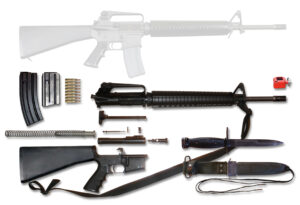
A collector’s look at Colt’s SP1 and early Sporters, from slickside uppers and pencil barrels to the rollmarks and small changes that hinted at the A2 era.
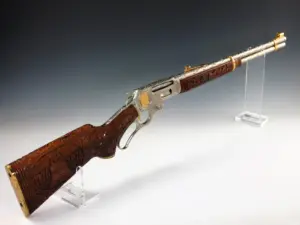
A practical, story-driven guide to reading JM vs REP barrel marks, understanding pre-safety 336s, Micro-Groove and Ballard-style rifling, and the smart checks to make before you buy.