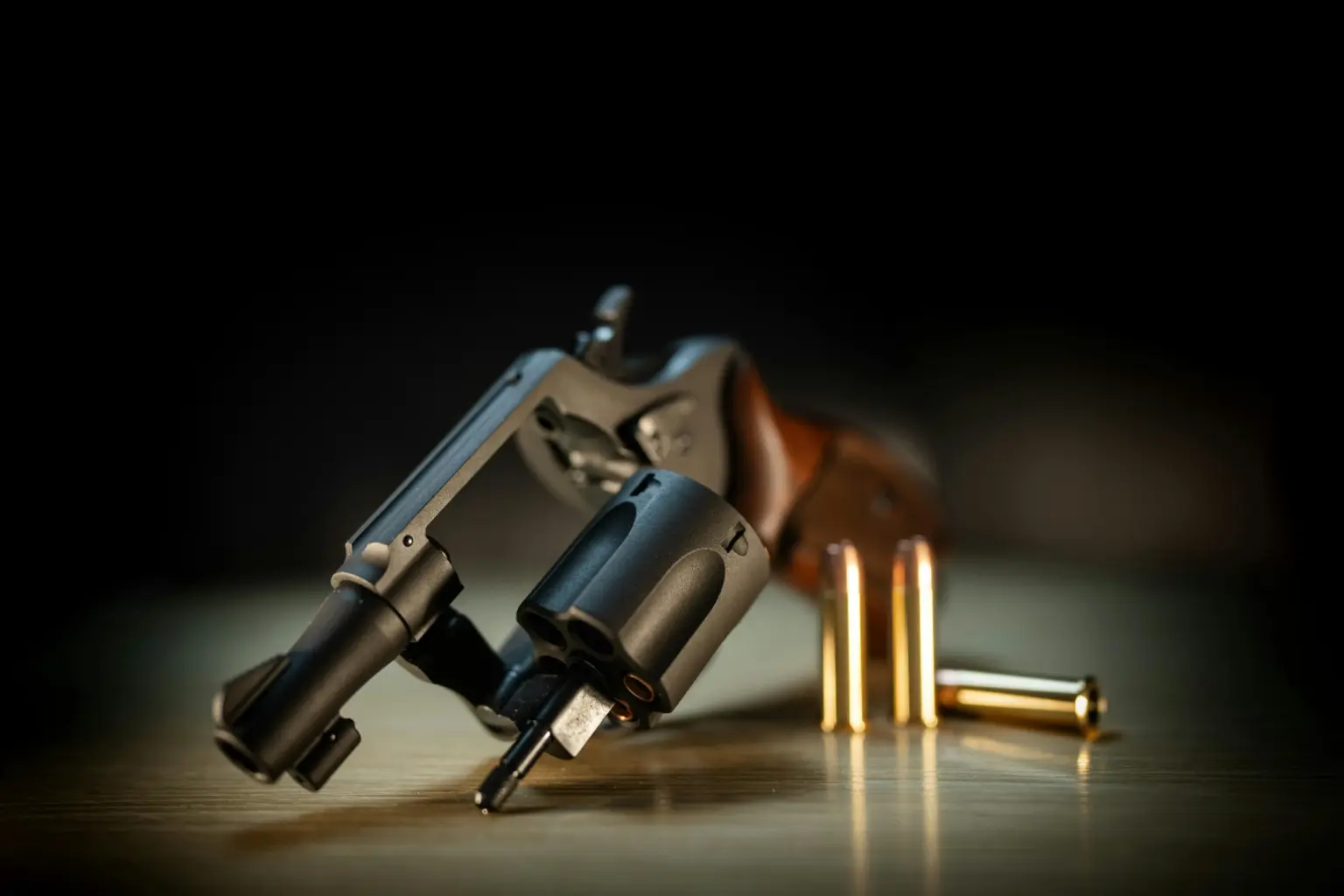
I keep meeting the same story at gun counters and range benches. Someone walks in for a modern polymer pistol, palms a few, and then a well-worn K-frame on the shelf starts a quiet conversation. The finish might be thin, and the stocks scuffed, but two cylinders at the range later, the groups stack like cordwood. You can see it in their face: this medium-frame wheelgun still has something the others do not.
So, what is a K-frame, really?
The K-frame is Smith & Wesson’s medium-frame revolver family, introduced in 1899 as the company’s early Military & Police hand-ejector pattern. That date matters. This line connects turn-of-the-century duty arms to today’s catalog without breaking stride. Over the decades, these revolvers were carried by law enforcement, citizens, and service members, and they evolved through target models, carry configurations, and even magnum-capable variants.
Production tells the rest of the story. More than 6 million K-frame revolvers have been built, and some credible accounts place the total closer to 10 million. That kind of number happens when a product fits hands, budgets, and real jobs for a very long time.
If you strip the jargon away, K-frame simply means the middle of Smith & Wesson’s traditional size ladder. It is bigger than a J-frame snub and smaller than the large-duty N-frame. That middle ground has always made sense for service cartridges, controllable recoil, and grips that suit a huge range of shooters.
The feeling that keeps people coming back
There is a reason the K-frame keeps earning a second look. It balances in the hand, carries without drama, and tends to shoot where you look. The double-action pulls on many examples are famously smooth and rolling, and the single-action breaks are usually crisp. Contemporary reporting describes single-action pulls often in the 3- to 4-pound range, with double-action strokes that are predictable and easy to stage or run straight through. That reputation has made K-frames favorites for defensive use and serious practice.
Grip fit plays a role too. K-frames shipped with a variety of stocks over the decades, from slim Magna panels to fuller target stocks. Shooters with small hands often used Magna stocks or a grip adapter, while larger hands did better with the bigger target stocks or aftermarket options. The platform flexes to the shooter instead of forcing a compromise. Even the legendary Border Patrolman and exhibition shooter Bill Jordan used a K-frame with stocks of his own design, which says plenty about how the platform handles when driven hard.
Recoil management is part of the charm. The medium frame and all-steel weight soak up .38 Special with ease. The size is friendly enough for extended range sessions, which is where real skill with a double-action revolver is built. If you have questions about the bigger picture of why revolvers still hold an audience, I have more to say here: Why Revolvers Still Appeal to So Many Shooters.
From .38 duty guns to magnum experiments
In the early days, there was no thought of service magnums. The K-frame’s bread and butter quickly became .38 Special, and that pairing made sense for generations. Half a century later the .357 Magnum temptation arrived, and it arrived on K-frames. The famous Model 19 and its stainless partner, the Model 66, pushed the medium frame to its ceiling. They worked, and they worked well, but very hot 125 grain .357 loads could be hard on the forcing cone in heavy training cycles. Agencies that fired a lot of full-power duty ammo saw cracking at the cone on some guns.
Two things happened. First, there was a partial ammunition answer in the form of a stout .38 Special +P+ 110 grain round that gave much of the magnum effect without being as punishing to the K-frame. Second, Smith & Wesson launched a slightly bigger frame to carry .357 with more margin. That became the L-frame line, a touch larger and about half a pound heavier than the K-frame. Importantly, it avoided the flat in the forcing cone that gave K-frame magnums their vulnerable spot. If you have handled a Ruger GP100 or a modern Python, you know the general size. Those three live in the same holster neighborhood.
For perspective on that sturdier class of revolver, you can also see: Why the Ruger GP100 Still Gets So Much Respect.
Does that mean magnum K-frames are off the table today? Not at all. It means understanding their history and choosing ammo accordingly. Many modern-production K-frames have addressed the old forcing cone concern, and sensible load choices make the classic magnum models perfectly at home on the range or in a defensive role.
Why they still matter for buyers right now
Plenty of shooters want reliability that does not depend on magazine springs, feed ramp geometry, or ammunition profiles. K-frames provide that with a proven mechanical layout backed by more than a century of carry and training. Capacity is not the headline here, but shootability is, and a gun that is easy to shoot well tends to get carried and practiced with.
Here is how I explain the K-frame pitch to new buyers standing on the fence:
- You get a revolver size that fits most hands and seasons. Too big to be twitchy, not so big that it demands a heavy belt every day.
- You get predictable triggers. Single-action is crisp. Double-action is a smooth roll on most examples, and practice makes it sing.
- You get broad caliber options in the family, from .22 LR trainers to .38 Special standards and .357 Magnum on select models.
- You get models with a deep bench of holsters and grips, plus decades of shared parts and knowledge.
There are also honest reasons to pass. If double-digit capacity is non-negotiable for your carry, a K-frame will not talk you into it. If you want an optics-ready slide and a red dot without any aftermarket work, you are in autopistol territory. And if an all-steel handgun feels heavy on your hip, a lighter platform might be a better daily companion. But for everyone else, a K-frame still delivers one of the most satisfying experiences in the handgun world. It rewards skill, carries with confidence, and keeps working across decades.
Current production: classics and rimfire trainers
The K-frame lives on in modern catalogs, which is part of what makes the platform easy to recommend today. You can walk into a store and buy new examples that honor the classic lines, or reach for rimfire siblings that match the balance and controls of centerfire models.
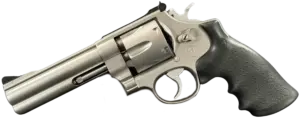
Contemporary K-frames include the Model 10, the Model 19 Classic that forgoes an internal lock, the Model 17 Masterpiece, the Model 48 in .22 Magnum with a 6 inch barrel, the stainless Model 66, and the Model 617 in .22 LR with 4 or 6 inch barrels. The Model 66 has been listed around 999 dollars, and performance-tuned variants exist through the company’s Performance Center. On the modern side, you will also find carry focused spins like the Model 19 Carry Comp. In short, the family is not a museum piece. It is a living product line.
Smart buying: vintage, modern, and what to check
K-frames are common enough that you can choose your path. Maybe you want a new-production rimfire companion and a classic .38 for carry. Maybe you want one well preserved duty gun. Maybe you want a stainless magnum model for field use and a blued fixed sight gun for the nightstand. However you slice it, there are a few things I always look at on a potential purchase.
- Mechanical feel. Dry fire in double-action with snap caps if the seller allows it. You are listening for a smooth stroke and a clean, consistent reset.
- Timing and lockup. Cock the hammer slowly and watch the cylinder stop engage the notch on each chamber. At full lockup, check for minimal rotational play. Most used revolvers have some, but you do not want anything sloppy.
- Endshake and cylinder gap. Push the cylinder fore and aft gently. Excess endshake can hint at a hard life. A consistent cylinder gap suggests the gun is in spec.
- Forcing cone. On magnum K-frames like vintage Model 19s and 66s, give the forcing cone a close look. High round counts of very hot 125 grain magnums have been associated with cracks. Most guns are fine, and many were not fed those loads, but a quick inspection is smart.
- Sights and muzzle crown. Fixed sight guns should shoot to point of aim with standard .38 loads at defensive distances. A clean crown helps the gun print true.
- Stocks and fit. If the factory grips do not fit you, that is not a deal breaker. K-frames accept a wide menu of stocks. The goal is a straight, repeatable trigger press without shifting your hand.
Buying used can be deeply satisfying with K-frames, because there are so many honest guns out there. Former duty revolvers often show holster wear but remain mechanically excellent. If you prefer a barrel with modern rifling and updated metallurgy, current production brings that while maintaining the classic handling.
Dating tips: model names and serial prefixes
K-frames wore names before they wore model numbers. In 1957, Smith & Wesson moved to a numerical naming convention. That is when the venerable .38 Military & Police became the Model 10. You will see the term Pre-Model 10 used for guns produced before the 1957 shift.
Serial prefixes can also help you place a gun in time. A C prefix appeared on K-frames beginning in 1948 and continued until 1967, at which point the D series took over. That span covers a lot of guns, but it helps narrow a date range quickly while you are standing at a counter.
Shooting and training notes
A K-frame is easy to like and still asks for discipline. Revolvers reward a firm grip and a straight, uninterrupted double-action press. If you are new to this style, put in the reps. Several experienced hands have pointed out that mastering double-action shooting takes extra practice. The payoff is real, because K-frames tend to give back everything you put in.
Loads matter, too. With vintage magnum models, a steady diet of full-house 125 grain .357 is not the way to keep an old forcing cone happy. Sensible .357 loads and .38 Special for most practice will make your gun last. On the flip side, modern K-frames have been updated to address the old issues, and the .38 Special models have always been perfect partners for high round counts.
Triggers deserve a special note. Many K-frames deliver single-action breaks that are clean and light and double-action pulls that are among the smoothest in the class. That predictability builds confidence. It is one reason these guns have been favorites for both defensive carry and target work for generations.
Holsters, carry, and everyday use
One of the unsung strengths of the K-frame is how easy it is to live with. The platform has been popular for so long that holster support is broad. Inside the waistband, outside the waistband, or a well designed shoulder rig all pair well with a 3 to 4 inch medium-frame revolver. Some shooters prefer vertical shoulder holsters for how they handle muzzle direction compared to horizontal patterns. Others like a traditional belt rig for the fastest draw and least bulk. The right answer is the one that keeps the gun stable, protected, and accessible while respecting safe muzzle orientation and trigger coverage.
If you are comparing sizes for cross-shopping, remember that the L-frame, Ruger GP100, and modern Python sit in a slightly larger class and can often share holsters among themselves. The K-frame is a bit trimmer, which makes it easier to conceal for many folks without giving up a full grip and usable sights.
On the subject of day-to-day handling, the all-steel weight that some complain about is often the same weight that makes a K-frame shoot so sweetly. It damps recoil, helps the sights settle, and takes the sting out of extended practice. If you carry a K-frame regularly, pick a good belt and holster, and the weight fades into the background.
Rimfire K-frames: train like you carry
One of the best parts of the K-frame family is that you can buy a .22 sibling that mirrors your centerfire gun. The Model 17 Masterpiece and the stainless Model 617 in .22 LR, available with 4 or 6 inch barrels, make ideal training partners. The Model 48 in .22 Magnum with a 6 inch barrel brings a little more pop for small game and field carry. Matching grip size, trigger feel, and sight picture between rimfire and centerfire pays real dividends at the next practice session.
Models to know by purpose
If you are just getting your bearings, here is a simple way to frame the family:
- Classic fixed-sight .38: Model 10. The old Military & Police by another name. A cornerstone service revolver that still works as a home-defense tool or carry piece.
- Target and training: Model 17 Masterpiece and Model 617. Same family feel with rimfire economy.
- Magnum-capable: Model 19 and Model 66. The 66 brings stainless steel to the party. Modern examples address historical forcing cone concerns, and sensible ammo choices make older guns steady partners.
- Special runs: Performance Center offerings. If you want tuned actions or specific features, these are worth a look.
Modern catalogs also include variants like the Model 19 Classic that retain familiar styling details. The fact that the company still builds these guns today is itself a vote of confidence in the platform’s utility.
Who the K-frame suits, and who should skip it
To help you decide faster, here is the short version based on how people actually use these guns:
- Consider a K-frame if you value a proven mechanical system, a controllable size, and a trigger that is easy to shoot well. The guns have decades of duty and defensive use behind them.
- Also consider one if you split your time between a rimfire trainer and a centerfire carry gun and want them to feel the same in the hand.
- Maybe pass if you insist on 12 to 20 rounds on tap, need a factory-cut slide for a red dot, or find all-steel handguns too heavy for your carry pattern.
None of that is meant to start a platform war. It is just an honest sorting of needs. The K-frame lane is about confidence, control, and longevity more than magazine capacity and optics footprints.
Why the K-frame endures
Every once in a while, a design hits a natural balance. The K-frame did that in 1899 and never quite let go. Its size makes sense for real shooters. Its triggers make skill feel attainable. Its catalog still offers both the classics and the rimfire mirrors that let you train cheaply while building the same habits. And yes, the production numbers speak for themselves. More than 6 million, perhaps close to 10 million, is not an accident.
If you like steel that feels alive in the hand and a handgun that does not fight you, the K-frame remains one of the soundest choices you can make. It will not chase the latest trend. It will simply help you put bullets where they should go. That is why these medium-frame revolvers still matter.