
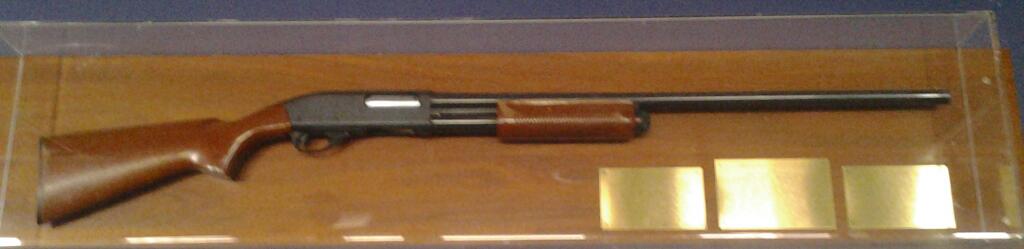
The first time an 870 surprises you, it is usually for how familiar it feels. The second time, it is for how different two 870s can be. Same profile, very different details once you look close. If you are buying or collecting, those details are the whole story.
This guide sorts Wingmaster from Express and Police, explains the Flexi‑Tab system that changed clearing a bad feed, and shows where to look on receivers, tubes, carriers, and stocks. We will keep dates and serials realistic, then finish with a quick inspection routine that saves you from surprises.
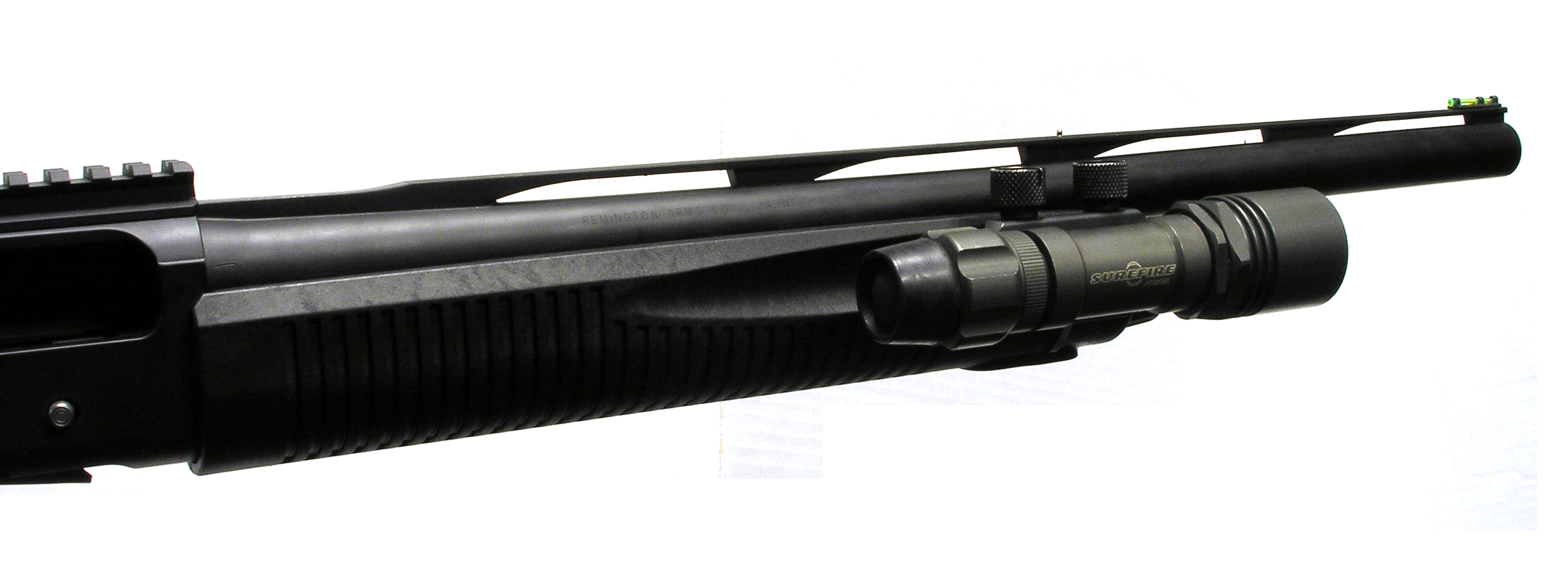
Wingmaster vs Express vs Police: the differences that matter
All 870s share the same core layout and a solid steel receiver introduced with the Wingmaster line in 1950. Trim levels shape how they look and feel.
- Wingmaster: polished receiver, rich blue, walnut or mahogany stocks, clean machining and smooth actions. Field barrels from upland to waterfowl lengths, vent ribs common in later decades.
- Express: introduced in 1987 as the budget model. Matte exterior, laminated wood or synthetic stocks, and rougher exterior polish on some runs. Actions can feel a bit grainy new but smooth up with use and proper lube. It became the working gun in countless blinds and trucks.
- Police: duty trim. Most wear 18 to 20 inch barrels, plain, rifle, or duty sights, and matte or parkerized finishes. Stocks are straight-grained wood or tough synthetics. Agencies specified parts, so you will see variety by contract and era.
Buy the configuration, not the roll mark. Plenty of Express receivers wear Police furniture now, and more than a few Wingmasters have been cut to defensive length. That is fine if the condition and price match the mix.
Receivers: solid steel and finish work inside
One constant across the family is a steel receiver. Finish work inside varies by era and trim. Wingmasters usually show cleaner deburring and a slicker cycle. Some Express-era guns left with utilitarian machining and the occasional burr on sharp edges. None of that keeps an 870 from running if it is clean, lightly oiled, and in spec.
If you field strip for a look, follow the factory manual. Align the barrel’s ejector cut with the ejector in the receiver, do not force the barrel against the ejector, and remember there can be sharp edges inside the receiver. Treat the trigger plate assembly with oil only and clean the bolt as a unit. The manual also covers choke tube handling and a simple assembly sequence.
Remington 870 factory manual: assembly, cleaning, and safety
Flexi‑Tab: what it is and how to spot it
Old 870s could suffer a hard jam if a shell slipped past the latches and sat on the carrier while the chamber was still loaded. The Flexi‑Tab update pairs a slotted carrier with a relieved bolt so you can rack through that error without tools.
How to identify it at the counter:
- Lock the action open and look at the shell carrier. Flexi‑Tab carriers have a visible slot through the carrier; early carriers are solid.
- Look at the bolt above the carrier for a matching relief cut.
Flexi‑Tab shows up on later Wingmasters, many Express guns, and Police models. It is a useful box to tick if you plan to train or run the gun hard.
Magazine tubes and barrel interfaces
Cap, guide ring, and cap detents
The 870’s barrel slides onto the magazine tube via the barrel guide ring, then the magazine cap cinches the assembly. Many barrels use a detent that engages the cap to keep it from loosening under recoil. When assembling, align the barrel to the ejector and seat it gently. Do not lever the barrel against the ejector.
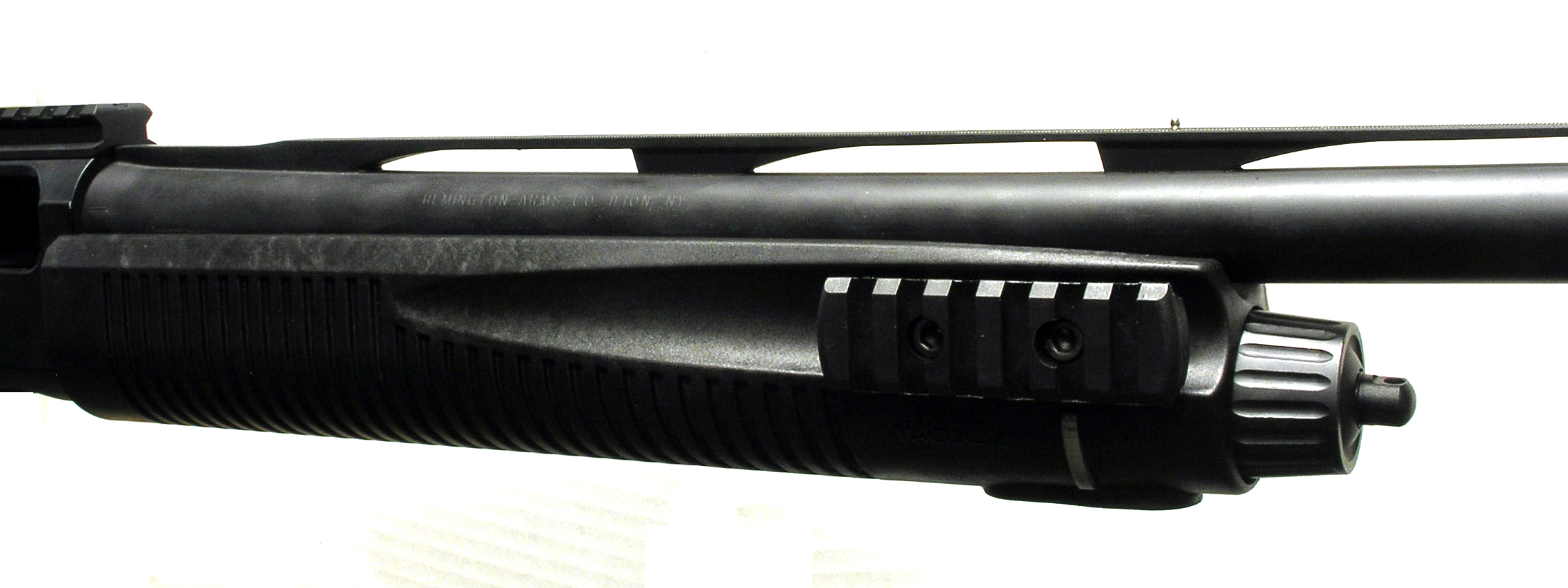
Extensions, dimples, and what to check
If you want more capacity, peek under the cap before you buy. Many Express-era guns use a plastic spring retainer and two dimples in the magazine tube. Those dimples retain the part but also block some one-piece extensions. Earlier Wingmasters and many Police guns often have different retention that plays nicer with extensions. Either style is fine; just match the gun to your plan.
Carriers, extractors, and trigger groups
Trigger plate assemblies: polymer and metal
870s shipped with both polymer and metal trigger plate assemblies over the years. Polymer is common on Express models and shrugs off corrosion. Metal is traditional on many Wingmasters and Police guns. In practice both can be durable. Condition matters more than material: clean pins, a positive safety detent, and a crisp sear.
Extractors, ejectors, and feed feel
The dual action bars, stout extractor, and springy ejector are why 870s earn their reputation. On a used gun, check the extractor hook for chips, the ejector rivets for looseness, and watch a slow cycle with dummy shells to confirm the shell latches hand off cleanly to the carrier and into the chamber. A gritty feel can be simple grime; deep gouges or odd timing suggest someone filed inside the receiver.
Finishes and stocks, and how they age
Finish is where trims show personality. Wingmasters wear polished receivers and walnut or mahogany stocks. They pick up honest edge wear that many collectors like. Express guns carry a matte finish with laminated wood or synthetics. The matte can vary in smoothness by run, and a few left with small exterior burrs that owners often knock down or simply shoot past. Police guns favor flat, serviceable finishes and hardy stocks that hide scuffs and clean up fast.
Check how wood meets steel. Even inletting hints at better care. For synthetics, inspect the wrist and forend tube nut. On laminated stocks, look for delamination at the butt or toe.
Dating features without fooling yourself
Barrel markings help date a barrel, not a gun. Barrels swap in seconds on an 870, so use features to bracket an era: Flexi‑Tab or not, polished or matte receiver, trigger plate material, sight style, barrel length and choke system, and magazine tube details. If you need more certainty, contact current factory support with the serial for guidance, and keep any estimate humble unless paperwork backs it up.
A smart 870 inspection in ten minutes
Bring a small light and 12 gauge snap caps if the seller allows them.
- Verify empty twice. Chamber and magazine, by sight and touch. Safety on. Muzzle disciplined.
- External pass. Look for pits, dents, cracks, and signs of refinish. Pay attention under the forend for hidden rust.
- Action feel. With the hammer cocked and safety on, cycle the forend halfway a few times. You are judging smoothness, not speed.
- Barrel off. With permission, pull the magazine cap and slide the barrel off. Inspect bore, crown, forcing cone, and the barrel ring. Confirm any removable choke is present and lightly snug. Never overtighten and never fire a threaded barrel without a choke installed.
- Receiver glance. Light inside to check carrier style, ejector rivets, and interior burrs. Avoid sharp edges.
- Magazine tube. Look for dents and, if you plan an extension, for dimples and the spring retainer style.
- Extractor and bolt. Inspect the extractor hook and bolt face. A relieved bolt paired with a slotted carrier suggests Flexi‑Tab.
- Trigger plate. Ensure the crossbolt safety clicks positive. With snap caps only, check trigger break and reset, then verify it will not fire on safe.
- Feed test. Cycle two dummy shells from the magazine slowly. Watch for a clean handoff from latches to carrier to chamber.
- Reassemble. Align the ejector cut, seat the barrel, snug the cap, and put a hint of oil on rails and cap threads.
Parts, support, and living with an 870 today
After Remington’s business changes in 2020, production resumed under RemArms. You will see current Fieldmaster and Wingmaster models on shelves, plus a deep used market of earlier guns. Manuals and support remain available, which makes reviving a dusty 870 straightforward.
RemArms official site | See current 870 listings at Remington
If you bring one home, give the bore, receiver, and trigger plate assembly a proper clean and lube before shooting. The factory manual’s basics apply: brush solvent in the receiver then wipe dry, clean the bolt as a unit, and treat the trigger plate assembly with oil only. If the barrel is threaded for chokes, keep a light coat of oil on choke tube threads, tighten snugly without overtightening, and check them occasionally. Those small rituals do more for reliability than most upgrades.
If you are cross-shopping gas autos from the same family, our look at the company’s classics may help: Remington 1100 and 11-87 Gas Autos, Decoded.
Bottom line at the counter: if polished blue and crisp wood sing to you, a nice Wingmaster is still the sweetheart. If you want a working gun with fewer worries about scuffs, a clean Express or current Fieldmaster will do the same jobs. If you want a short barrel with sights and an easy path to added capacity, a correct Police gun is satisfying, and a straight, fairly priced build on an Express can be too. Learn the features that matter to you, trust your inspection, and the right 870 will make itself obvious.