
If you’ve ever picked up an old Sako, you probably noticed the silhouette first. A neat bolt shroud, a safety that feels more like a Swiss watch than a sheet-metal tab, and that trademark tapered rail glinting on top of the receiver. The lines are unmistakably Finnish. What’s fun about Sako is how much of that look – and feel – carries across decades, from the small-action Vixen era to the TRG’s hard-edged precision world.
Buyers and collectors ask the same handful of questions about any Sako they’re thinking about: what action is it, how’s the trigger, and will my scope mounts fit. There’s also a fourth question that pops up more often now: how does Tikka fit into the big picture. Let’s walk the line from the early L-series hunting rifles through the 75 and 85 families, touch the new 90 era, and finish on the TRG side of the house. Along the way we’ll decode actions, triggers, and dovetails, and put the Sako-Tikka relationship into clear terms for anyone trying to make a smart buy.
Sako and Tikka under one roof
Sako’s story runs deep in Finland’s industrial history and winds through a few name changes and ownership shifts. In the 1980s, Sako and Tikkakoski were brought together under common ownership, and in 1983 the companies were formally combined as Oy Sako-Tikka Ab. Tikkakoski had a long and varied path of its own, including a stretch where it built everything from sewing machines to firearms. Under Finnish owners, the Tikka brand returned to rifles and introduced in-house designs by the late 1960s. The corporate naming shifted again in the mid-1980s, but the important bit for shooters is what happened on the factory floor in the years that followed.
Production was consolidated. By March 1989, Tikka rifle production was moved to Sako’s Riihimäki facility. From then on, Sako and Tikka lived side by side, with separate brand identities but shared manufacturing know-how and logistics. Over the last decade, that story accelerated. The Tikka T3x launched in 2015, and the compact T1x rimfire followed in 2018. Output swelled too, with Sako noting a high-water mark of 110,140 rifles produced in 2019. Around the same time frame, Sako highlighted that it uniquely manufactures both rifles and rifle cartridges in the same overall operation – a rare blend of in-house control for a modern firearms maker.
Why does any of this matter to a buyer? Because it explains why Tikka and Sako share some smart solutions, especially around scope mounting and production consistency, even while they target different price points and use cases.
The early classics: L46, L461 Vixen, L57/L579 Forester, L61R Finnbear
If you collect, you already know the names roll off the tongue like a family tree. The small-action Vixen, the mid-length Forester, and the long-action Finnbear. If you’re newer to Sako, here’s the quick map.
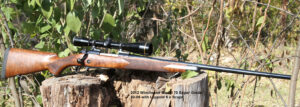
Think of the early and mid-century Sakos as letter-number rifles sorted by receiver length. The small action family is most commonly encountered as the L461 Vixen. Optics Trade notes the L461 was produced from 1961 to 1992. The medium action sits in the L57 and L579 Forester family. The long-action flagship is the L61R Finnbear, introduced in the early 1960s and built around a push-feed system. These names are often stamped on the receiver, but on some rifles they’ll be more visible on the barrel or hidden under the wood. What’s consistent across these families – and a major reason people fall for them – is how they handle and how they’re built.
Regardless of length, these classic Sakos share two features buyers should look for. First, a bolt that runs like it was lapped-in at the factory. Second, a scope-mounting surface that looks a little different than your Remington or Mauser standbys. That brings us to the famous Sako dovetail.
The Sako dovetail – what changed and what didn’t
Sako’s hunting receivers have long worn a proprietary tapered dovetail that sits directly on the top of the action. It is split into two discrete rails with the front section slightly wider and the rear a touch narrower. At the back there is a recoil notch machined into the rail that works as a mechanical stop for compatible mounts. In a world full of round-top receivers that take a separate base, Sako’s solution has been something like a brand signature.
That tapered profile matters when you’re buying mounts. Many older and even later Sako hunting rifles share this same mounting surface, including the L461 Vixen, L579 Forester, and L61R Finnbear families. If you’ve got a set of rings that clamp the Sako taper and use the rear notch correctly, they’ll often move among those families without fuss. But not every Sako uses the classic taper. The law enforcement and precision TRG rifles went a different way, and Tikka followed suit with its modern lines.
TRG 21 and 41, and subsequent TRG 22 and 42 rifles use a 16.5 mm dovetail. It looks different and behaves differently than the classic tapered setup. On TRG receivers you’ll also see three mounting holes at the front of the dovetail and three at the rear, giving you additional ways to lock down optics interfaces. The same 16.5 mm pattern appears on the newer Tikka T3 and T3x rifles. If you’re scoping a TRG or Tikka, look for mounts specific to that 16.5 mm dovetail. Trying to force classic Sako-taper rings onto a TRG or T3x is a quick way to chew up finish and lose zero.
For a visual and model-by-model breakdown of how Sako’s mounting surfaces evolved, Optics Trade’s overview of how the mounting system on Sako rifles changed through time is a handy reference when you’re matching rings to a receiver in online photos.
From letter-number soup to clean names: S491, M591, L691 and beyond
By the late 1980s and early 1990s, Sako’s internal designations started to tidy up. You’ll see transitional families named S491, M591, and L691. The pattern is clever once you spot it. Those last two digits are stable, and the leading number indicates the action length: 4 for the short, 5 for the medium, 6 for the long. That simplified the shelf label without reworking the entire receiver concept.
Then Sako simplified again. Instead of creating a new name for every action length, Sako grouped multiple receiver lengths under a single rifle family. You’ll recognize that approach from the TRG-S M995, and especially the hunting-focused Sako 75 and Sako 85 lines. Within a single model name, Sako offered multiple receiver sizes so cartridges sat in the action they deserved, and shooters could pick the specific length they needed without learning a new alphabet soup for each one.
Triggers the Sako way
Triggers are a huge part of Sako’s reputation. It’s one of the first things that stands out when you press through the wall on a Vixen or a later 75. From the factory, Sako has long emphasized a clean break on hunting rifles, and you’ll find most examples feel far better than mass-market triggers from the same era. Many Sako hunting triggers are also user adjustable within safe ranges, though the exact method can vary, so it’s smart to consult the specific manual for your rifle.
On the precision side, adjustability becomes a theme across the whole package. The TRG line was designed around the needs of competitive and professional shooters, where repeatable ergonomics matter as much as raw mechanical precision. Stocks and controls are configured to be set up to the shooter, not the other way around. That broader adjustability story is one reason the TRG earned a following with long-range competitors.
As a buyer, here’s the quick trigger checklist I use on used Sakos:
- Verify the safety blocks the sear and the bolt behaves correctly with the safety engaged and disengaged.
- Check for signs of over-adjustment or tampering such as backed-out screws, damage to screw heads, or lock compound residue where it shouldn’t be.
- Dry fire from a steady position. You’re listening for a consistent break and looking for a clean reset.
- If the seller allows, bump test the cocked, unloaded rifle gently from the butt to confirm the trigger doesn’t release from shock. Do this only with the chamber open and cleared.
Sako 75 and the consolidation of lengths
The Sako 75 marks a pivot point. It brought modern manufacturing to the classic Sako feel and leaned into the idea of a single rifle name covering multiple action lengths. It was a commercial success, and by 1997 Sako had phased out older rifle offerings in favor of the 75 family. If you’re shopping used, that means you’ll often find late production older models overlapping with early 75s on the same rack. The 75 kept the conversation familiar for owners of older Sakos: polished bolts, clean triggers, and on the hunting side, that same recognizable tapered dovetail atop the receiver.
Magazines and bottom metal vary by action length and cartridge, so if you’re adding spares, match like for like. The good news with the 75 and later families is that Sako’s length philosophy stayed logical. Once you know the receiver size in your hands, your odds of ordering the right parts improve dramatically.
Sako 85 and the current pattern
The Sako 85 extended the 75’s approach and pushed it farther down the road. Under a single model name, the 85 was made in a spread of receiver sizes. Optics Trade highlights how wide that spread is, noting 85 actions ranging from XS to XL in defined steps of receiver length. That broad sizing is one reason the 85 family shows up in so many cartridge and configuration combinations without feeling shoehorned.
On the optics front, the 85 hunting receivers keep the Sako-taper identity, so traditional Sako-style ringmounts and bases remain the natural fit. If you want to run a Picatinny rail on an 85, you’ll find solutions that clamp to the taper or index off the recoil notch in back. Just make sure the rail or ring set is designed for Sako’s profile and not for the Tikka 16.5 mm pattern.
Beyond the 85, Sako’s newest flagship hunting line continues the idea that you don’t need a new model name for every receiver size. If you’re comparing the 85 to the newer 90 series, use the same buyer logic: identify the specific action length first, then plan your magazine, stock, and mount choices around it.
TRG: the precision branch
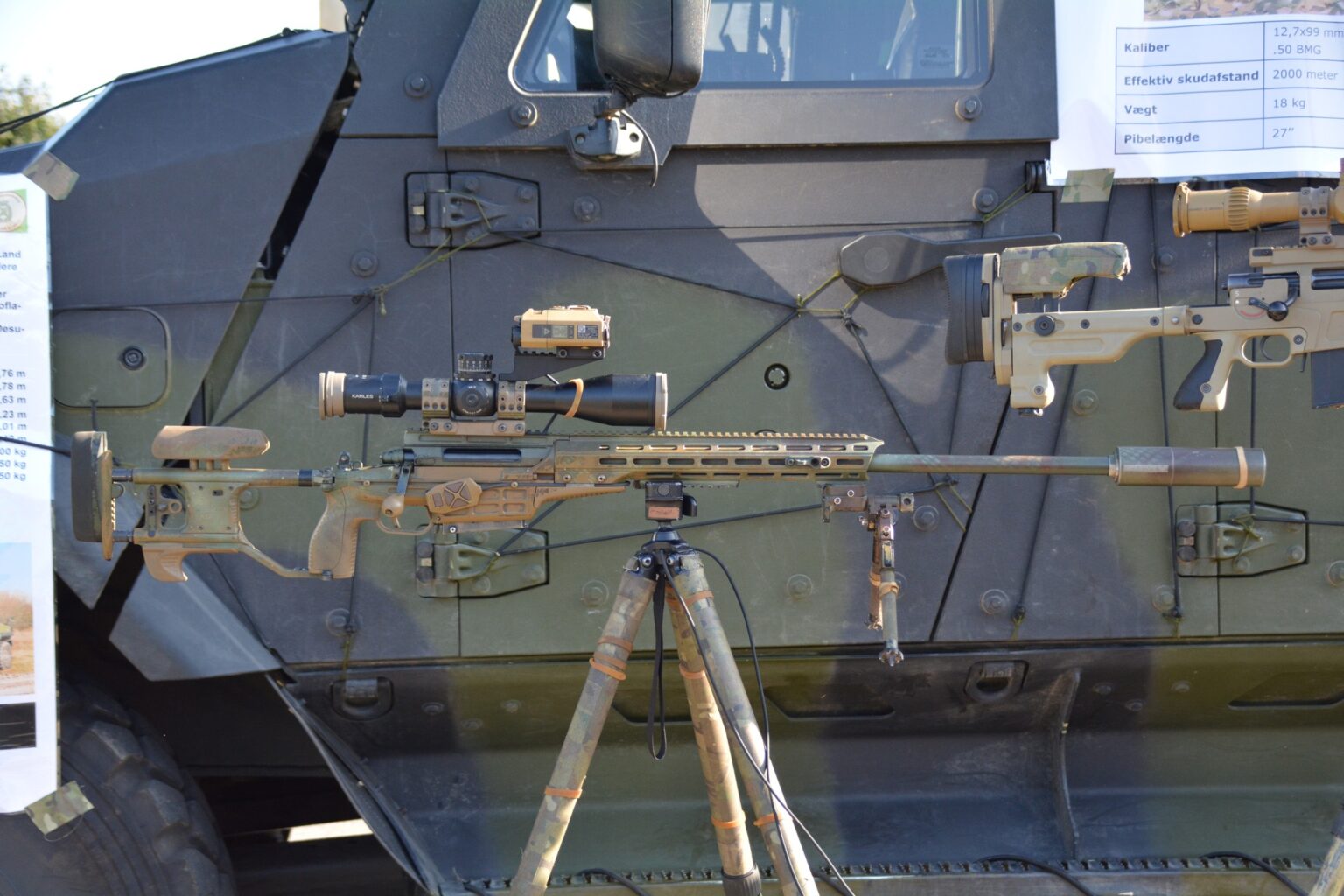
While Sako’s hunting rifles followed one path, the precision rifles carved out their own lane. Early TRG 21 and 41 models put Sako on the radar for long-range competition and duty use. That DNA carried forward into the TRG 22 and 42. The current TRG 22/42 A1 rifles come from the factory with a sub-MOA accuracy guarantee and the kind of modular stock and chassis features that let a rifle fit the shooter for long strings from prone, kneeling, or the awkward barricade positions that show up in competition. On the accessory front, you’ll find thoughtful touches like built-in M-LOK interface to mount bipods, bags, or other support gear where you need it.
For an overview of the family and current specs, Sako’s page on the TRG rifles lays out the modern lineup and highlights the emphasis on adjustability and repeatable performance. You’ll also see an important milestone in the TRG tree: the introduction of the TRG M10 in 2011, a multi-caliber duty rifle that broadened what a factory TRG could be.
Mounting optics on a TRG is easier than ever if you respect its pattern. Remember that 16.5 mm dovetail with the extra mounting holes, and you’ll end up with a solid interface. Try to force a classic Sako-tapered ring onto a TRG, and you’ll fight the geometry from the first clamp turn.
Tikka’s throughline – mounts, parts philosophy, and factory life
Once Tikka production moved under Sako’s roof in Riihimäki, the two brands started sharing a quiet backbone of features, tooling, and process. Tikka’s modern T3 and T3x rifles use the same 16.5 mm dovetail concept you see on the TRG. That means scope rings and rails built for the Tikka pattern often fit the TRG pattern and vice versa. For a buyer, that simplifies life. If you already have a quality set of Tikka-specific rings and you’re stepping into a TRG, there’s a decent chance those rings carry over, pending height and optic needs.
This is also where Sako’s role as a cartridge manufacturer matters. Operating rifles and ammunition under the same umbrella isn’t just a marketing note. It shows up in consistent chambers and the way Sako rifles tend to shoot a wide spread of factory loads well. Recent history underscores how active the combined operation has been: the Tikka T3x’s 2015 launch, the 2018 T1x rimfire debut, and the production record set in 2019. None of those things happen if the gears aren’t meshing in Riihimäki.
Buyer quick-check: action, trigger, and mount fit
If you’re scanning a rack or an online listing, a few fast checks will save you headaches later.
- Identify the receiver family. Look for L461, L579, L61R on earlier Sakos. On transitional models, look for S491, M591, L691. On later rifles, identify the 75, 85, or 90 family and then confirm the receiver length within that family.
- Match scope mounts to the receiver. Classic Sako hunting receivers use the tapered dovetail with a rear recoil notch. TRG and Tikka T3/T3x use a 16.5 mm dovetail with additional mounting holes. Don’t cross the streams.
- Confirm push feed or other details only from reliable sources. For example, the L61R Finnbear is documented as a push-feed design. When in doubt, ask the seller for clear bolt face photos.
- Test the trigger safely. Check for tampering and verify safe operation. If the trigger feels harsh or “crunchy,” budget for a proper cleaning and inspection.
- Mind magazines and bottom metal. On 75 and later families, parts are length-specific. Grab the correct action length spares and you’ll avoid a lot of returns.
- Note cross-compatibility. Tikka dovetail mounts often cross to TRG. Classic Sako-taper rings live mainly on Sako hunting receivers. Keep a small notebook of what fits what.
Closing thoughts
I’ve had a soft spot for Sako since the first time I worked the bolt on an older Vixen and realized it had no business being that smooth after a lifetime of use. The charm of these rifles isn’t just nostalgia. It’s the logic that runs through the whole line. Short actions for short cartridges. A dovetail that stayed a dovetail for decades. And when Sako did split off into a modern precision branch with the TRG, it did so with the same clear purpose. Tikka’s presence in the building didn’t dilute any of that. If anything, it seems to have kept both brands honest about what makes a good rifle.
So if you’re a buyer looking at an L61R Finnbear, a clean 75, a polished 85, or a TRG that’s still cutting respectable groups, you’re dealing with a company that found a way to be modern without losing its handwriting. Understand the action in front of you, pick mounts that match the metal you’ve got, and treat the trigger with the respect a Finnish trigger is due. Do those three things and it’s hard to go wrong with Sako, no matter which decade your rifle calls home.