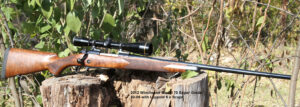

I still remember the first sporter Mauser I mounted for a friend, a tidy pre-war that shot like a young stag until we put a scope on it. First group at 100 yards looked fine. Second group opened up. Third group walked sideways. The scope was sound and the bedding was not the culprit. The problem was basic. Wrong rings on the wrong base, and one crossbolt barely kissing a narrow slot. It held for a few shots, then recoil pried it loose a hair at a time.
Rails look alike. Rings look alike. Dovetails all look like, well, dovetails. Small differences decide whether your zero stays or wanders. Once you know how the systems differ, you can sort it fast and stop chasing ghosts on the range.
Rails, Bases, Mounts: What We Are Really Talking About
People use rail, base, and mount interchangeably. In practice, the rail or base is the interface that bolts to the firearm, and rings or a clamp are what grip the optic. There are three common families you will run into, and most headaches come from mixing them without understanding the geometry.
- Weaver style cross-slot bases
- Picatinny rails, also called MIL-STD-1913
- Dovetails, typically 3/8 inch or 11 mm, plus some proprietary cuts
If you want a quick primer on how these families relate, this overview from Guntweaks is a solid starting point: Weaver vs Picatinny vs Dovetail.
Weaver vs. Picatinny: Same Look, Different Rules
Weaver and Picatinny look like cousins. Both use transverse grooves and side-clamping rings, but they are not the same standard. Picatinny is a military specification designed for consistent slot dimensions and repeatable ring engagement across platforms. Traditional Weaver bases vary more in slot geometry, and the slots are often narrower.
Here is the reliable field rule: most Weaver style rings will clamp to a Picatinny rail, but many Picatinny specific rings and accessories will not fit a Weaver base due to slot width, spacing, and sometimes depth. That compatibility note is straight from makers who cut rails to spec, and it matches what you see at the bench. For a deeper explanation of why this matters, see EGW’s guide on Picatinny vs. Weaver differences and compatibility.
If your rifle wears a true Pic rail and you prefer Weaver rings you already own, you are usually fine. If your rifle wears narrow Weaver style bases and you are trying to run Picatinny rings with wide crossbolts, the lugs often will not seat, which gives you either a no-go or a false sense of tightness with incomplete engagement.
One more practical note. Aftermarket rails labeled as Picatinny are not always cut cleanly to the standard. If rings bind when dropping into a slot, or you can rock a ring fore and aft before tightening, that is a red flag. Try another slot or inspect the groove edges. Proper MIL-STD-1913 rails, matched to quality rings, should seat smoothly and repeatably. Monstrum’s overview also reinforces the lineage and why Picatinny followed Weaver to solve consistency: Picatinny, Weaver, and Dovetail Mounts.
Quick ID in the Wild
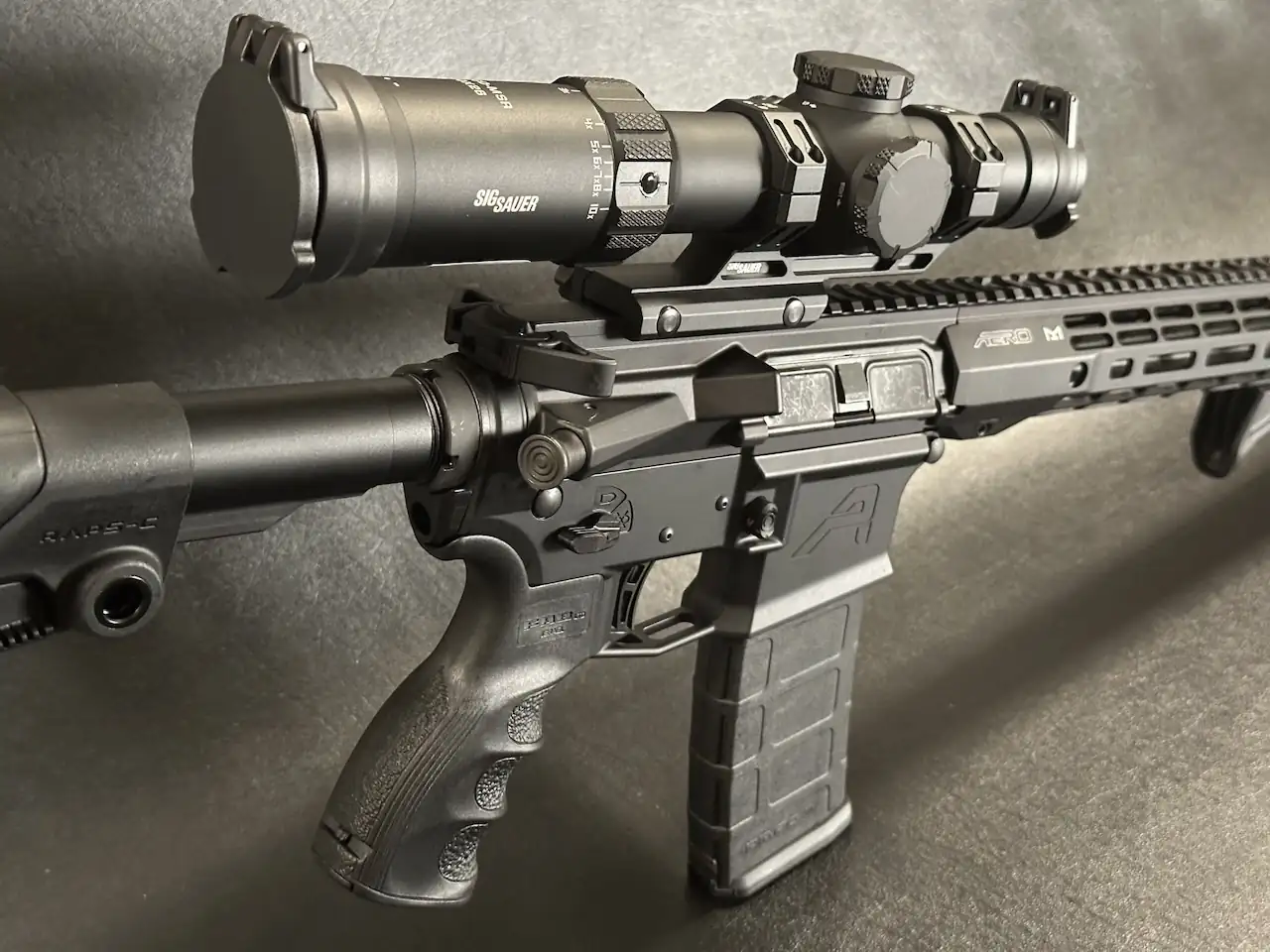
- Picatinny rails usually run full length with evenly spaced, standardized slots.
- Weaver bases are often two-piece with fewer, narrower slots and less consistent spacing.
- If Picatinny rings refuse to seat in your base, assume it is a Weaver pattern and match rings accordingly.
Dovetails: The Rimfire Classic With Many Personalities
Dovetails use tapered wedges instead of cross-slots. They are common on rimfires, air rifles, and some European sporters. The two sizes you will see most are 3/8 inch and 11 mm. They look close enough to fool you, which is why people sometimes clamp the wrong rings on and think they are set. On the bench it can feel solid. Under recoil you get creep and scuffed rails.
If you are not sure which you have, measure the width across the top flats with calipers or check the rifle’s manual. Some dovetail systems also include a stop pin or stop screw. If your rail offers a stop and your rings provide one, use it. Without a stop, seat both rings forward against the wedge under tension as you snug them, which preloads the system in the same direction recoil will act.
There are proprietary dovetail cuts out there. If the receiver top is sleek and rounded with angled flats rather than cross-slots, assume it needs rings made for that system. Many shooters add a small adapter that converts a dovetail to a short Picatinny or Weaver segment, which can be serviceable for a .22 or light optic when correct rings are hard to source.
Ring Geometry 101: Tube, Height, and Contact
Get the base right, then solve the rings. When rings are right, they disappear into the background. When they are wrong, you burn ammunition chasing a problem that starts at the bench.
- Tube size: match 1 inch to 1 inch, 30 mm to 30 mm, and so on. Forcing a mismatch invites damage.
- Height: ignore generic labels and check real clearance. You need room over the barrel and receiver, and enough space for scope caps. Lower is usually better if it preserves a natural cheek weld.
- Contact and alignment: modern rings are often true enough that lapping is unnecessary. If you see bright rubs or the tube wants to twist while tightening, you may have misalignment. Do not use the scope as an alignment tool. A one-piece rail or careful lapping can straighten the stack.
- Recoil management: on cross-slot systems, the ring crossbolt is the lug. On dovetails, a stop pin or a front-shouldered ring helps. Mechanical engagement beats friction alone.
Torque and Thread Prep: Small Numbers, Big Results
Over-tightening ring screws or base screws can physically damage your scope and mounting hardware. Modern scopes are precision instruments, and torque specs matter for your accuracy and your zero. Many makers recommend about 25 inch-pounds on base screws. Apply blue threadlocker to base screws only, and avoid threadlocker on ring cap screws unless the ring manufacturer calls for it. For ring-to-base screws on detachable rings, follow the ring maker’s spec.
Over-torqued caps can compress the scope tube and interfere with the internal erector system, which leads to tracking issues and wandering zeros that look like a bad scope. Weaver’s guidance explains why torque discipline protects your gear and your groups: Are torque specs really that important?
A simple, repeatable routine:
- Lightly degrease screws and threaded holes, then dry.
- Test fit bases finger tight to confirm hole alignment.
- Apply a small drop of blue threadlocker to base screws only, then torque in sequence to the maker’s spec, often about 25 inch-pounds.
- Set eye relief, level the reticle, then torque ring caps evenly and in steps to the ring maker’s number.
- Add a thin pencil witness mark across each ring cap and body so movement is easy to spot later.
Eight Common Fit Pitfalls You Will See
1. Weaver rings on Picatinny, Picatinny on Weaver
Weaver rings usually fit Pic rails. Picatinny rings often do not fit Weaver bases. If a crossbolt will not seat, do not modify parts. Match the ring to the base, or change the base to a true Pic rail.
2. Mixing 3/8 inch and 11 mm dovetail parts
They can look interchangeable and they are not. A small mismatch clamps on the bench, then slides under recoil. Confirm size before buying rings, and use stop pins where provided.
3. Hole spacing and base patterns
Bolt actions are drilled and tapped for specific front and rear base spacing. Swapping bases or forcing almost-right spacing tilts screws and throws alignment. Dry fit and verify part numbers before torque.
4. Rails that crowd ejection or bolt travel
On some turn-bolts, a long one-piece rail can hang over the port and flick brass back into the action. If brass is bouncing, consider a two-piece base set or a relieved rail.
5. Eye relief trapped by slot spacing
Short mounting length scopes can force awkward eye relief if slot positions do not line up. A full-length Pic rail gives more fore-aft freedom than two-piece bases.
6. Scope bell vs. barrel contour
Big objectives and heavy barrels collide more than people think. Verify clearance with a sheet of paper at room temperature. If it barely clears, expect contact in the cold.
7. Over-torqued cap screws and wandering zeros
Gorilla force on cap screws deforms tubes and kills tracking. If zero changes with magnification or temperature, confirm cap torque before blaming the optic.
8. Rails and rings labeled compatible that are not
If a crossbolt rocks in a slot or the ring base does not fully seat, accuracy will show it. Standardized Picatinny spec exists for a reason. Choose parts that meet it.
Choosing the Right Setup: A Simple Buyer Checklist
- Identify the interface first: two-piece bases, a Picatinny rail, or a dovetail. Do not guess.
- Match families: Weaver to Weaver, Picatinny to Picatinny, and dovetail rings to the exact size on your rifle.
- Pick the scope, then choose tube size and ring height for real clearance and a natural cheek weld.
- Use quality screws and correct driver bits. Do not chew heads or tilt caps.
- Plan eye relief. If slot spacing is limiting, use a full-length Pic rail for flexibility.
- Make a torque plan. About 25 inch-pounds on base screws is common, follow ring maker specs on caps, and keep threadlocker off caps unless specified.
- Dry fit and check alignment before applying threadlocker.
Troubleshooting: When Groups Wander
- Watch your witness marks. If caps move, you will see it.
- Check engagement. On cross-slot systems, loosen a ring and feel the crossbolt in the groove. If it rocks, change slots or match ring to base.
- Inspect dovetail bite. Shiny burnishing means sliding. Confirm size, add a stop, or increase clamping force within spec.
- Confirm torque with a wrench, not memory.
- Look for contact. Slide paper under the objective and near the bolt handle to find rub points.
- Rule out the obvious. Action screws and stock hardware that are loose can mimic scope problems.
Parting Notes For Buyers and Collectors
For new buyers, focus on identifying the base pattern, matching the ring family, and using proper torque. That combination prevents most headaches. For collectors, respect original metal. Older receivers may have shallow threads or non-standard spacing. Take your time, use correct drivers, and choose reversible solutions when adapting a classic to a modern optic.
If you want a compact refresher that reinforces the themes in this guide, Monstrum’s comparison is concise and practical: Picatinny, Weaver, and Dovetail Mounts. For a broader overview with photos and terminology, the Guntweaks primer is also helpful: Weaver vs Picatinny vs Dovetail. They echo the same lesson you will see on target. Small geometry choices have big effects on zero.