
The first time I handled a well-used Ruger Standard, the bluing had thinned to a soft gray on the muzzle and the grips were polished smooth by years of handling. The bolt glided with that familiar hollow snick and the pistol balanced like a slim fishing rod. That’s the magic of Ruger’s Standard and Mark pistols. They sit at the quiet center of American rimfire life: range bags, farm trucks, junior matches, basement benches. If you’re eyeing one, or trying to sort the differences from MK I to MK IV, this guide puts the pieces in order. We’ll cover how they’re built, what truly changed by generation, how to date a Standard or Mark I, and which upgrades help without scrubbing away the charm.
How these pistols are built: the upper, the bolt, and the Mark DNA
Ruger’s .22 autoloading pistols share a core layout that gives them their feel and reputation. The barrel and receiver are a single upper assembly. Inside that tube runs a round bolt that rides on the receiver walls. Two nice side effects fall out of that design: your sights and barrel live together so zero stays with the barrel, and the bolt cycles on a straight path that tends to run well with a wide diet of .22 LR once things are reasonably clean.
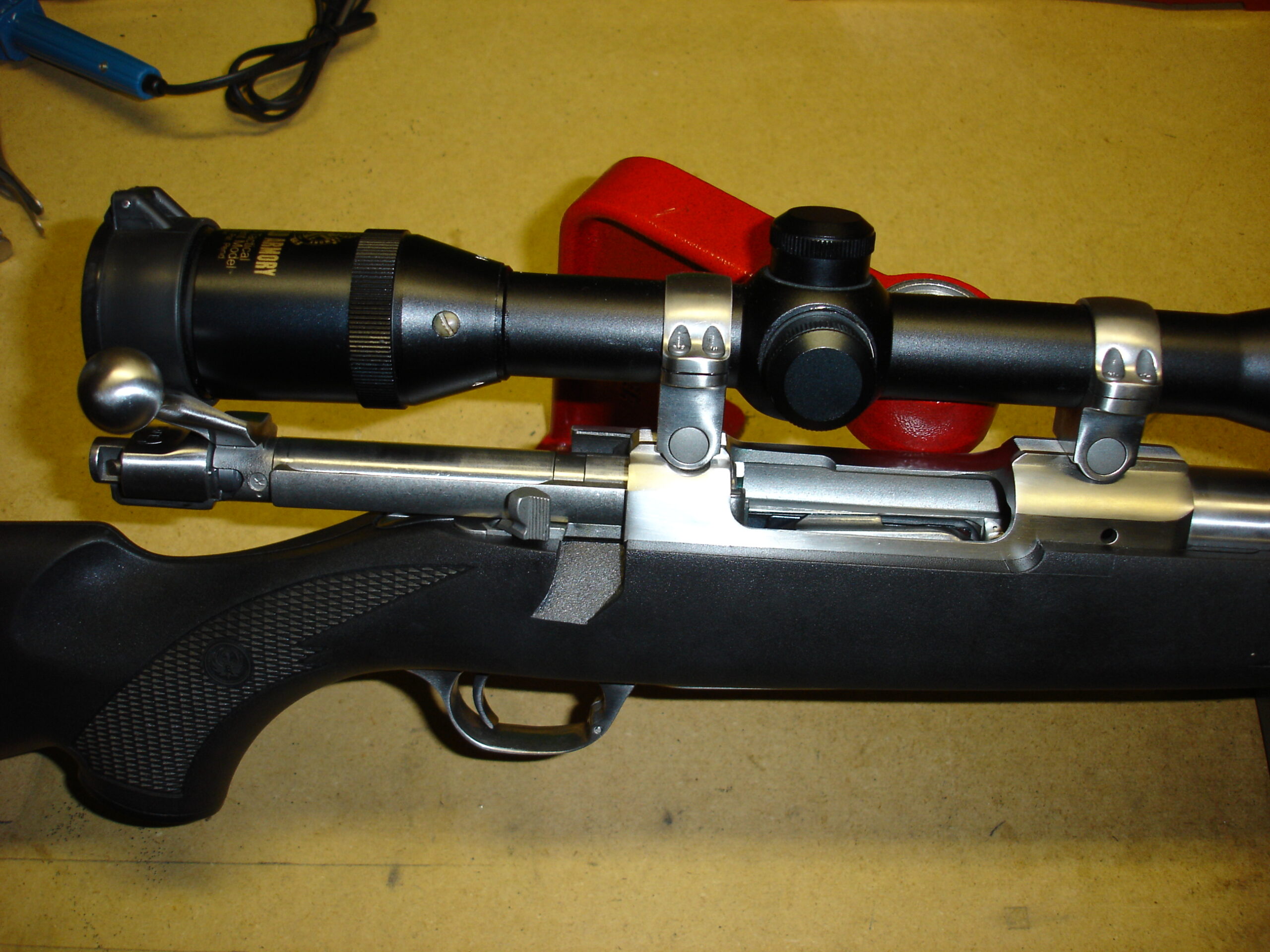
The modern Mark IV puts a finer point on the idea. Ruger calls out the internal cylindrical bolt system and a one-button takedown that lets you press a button at the back of the frame and lift the upper off without tools. Ruger also highlights cold hammer-forged barrels for long service life and precision, plus an ergonomic bolt stop. If you like to keep a rimfire spotless, that rear button is a real draw because it speeds up field-stripping and proper chamber-to-muzzle cleaning. See Ruger’s breakdown on the Mark IV overview page.
Quick generation decoder: MK I to MK IV at a glance
- MK I and Standard: heel-style magazine release, 9-round magazines typical, no last-round bolt hold-open, multi-step takedown.
- MK II: adds last-round bolt hold-open and 10-round magazines, keeps heel magazine release, same multi-step takedown.
- MK III: moves to a button-style magazine release near the trigger guard on most variants, adds features like a loaded chamber indicator and a magazine disconnect on many models, retains the older multi-step takedown.
- MK IV: one-button takedown, wide trim set, 10-round magazines, current production with the easiest field-strip routine.
Standard and Mark I: the long run, 1949 to 1982
The story starts with the Standard, then the Mark I identity across a long production stretch from 1949 to 1982. If you have one and you’re trying to pin down shipping year, Ruger’s own serial number history page is your friend. The company publishes the approximate first serial shipped for each year in that span. Head straight to the Ruger Standard and Mark I serial number history for a simple table organized by year.
Two takeaways matter to buyers and collectors:
- The Standard/Mark I line covers 1949 through 1982. That’s a lot of pistols and a lot of small running changes you’ll notice in finish details and markings.
- In 1969 Ruger moved to a prefix system, and you’ll spot serials beginning with 10-, 11-, 12-, and so on across the 1970s and early 1980s. If that 10-, 11-, 12- prefix catches your eye in a gun shop case, you’re in that late Standard/Mark I period.
Ruger adds an important caveat on that page: the listed numbers are the approximate first serial shipped for a given year, and the company did not always produce in exact numerical order. Blocks could be used later, and some guns sat before shipping. Treat the table as a guidepost rather than a birth certificate.
Mark II and Mark III: the middle years that most shooters know
Between the original run and the current Mark IV live the Mk II and Mk III eras. These keep the same upper-and-bolt concept and the familiar look and balance most people associate with a Ruger .22 auto, along with sight and trim variations across the years.
- MK II highlights: the big practical addition is a last-round bolt hold-open and the move to 10-round magazines, while keeping the heel-style magazine release and the older multi-step disassembly many owners learned by heart.
- MK III highlights: most models move the magazine release to a button by the trigger guard and add features like a loaded chamber indicator and, on many variants, a magazine disconnect that prevents firing without a magazine inserted. The takedown procedure remains the classic multi-step routine.
When you find a nice example, focus on condition, magazines, and how the controls feel in your hand. If modern ease of disassembly matters, the Mark IV’s rear button is the big differentiator.
Mark IV: one-button takedown and today’s trims
The Mark IV line folds in simple takedown, cold hammer-forged barrels, and an easier-to-run bolt stop. The family spans Standard, Target, Hunter, Competition, and Tactical models, along with several 22/45 variants. If you want a fresh pistol with warranties and accessories ready off the shelf, this is the modern face of the series.
Even within the Mark IV Standard line you’ll find fixed-sight pistols with 4.75 and 6 inch barrels. Ruger lists them as 10-round 22 LR pistols built around the one-button process. If those clean, classic lines call to you, skim the current offerings on the Mark IV Standard models page.
Triggers and safeties: feel, function, and what to check
Trigger feel on these pistols lives on a spectrum. Some break with a crisp snap, others show a little take-up or a rolling release. On a used gun, grime in the frame can make a decent trigger feel worse than it is. Before you rush to change parts, shoot it and clean it well from chamber to muzzle, then reassess.
When you handle one at a shop or show, ask to function check safely:
- With the pistol confirmed empty and pointed in a safe direction, test the safety lever. It should block the trigger when engaged and sweep on and off with positive detents.
- Dry-fire is a sensitive subject on rimfires because the firing pin can kiss the chamber rim with no case present. If you want to test trigger break, consider a rimfire snap cap or an expended case to cushion the pin.
- Reset should be clear and repeatable. Ease the trigger forward until you feel the reset, then press again. Grit often points to fouling.
- Note that many MK III variants include a magazine disconnect that prevents firing without a magazine inserted. Plan your function check accordingly.
For model-specific control locations and instructions, Ruger’s manuals are straightforward and worth a read. You can find them via the company’s Instruction Manuals portal.
Barrels and sights: lengths, profiles, and practical accuracy
These pistols built their reputation on easy handling and steady groups. Ruger calls out cold hammer-forged barrels in the Mark IV line, a manufacturing approach that tends to yield long service life and consistent rifling. In practical terms, you get a pistol that prints tight clusters with quality ammo and honest practice.
The Mark IV Standard family is offered with fixed sights and two classic lengths: a 4.75 inch barrel for a shorter, trimmer feel, and a 6 inch for a longer sight radius. Those numbers come straight from Ruger’s current catalog. Earlier models show a variety of sight arrangements. Many fixed-sight guns shoot to point of aim with common loads; others may prefer a particular grain weight. That’s part of rimfire fun. Try a few boxes of different standard velocity loads and see what your pistol likes.
When inspecting a barrel on a used Ruger .22 auto, watch for:
- Crown: a clean, even crown supports good groups. Dings and burrs can open them up.
- Rifling: with a light, look for strong, even lands. Heavy fouling can mimic wear. A careful cleaning can work wonders.
- Sights: make sure the front blade is solid and square to the upper, and the rear notch is tight and not drifted far to one side as a band-aid for a larger issue.
Magazines: compatibility and care
Rimfire pistols live or die by their magazines. Across the Standard/Mark family, design details changed with generations and frame styles. Here’s the quick compatibility guide, followed by care tips.
- Standard and MK I: typically 9-round magazines with a heel-style release. These are not a drop-in fit for later MK III or MK IV pistols.
- MK II: 10-round magazines with a heel-style release. Useful to MK II pistols, but not a direct fit in MK III or MK IV because the mag-catch geometry changed.
- MK III and MK IV, steel-frame models: generally share 10-round magazines within these two generations. A MK III steel-frame mag is usually compatible with a MK IV steel-frame pistol, and vice versa.
- MK III and MK IV, 22/45 models: share their own 10-round magazines that differ from the steel-frame pattern. Stay within the 22/45 family for best fit.
- Follower buttons and baseplates: the follower button location and baseplate shape vary by generation and frame type. Match magazines to your exact model to avoid headaches.
Care and selection tips:
- Stick with factory magazines when possible. They set the reliability baseline.
- Keep them clean. Powder and waxy .22 lube build up. A dry brush and a blast of compressed air go a long way.
- Inspect feed lips and the follower. Bent lips or a chewed follower cause nose-dives and odd stoppages.
- Number your mags with a paint pen. If one causes issues, you’ll isolate it quickly.
Serials and dates: Standard/Mark I only
Collectors love a good serial table, and Ruger publishes a simple one for the Standard and Mark I series. The headline is straightforward: the Standard/Mark I family spans 1949 through 1982, and Ruger lists the approximate first serial shipped for each year in that run.
Here’s how to use that information when you’re holding a pistol:
- For early guns without prefixes, find where your number slots between the listed starting numbers. That gives you the approximate shipping year.
- From 1969 onward, prefixes appear. You’ll see 10- numbers in 1969, 1970, and into 1971; 11- numbers into 1972 and 1973; then 12-, 13-, 14-, 15-, 16-, and 17- prefixes as you roll through 1982. If your pistol reads 12-xxxx, you’re typically in the mid-1970s. A 17- prefix points to the early 1980s.
- Remember Ruger’s note: production was not always in exact serial sequence, some blocks were used later, and some guns shipped after sitting. Treat the table as a guide.
For the official word, use Ruger’s resources. Start with the Standard and Mark I serial number history. For manuals and model-specific instructions, Ruger’s Instruction Manuals page is the hub.
What to inspect before you buy: a hands-on checklist
Condition matters more than the exact trim name with these .22s. Here’s a quick checklist I use when looking at a Standard/Mark pistol on the counter.
- Bolt travel: with the pistol confirmed empty, run the bolt a few times. It should feel smooth, with the recoil spring pushing it forward smartly. Slow or gritty movement may just be fouling.
- Extractor hook: the claw should be sharp and free of heavy crud. A dull or chipped claw can cause stovepipes or failures to extract.
- Chamber: look for lead and powder buildup at the breech. Heavy fouling can mask a perfectly fine barrel. Ask permission to run a patch if it’s that dirty.
- Upper-to-frame fit: on older pistols, make sure the upper sits down tight on the grip frame and the takedown latch area shows normal handling, not pry marks.
- Mark IV takedown button: on newer guns, verify the rear button releases and locks the upper positively.
- Trigger and safety: test function with a snap cap or expended case if the seller allows. Confirm the safety lever blocks the trigger and the trigger resets.
- Magazines: check that the magazine seats fully and drops free. Inspect the feed lips, spring tension, and follower for smooth travel.
- Bore and crown: shine a light from the breech and look at the crown from the muzzle. Small burrs or flat spots at the edge of the crown can hurt accuracy.
- Sights: ensure they’re straight and secure. A rear sight canted or drifted far can signal a larger issue.
- General handling wear: honest holster wear is cosmetic. Deep pitting or unusual peening around the bolt ears deserves a closer look.
If you’re comparing a few examples and you’re new to rimfires, it can help to bring a friend who owns one of these pistols. Most of the things that keep a Ruger .22 running are simple and visible to the eye.
Shooting and living with a Mark: reliability and care
The Standard/Mark family is easy to like because it just makes time at the range easy. The grip angle and top-heavy balance settle the front sight without effort, and the reciprocating mass is light, so recoil is barely a shrug even for new shooters. That translates into painless practice and slow-fire groups that satisfy.
.22 LR can be finicky, so pick a few reliable loads and stick with them. Many pistols hum along on common 40-grain standard velocity cartridges. In my notebooks, what separates a good range day from a frustrating one with any rimfire isn’t the pistol as much as magazine condition and ammo choice. Keep the feed path clean, use fresh ammo, and your odds of smooth running climb fast.
Cleaning is simple if you keep up with it. The Mark IV gives you the quick one-button route to separate the upper from the frame. Earlier pistols require a multi-step routine many owners know by heart. Either way, running a rod from chamber to muzzle, brushing the feed ramp, and clearing the bolt face and extractor pocket keeps the gun honest. For model specifics, lean on Ruger’s Instruction Manuals.
If you enjoy the broader story of American rimfire practice and training, you might like our walk through classic .22 trainers in America’s .22 Training Rifles, Explained. Different platforms, same quiet lessons in sight picture and trigger press.
Smart upgrades: keep the spirit, refine the experience
One reason these pistols show up everywhere is they respond well to small, thoughtful changes. Here are upgrades that respect the original design, work across many variants, and don’t paint you into a corner.
- Grips that fit your hand: a grip panel with a shape and texture you like can settle the front sight and improve reach to the safety.
- Better sight picture: if you have a fixed-sight model with a fine black blade and your eyes want something brighter, a higher-visibility front blade on a model that accepts it can help without changing the classic outline.
- Extra factory magazines: rimfire range time is more fun when you load at the bench and shoot at the line. Number them, keep them clean, and your pistol will thank you.
- Magazine loader: simple thumb savers take the sting out of a few hundred rounds.
- Gentle spring refresh: on a well-used pistol, a fresh recoil spring assembly and extractor spring can return snap to the cycling rhythm. Stay with factory-spec parts.
- No user barrel torque: the barrel is part of the fixed upper assembly on these pistols. There is no 10/22-style V-block or end-user barrel torque procedure. Focus instead on a clean chamber and a solid upper-to-frame fit.
- Cleaning kit that matches the job: a short, quality .22 rod, proper jags, a chamber brush, and a non-marring pick for the extractor pocket solve most headaches.
For the Mark IV family, Ruger offers trims set up for different roles right from the factory. The lineup includes Standard, Target, Hunter, Competition, and Tactical, along with several 22/45 variants. If you know you want brighter sights, a longer barrel, or a configuration geared to accessories, it can be simpler to start with the version that already has those features.
What I wouldn’t change on a nice older Standard or Mark I is the core look and feel. Those tapered barrels and fixed sights photograph well and handle even better. Keep them clean, keep good mags with them, and they’ll do their job without fuss.
A final word for buyers and collectors
Sorting Ruger’s rimfire pistols doesn’t have to feel like homework. Think in simple terms. All of them share the same upper-and-bolt heart. The Standard and Mark I span 1949 to 1982 and can be dated well from Ruger’s table. The mid-generation guns carry the familiar lines and keep the classic multi-step field strip. The Mark IV adds that one-button takedown, cold hammer-forged barrels, and a set of trims that speak to different tastes.
Pick the one that fits your hand, feeds the ammo you shoot, and makes you want to load another magazine. That’s the whole point of a good .22 pistol, Ruger-style.