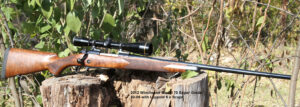

I was standing at a gun counter watching a hunter puzzle over two nearly identical rifles. Same stock, same trigger, same chambering. The only difference lived inside the steel. One barrel was cold hammer forged and chrome lined. The other was button rifled and nitrided. He looked at me and asked, Which one actually shoots better?
It is a fair question, and the answer lives in how barrels are built. Rifling method and surface finish shape accuracy, barrel life, and cleaning habits more than most spec sheets let on. Let’s walk through the common ways rifling is formed and how chrome lining stacks up against modern nitriding on the stuff that matters: precision, durability, and maintenance.
How rifling gets in there
Rifling is nothing more than spiral grooves and lands inside a bore, with a chosen profile and twist to spin a bullet consistently. There are multiple ways to create that spiral. In common use today you will see five: cut rifling, button rifling, broach rifling, cold hammer forging, and ECM, also called electrolytic machining. Each approach moves or removes steel differently, and each comes with its own balance of speed, stress, and finish quality. For a clean overview of the families of rifling methods and profiles, American Rifleman has a solid primer.
Most of the commercial market you and I handle is built with one of the big three: cut, button, or cold hammer forging. Here is how those actually happen.
Cut rifling: slow steel and steady hands
Cut rifling is the old master in the room. A tiny hook-like cutter removes a sliver of steel with each pass, one groove at a time, over many passes. The bore was already drilled and reamed to size, and now the cutter slowly opens each groove to depth while being pulled on a lead screw or hydraulic puller that sets the twist.
What it gives you is control. Depth, twist, and groove geometry are dialed in by the maker at a measured pace. That controlled pace is why cut rifling shows up often on premium target and long-range barrels. The process does not shove the steel around as aggressively as swaging or forging, and that tends to keep internal stresses lower right out of the machine. Makers still do their heat treatments and finishing steps, but the core appeal is that it is precise and predictable.
There is a cost. Time is money. The machine runs longer per barrel, tooling care is meticulous, and throughput is modest. That is part of why you will see cut-rifled blanks priced at a premium and why they are common among small to mid-size specialty shops known for accuracy.
Button rifling: fast, consistent, and often surprisingly accurate
Button rifling flips the script. Instead of removing steel, a very hard carbide button is pushed or pulled through the bore. The button swages the lands and grooves by plastic deformation, imprinting the pattern as it goes. It is fast. A skilled shop can push many barrels a day off a single machine.
Speed is not the whole story. Buttoned barrels can shoot lights out. Plenty of winning varmint and match rigs over the last few decades wore buttoned tubes. Because the method displaces metal instead of cutting it, many makers will include heat treatment steps to relax the steel after rifling. Then they lap. The result, when done well, is a mirror-slick bore that loads easy, cleans easy, and holds tight groups for a large chunk of its life. The trick is consistency. Button condition, lube, feed rate, and bore prep all matter.
Cold hammer forging: the industrial workhorse
Cold hammer forging is a spectacle if you ever get to see it. A short, bored steel blank slips over a mandrel that carries the negative image of the rifling. Then four hammers pound the outer surface in a controlled sequence as the blank rotates and feeds forward on the mandrel. The steel flows inward, forming the rifling against the mandrel. Some makers even form the chamber, throat, and the exterior contour at the same time. Those spiral peen marks you sometimes notice on a barrel’s skin are the tracks of those hammers. Some companies turn these off later. Others leave them as a tell.
Among hunters and service-style carbines, hammer-forged barrels are everywhere. They are known for strength and consistency across big production runs. They are less common on boutique varmint or dedicated match barrels, where the perception has long been that cut and button methods squeeze out a bit more raw precision. Cold hammer forging can be done either hot or cold. Hot forging lowers the mechanical effort needed and can yield very strong grain flow, though it takes more complex gear and cost. Cold forging, when done correctly, creates excellent barrels with a lot of life. These broad takeaways track with reports summarized by American Rifleman.
What barrel makers quietly obsess over: stress and finish
Every way of forming rifling moves steel around. That steel remembers. Internal stress is why you sometimes see a barrel that strings vertically as it heats up or seems to shift zero between cold-bore and warm. Good makers fight this in two ways.
First is stress relief. Heat cycles can reduce the pent-up strain that rifling processes introduce. Shops time these cycles carefully within their workflow. Second is finish treatment, especially lapping. A hand-lapped bore removes the tiny high spots that generate copper fouling and flyers. If you have ever had a barrel that cleaned up with just a few patches and settled into a steady groove count after the first hundred rounds or so, there is a good chance it was well lapped.
Method alone does not guarantee a great tube. The best buttoned and cut barrels tend to be lapped and stress relieved. Many hammer-forged barrels are excellent precisely because the maker pays careful attention to post-forge straightening and finishing. When you are shopping, details like whether the bore is hand lapped and whether the maker handles stress relief after rifling are worth your money more than the marketing flavor of the month.
Chrome lining vs. nitriding: two very different paths
Once a barrel is rifled and finished, many makers add a layer of insurance against heat, wear, and corrosion. Two approaches dominate: chrome lining and nitriding.
What chrome lining really is
Hard chrome is an electroplated layer deposited onto the bore. Because it adds thickness, the bore has to be cut slightly oversize before plating. That extra step explains one of chrome’s quirks. Plating wants to build unevenly in corners and threads. Makers fight that with careful fixturing, flow control, and in some cases by double-lapping before and after. A very good chrome-lined barrel is absolutely possible. Some premium houses have turned out chrome-lined AR barrels that deliver sub-MOA with good ammo. But at volume, the military and many factories have historically accepted accuracy standards that are looser, because the goal for a service carbine is reliability over many thousands of rounds under heat.
Why choose chrome at all? Heat tolerance. Chrome creates a hard, heat-resistant surface inside the bore and has a long track record in military guns that see bursts and sustained fire. It also shrugs off corrosive environments well. Most chrome-lined barrels pair that internal plating with an external phosphate-type finish to keep the outside protected.
What nitriding really is
Nitriding does not add a layer. It is a thermochemical surface treatment where nitrogen migrates into the steel and forms very hard compounds in a diffusion zone just beneath the surface. The most common gun-industry versions are liquid salt-bath ferritic nitrocarburizing and related branded names you see in ads like Melonite, Tenifer, Ni-Corr, or Blacknitride. They are all variations of the same theme. The process treats the inside of the bore and the outside of the barrel uniformly, and the post-process polishing step in many shops leaves a slick, dark finish. For a clear explanation of the family of treatments and the brand names you see, Shooting Illustrated breaks it down.
Because nitriding changes the surface instead of adding to it, the barrel maker can finish the bore to exact dimensions first, then treat it. Dimensional growth is negligible, and that uniformity is one reason nitrided bores often look like a black mirror under a light.
Accuracy on paper: what changes and what does not
Chrome adds thickness, so the maker must plate it evenly to keep dimensions tight groove to groove and land to land. Any unevenness can show up as a small loss of ultimate precision. That is why you still hear the old line that chrome-lined barrels are not accuracy barrels. That is too simple. A well executed chrome-lined tube from a careful maker can shoot very well. The difference is that it is harder to do in bulk across thousands of barrels to the same standard.
Nitriding tends to be kinder to accuracy because the rifling dimensions do not change. The surface becomes harder and slicker without adding a layer. Uniformity is why nitrided barrels often show excellent precision in semi-auto rifles where the shooter is living between moderate strings and the occasional hot run. You will find some precision-focused shops that avoid nitriding because they have measured changes in how certain barrels group before and after treatment. You will also find makers who swear by it for semiauto uppers because it keeps the bore consistent and easy to clean over many rounds. Different tooling, steels, and heat schedules yield different outcomes. That is why it is useful to look at a builder’s track record rather than the buzzword on the spec sheet.
If you are buying a varmint or target rig and your world is five shots into a ragged hole, cut and button barrels that are hand lapped still dominate spec sheets for a reason. If you live in the AR and service rifle space, a nitrided or well executed chrome-lined barrel can make more sense depending on how hard you plan to run it.
Longevity and corrosion: how barrels really wear
Throat erosion is the barrel killer in most rifles. Hot powder gas erodes the first inch or two ahead of the case mouth. That is the section that sets the bullet straight into the lands. When it goes, precision opens up. Hard chrome slows that erosion. That is why it ruled machine guns and service rifles for decades. Nitriding also hardens the surface and has shown very strong erosion resistance in semiauto fire. Industry estimates and testing in recent years have suggested that nitrided barrels often outlast untreated steel by a large margin and can challenge or exceed the life of many chrome-lined barrels when you are not living on the trigger.
Under brutal, continuous heat, chrome still has a reputation for hanging on. That heritage came from guns designed for burst and belt-fed rates. If your use looks more like mag dumps and training days than bench groups, a chrome-lined barrel from a shop known for even plating is still a fine idea.
Corrosion is where nitriding shines. The treatment covers inside and out and offers strong resistance against rust in normal use. Chrome protects the bore very well but usually relies on a separate external finish to keep the outside from turning orange. None of these finishes make steel immortal. Salt, sweat, rain, and time will find a way if you put the rifle away wet. Routine care still matters.
Steel choice, finishes, and a quick note on stainless
When you see 4150 CMV or 4140, you are looking at chrome-moly steels that handle heat cycles well and built the service rifle world. Stainless, often 416R in rifle barrels, machines cleanly and tends to break in and clean up a little easier. Stainless barrels are not immune to rust. Nitriding plays nicely with stainless and can bring a big boost in surface hardness and corrosion resistance. Chrome plating stainless is a different challenge entirely, which is why you do not see a flood of chrome-lined stainless barrels.
Surface finish and what you can see
Peer down the bore with a light. A lapped cut or button barrel shows a bright, smooth helix with minimal tool marks. A nitrided bore looks jet black and polished. A chrome-lined bore looks bright and slightly matte under light. On some hammer-forged barrels, you will notice a faint twist pattern on the outer skin where the hammers tracked around the blank. None of these tells alone decide accuracy, but they are honest clues about what the maker did to the steel.
Stress relief, straightness, and how it shows up on target
Heat cycles from stress relief help a barrel hold its shape as it warms. A barrel that was pushed or pounded into shape needs that quiet time. If you have a rifle that throws a first shot out of the group and then settles, or one that climbs a string as the pipe heats, you are seeing stress and harmonics at work. The solution on the buying side is to favor barrels from makers who clearly state their stress relief and lapping steps after rifling. On the shooting side, let the barrel cool between groups and use a consistent support and torque pattern for the action screws and handguard.
What the paper says: acceptance standards and expectations
Service carbines historically used acceptance standards that allow groups in the four minute range at 100 yards with ball ammo. That is not an insult to the barrel. It is a reflection of the job it was built to do and the type of testing used. Plenty of shooters today expect better, and many barrels deliver it. Nitrided bores in AR pattern rifles frequently keep accuracy tight for a very long time, especially in semi-auto fire. Chrome-lined barrels from careful makers also do better than the old stereotypes when you feed them decent ammo. The largest gaps you experience on target often come from ammunition, chamber and throat geometry, and how hot you are running the gun.
Buying hints that cut through the buzz
It helps to put these choices into real scenarios. Here is how I think about it when friends ask for picks.
General-use AR-15 or 7.62 semiauto carbine
- Nitrided 4150 CMV is a strong everyday choice. It keeps dimensions tight, resists rust inside and out, and cleans up easily.
- A quality chrome-lined barrel is still excellent if you plan on high heat, rough weather, and lots of carbine classes.
- Pay attention to chamber spec and gas port sizing more than anything. Those will make or break the experience.
Precision or varmint bolt gun
- Cut rifled and button rifled stainless barrels dominate for a reason. They tend to arrive stress relieved and lapped, and they shoot small.
- Nitriding a precision stainless barrel is an option some builders use for durability, but ask the maker about how it changes cleaning and group consistency in their experience.
High-volume hunting rifle
- Cold hammer forged barrels are common on production hunting rifles for consistency and strength. Many shoot very well with factory hunting ammo.
- If you hunt harsh climates, nitrided or chrome-lined bores paired with a robust exterior finish make day-three cleaning in a wet camp less dramatic.
Cleaning, break-in, and living with your barrel
A smooth barrel fouls less and cleans faster. Hand-lapped cut and button barrels usually shine here. Nitrided bores often clean with just a few passes because of the hard, polished surface. Chrome-lined bores are durable but can collect carbon at the gas port and throat like any other. None of these erase the need for good habits. Keep a simple routine. Let the barrel cool on long range days. Use ammo that matches your twist and throat length. If the rifle starts to open up after a hard season, a real cleaning might restore what you remember.
So, which should you pick?
Match your use to the strengths.
If accuracy is the only scoreboard and your strings are calm and deliberate, a top-tier cut or button barrel wins most of the time. If you want a semiauto that holds its zero through training days and the occasional fast string without fuss, a nitrided CMV barrel is an easy recommendation. If you live on the trigger and share range space with belt feds, a carefully made chrome-lined barrel still deserves respect.
The rifling method sets the stage. The finish and stress relief decide the temperament. The maker’s consistency is what you are really buying. Read between the lines on the spec sheet. Look for lapping, for stress relief after rifling, and for a track record you can verify. Glossy coatings do not shoot groups. The steel and the work do.