
Remington Model 8 and 81: Browning’s Long Recoil Sporting Rifles
A practical, collector-minded look at Remington’s Model 8 and 81. Calibers, long recoil explained, police conversions, and what to check before you buy.

Call us any time at: (833) 486-6659
My friend’s surplus bolt gun shut on a NO-GO, and his stomach dropped. A Field check said it would not close. The rifle ran fine with factory loads, and with careful shoulder bump, his brass lived a long time. That little arc is the point here: understand headspace and most of the drama fades.
Headspace is the distance from the closed bolt face to the feature in the chamber that stops the cartridge from going farther forward. It is the hard stop that positions the case so the firing pin can strike and the brass can seal the chamber when pressure rises. That definition tracks with the technical one you will find in standard references.
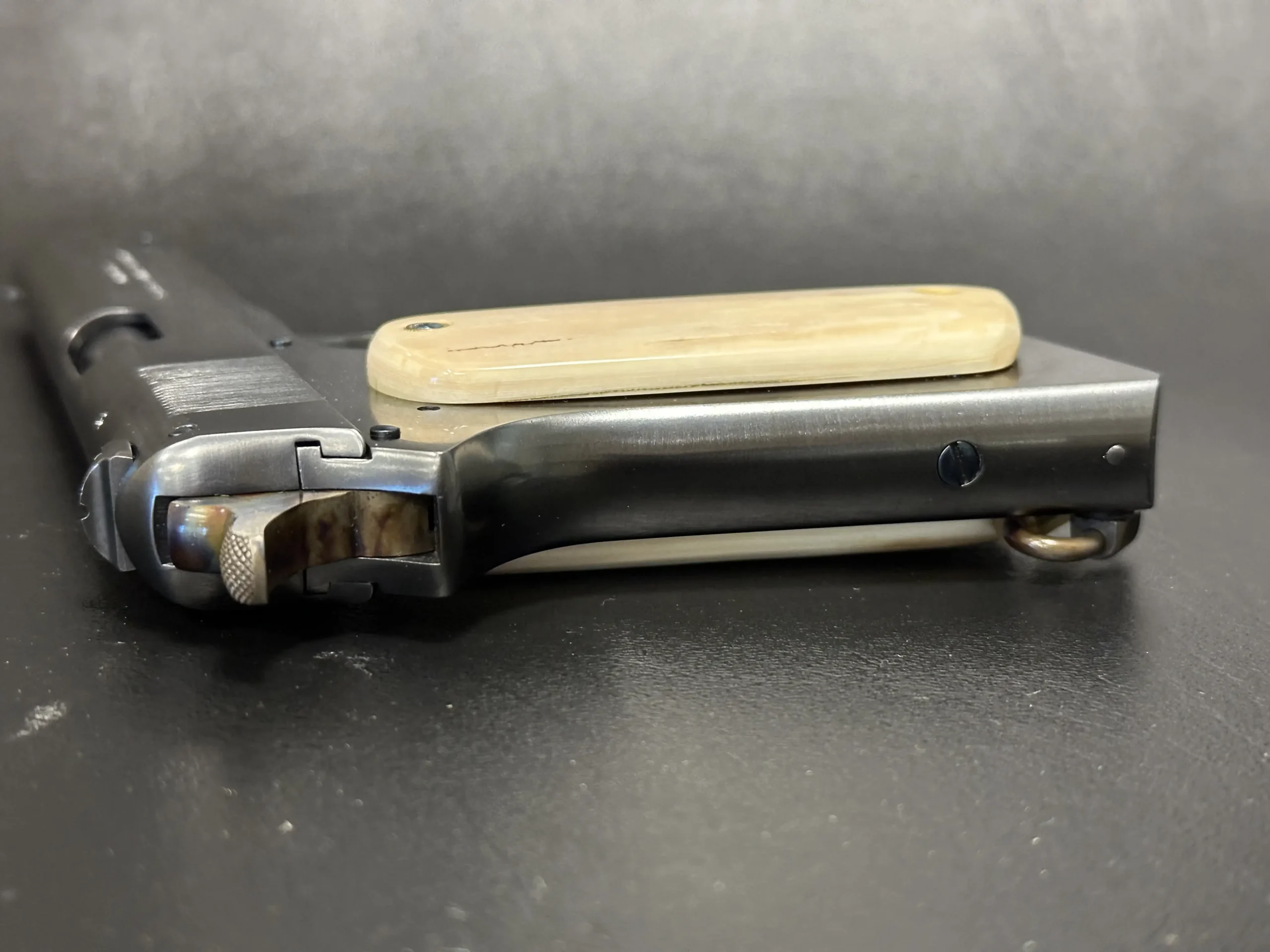
The stopping surface depends on the design:
For a classic breakdown of those points, including the .30-06 datum and how rimmed and belted shoulders behave when fired, see P.O. Ackley’s overview.
Measuring Headspace – Shooting Times
Headspace gauges are hardened steel dummies cut to exact lengths. On a shouldered, rimless rifle chamber, the basic rules are:
One respected maker builds rimless-shouldered rifle gauges with GO at industry minimum, NO-GO at minimum plus 0.004 inch, and Field at minimum plus 0.010. That aligns with common chamber specs that allow about 0.010 inch from minimum to maximum.
Here is the part that trips people: different gauge brands pick slightly different points inside that allowed window. A rifle can pass GO and NO-GO with one brand yet close on another brand’s NO-GO. Use a single maker’s set when checking and when tracking a rifle over time.
Dimensions and Tolerances of Manson Headspace Gauges
With rimmed cartridges like .30-30, headspace is controlled by the rim. The shoulder often has measurable clearance before firing. Pressure then expands the brass and the shoulder moves forward to fill the chamber. Belted magnums behave the same way because the belt is the stop. This is normal and well documented. It also explains why aggressive resizing can shorten brass life in these designs.
Rimless bottleneck rifle cases headspace on the shoulder, which is friendlier to reloaders. Fired brass conforms to your chamber, and your sizing die can then push that shoulder back a small, controlled amount so the bolt closes smoothly without creating excess slop.
Practical tips:
A chamber over maximum can still function without obvious pressure signs on factory ammo, but it is usually hard on reloaded brass. This is especially true in some .303 British rifles, where generous chambering for battlefield reliability is part of the design history. Reports of rifles with more than 0.050 inch beyond a nominal spec are not unusual in that family, which is why careful sizing is essential if you reload for them.
Not every rifle was built to match-tight numbers. The U.S. M1 Garand, for example, was engineered to run in mud and rain. Organizations that maintain these rifles note that original service tolerances were intentionally generous and that gauge choice matters. Their experience shows Clymer gauge dimensions tend to mirror original service practice on the M1 more closely than some alternatives, so they standardize for consistency. The buyer takeaway is simple: know which brand checked the rifle you are evaluating.
Headspace – Civilian Marksmanship Program
Headspace is a property of the chamber, not something ammunition can fix. Standards bodies treat ammunition and chambers as a matched pair with overlapping tolerances. In some systems, ammunition approval does not directly include a headspace check because an out-of-spec long round would be obvious during chambering. The bottom line remains the same: good ammo plus an in-spec chamber is the handshake you want.
Headspace reference
Myth 1: A NO-GO close means unsafe. Not necessarily. Field is the upper bound for service.
Myth 2: Brass life is all about the rifle. It is about the chamber and how you size. Excessive shoulder setback shortens life fast.
Myth 3: All gauges read the same. They do not. Stay with one brand for apples-to-apples comparisons.
Headspace should be like tire pressure. Know what it is, check it when it matters, then get back to shooting. Use one maker’s gauges, understand how your cartridge headspaces, and size brass just enough. You will buy smarter, reload smarter, and your rifles and brass will thank you for it.
Further reading:
Available
View Item
Available
View Item
Available
View Item
Available
View Item
Available
View Item
Available
View ItemA practical, collector-minded look at Remington’s Model 8 and 81. Calibers, long recoil explained, police conversions, and what to check before you buy.
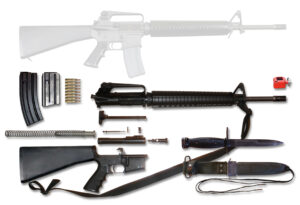
A collector’s look at Colt’s SP1 and early Sporters, from slickside uppers and pencil barrels to the rollmarks and small changes that hinted at the A2 era.

A practical, story-driven guide to reading JM vs REP barrel marks, understanding pre-safety 336s, Micro-Groove and Ballard-style rifling, and the smart checks to make before you buy.