
Remington Model 8 and 81: Browning’s Long Recoil Sporting Rifles
A practical, collector-minded look at Remington’s Model 8 and 81. Calibers, long recoil explained, police conversions, and what to check before you buy.

Call us any time at: (833) 486-6659
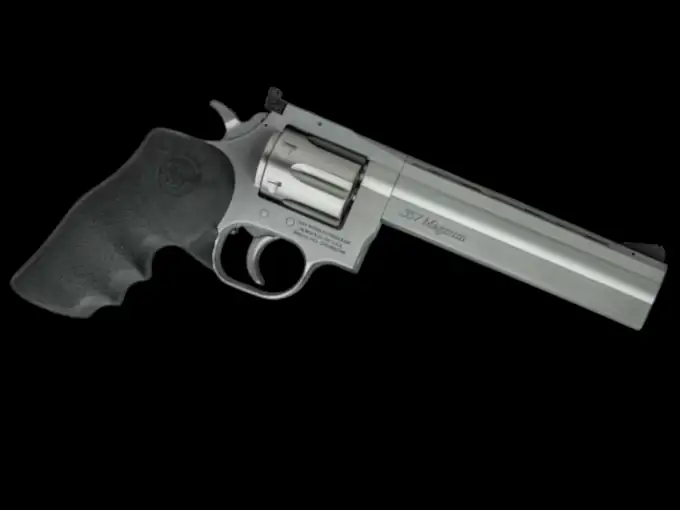
I still remember the first time I cracked open a Dan Wesson pistol pack. The case looked like a musician’s road box that had lost its stickers, and inside was the band: a gleaming .357 with a 6-inch tube installed, plus a 4 and an 8, each wearing a sculpted shroud. A wrench tucked into its slot finished the kit. No other modern double-action wheelgun felt quite like this. Swap the barrel assembly, set the barrel‑cylinder gap with the supplied gauge, follow the manual, and your revolver will change from a handy trail companion to a long sight‑radius tack driver. That kind of modular thinking set Dan Wesson apart and also explains how the company found its second act: building premium 1911s.
Dan Wesson Firearms traces back to 1968 and the vision of Daniel B. Wesson’s great‑grandson, a lineage that explains why the company experimented confidently with the classic American revolver. The core of the design was a tensioned barrel system. The rifled tube is stretched between a fixed breech end and a muzzle nut, which pulls it tight like a guitar string. By holding the barrel under tension the same way every time, vibration is more predictable shot to shot.
The frame also uses a front latch on the crane paired with a rear ball detent. Rather than relying solely on a rear latch, this adds support at the front of the cylinder window, so the chamber and bore line up consistently through recoil. Add in a short, relatively light double action and a crisp single action pull, and the old Dan Wesson guns earned a following among competitors and hunters who cared about groups more than glamour. That DNA carries forward to the modern 715.
When Dan Wesson revived the stainless 715 in .357 Magnum, it did not try to rewrite the score. The gun kept the hallmark features that made the brand’s revolvers shoot so well. It also brought back the suitcase idea. The current 715 Pistol Pack ships with 4, 6, and 8-inch barrel assemblies, plus the factory wrench kit. For folks who missed out on owning the classic packs back then, it was a welcome sight. If you want to see exactly how the modern pack is laid out, the product listing for the Dan Wesson 715 Pistol Pack spells it out clearly.
The new gun’s shroud profile is the HV6, a heavy vented design that puts a little more steel out front. In .357, that extra weight soaks up muzzle rise and keeps the sight tracking smoothly. If you have older parts on hand, you are not locked out either. The 715 accepts grips and barrel or shroud assemblies from Model 15‑2 and newer revolvers, which keeps a lot of vintage hardware useful and gives collectors room to mix and match.
On the range, the recipe is familiar: a light, controllable double-action stroke for fast work, then a target‑friendly single-action break when you want to call a shot.
The reason the pistol pack wins so many hearts is simple. Most of us do more than one kind of shooting. The 4-inch barrel keeps a .357 handy for hiking or home duty, the 6-inch barrel stretches the sight radius for steel and paper targets, and the 8-inch barrel steadies the front sight for longer shots. Changing assemblies is straightforward with the supplied wrench. Use the feeler gauge and follow the manual when you set the gap after a swap.
There is also a practical angle buyers appreciate. If you own a 715 and later come across a used 6 or 8-inch assembly from a Model 15‑2 gun, it is not a museum piece. It can be put to work. For a collector, that compatibility lets you build a set over time. For a first‑time buyer, it removes some anxiety because you are not married to one barrel length forever.
Mechanically, the feel is distinct from other mainstream .357s. The front latch and ball detent keep the cylinder snug as the gun cycles, and the tensioned barrel helps the rifled tube behave predictably shot to shot.
If you are curious why so many shooters still keep a double-action revolver next to their semi-autos, our look at what makes double-action revolvers so enduring gets into the appeal without straying into nostalgia.
For all the reverence around those revolvers, Dan Wesson’s modern reputation rides largely on its 1911 pistols. The move makes sense when you step back. The company built its name on accuracy and careful hand fitting. The 1911 market rewards that same obsessive way of doing things. Dan Wesson leaned into it with a straightforward promise: premium materials, careful machining, and hands‑on inspection. That approach shows across the catalog.
The lineup covers everything from classic 5-inch .45s to long‑slide 10mms and compact carry guns. You will see familiar model families crop up again and again: ECO, Pointman, A2, Commander Classic, Discretion, Specialist, and the big Bruin. There are even LE‑only variants and occasional blemished offerings for folks who like a deal and do not mind a finish quirk. The throughline is that each gun is built to a tighter standard than mass‑market fare, with the kind of small touches you appreciate after a thousand rounds rather than a hundred. If you are new to the platform, our 1911 buyer’s guide covers what to check before you buy.
Start small and you will hit the ECO. It is a compact 1911 offered in 9mm or .45 with a black finish. The idea is simple: shorten and lighten the classic format while keeping the feel of a crisp single-action trigger. Folks who carry every day tend to notice the reduced bulk first, then the shootability compared with many micro pistols.
At the other end sits the Bruin, a 10mm long slide with a 6-inch top end. You will see it in various finishes, including a striking black and bronze combination on some runs. The longer slide and barrel wring out 10mm’s ballistics and give you more sight radius to work with. It tracks flatter than you expect for a long slide and gives you room to watch the sights.
Between those poles are the classic full‑size .45s. The A2 is a 5-inch .45 with a Parkerized finish that keeps things traditional. The Pointman Seven in stainless scratches the polished target gun itch while staying true to the single-stack format so many of us trust. If you want a lighter carry feel with a familiar footprint, the Commander Classic BobTail trims the back of the frame to reduce printing. The Discretion brings a threaded barrel to the party for those who shoot suppressed or want that option down the road. One model that tends to surprise folks is the Specialist, particularly in its Distressed finish. It is a duty‑minded 1911 with practical features and an intentionally weathered look.
Sprinkled among those stalwarts, you will find the Commander‑length variants, occasional LE‑only listings, and the newer DWX family that blends ideas from the 1911 pattern with modern competition sensibilities. The point is not to memorize model names. It is to understand the company’s center of gravity: well‑fit slides and frames, good triggers, correct barrel fit, and parts quality that shows up as smooth cycling rather than brochure talk.
When you shop Dan Wesson today, you are choosing between two pillars of the brand. On one side sits the 715 that carries forward the old revolver virtues with interchangeable barrels. On the other side is a deep bench of 1911s that run from compact to long slide. The choice is less about which is better and more about the kind of shooting you actually do.
If you want a single revolver that can cover hiking, home use, and serious range time without feeling like three separate guns, the 715 pack makes a lot of sense. The HV6 shroud on the 6-inch makes .357 range work pleasant, the 4-inch keeps things lively and manageable, and the 8-inch rewards a slow press and a steady hold. Before you buy, confirm the pack includes the barrel assemblies you want and the wrench kit. If you already own one, remember that compatible Model 15‑2 and newer barrel and shroud assemblies are fair game. That opens up the used market for adding lengths or profiles.
If your heart leans toward 1911, think in terms of use case. The ECO fills the compact carry slot. The A2 scratches the classic 5-inch .45 itch. The Pointman Seven, in stainless, is the kind of range companion that will eat cases of hardball without turning into a maintenance diva, as long as you do your part. The Bruin is for folks who want to see what a properly built long‑slide 10mm feels like. If you spend time with a suppressor, discretion is the straightforward path. The Specialist splits the difference between the range toy and the duty piece. You will also occasionally see LE‑only SKUs and blemished listings from the dealer network. Those BLEM guns are typically cosmetic, but ask smart questions about warranty and specifics before you put cash down.
Across the board, you are paying for handwork. Slides and frames that feel like they belong together, barrels that lock consistently, and triggers that do not need a trip to the gunsmith on day one. That does not mean untouchable perfection or that you should skip basic checks. It means the company has built a reputation on guns that feel sorted right out of the box.
On the 1911 side, model names tell you a lot if you read between the lines. ECO and Commander signal size, A2 and Pointman lean classic, Discretion broadcasts a threaded muzzle, Specialist aims at practical features, and Bruin shows its hand with a 6-inch long slide in 10mm. You do not need to memorize specs to shop smart. You just need to translate the naming language into the role you want a pistol to play.
It is easy to treat the Dan Wesson story as two separate lives. One is the age of the interchangeable-barrel revolver, when a suitcase full of barrels was a normal sight at ranges and matches. The other is the premium 1911 era, when the company carved out a reputation for well‑made single-stacks, from compact to long-slide. What ties them together is not a model number. It is a pair of priorities that have stayed put over the years: accuracy built in by smart mechanics, and careful hand-fitting where it counts.
You can see it in the revolver’s tensioned barrel and front latch system that keeps the bore and chamber lined up shot after shot. You can feel it in the single-action trigger that snaps cleanly. You can feel it again in a 1911 slide that glides without a hitch and a barrel that locks up the same way every time. If you are coming from the revolver side, the 1911s will feel familiar in the best way. If you fell for the 1911s first and later pick up a 715 pack, the feeling will run the other direction.
For buyers, that makes the decision less complicated than it looks on paper. Pick the format that fits your shooting, then look for the model that matches your role, and trust that the details will have been sweated over by people who shoot. For collectors, it means you can build a set with logic that goes deeper than finish and roll marks.
Available
View Item
Available
View Item
Available
View Item
Available
View Item
Available
View Item
Available
View ItemA practical, collector-minded look at Remington’s Model 8 and 81. Calibers, long recoil explained, police conversions, and what to check before you buy.
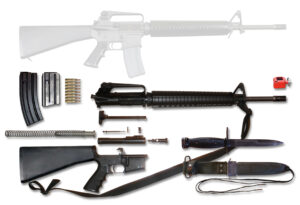
A collector’s look at Colt’s SP1 and early Sporters, from slickside uppers and pencil barrels to the rollmarks and small changes that hinted at the A2 era.
A practical, story-driven guide to reading JM vs REP barrel marks, understanding pre-safety 336s, Micro-Groove and Ballard-style rifling, and the smart checks to make before you buy.