
Remington Model 8 and 81: Browning’s Long Recoil Sporting Rifles
A practical, collector-minded look at Remington’s Model 8 and 81. Calibers, long recoil explained, police conversions, and what to check before you buy.

Call us any time at: (833) 486-6659
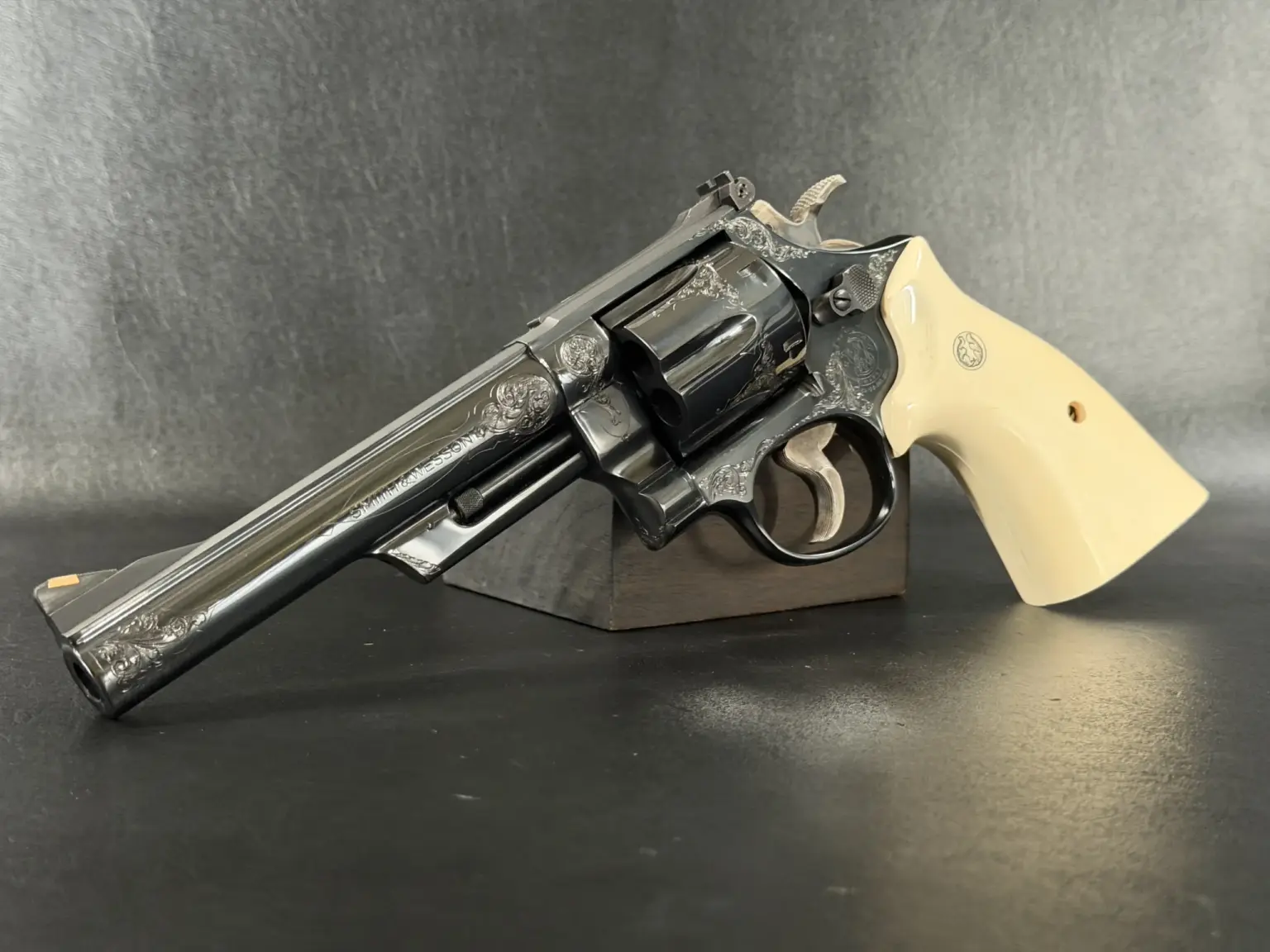
I was leaning over a gun show table a few months back when two guys got into the familiar loop: “Forged or forget it” on one side, “Billet is the only precise way” on the other. A third voice chimed in to blame “MIM” for everything short of bad weather. It was a stalemate built on half-truths. The reality is less dramatic and more interesting. Different parts live different lives, and manufacturers pick different paths to get there. The trick for buyers and collectors is understanding how those paths affect a part’s strength, fit accuracy, and cost.
Let’s walk through the four heavy hitters in modern small arms production, forging, billet machining, investment casting, and metal injection molding, and talk plainly about what each brings to the bench. I’ll keep the focus on what matters when you’re choosing a slide, frame, lower, or small part, and why a good engineer might choose one method over another.
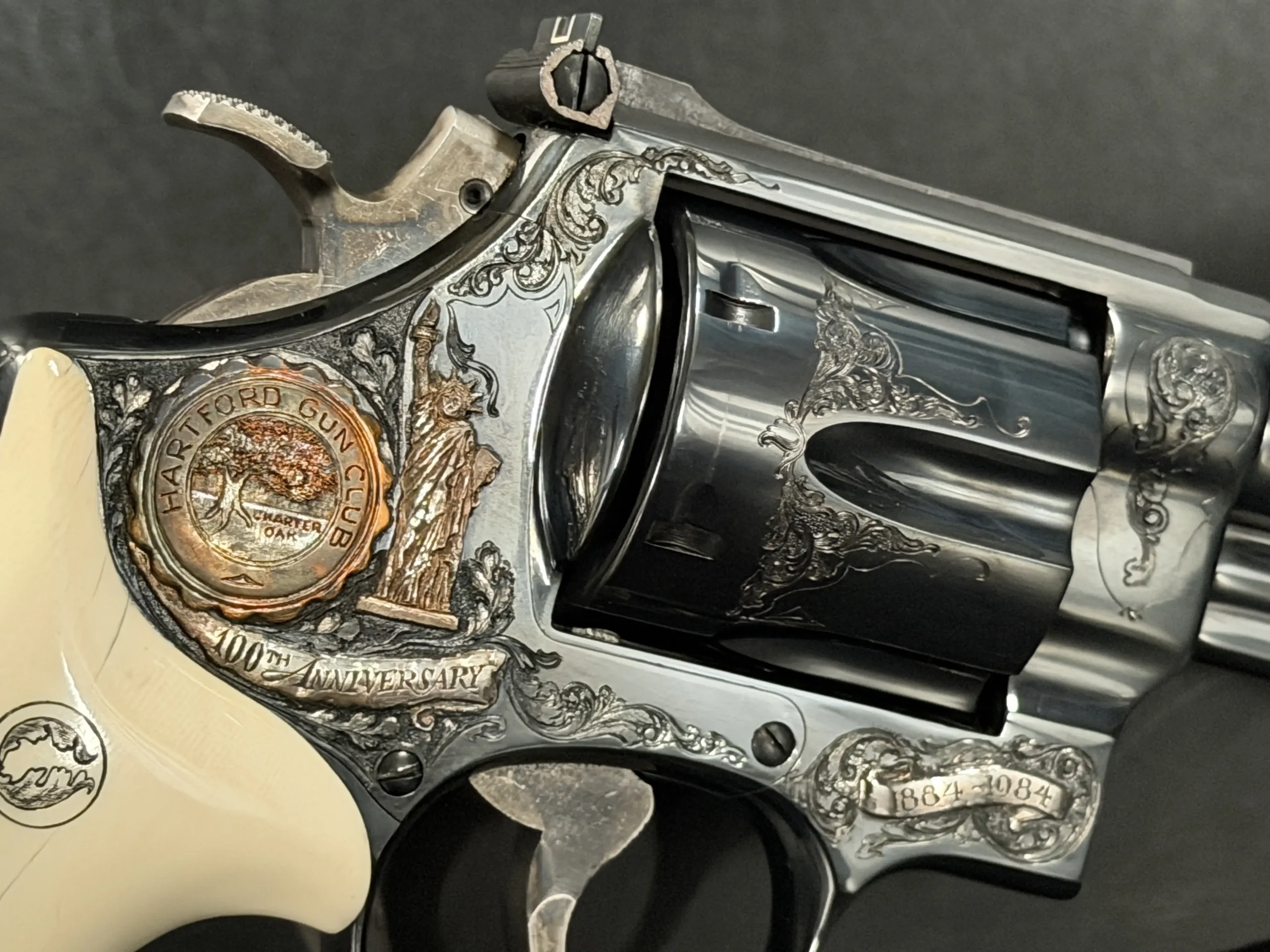
Forging shapes hot metal with force. Hammers, presses, or dies work material into form. The defining perk is grain flow. The internal grain structure gets pushed and aligned along the lines of the part, which is a big deal for strength and fatigue resistance. The tradeoff is that a forged blank is a near-net shape that still needs machining on critical surfaces. Tooling costs can be steep for unique shapes, and the raw forging is not a drop-in finished part.
Billet starts with a solid bar or plate. CNC machines cut away everything that isn’t the part. You get precision and a beautiful finish with fewer compromises in geometry. The grain structure of billet material is uniform and non-directional, which is predictable but lacks the directional grain alignment of a forging. It’s great for tight tolerances and short runs, but you’re piling chips on the floor and paying in machine time and material waste.
Investment casting pours molten metal into a ceramic shell mold made from a wax pattern. It’s excellent for complex shapes that would be costly to machine from solid. There can be internal porosity, and dimensional accuracy, while good, usually requires some cleanup machining at the end. Casting shines when a part is large or oddly shaped, or when production volume makes the tooling worth it.
MIM mixes metal powder with a binder, injects it like plastic into a mold, then removes the binder and sinters the part at high temperature. Done well, MIM delivers small, highly complex parts with tight tolerances and a fine, isotropic microstructure. It’s the truest near-net-shape route for tiny, detailed components. The process thrives when volumes justify tooling and when the final part doesn’t need hammer-and-anvil levels of shock resistance. For a deeper primer, the Metal Injection Molding 101 guide lays out how engineers match material and design to the process.
Let’s set the pecking order in broad strokes, keeping real-world loads in mind.
One theme you’ll hear me repeat: the best process is the one matched to the part’s job. A slide sees high cyclic loads and needs durability across locking surfaces, so forging still wears the crown there. A hammer or sear is small, complex, and benefits from tight geometry as-molded, which is why MIM is so common and, from major makers, so successful.
Here’s where the argument shifts. Strength is one axis. Precision is another.
Notice how precision isn’t exclusive to one method. You can machine a forged or cast blank into a beautifully accurate part. You can also design a MIM piece to snap right into a gun with minimal post-processing. Each path just gets you there differently.
Near-net-shape gets thrown around a lot. The practical meaning varies by process and part size.
Let’s attach this to parts you know, based on how engineers commonly assign them.
The slide is a primary pressure-bearing structure in many designs. Forging remains the premium standard here because of its high strength and fatigue resistance. You do see investment cast slides, and they can be entirely serviceable when the foundry and heat treat are on point. Machining a slide from billet is also done, often to enable unique features or finishes, but it won’t gain the grain flow advantage of forging.
The AR-15 lower receiver is not a pressure-bearing part. That alone changes the calculus. You’ll find forged, billet, and investment cast lowers on the market. Strength differences matter less than cost, aesthetics, features, and machining quality. A well-machined billet lower can hold fine details and custom geometry. A forged lower is time-tested. A cast lower can be cost-effective and perfectly adequate for typical use. Pick based on the features you want and how cleanly the critical pockets and pin holes are cut.
Frames are complex shapes with contours and interior cavities that are tough to carve from solid without a lot of machine time. Investment casting is a natural fit here and has been used successfully by many makers. Forged frames exist and carry that higher-strength cachet. Both paths can yield excellent guns. What often matters more is final machining of rails, pin holes, and the quality of heat treatment.
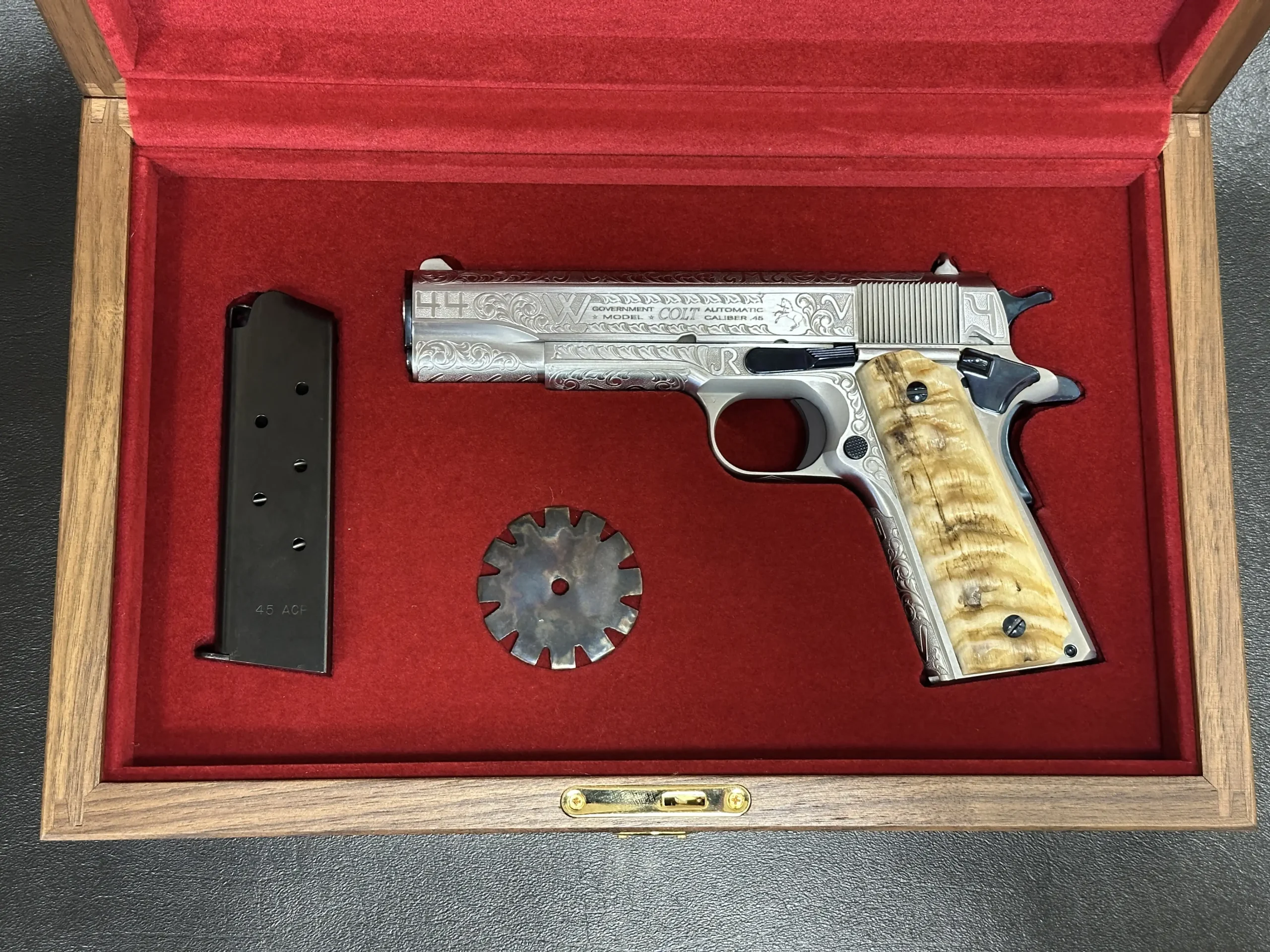
Small parts like hammers live under compressive and impact loads and benefit from tight as-made geometry. MIM shines here, offering both precision and cost control when volumes are right. Well-executed MIM hammers, sears, and disconnectors are common from reputable makers. You’ll also see investment cast and machined-from-bar-stock small parts. All three can work, but MIM owns the near-net-shape advantage for intricate features.
If you want a deeper engineering walk through of how makers slot processes to parts, an engineer’s comparison of forging, casting, and MIM in small arms lays out the tradeoffs in clear terms.
There’s a reason you see different approaches across brands and even within the same product lines.
When you see a billet lower or slide marketed as inherently stronger, remember that strength depends on more than the starting stock. Billet’s draw is precision and design freedom. Forging’s draw is resilience under repeated stress. Casting’s draw is complex geometry at feasible cost. MIM’s draw is tiny details at high precision and high volume. None of those qualities exist in a vacuum.
MIM parts from top-tier manufacturers are anything but junk. Properly engineered and sintered, they offer mechanical properties similar to cast or wrought counterparts for the small, complex parts that suit the process. The key is application: use MIM where its geometry and size advantages match the loads involved. Many firearms have run MIM small parts for years without drama.
Billet can be very strong, but it lacks the grain alignment that gives forgings their extra edge for shock and fatigue resistance. If a part will be hammered by repeated impact or cyclical load, forging tends to be the safer bet for long life, all else equal. If the part’s stresses are modest and precision is the driver, billet is fantastic.
Investment casting has built countless durable frames and receivers. While castings can have porosity, a disciplined foundry and correct heat treat control it. Casting exists because it reliably delivers complex shapes at rational cost. It’s a tool, and in the right hands, a good one.
You don’t need a metallurgy degree to make a smart choice. Aim your questions at how the part will be used and how the maker executes the process.
Collectors don’t only care about how a part performs. The method itself can mark an era. Early adoption of investment casting for frames signaled a push toward complex shapes and scalable production. The rise of MIM across small parts mirrored advances in powders and sintering control, plus a need to hold tiny features with less hand work. Billet-heavy runs often point to short production cycles or custom features that wouldn’t justify forging dies. When you handle a piece, remember you’re not just holding steel. You’re holding a snapshot of what that maker prioritized at that moment in time: strength, precision, volume, cost, or some mix of the four.
Precision specs are great on paper. In a gun, they pay off where parts meet.
Most shops balance four levers: strength, precision, geometry, and cost at scale.
Engineers will also consider how a process flows downstream. A MIM part that needs no post-machining can bottle a lot of savings. A forged slide blank may need more machining time, but it delivers strength that adds confidence over tens of thousands of cycles. There’s no free lunch. There are only good trades and bad trades.
When you’re shopping, a few focused questions can reveal how thoughtfully a part was made.
Use these as starting points, not hard rules.
The argument at the show table missed the bigger picture. Forging, billet machining, investment casting, and MIM are all valid tools. Each one shapes not only the outline of a part but its inner bones and how precisely it meets its neighbors. If you match the process to the part’s job — slide strength, frame geometry, lower receiver features, the tiny details inside a fire-control group — your choices get clearer and calmer. That’s how good guns come together. And it’s how you pick parts with confidence instead of slogans.
Available
View Item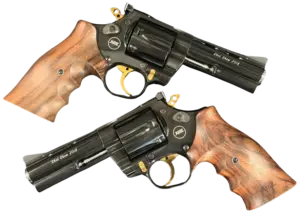
Available
View Item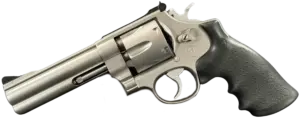
Available
View Item
Available
View Item
Available
View Item
Available
View ItemA practical, collector-minded look at Remington’s Model 8 and 81. Calibers, long recoil explained, police conversions, and what to check before you buy.
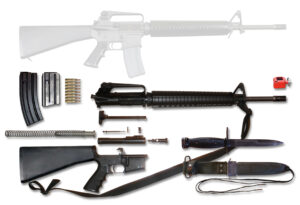
A collector’s look at Colt’s SP1 and early Sporters, from slickside uppers and pencil barrels to the rollmarks and small changes that hinted at the A2 era.

A practical, story-driven guide to reading JM vs REP barrel marks, understanding pre-safety 336s, Micro-Groove and Ballard-style rifling, and the smart checks to make before you buy.