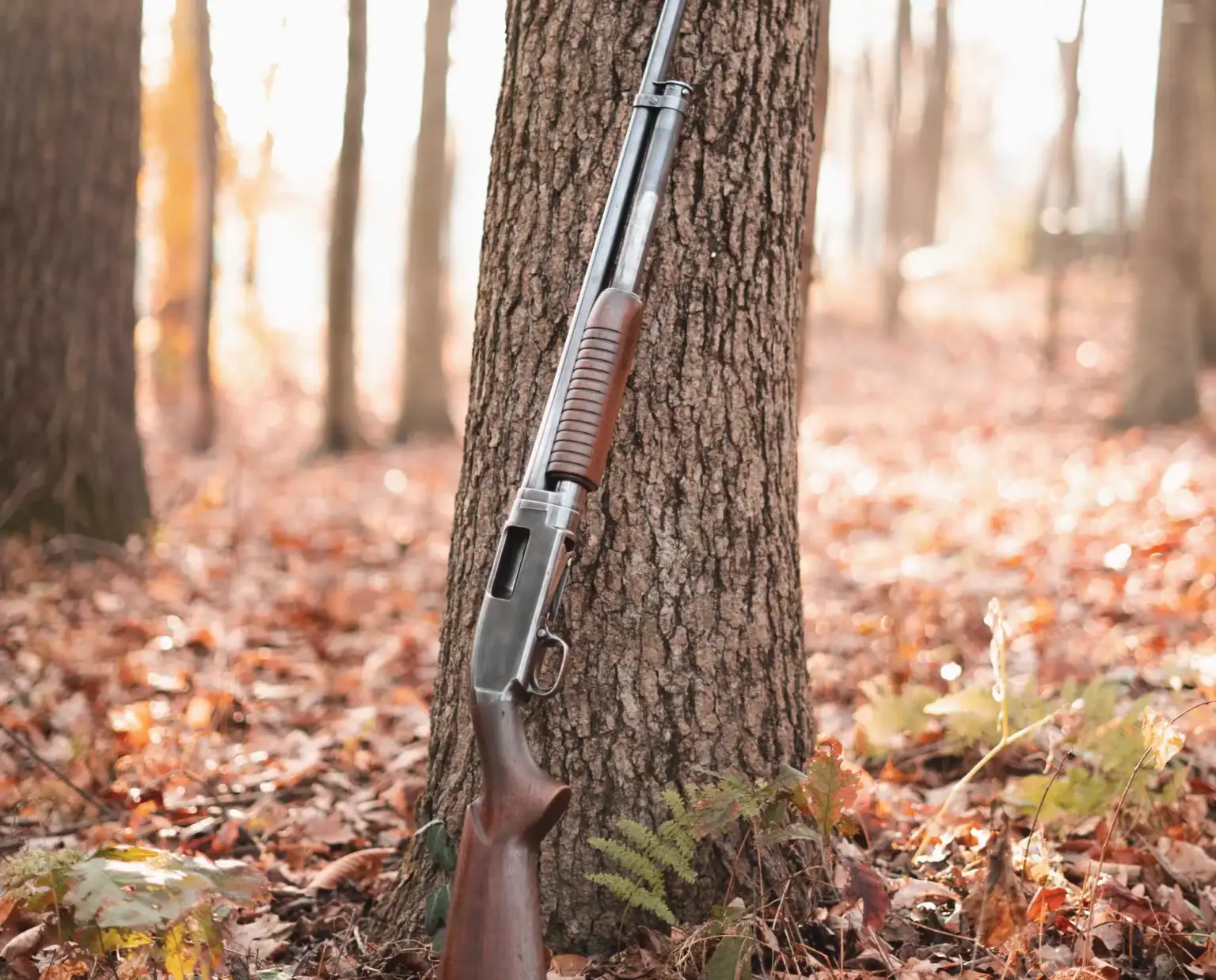
The first time a Model 12 shucked open in my hands, it felt less like running a pump and more like flipping through an American scrapbook. The slide eased back, the carrier rose, and a century of bird fields and trap lines lived in that one motion. That is why collectors still chase the Perfect Repeater. It is not nostalgia alone. It is the way the design delivers, year after year, across variants and grades that tell their own stories.
A few timeline anchors that matter
Start simple. In 1912, Winchester introduced the Model 1912 pump shotgun, which later became known as the Model 12. Winchester’s own historical timeline notes the 1912 debut and later use of the name.
By 1943, production had enough momentum that Winchester presented the one millionth Model 12 to General Henry Hap Arnold. It is a reminder of just how central this gun had become.
In 1993, Winchester reintroduced the Model 12 to the Classic Traditions line as a 20-gauge, with Grades I through IV listed in company materials. See Winchester’s historical timeline for 1950 to 1999 for that reintroduction reference.
For a broader brand context, Winchester explains how some historic designs have been produced outside the United States in modern times, which helps when you are weighing later revivals against New Haven era guns.
External references:
Factory variants and pre-war special grades at a glance
The Model 12 family grew to fit hunters, target shooters, and duty users. When you scan a rack or a listing, this is the quick map collectors expect to see.
Core factory configurations you will encounter
- Field guns, the backbone, typically with plain or modestly figured wood and fixed chokes suited to upland or general use. Gauges spanned from small-bore to 12, with common barrel lengths in the mid-20s to 30 inches, depending on era and purpose.
- Skeet, usually shorter barrels and skeet chokes, often set up to cycle fast with a smooth rib or sighting plane that favors target work.
- Trap, longer barrels, and tighter chokes, with many examples wearing the appropriate ribbing for their day. Wood and checkering often show a step up from basic field trim.
- Heavy Duck or 3-inch Magnum 12 gauge, built for stout waterfowl loads. These are purpose-driven, with chambers and chokes that reflect that job.
- Riot, short barrel length around the 20-inch mark, cylinder choke, simple sights, built for police or guard duty.
- Trench, a martial configuration with a bayonet adapter and a heat shield over a short barrel. Authentic ones are their own specialty and require cautious vetting.
Pre-war special grades often noted by collectors
- Pigeon Grade is associated with upgraded wood and finish work relative to field trim.
- Tournament and Trap grades, targeted at competitive shooters, with features that reflected their sport.
- Black Diamond-marked guns are commonly associated with enhanced wood or checkering and trap or target roles.
Expect the details on ribs, checkering patterns, wood figure, and markings to vary by era and catalog. Period catalogs and careful inspection matter when you are verifying any claim about a factory-grade or configuration.
1993 Classic Traditions Grades I–IV: What They Are and How to Verify
Winchester reintroduced the Model 12 in 1993 as part of its Classic Traditions line, listing a 20-gauge in Grades I through IV. These are modern builds that echo classic lines rather than century-old survivors. In practice:
- All are 20-gauge, which immediately sets them apart from most vintage configurations that buyers associate with early Model 12s.
- The grade numbers indicate escalating cosmetic trim within that line. In Winchester’s world, that typically means wood selection, checkering style or coverage, and embellishment rise as grade numbers go up.
- Authentication is paperwork and markings-driven. Look for matching box labels, manuals, and factory packaging, and verify that the model and grade markings align with how Winchester cataloged them in the 1990s. The 1950 to 1999 Winchester timeline confirms the 1993 reintroduction and the Grade I to IV structure.
Because these guns are relatively recent, condition bands are tighter. Many examples show minimal use. That helps you weigh a worn Grade IV against the still plentiful clean Grade I and II guns you can often find.
Originality versus condition, with Model 12 specific cues
Every collector runs the same trade. Originality carries weight. Condition still talks. Configuration drives comparisons. On a Model 12, add these platform-specific tells to your checklist:
- Takedown fit, Model 12s are takedown guns. Check that the barrel assembly locks up snugly to the receiver with the takedown collar properly tensioned. Excess wobble is a price lever.
- Carrier and bolt wear, peening on the carrier or locking surfaces, can signal heavy mileage or poor maintenance. Smooth cycling without galling is a good sign.
- Common stock cracks: inspect the wrist and the area around the upper and lower tangs for hairline cracks. Look hard at the inside corners where wood meets metal.
- Ribs, many field guns later, picked up aftermarket ribs from shops like Simmons. That can be period-correct as an upgrade, but it is not factory-original for many guns and often trims value. Look for telltale solder seams and any maker’s stamp on or under the rib.
Hands-on inspection checklist for the Model 12
Confirm the gun is unloaded, then work through a slow, steady check. Use snap caps or dummy rounds if the seller allows.
- Cycle the action slowly. You want smooth movement, a clean action release, and positive feeding and ejection of dummy rounds.
- Receiver flats and rollmarks, overly rounded edges, or washed-out markings suggest polishing and a refinish. Crisp corners and sharp lettering usually point to the original finish.
- Bore and muzzle, look for bright steel, minimal pitting, and a clean crown. Heavy frosting or a chewed crown is a point of negotiation.
- Wood-to-metal fit, oversanded wood that sits low next to proud metal, is a refinish clue. Checkering that is flattened versus sharp diamonds tells the same story.
- Screws, damaged slots support a tale of hard or careless service. Not a dealbreaker on its own, but consistent with other wear cues.
Safety note, have any older shotgun inspected by a competent gunsmith before firing, and stick to appropriate ammunition for its chamber and era.
Era tells and authenticity tips
Small details help you sort pre-war from post-war and factory from later work:
- Proof marks, Winchester’s W over P oval proof, the Hallmark of Quality in company literature, appear in period-correct locations. Study consistency, depth, and whether bluing appears pooled in or over marks, which can indicate a refinish.
- Barrel steel markings, early barrels are commonly marked Nickel Steel, later production moved to Proof Steel markings. The wording and placement help frame the era.
- Finish and polish, pre-war polish and blue often look deeper and more hand-finished. Post-war work can show slightly different surface preparation and rollmark character. Compare the style and depth of lettering against known examples from the same period.
- Lettering styles, fonts, and spacing evolved. When a receiver style or font clashes with a claimed date or grade, pause and verify with period catalog material.
What drives the price by variant or grade
- Field, value rides on originality and condition. Honest wear is fine; heavy refinish or sanded wood pulls prices down.
- Skeet and Trap, correct chokes, barrels, and ribs matter. Factory-produced target variants in the strong original shape command a premium over converted field guns.
- Heavy Duck or 3-inch 12-gauge, sought by waterfowl collectors. Condition and correct chamber markings are key.
- Riot and Trench, originality is everything. Extra holes, swapped parts, or added heat shields hurt. Provenance helps, but must be credible.
- Pre-war special grades, Pigeon, Tournament, Black Diamond, and similar markings, plus upscale wood and checkering, drive interest. Any mismatch between features and claimed grade should be priced as a standard gun until proven otherwise.
- 1993 Classic Traditions, all 20 gauge. Pricing steps up by grade, with Grade IV generally above I-III when the condition is equal. Boxed guns with complete paperwork tend to sell first.
Community, references, and safe use
Winchester’s historical timelines cover the 1912 start, the 1943 millionth gun, and the 1993 reintroduction of Classic Traditions. They are useful anchors when a seller’s story drifts. The Winchester Arms Collectors Association, organized in 1977, remains a strong knowledge hub.
Two helpful next reads on our site:
- Winchester Model 1897 Collector’s Guide
- Pump shotgun buying checklist
- Collector Guides hub
If you plan to shoot a vintage Model 12, have a competent gunsmith check it first and match your loads to the gun’s chambering and era. It is cheap insurance for you and the shotgun.
Bringing it home
Decide your lane: early original, clean shooter, or 1993 era Classic Traditions. Judge each gun against what it is supposed to be for its time and variant. The Model 12 earned its reputation the honest way, through service. When the story, markings, and parts all sing the same note, that is the one to take home.