
Remington Model 8 and 81: Browning’s Long Recoil Sporting Rifles
A practical, collector-minded look at Remington’s Model 8 and 81. Calibers, long recoil explained, police conversions, and what to check before you buy.

Call us any time at: (833) 486-6659
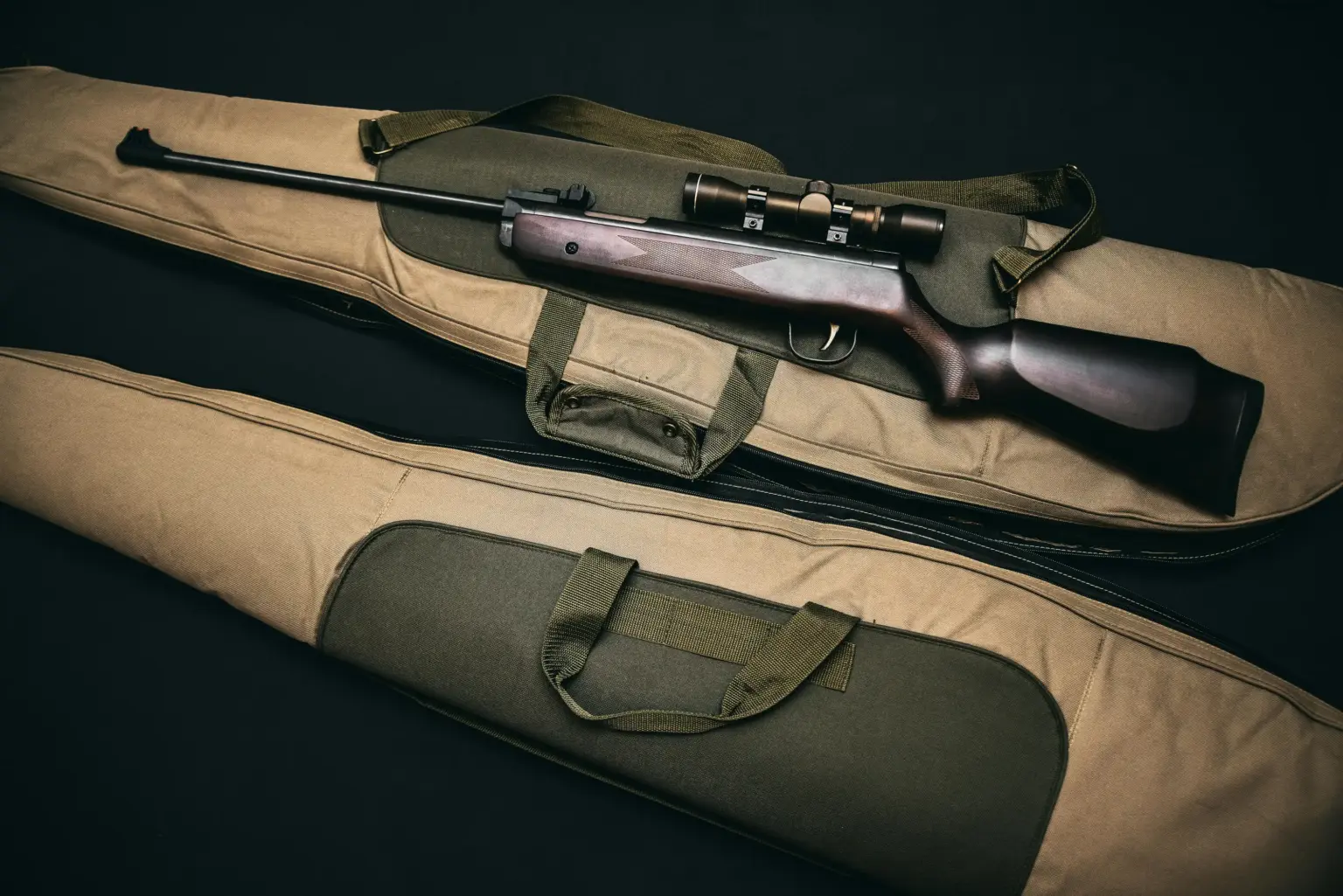
The first rifle many of us remember was a .22. Tin cans lined along a stump after dinner, a pocket rattling with rimfire rounds, and that soft report that let you hear the strike on steel. Then we grew up and bought bigger things. Yet the little .22 keeps slipping back out of the safe, getting used more than its flashier cousins. There is a reason for that. Several, actually.
If you are buying your first rimfire or you already have a row of them and you are wondering which one to add, it helps to understand why .22 rifles keep earning their place. The appeal is not just nostalgia. It is a set of practical advantages that have held true since the 19th century and still hold true now.
The .22 Long Rifle showed up in the late 1800s from J. Stevens Arms & Tool Company. It started small and stayed small, but that is the point. A tiny rimmed case and a light bullet created an easygoing cartridge that works across pistols and rifles. It also turned out to be staggeringly popular. In terms of quantities sold, .22 LR is commonly cited as the most manufactured and purchased ammunition in the world. That kind of reach shapes everything that follows, from rifle selection to training culture to ammunition variety.
Rimfire .22s became standard fare for hunting small game and for casual target shooting. They are approachable for new shooters and convenient for experienced ones who want honest practice without drama. If you notice that almost every range allows .22s and that most shooters have some rimfire in their past, you are seeing the effect of a cartridge that has stuck around because it keeps being useful.
Stand behind a kid shooting a .22 rifle for the first time. There is almost no recoil, little muzzle blast, and the rifle stays planted. That is how good habits start. You can focus on sight picture, trigger press, and follow through, rather than anticipation of recoil. Outdoor Life calls a .22 rifle great for beginners for exactly these reasons, and it is hard to argue. It is also great for anyone who wants to work on fundamentals or experiment with new positions and optics without burning through expensive ammo and energy.
Plenty of rifles and handguns can be chambered in .22 LR. That makes it a perfect cross-training cartridge. You can run a bolt action to build patient trigger work. You can run a semiauto to practice cadence and transitions. You can learn sight regulation with iron sights at reasonable distances. The cartridge gives you room to practice without punishing you for trying.
This is where rimfire really pushes other rifles out of the way. Ammunition costs have been up and down in recent years, yet .22 LR remains affordable compared to centerfire hunting and defensive rounds. The NRA Hunters’ Leadership Forum highlights that you can buy bulk rimfire for a fraction of what larger calibers cost. That stretches range days into longer sessions, and it turns a box of ammo into a lot of trigger time.
Low cost has a multiplier effect. When ammo is cheap, you practice more. When you practice more, you improve. When you improve, you enjoy shooting more, which makes you practice again. There is another subtle benefit. Lower pressure and lighter bullets mean less wear on the rifle itself. The NRA notes this as well. Thousands of rounds through a .22 do not beat up steel the way hot centerfire does. That helps keep older rifles running and makes high round counts feel normal instead of excessive.
.22 LR carved out its spot as a small game round generations ago. Rabbits, squirrels, and similar quarry fall squarely into its lane. The cartridge is effective at short ranges and lets you make precise shots without the bark of a bigger rifle. As Outdoor Life points out, it has served that purpose for a long time because it works and because the rifles are easy to carry and shoot well.
There are real limits though. Wikipedia is blunt that .22 LR is not typically used for larger game, since it lacks the stopping power for ethical results. That is worth emphasizing. Keep the cartridge in the role where it shines. It is in the woods to teach patience, to add meat to the pot on small hunts, and to let you stalk and shoot without fuss.
Here is another reason .22 rifles hang around. They pair well with suppressors where those devices are legal and available. Wikipedia notes that subsonic .22 loads and small powder charges make it easy to build quiet rifles. Because the pressure and volume of gas are low, rimfire suppressors can be compact and still effective. It is a setup often favored for plinking because a softer report makes it pleasant for you and less disruptive for anyone nearby.
The Ruger 10/22 family and similar autoloaders are common hosts, and suppressed .22 pistols are widespread too. Rifles get the most out of subsonic ammo, since longer barrels and steady stocks keep things controllable and accurate. The takeaway is simple. If your local laws allow suppressors, a .22 rifle with the right load can be a very neighborly way to enjoy range time. As always, follow local regulations and safe hearing practices.
Part of the collector appeal with rimfire rifles is how many action types exist in .22 LR. Outdoor Life points out that the cartridge shows up in just about every style. That means you can learn with the same ammo across very different rifles.
Bolt guns teach patience and rhythm. The cycle of loading, breathing, and pressing the trigger becomes a quiet loop, and the rifle lets you wring out accuracy with minimal fuss. For collectors, there are vintage trainer bolts and modern precision-minded designs that make little .22s feel like tiny target rifles.
Autoloaders are the heartbeat of plinking. They are fast, fun, and often magazine fed. If you came up on a popular semiauto rimfire, you know how quickly a brick of ammo can evaporate. Wikipedia calls out the Ruger 10/22 as a common choice, and its popularity helps explain the aftermarket parts you see everywhere. Even if you prefer a different autoloader, the category itself offers a huge range of stocks, sights, and accessories.
Manual repeaters in .22 LR have a shine that never really dims. A slick lever or a smooth pump gives you a fast follow up without flinging brass across the gravel. If you are a lever fan, you might enjoy our broader look at that action style in Why Lever Guns Never Really Went Away. Read it here.
Single-shots teach discipline. Open the action, drop a round, close, shoot, and do it again. Many families start youngsters on a simple single-shot or a compact bolt because it is easy to verify status and focus on technique. These rifles also make charming collector pieces, since every generation seems to have built a small run of them with its own quirks.
Rimfire accuracy has come a long way. The Savage Arms overview of the .22 LR’s history notes how hollow point bullets, improved propellants, and better manufacturing raised performance over the decades. The cartridge is now produced in a wide range of loads, from heavier subsonic to lighter high velocity, with match ammunition made for serious target work. Even a garden variety plinker can surprise you with the right lot of ammo and a steady rest.
Rimfire competition has blossomed because of this. Formal target shooting with .22s goes back a long way, and the modern scene has embraced precision rimfire as a training surrogate that mimics centerfire skills at shorter ranges. That means more rifles built with stiffer barrels, nicer triggers, and stocks that accept optics easily. You can learn to call wind, manage parallax on a scope, and break clean shots without spending the kind of money centerfire disciplines demand.
On the casual side, a .22 turns any range day into a skills laboratory. You can practice kneeling, sitting, and improvised rests. You can teach a new shooter how to run a safety lever and follow range commands. You can zero iron sights on a square range, then install a small optic and see what you gain or lose. Because the stakes are low and the ammo is cheap, experimentation becomes part of the fun.
Spend time around rimfire shooters and you will notice how much they like to tinker. Part of that is cost. Swapping a set of sights, a stock, or a trigger on a .22 rifle feels approachable, and the aftermarket exists because millions of rifles are out there. Wikipedia’s nod to the Ruger 10/22 as a common, reliable platform helps explain why parts for that family have become a mini industry. But even outside that orbit, you will find peep sights, aperture sets sized for smallbore, and rails that let you mount compact optics without extra weight.
This culture of small improvements rewards patience. You can try different lots and types of ammo and actually record group sizes without breaking the bank. You can add a sling and practice old school loop techniques. You can try a suppressor on a threaded barrel where legal and see how subsonic loads behave out of your particular rifle. Little changes add up, and the rifle becomes a companion that evolves with you.
Collectors gravitate toward .22 rifles for two main reasons. First, the variety is enormous. You have pre-war single-shots with case colored receivers, midcentury tube magazine repeaters with art deco lines, and modern precision trainers that mirror centerfire chassis rifles. Second, the low-pressure nature of the cartridge means many old rimfires survive in good mechanical health. The NRA Hunters’ Leadership Forum points out that .22 rifles experience relatively low wear even after high round counts. That increases the odds of finding a shooter-grade example from a past era that still runs beautifully.
A collecting strategy can be as simple as chasing action types or sighting systems. Some enthusiasts build a run of classic American bolt actions with period correct peep sights. Others look for youth rifles and cadet trainers because they come with a story and usually compact stocks. There are also rimfires that exist as understudies to famous centerfire rifles. Those appeal to shooters who want the feel of a full-size rifle with .22 running costs.
If you prefer to stick with contemporary models, the market is broad there too. As Savage notes in its history piece, manufacturers keep investing in rimfires because shooters keep asking for them. That means the current crop includes adjustable triggers, threaded muzzles for suppressors where legal, and stocks or chassis meant for optics. None of this erases the charm of a simple plinker. It just means you can choose a very specific flavor of .22 rifle that suits your habits.
Choosing a .22 rifle is easier when you match it to how you plan to use it. Here is a simple checklist to keep you honest.
The nice thing about .22 LR is choice. Savage’s overview mentions a wide range of bullet weights and configurations, from heavier subsonic to lighter high velocity. That lets you tune your rifle to the moment. Subsonic pairs nicely with suppressors and quiet practice. High velocity flattens trajectory a bit and can help cycling in some autoloaders. Hollow points exist for small game. There are even specialized high velocity variants like the famous Stinger profile that trade bullet weight for speed, noted in Wikipedia’s discussion of variants.
This is one place where experimenting pays off. Try a few loads and see what your rifle prefers. Many .22s show real personality from one lot to another. Since cost is low, you can test without hesitation and keep notes on how each brand and style groups at your typical distances.
Rimfire rifles show up in defensive conversations more than you might expect simply because they are common and easy to use. Wikipedia points out that as a defensive cartridge, .22 LR is considered inadequate by many, though it is often present because of availability and low cost. That is a fair way to think about it. A .22 rifle is not a first choice for stopping power. Its strengths lie elsewhere. If defense is a primary concern, study widely, train safely, and seek qualified instruction before making decisions.
Put all of this together and it is obvious why .22 rifles refuse to collect dust. They cost little to feed. They teach good habits. They carry light in the field and take small game with precision. They are friendly with suppressors where legal. They come in every shape, from simple single-shots to eager autoloaders. They invite tinkering and reward patience. And they connect shooters across generations, since a grandparent’s basic bolt action will still run just fine on today’s ammunition.
If you buy one .22 rifle, it will almost certainly get used. If you buy two, you will find reasons to keep both. If you collect them, the hunt is deep and varied without requiring a fortune, and the range time is the kind that puts genuine smiles on faces. For the buyer and the collector alike, that is more than nostalgia. It is a practical truth that keeps the little rimfire on the front row.
Available
View Item
Available
View Item
Available
View Item
Available
View Item
Available
View Item
Available
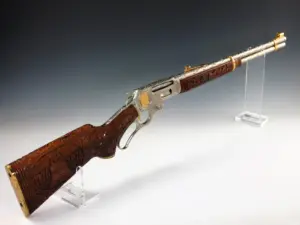
View ItemA practical, collector-minded look at Remington’s Model 8 and 81. Calibers, long recoil explained, police conversions, and what to check before you buy.
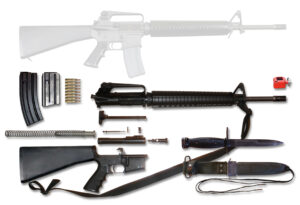
A collector’s look at Colt’s SP1 and early Sporters, from slickside uppers and pencil barrels to the rollmarks and small changes that hinted at the A2 era.
A practical, story-driven guide to reading JM vs REP barrel marks, understanding pre-safety 336s, Micro-Groove and Ballard-style rifling, and the smart checks to make before you buy.