
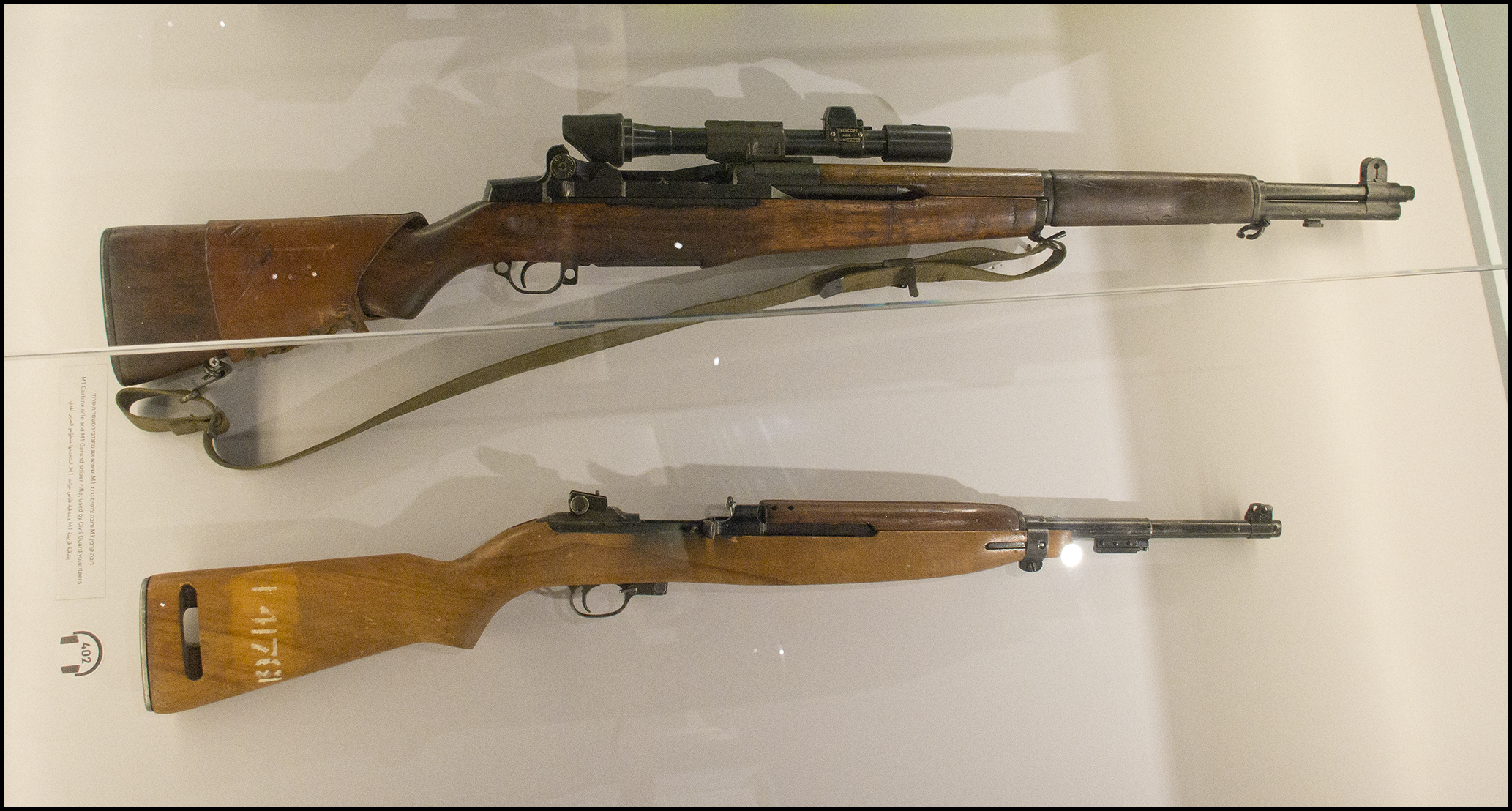
I remember a bench session with two M1s that told completely different stories. One wore the familiar gas-port front end and a hard-used stock. The other had an odd muzzle and sight arrangement I did not expect. That was my first real brush with the early gas-trap system. Same model on paper, two very different chapters sitting side by side.
If you collect, shop, or just want to understand these rifles better, learning to read those stories is half the pleasure. The other half is avoiding surprises. Here is how to spot gas-trap vs gas-port rifles, make sense of parts marks and cartouches, understand rebuild traits common on CMP-sourced guns, pick trustworthy en‑bloc clips, and run a sensible inspection before you buy or shoot.
Gas trap vs gas port
As originally adopted in 1936, the M1 used a gas-trapping system that captured gas at the muzzle with a screw-on cylinder and cap. Collectors call these early rifles gas traps. The system was replaced around mid‑1940 by the gas-port design that bleeds gas through a small port drilled in the underside of the barrel into a cylinder retained by a lock and lock screw.
If you are new to this split, two short references lay it out clearly:
- Scott Duff’s overview of the gas-trap system covers the screw-on cylinder, plug, and single-spline front sight versus the later three-spline gas-port setup.
- American Rifleman’s look at the unknown gas-trap rifles explains how the early configuration differed from the later standard.
- For added context on why the change mattered to performance, see The Armory Life’s “What’s a Gas Trap Garand?”.
Spotting a gas-trap front end
Original, intact gas-trap rifles are scarce and often altered, but the front-end cues are distinct:
- Screw-on gas cylinder with a muzzle cap or plug, instead of a cylinder keyed to three barrel splines
- Single-spline front sight held by a screw, compared to the later triple-spline arrangement
- A slightly longer, more delicate-looking nose compared to the stout gas-port profile
Mixed parts show up often because many early rifles were updated. The goal is not to gamble on unprovable originality. It is to recognize what is in front of you and decide whether you want it as a representative piece or a shooter.
Drawing numbers: using the marks
On the M1, drawing numbers and revision codes are your breadcrumbs. You will find marks on the operating rod, bolt, trigger housing, and other components. Collectors use them to:
- Confirm a part is correct to the M1 family and not a commercial lookalike
- Bracket a part to an era or updated pattern
- Gauge how and when a rifle was serviced
Treat these marks as clues that support a bigger picture. A wartime receiver paired with later-marked parts is common after arsenal work. If you are chasing a narrow configuration, use the marks to guide your search, then verify ranges and revision details with authoritative references from Scott Duff Publications or American Rifleman’s M1 features.
Operating rods: revisions that matter
The operating rod evolved as the M1 matured, and many rifles received updated rods during postwar service. American Rifleman’s rebuild coverage regularly notes rifles with modified operating rods alongside other upgrades.
Practical takeaways:
- Seeing a later-style rod on an earlier receiver is normal on arsenal-updated rifles.
- For a shooter, a sound later rod is usually preferable.
- For a time-capsule build, expect to study revision marks and machining cues with trusted guides before you buy.
Functionally, inspect the operating rod camming lug and the mating camming surface on the bolt for peening or chipping. That handshake is central to safe lockup and reliable cycling.
Stocks and cartouches: reading the wood
Metal tells you how a rifle was built and updated. Wood tells you where it has been. Cartouches and inspection stamps can add confidence, but they are often faked or overinterpreted.
American Rifleman illustrates a rebuild wearing an SA/SHM stock cartouche, and it also shows the typical rebuild pattern on the same rifle: a modified operating rod, a modified trigger housing pad, and T105E1 rear sights. Stamps and update parts often travel together.

When you shoulder a rifle and start reading the wood:
- Expect arsenal stamps to coexist with a mix of earlier and later parts.
- Do not hang the entire story on a single cartouche.
- Check that stock wear and handguard tone make sense next to the metal’s finish and wear.
- Let stamps confirm what the rest of the rifle already suggests.
Rebuilds and the CMP reality
During and after the wars, Ordnance units cleaned, repaired, and upgraded huge numbers of M1s. American Rifleman’s rebuild history shows racks of rifles on benches and documents the common update pattern: T105E1 rear sights, modified operating rods, and detail changes such as the modified trigger housing pad.
That is why CMP-sourced rifles so often reflect a rebuild. Expect later features and a parts mix appropriate to arsenal maintenance. If your dream is a narrow snapshot in time, you will need to chase specific marks and machining traits. If you want a correct, safe shooter with real ordnance history, a documented rebuild sits in the sweet spot.
For patterns and markings seen on rebuilds, start with American Rifleman’s overview of M1 Garand rebuilds. If you are shopping CMP, be aware that CMP grading often reflects serviceability and originality expectations by tier. Typical labels like Service, Field, Correct, and Collector set broad expectations for condition and parts originality.
En‑bloc clips: ID, testing, and reliability
The eight-round en‑bloc clip is not an accessory. It is a core part of the system. Keep it simple and reliable:
- Prioritize USGI-pattern clips. Many will have a maker code stamped on the spine or base.
- Inspect for bends, burrs, or weak springs that can cause last-round release or feeding issues.
- Function-test each clip with inert or dummy rounds before trusting it on the line.
A suspect clip can mimic rifle problems. Once you find a dozen that run perfectly, mark and keep them together.
Before you shoot: a practical inspection
A careful strip, clean, and inspection is cheap insurance. Standard armorer checklists recommend this sequence and focus:
Safety interlocks and bolt checks
The rifle has a built-in safety that keeps the firing pin off the primer until the bolt is properly cammed shut and the firing pin aligns with the receiver notch. That interlock depends on healthy camming surfaces.
- With the firing pin retracted, examine the hole in the bolt face for chips or damage.
- Inspect locking lugs for cracks, rounding, or asymmetrical wear.
- Check the operating rod camming lug and its mating area on the bolt for peening or chipping.
Gauging the gas system
Excess wear in the gas cylinder or a worn op-rod piston can cause short-stroking. If you have access to gage pins, they are a straightforward way to assess cylinder wear in the power-stroke area. Even without gauges, verify that the piston is round and smooth and that the cylinder is clean and free of corrosion inside.
Headspace and life left
Headspace is not a guessing game. Use proper gauges or have a qualified armorer check it. A combination that fully closes when it should not is a sign the barrel, bolt, and receiver have reached the end of safe service together. While you are there, inspect the chamber and breech face for roughness or chatter.
Sights and trigger housing: common update tells
Many rebuilds wear the T105E1 rear sight assembly and a modified trigger housing pad. Those are good shooter upgrades and clues to a formal refresh. Verify the sight gives positive clicks without binding and that the trigger group shows clean engagement surfaces and a consistent reset after a proper cleaning.
Ammo and gas pressure
Protect the operating rod. Modern commercial .30‑06 loads can be hotter at the gas system than M2 Ball spec. Many experienced shooters stick to M2 Ball-spec ammunition when possible or use an appropriate adjustable gas plug when running commercial loads to keep port pressure in a safe window.
Buyer tips and steady rules
- Decide early: shooter, representative service rifle with rebuild history, or narrowly defined configuration.
- If a gas-trap front end appears, slow down and verify. Complete originals are rare and many early rifles were updated.
- Treat drawing numbers and part marks as clues that support the whole picture, not the whole case.
- Expect arsenal upgrades like T105E1 sights, a modified op rod, and an SA-over-inspector cartouche to appear together on rebuilds.
- Clips matter. Prove every clip with dummy rounds before judging the rifle.
- Give yourself the gift of a bench inspection. The bolt, camming lug, gas cylinder wear, and headspace checks are simple, practical, and worth doing.
The M1 Garand rewards curiosity. Stand in front of one long enough and it will tell you how it began life, how it was updated, and how it ended up in your hands. That is the fun. Learn what to look for, ask good questions, and take your time.