
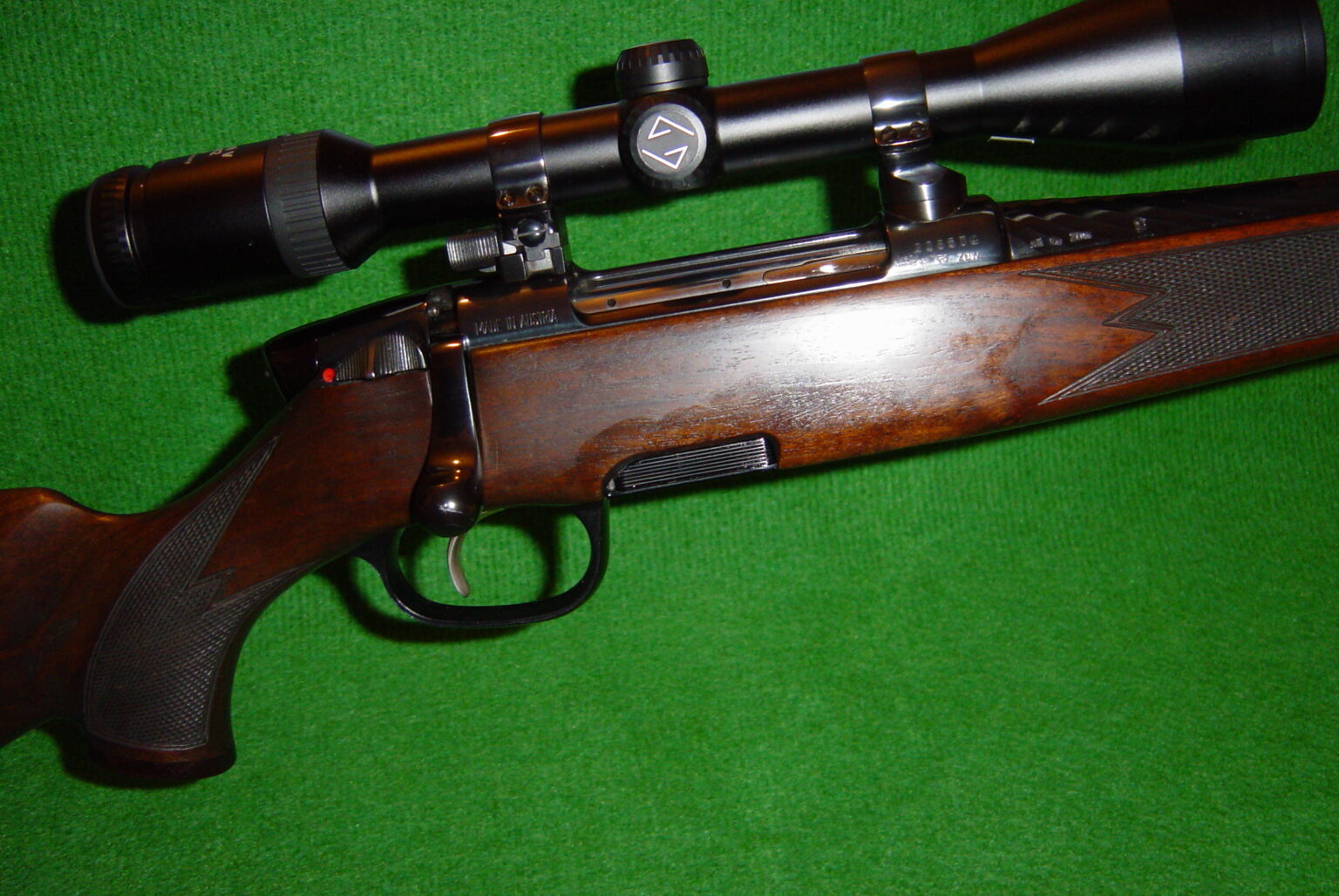
Run the bolt on a Mannlicher–Schönauer and you tend to run it again. The stroke feels like gears on velvet, different from a Mauser box or any later push-feed sporter. That sensation traces to the heart of the design: the Schönauer rotary spool tucked inside the stock, presenting cartridges so smoothly you almost forget it is there.
This guide stays with the years most collectors shop: 1903 through the early 1950s. We will explain the rotary magazine in plain terms, sketch the Steyr timeline that shaped production, and lay out what to check on sights, stocks, and condition without drowning in jargon.
1903: Mannlicher meets Schönauer
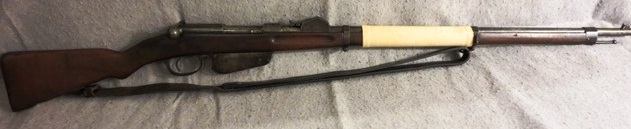
In 1903, engineers Ferdinand Ritter von Mannlicher and Otto Schönauer launched the Original Mannlicher–Schönauer: a turn-bolt hunting rifle feeding from a Schönauer rotary magazine. Steyr offered it worldwide in multiple calibers, with either a direct trigger or a set trigger, and as a take-down option. Over time the rifle became a benchmark sporting arm, with production continuing into the 1970s. These basics come straight from Steyr’s own history and literature.
How the Schönauer rotary spool works
The magazine is a drum-shaped spool that rotates as the bolt strips a round, presenting the next cartridge perfectly in line. Crucially, the entire assembly sits within the stock, enclosed against dust and grit. Period Steyr material underlines this point: the drum and its spring are protected inside the device, which helps explain how many examples still feel silky a century on.
Compared with a fixed box, the difference is more than feed angle. There is no protruding magazine to snag, and because the spool lives in the stock, balance through the wrist stays neutral. That is a big part of the Mannlicher–Schönauer’s in-hand appeal. For broader context against contemporary bolt sporters, our overview of commercial Mauser 98 sporting rifles frames the contrast.
Steyr’s production arc that matters to buyers
Steyr’s own timeline gives you the key beats that affect how these rifles show up today:
- 1903: Start of production of the Original Mannlicher–Schönauer sporting rifle.
- 1912–1914: Move to a larger Steyr factory to meet rising demand.
- 1938: Annexation to Nazi Germany and integration into wartime industry. Civilian sporting output gives way to military priorities.
- 1945: Weapons production ceases at the war’s end.
- 1950: With Allied permission, Steyr resumes production of Mannlicher–Schönauer sporting rifles.
Steyr’s official history timeline lays out these dates, and the line is documented as continuing beyond our window into the 1970s.
Prewar sporting features buyers encounter
Prewar Mannlicher–Schönauers were positioned as premium hunting rifles and the catalog options reflect it:
- Triggers: Many rifles have a crisp direct trigger; others carry a set trigger for a lighter break on demand. Set triggers add value if intact and properly functioning.
- Take-downs: Factory take-down versions exist. Check for tight lockup, repeating point of impact after reassembly, and clean, original interface surfaces.
- Calibers and export: Rifles shipped worldwide in various chamberings. Expect proof and inspection marks that reflect that reach; focus first on condition and correct, long-lived parts.
Postwar restart: early 1950s and the Model 1950
The 1950 restart puts commercial sporting Mannlicher–Schönauers back into circulation. Period documentation, including the Model 1950 owner’s manual, presents the same core identity: Mannlicher turn-bolt, enclosed Schönauer rotary spool, sporting configuration, and the trigger options hunters wanted. If you are holding a clean, clearly commercial rifle with early 1950s features, you are likely in this restart era.
Sights: original vs later work
Iron sights were standard fare and many rifles later picked up optics. When you evaluate sighting gear:
- Look for undisturbed bases, clean screws, and witness marks that still line up.
- Scan windage and elevation parts for burrs, file marks, or forced fits.
- Weigh scope mounts by execution and era. Sympathetic period mounts can be acceptable. Fresh holes and sharp modern hardware on older receivers usually narrow the buyer pool.
Stocks and handling: quick checks that pay
- Checkering and finish: Sharp points and clean borders suggest originality. Flattened diamonds and smeared borders signal sanding or refinish.
- Wood-to-metal fit: Inspect the tangs, trigger guard, magazine area, and forend cap. Gaps and proud wood hint at shifted or replaced parts.
- Butt and length of pull: Plates and pads should fit the era and footprint. Heavy alterations hurt collector interest even if they help as a shooter.
- Cracks: Pay special attention at the tang and wrist. Even repaired cracks are a structural and value concern.
Balance matters here. If a Mannlicher–Schönauer feels oddly nose heavy or hollow through the wrist, pause and look for replaced wood or hardware.
Buyer checklist: what matters most
- Condition first: Strong bore, original finish, and honest edges beat a polished refinish.
- Magazine behavior: The rotary spool should turn freely, present rounds squarely, and avoid shaving brass.
- Triggers: Direct triggers should break cleanly. Set triggers must set and release reliably.
- Stock integrity: Sound wood, crisp checkering, and proper fit at the metal.
- Sympathetic hardware: Period sights and mounts can add utility without killing value; crude drill-and-tap work does the opposite.
Inspecting the rotary magazine
The Schönauer spool is enclosed, which helps longevity, but it still deserves a careful check:
- Cycle dummy rounds in the correct caliber. Each should rise level and feed cleanly.
- Feel for drag as the bolt strips a round. Smooth, consistent resistance is the goal.
- Close on an empty magazine slowly. You should not hear rasping or feel grit. The spring, protected inside the spool, should act smoothly.
- Inspect visible lips and edges for pry marks or filed spots that suggest past “fixes.”
If you like primary sources, skim the Model 1950 manual’s description of the drum magazine. Steyr’s language about the dust-proof housing and protected spring is a useful baseline when something feels off.
Common alterations and their impact
- Scope mounts: Clean, well-executed period work may be acceptable. Crooked holes, cold blue halos, and clunky hardware undercut value.
- Reblues: Rounded edges, washed lettering, or mirror polishes are telltales. A tasteful refinish can still be a fine shooter, just price accordingly.
- Stock work: Thinned forends, flattened checkering, and modern pads are common. Decide early whether you want a shooter or a catalog-correct piece.
- Trigger tinkering: A creepy or erratic break is a red flag. Have a competent gunsmith review before you buy or shoot.
Shooting and care without hurting value
- Confirm the exact chambering and use appropriate ammunition.
- Run the bolt with purpose. These actions reward smooth, decisive cycling.
- Keep grit out of the stock. Treat action and stock as a unit; clean lightly after dusty days.
- Oil sparingly on bearing surfaces. Do not flood the enclosed magazine area.
For factory anchors, revisit Steyr’s history timeline and the Model 1950 manual. They confirm what collectors rely on: 1903 launch, enclosed rotary spool magazine, broad sporting options, the 1912–14 factory expansion amid demand, the 1945 halt, and the 1950 restart.
Wrap-up
The Mannlicher–Schönauer’s appeal is simple: a refined turn-bolt action feeding from a rotary spool that hides in the stock and just works. From its 1903 debut through the early postwar years, that core identity stayed intact. When you evaluate one, feel the stroke, watch the spool, judge the wood, and be honest about alterations. If the rifle still carries itself like a well-made hunting arm, you are on the right path.