
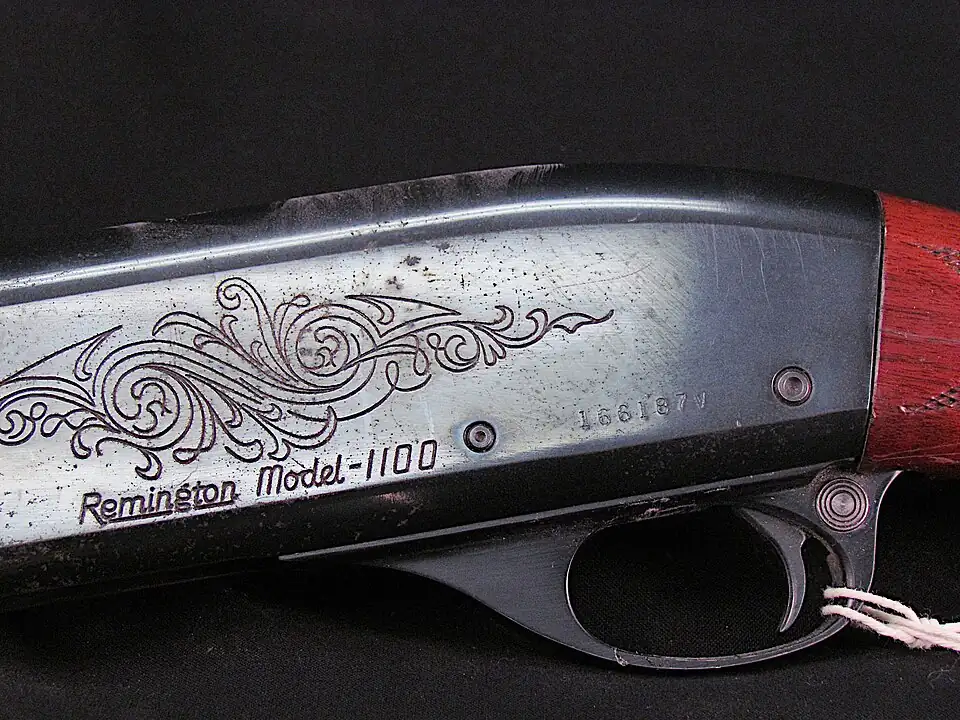
I can usually tell when someone’s first day with a gas-operated Remington was a good one. They talk about the push. Not the kick. The first time a Model 1100 or 11-87 nudges your shoulder and flips empties into a tidy pile, you get it. Field loads, winter skeet, fall ducks, snow geese if that’s your thing. These guns rewrote what a soft-shooting, reliable autoloader could be for ordinary shooters, and they did it with a system that is as simple to appreciate as it is easy to neglect.
This is a buyer-collector guide to the pair that defined it: the 1100 and the 11-87. We’ll look at how the design evolved, the reality behind magnum and steel-shot use, what parts interchange, the maintenance steps that actually matter, and how to fix the most common hiccups without turning your bench into a parts graveyard.
From 1100 to 11-87: how the design changed
The two guns share the same core idea. Both the Model 1100 and Model 11-87 are gas-operated semiauto shotguns that bleed a measured portion of propellant gas through ports under the barrel. That gas pressurizes a piston and related parts on the magazine tube and drives the action to extract, eject, and feed the next shell. The result is the famous push that so many of us associate with Remington’s gas autos. It is not marketing fluff. Gas systems spread recoil over a longer impulse, and these guns live there.
As a design story, the 11-87 stands on the 1100’s shoulders. According to widely cited sources, the 11-87 arrived in 1987 and remained in production through 2020. It is based on the 1100’s architecture but adds a self-compensating gas system to stretch the load range. In plain English, that means an 11-87 is designed to run both 2 3/4-inch and 3-inch shells in 12 or 20 gauge without the owner changing anything between shots. The 1100, by contrast, is the earlier pattern that made Remington’s reputation in the first place and cemented gas automation as a mainstream American idea in a shotgun.
There was even a lightened 11-87 variant in the late 1990s known as the 11-96. It came in 12 gauge and trimmed some weight for folks who preferred a livelier field gun. Collectors still bump into those from time to time.
What self-compensating gas really means
If you’ve ever tinkered with a gas shotgun that demanded you switch pistons or sleeves for heavy and light loads, the 11-87’s appeal is obvious. Its system manages gas across a broader range, from light 2 3/4-inch target shells to 3-inch magnums, without the owner adjusting the guts. That’s the headline.
There are two practical footnotes worth knowing:
- Some 11-87s with short barrels or magnum branding are reported to be finicky with lighter target loads. That does not mean yours will be. It means that, as barrels get shorter and ports smaller relative to the task, light loads give the system less to work with. Keep that in mind when you test a used gun.
- Remington also offered a 12 gauge 11-87 Super Magnum. It has some small parts differences in the gas system. A notable one from the factory literature: the 11-87 12 gauge Super Magnum does not use a gas cylinder collar, while standard 11-87s do.
Both models reward reasonable expectations. They are built around gas volume and cleanliness. Give them decent ammunition, keep the gas parts clean, and they run with a predictability that made entire generations of waterfowlers and clay shooters loyal.
Magnum loads and steel shot: practical cautions
When people ask about 1100s and 11-87s with magnum shells and with steel shot, they’re really asking two different questions.
Magnum shells
On magnum use, the 11-87’s self-compensating system is designed around running both 2 3/4 and 3-inch shells in the same gun, in both 12 and 20 gauge variants. That broad coverage is part of the 11-87’s identity. The 1100 is the older pattern, and while there are many flavors of 1100 barrels and chambers out there, buyers should not assume that a given 1100 is set up to run 3-inch shells simply because it is a Remington gas auto. Verify what the barrel and receiver indicate, and match your shells accordingly. Chambers and barrels are what they are, and shell length is not a place to guess.
Steel shot
Steel shot introduces a different set of considerations. It is harder than lead and interacts with chokes and barrels in a way that warrants caution. Because there are so many 1100 and 11-87 barrels, chokes, and eras out there, the sanest path is the simple one: look for explicit markings on your barrel and choke tube about steel compatibility and pattern with an open choke first. If you cannot confirm steel suitability from the markings or current Remington guidance, do not assume. Check your manual, confirm with an authorized service center if needed, and err on the side of caution with choke constriction when using hard shot.
These are common sense steps, but they save you from learning the hard way. If you are choosing a barrel specifically for steel or other hard, non-toxic shot, select one that is clearly identified for the task and use tubes that say they are made for it. Remington’s documentation and current service network can advise on what is appropriate for your specific gun and barrel combination.
Parts compatibility: what swaps and what doesn’t
There’s a reason entire benches are littered with similar-looking Remington parts. The family resemblance between the 1100 and 11-87 is real, and many parts look close enough to tempt you into mixing and matching. That is where the trouble begins.
Here are the highest-yield lessons for buyers and tinkerers:
- Gas system differences matter. The 11-87 uses a self-compensating setup and on standard models uses a gas cylinder collar. Per factory guidance, the 11-87 12 gauge Super Magnum does not use that collar. Swap parts blindly here and you invite short-stroking or worse.
- Not all barrels and forends interchange. The interface is similar, but production changes and model differences mean you should verify fit before you assume. Pay attention to the ring on the barrel, the gas ports, and the fore-end support.
- Small parts can be deceptively different. Even when a spring or screw looks identical, the part number matters. Remington’s parts lists spell out what belongs in which model. They also note that parts can change without notice. If you’re buying spares online, match part numbers and model names carefully.
If you like to keep factory docs close, the official 1100 and 11-87 manual includes parts breakdowns and notes straight from Remington. It’s a handy cross-check when you’re staring at a coffee can of rings and washers and wondering what actually belongs in your gun. You can find that in the official 1100/11-87 manual.
Maintenance that actually matters
These guns are not needy. They do, however, respond directly to how clean and how oily their gas hardware is. The factory puts it plainly: over-lubrication should be avoided. A thin coat of oil prevents rust. More is not better on a gas gun’s magazine tube.
Here’s a routine that respects what the factory tells you and what years of shooting these guns confirms:
Keep the gas parts clean, the magazine tube lightly oiled
The piston and its seal ride on the magazine tube and collect soot with every shot. Remington notes that the gases carry combustion residue that can foul the magazine tube and the piston or piston seal assembly, especially in cold, damp weather, when the gun is over-lubed, or when the ammunition is not particularly clean-burning. You do not need to scrub the tube to bare metal every outing, but if you can feel carbon with a fingertip, it’s time to wipe it away.
Once it’s clean, apply only a thin film of oil to prevent corrosion. Soaking the tube invites a sticky paste of oil and powder fouling that slows the action.
Give the barrel a normal cleaning
Remington’s guidance is hardly exotic here. Use a good cleaning kit, follow ordinary barrel-cleaning steps, and avoid leaving the bore wet. Outside surfaces like the barrel exterior, the receiver, and the magazine tube cap appreciate a light coat of oil during storage, but don’t drown them. When a gas gun sits wet in a cold safe, that moisture is waiting to collect fouling the next time you shoot in chilly weather.
Let a pro look at it once a year
Remington recommends an annual check by the company or an authorized service center. It isn’t a marketing upsell. A qualified tech can catch a cracked lip, a weakened spring, or a port that needs attention long before it turns your Saturday into troubleshooting practice. For many of us, this is a once-a-season thing when the waterfowl decoys go back on the shelf.
Troubleshooting the common hiccups
Most problems on these guns trace back to one of three things: residue, lubrication, or mismatched parts. If you stick to a clean gas system, a thin coat of oil, and parts that actually belong in your gun, the odds swing dramatically in your favor.
Short-stroking or failures to eject
- Clean the magazine tube, piston, and piston seal assembly. If it feels gritty, the action is working harder than it needs to.
- Check for heavy oil. If you can see beads of oil on the tube, that’s too much. Wipe to a film.
- Inspect the gas ports under the barrel for debris. Use the correct tools and a cautious hand. You’re clearing, not enlarging.
- Verify ammunition. Very light target loads in a short-barrel 11-87 or a magnum-marked gun may not give the system what it needs. Try a known good load before you chase ghosts.
- Confirm the right parts are in the right places. If a previous owner mixed 1100 and 11-87 gas components, you can spend a week chasing a problem that is really a collar or ring mismatch.
Failures to feed
- Look at the shell latch surfaces and the condition of the lifter. Dirt there is less glamorous than a new part, but a lot more likely to be the culprit.
- Cycle dummy shells by hand after a cleaning session. Feel for hangs. If the gun runs like a zipper empty but balks with shells, you’re likely looking at friction on fouled feed parts or a magazine spring that needs attention.
Intermittent cycling only in cold, damp weather
- That’s precisely the condition Remington calls out as high-risk for fouling in the gas system. Clean it, go lighter on oil, and try again.
- A lightly oiled fleece-lined case can smear oil on the magazine tube during transport. Wipe the tube before you shoot if the gun rides in a lined case.
If you like a guided tour with cutaway views and step-by-step disassembly, the AGI Armorer’s Course for the 1100 and 11-87 is a compact resource that walks through design, cleaning, and reassembly. It’s a helpful companion if you’re new to these guns and want a visual baseline for what “right” looks like. You can find it through the AGI armorer’s course for Remington 1100 & 11-87.
Buyer tips: picking between 1100 and 11-87
I get this question a lot, and the honest answer is that both remain great buys if you buy the example in front of you, not the idea in your head. Here’s how I break it down when someone hands me a budget and a purpose.
If you want one gun for clay targets and fall birds with standard loads
An 1100 in good mechanical shape is still the value play. It has the lush recoil signature that made it famous and a simple gas system that is easy to keep clean. When you inspect a used one, bring a light and pull the forearm. Look at the magazine tube, piston parts, and the general care the previous owner took. Guns that are clean under the forearm were cared for elsewhere.
If you expect to jump between light field loads and stout magnums
The 11-87’s self-compensating system is built with that span in mind. If the barrel length is reasonable and the gun has not been fed a steady diet of grime and oil, it should run both ends without drama. As with any used shotgun, try the loads you actually plan to shoot.
If you want to run hard, non-toxic shot
Select the barrel and choke deliberately. Look for steel-shot-compatible markings and do not choke down too tight until you’ve patterned the gun. If you are buying a second barrel specifically for modern waterfowl loads, choose one that is clearly identified for that purpose.
What to bring when shopping used
- A small flashlight and a rag. You want to see under the forearm and feel the magazine tube.
- Dummy shells. They let you check feeding and the lifter’s behavior without live ammo.
- A short list of part numbers if you expect to replace wear items. Matching numbers to model helps you avoid the close-enough trap.
If your collecting taste leans broader than gas autos, you might also enjoy our straightforward buyer’s look at the classic pump from the same family in Remington 870: Wingmaster, Express, Police, and how to buy a good one. Different mechanism, same focus on what actually matters when you stand at the counter.
Living with a gas Remington: a few closing thoughts
What keeps the 1100 and 11-87 relevant is not nostalgia. It’s the way they shoot and the way they respond to basic care. Gas operation bleeds pressure to run the action and softens recoil along the way. That same gas carries soot and moisture. If you respect the balance, these guns will do their part across decades of seasons.
A few final reminders from the factory side that are worth taping to the inside of your cleaning kit:
- Both the 1100 and 11-87 are gas-operated. Clean the gas parts, not just the bore.
- Combustion residue and cold, damp conditions can foul the magazine tube and piston assemblies, especially if the gun is over-lubed or fed dirty-burning ammunition.
- Use only a thin coat of oil on the tube and exterior metal to prevent rust. More oil is not better.
- Have the gun checked annually by Remington or an authorized service center. Small parts wear quietly, right up until they don’t.
The Model 1100 set the standard. The 11-87 broadened the load window with a self-compensating gas system and gave hunters a little more freedom to switch shells without thinking about what was happening under the forearm. Pick a clean example, mind the gas system, match your shells to your chamber and barrel, and you’ll get that same shoulder push that hooked so many of us the first time we stood on a skeet pad with a Remington gas gun in hand.