
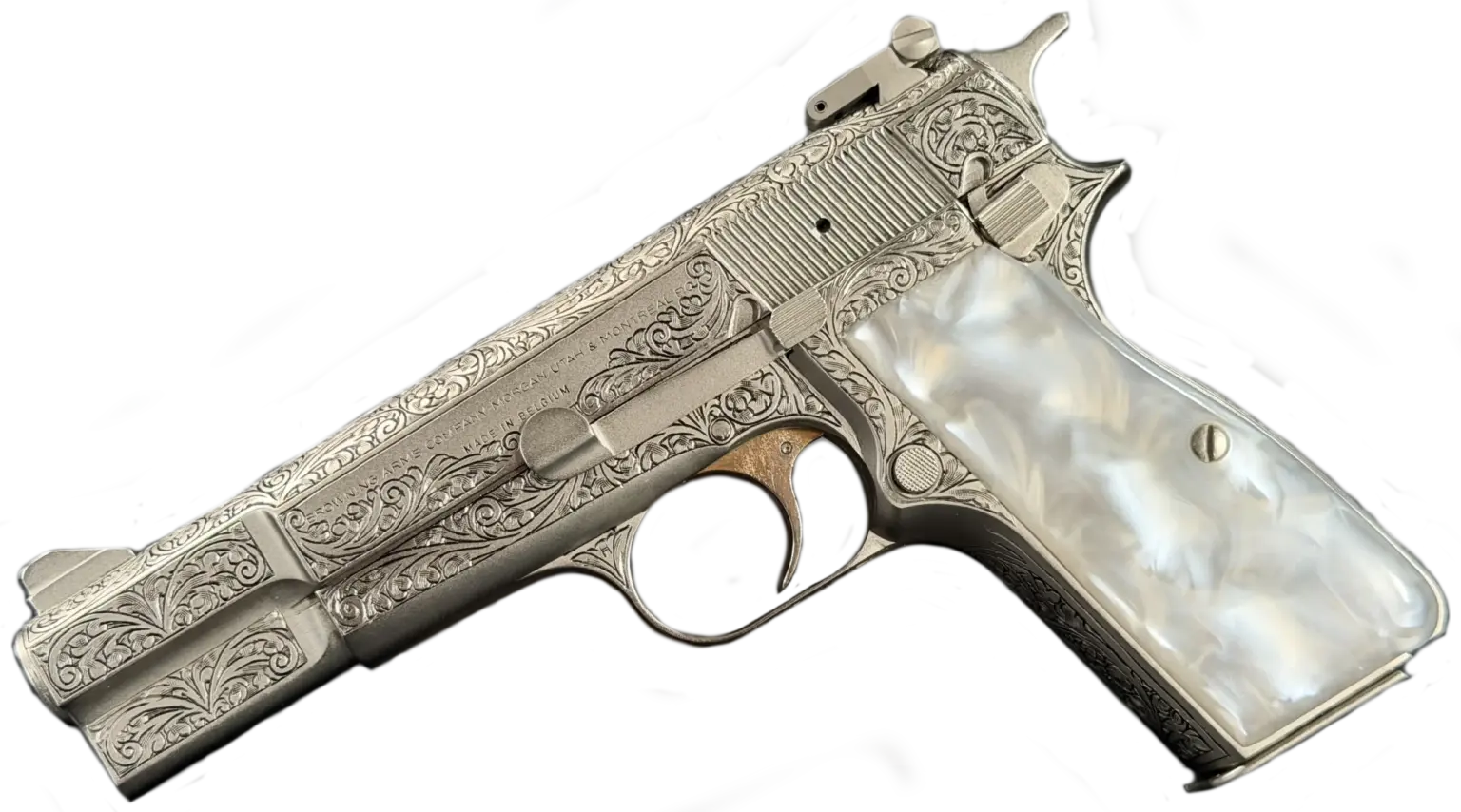
The first Hi-Power I ever bought had the kind of honest holster polish that tells a story before you ever rack the slide. If you have stood at a counter wondering how to date a Browning Hi-Power, decode a “T-series” tag, or make sense of Mk II vs Mk III talk, you are my kind of reader. This guide keeps it practical: what the factory serial info actually says, how later eras are commonly identified, how SFS systems handle, where modern clones fit, and a Hi-Power-specific inspection routine you can run in minutes.
T-Series, Mk II, Mk III: reading eras without the myths
You will see Hi-Powers described as T-series, Mk II, or Mk III. Treat those labels as shorthand for feature sets that changed over time, and verify what is in your hands.
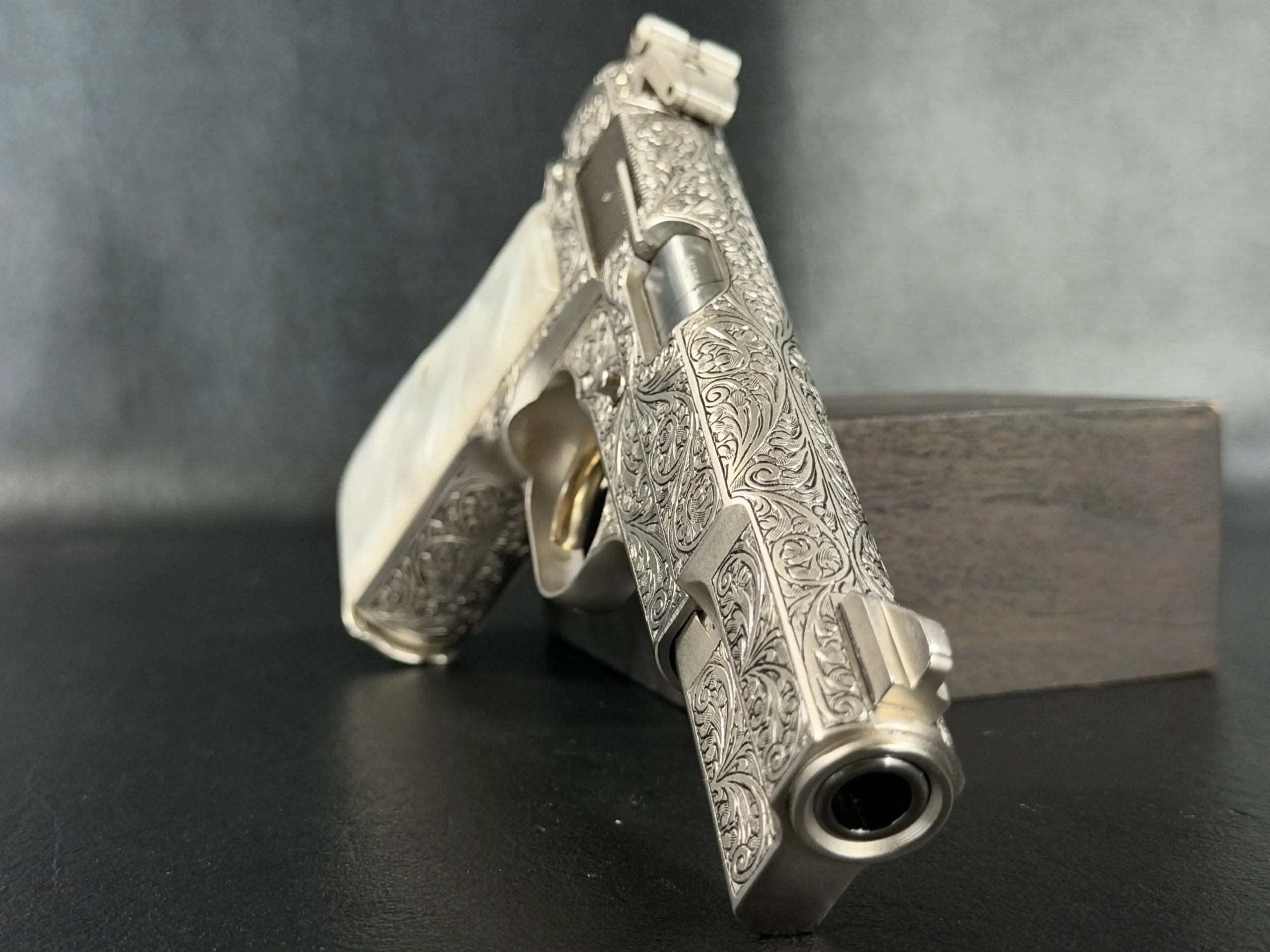
What Browning publishes is the firmest ground: the 9 mm Hi-Power reached the U.S. market in 1954, early serials through 1957 are estimates, and recordkeeping is more accurate from 1958 on. In 1964 Browning shows the product code “T” applied to the Hi-Power, and you will see serials with that T prefix beginning that year. That is the core of what most people mean by T-series.
Beyond serials, buyers often use physical cues to sort eras. For earlier T-prefix guns, typical tells include the external extractor and common ring or spur hammer variants. Later eras commonly add larger sights and different finishes. Use the cues as a starting point, then confirm against the serial page and the exact pistol in front of you.
Mk II vs Mk III at a glance
These bullets capture features commonly associated with later-production Hi-Powers. Always verify on the individual pistol and cross-check the serial info.
- Hi-Power Mk II – often seen with ambidextrous thumb safeties, larger fixed 3-dot sights, and a feed ramp profile commonly described as throated to better handle JHP. Many examples show a more matte finish and a slightly enlarged ejection port.
- Hi-Power Mk III – commonly adds a firing-pin safety system, a dovetailed front sight, and a revised ejection port profile. Many examples use a durable black finish and a cast frame. Sights are typically modern 3-dot patterns.
Those features are buyer shorthand, not a substitute for checking. Do not rely on one cue. Handle the gun, read the serial, and make sure the parts you are seeing match the description.
Serial numbers and dating: using Browning’s factory resources
If you are standing at a table trying to date a Hi-Power, factory pages beat forum folklore every time. Browning notes the T product code begins in 1964 and that post-1958 records are more reliable. Use their resources:
- Refer to Browning’s Hi-Power serial number guide when evaluating a T-prefix gun or cross-checking a claimed year.
- Keep Browning’s owners-manuals hub handy for model-specific details and safe-handling reminders.
Quick reminders from Browning’s safety rules: always open the action and visually check the chamber anytime a firearm is handled or handed to someone else, and never assume a removed magazine means an empty chamber.
SFS-equipped Hi-Powers: how the system works and what to verify
SFS in a listing means the pistol uses a different safety system. In simple terms, the hammer is carried forward when on safe, and pressing the safety off drives the hammer back to the cocked position for a normal single-action press. It changes the manual of arms and uses unique small parts compared to a standard Hi-Power.
At the counter, verify:
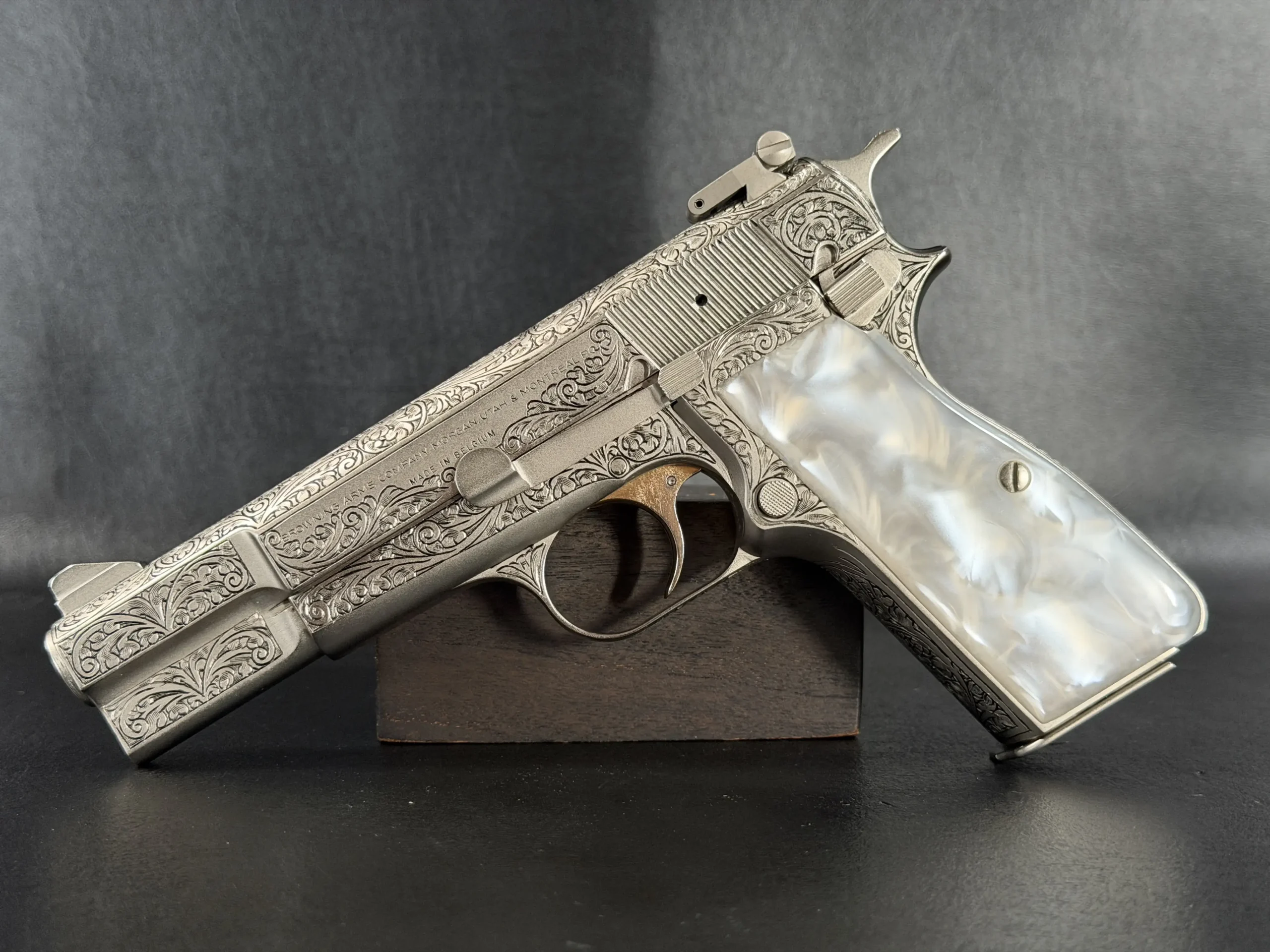
- Function: With the pistol cleared, run the full cycle. Engage the safety, note the hammer position, and confirm that pressing the safety off reliably cocks the hammer and that the safety positively engages and disengages.
- Parts: Ask whether the pistol includes the matching SFS parts kit or documentation. Confirm that the installed parts appear correct and undamaged.
- Value and service: Factor in parts sourcing and the possibility you will want a qualified gunsmith to inspect the fire-control. Browning’s manual is clear: do not alter the trigger, safety, or other firing components, and use aftermarket parts at your own risk.
Modern GP-35 pattern clones: representative models and compatibility notes
Plenty of makers have built Hi-Power pattern pistols. Older standbys include FEG, FM, Kareen, and Arcus. Current production options include the Tisas P35, Girsan MC P35, and Springfield Armory SA-35. For collectors, clones can be a guilt-free range companion while you hunt the right Belgian-marked gun. For shooters, they offer fresh springs and barrels with classic ergonomics.
Compatibility caveats:
- Magazines: Many share magazine compatibility, but tolerances vary. Bring a known-good mag and confirm it feeds, locks the slide, and drops free.
- Sights and cuts: Sight heights and cuts can differ by maker and era. If you care about a specific sight picture, verify before you buy.
- Small parts: Safeties, sears, and extractor dimensions can vary. If you plan to mix parts, assume fitting or brand-specific parts may be required.
Triggers on the Hi-Power: what to feel, including mag-disconnect behavior
Start with a safe check: magazine out, chamber visually and physically clear, muzzle in a safe direction. Browning emphasizes this in their manuals.
Now feel the specifics:
- Press-through and wall: Smooth take-up to a clear wall, without grit or hitching, inspires confidence. Any rasp or stacking suggests fouling or altered parts.
- Reset: Hold the trigger, rack the slide, then ease forward to find reset. It should be distinct and repeatable.
- Safety engagement: Re-engage the safety and verify a positive on-off with a safe, blocked trigger when on.
- Magazine disconnect: Many Hi-Powers use a magazine disconnect. With the magazine out, the trigger should not release the sear. With the magazine inserted, the press often feels lighter and cleaner. Note the difference, but resist the urge to “improve” it. Browning’s manual warns against altering triggers or safeties.
Sights and sight regulation: identify vs evaluate
Identify what you are seeing
- Early-style sights are small and low-profile. Later pistols commonly wear larger fixed 3-dots. Many later slides have dovetailed front sights, while earlier fronts are often integral.
- Inspect for fresh tool marks around the rear dovetail and front base. Bright scratches on aged blue can signal recent movement or replacement.
Evaluate zero and condition
- Center the rear in the dovetail and check margins. A heavily drifted rear might be a zeroing choice or evidence of a prior knock.
- Dry mount to confirm you can acquire the sight picture quickly. If you plan to shoot the gun, your eyes should like what they see before you negotiate.
Magazines: what to bring, what to clean, what to check
Bring a known-good magazine to any inspection. Confirm lockup, feeding with dummy rounds if allowed, and that it drops free. Then test the included magazines one by one.
Keep them clean. Browning advises frequent inspection and cleaning, noting that lubricant and dirt will collect in magazines. As a general interval, they suggest cleaning after 500 to 1000 rounds. Strip, wipe the tube, and use only a light film of oil if any. Excess oil just attracts grit and, in the pistol, can migrate into the grips. Browning cautions that too much oil in the action can soften wood grip panels over time.
What to inspect: a Hi-Power-specific checklist
Give yourself ten focused minutes. You do not need a magnifying lamp to catch most of what matters.
- Safe start: Verify unloaded. Remove the magazine and open the action to visually and physically check the chamber. Keep the muzzle in a safe direction.
- Barrel and chamber: Lock open and inspect. A normal veil of powder fouling is expected and usually wipes out with a patch and nitro solvent. Heavy crusting, deep pitting, or a dark ring are red flags.
- Crown: Ensure the muzzle crown is clean and undamaged. Browning warns that striking the crown during cleaning can hurt accuracy.
- Feed ramp style and condition: Note if it is the earlier humped style or a more open, throated profile. Look for smooth, even surfaces without gouges.
- Slide-stop notch: Check for peening or mushrooming where the slide locks back.
- Frame wear and cracks: Look closely around the slide-stop pin hole and adjacent frame flats for cracks. Inspect the sear lever track on the slide for abnormal wear.
- Barrel lugs and cam: Look for peening on the locking lugs or the barrel cam surface.
- Extractor hook and tension: Inspect the hook for chipping. With an empty case under the extractor, cycle the slide to feel consistent tension and observe clean ejection.
- Controls: Safety, slide stop, and magazine release should move positively. A gummy feel points to old oil and dust. Browning suggests giving any function issue a thorough cleaning before assuming a mechanical fault.
- Import marks and markings: Note any import stamps. Confirm serial location and match any included paperwork. Cross-check dates with Browning’s serial guide.
- Trigger behavior with and without magazine: Confirm correct magazine-disconnect function as noted above and note the difference in feel.
- Grips: If wood, check for oil soak around screw escutcheons. Browning warns excess oil can soften wood and loosen grips.
- Finish: Honest edge wear is fine. Patchy cold blue or mismatched sheen around levers and the muzzle can signal touch-ups.
- Test each magazine: Insert, lock, and drop free. Do not assume similar-looking mags behave the same.
If the seller allows, a quick field-strip helps. Browning recommends using a small brush or rag to remove dirt or foreign matter from the slide and other action parts, then lightly lubricating moving parts with a quality light oil. A clean pistol is easier to judge honestly.
Care and maintenance that preserve value
Buying well is half the game. Caring well keeps your Hi-Power reliable and presentable. Browning’s guidance is straightforward:
- Clean after each day of shooting. At a minimum, wipe the pistol down and oil key parts. Regular maintenance includes cleaning the barrel.
- Use a light oil and avoid flooding the action. Browning cautions that excess oil can run into the grips and soften wood panels.
- Clean the bore from the breech with a snug patch and proper rod. Use solvent for fouling and a bronze brush if fouling is heavy. Do not strike the muzzle crown.
- Wipe exposed metal with a lightly oiled cloth to remove fingerprints. Finger marks invite moisture.
- Be alert to ammunition malfunctions. If you get an odd sound or light recoil, keep the muzzle in a safe direction and wait at least 30 seconds before carefully clearing, as Browning advises.
- Leave trigger and safety work to qualified professionals. Browning is unequivocal: do not alter the trigger, safety, or other firing components, and understand aftermarket parts are used at your own risk.
For primary references, keep Browning’s Hi-Power Owner’s Manual and the broader Browning owners-manuals hub handy.
Parting thoughts from one Hi-Power nut to another
The Hi-Power feels like a finished thought in the hand, which is why it keeps pulling us back. If you remember anything, make it these three points. Ground your era assumptions in Browning’s serial records. Judge the specific pistol in front of you with a calm, repeatable inspection. Respect the factory’s warnings about triggers and safeties, and keep lubrication light. Do that, and the pistol will likely repay you with the smooth cycling and honest accuracy that built its reputation.