
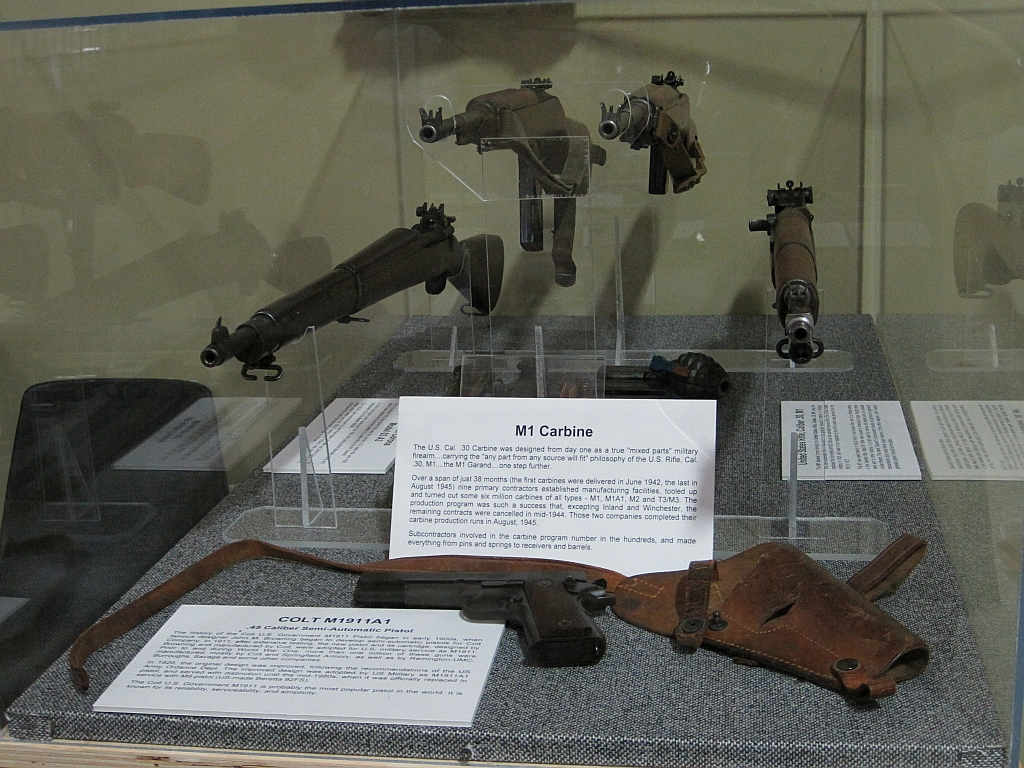
The first time I handled a genuine U.S. service 1911A1, the smell of old preservative oil hit before I saw the pistol. The grip panels were checkered plastic worn smooth at the edges. The frame showed that familiar gray-green, not the glossy blue of early Colts. There was an arsenal stamp on the dust cover, a story in four letters. It felt like history in the hand, and it pointed to a truth that sets the 1911 apart: this is the American sidearm that never really left.
The Army says yes: Adoption and early service
John Browning’s automatic pistol finally cleared Army trials in 1911. The designation was plain and permanent: Automatic Pistol, Caliber .45, M1911. The Navy and Marine Corps followed in 1913. And just a few years later, the pistol rode south on the Punitive Expedition into Mexico in 1916. It was new then, but it already had the makings of a legend: a strong, locked-breech .45 that could shrug off mud and dust and keep running.
By the time America entered the First World War, tens of thousands of M1911 pistols were in service. The experience earned in the trenches explained a lot about what came next. Soldiers loved the power and reliability, and the Ordnance Department took notes on what could make the big pistol easier for more hands to shoot well.
What the A1 actually changed
Between the wars, the Army moved to an updated pattern. Several modifications were approved in the early 1920s, with the improved pistol adopted in 1923 as the M1911M1, a designation soon changed to M1911A1. Existing M1911 pistols were generally not modified, but new production would include the changes and remain parts-interchangeable with earlier guns. That last point mattered more than anyone could guess at the time.
What changed? A few details that matter in the hand:
- Frame relief cuts around the trigger guard for better finger access.
- A shorter trigger to accommodate more hand sizes.
- A slightly lengthened grip safety tang to tame hammer bite.
- A curved mainspring housing that subtly altered the feel in recoil.
- Revised sights compared to the earlier, finer M1911 pattern.
These are small parts in photos, but big differences for soldiers with winter gloves or smaller hands. As the NRA Museums’ discussion of the 1911A1 notes, the updated pistol refined the ergonomics more than the mechanics. Browning’s core design didn’t need much changing.
From WWI lessons to WWII output
Between the wars, the Army didn’t buy many pistols. There were enough on hand for peacetime, and Colt carried the torch as the sole producer from 1919 to 1940 while also finding overseas customers. That lull disguised a lot of behind-the-scenes work. Rebuilding the industrial base for pistol production was time-consuming and expensive, but it paid off once the world caught fire again.
When World War II arrived, production scaled like never before. The numbers tell the story: approximately two million M1911A1 pistols were manufactured during the war, and the headaches that had haunted First World War contracting were largely solved. Colt never stopped building the pistols from their first Army adoption straight through the conflict. And they were not alone. Union Switch & Signal, better known for railroad gear, shipped their last lot of 55,000 pistols in November 1943, an unusual chapter in a pistol already full of them.
There’s another superlative worth remembering here. The 1911 and 1911A1 served longer than any other U.S. military arm, remaining the standard sidearm until 1985. No new government-contract pistols were made after 1945, yet the design kept finding its way back into holsters thanks to repair programs and careful stewardship of the wartime fleet.
If you want a broader look at how this pistol fit into Colt’s bigger story, I covered that in Colt’s arc of innovation.
Arsenals and the rebuild machine
Here’s where the collector lessons begin. From the mid-1920s into the mid-1950s, thousands of M1911 and M1911A1 pistols were refurbished by U.S. arsenals and depots. Some were simple inspections. Others were full tear-downs with new barrels, sights, safeties, and springs. Frames that had seen trench mud were paired with slides that first tasted salt air years later. The goal was simple: get serviceable pistols back to the line.
Arsenal-rebuilt pistols usually wear their past proudly. Look on the frame for initials from Rock Island Armory or Springfield Armory, among others. These marks tell you where the work was done, not who first made the gun. And because parts were truly interchangeable, a rebuild can pair a frame from one maker with a slide from another. That might disappoint someone hunting for a purely matching gun, but it’s part of what kept the .45s working across decades.
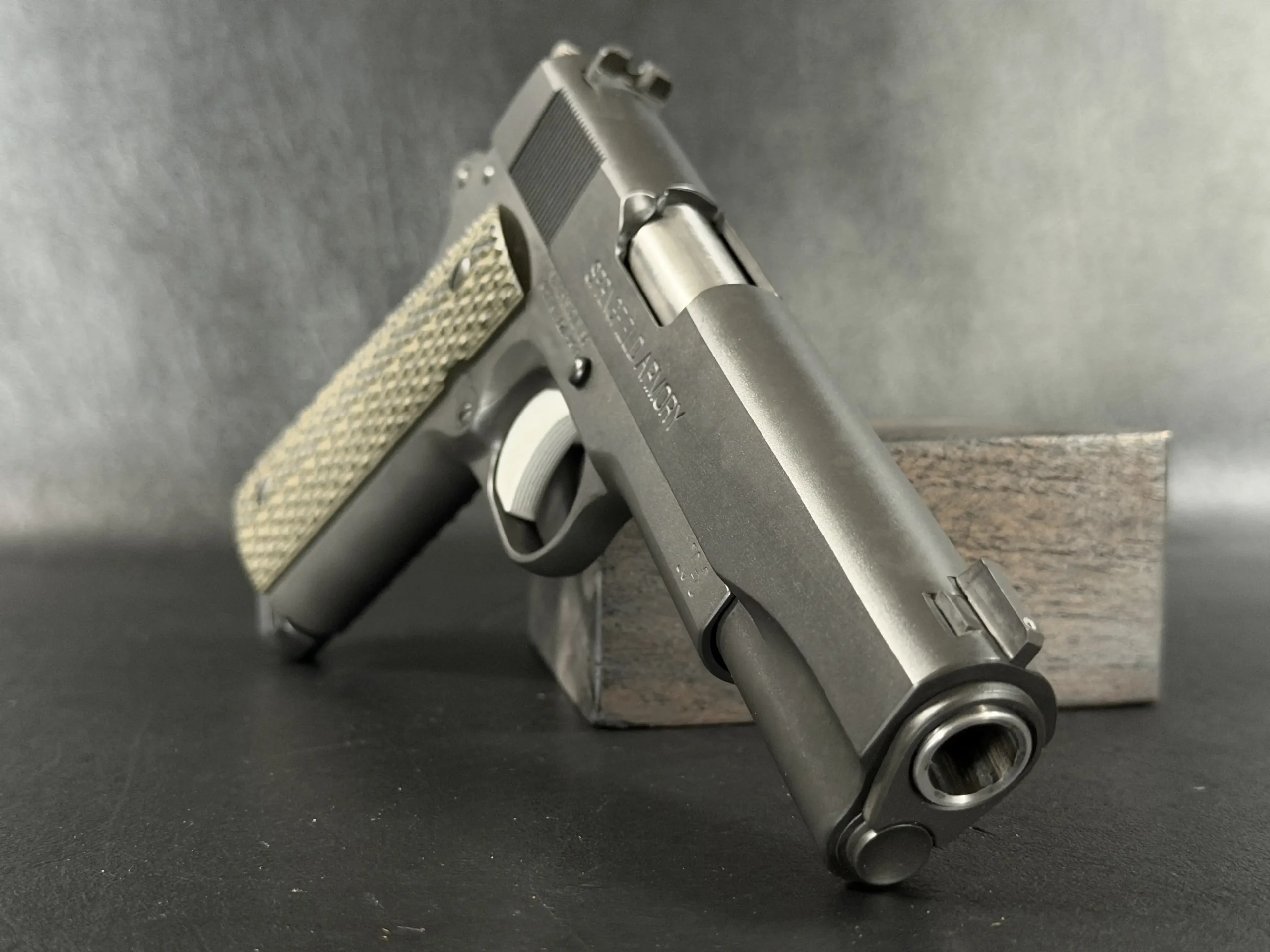
Finish and grips are two quick tells. World War I M1911 pistols started life blued with walnut stocks. During World War II, many of those older pistols were reconditioned with a parkerized finish and plastic grip panels to save time and materials. The M1911A1 pattern was parkerized from the beginning. If you run into a government-issue 1911 or 1911A1 with a bright nickel finish, you’re not looking at an original military surface, and collector value usually takes a hit. The arsenal rebuild overview at Sight M1911 lays out those tells clearly and explains why so many frame and slide combinations look mixed today.
For many of us, those rebuild stamps and mixed parts are part of the charm. They mean the pistol worked for a living, and a lot of hands depended on it. If you prefer the as-issued look of a particular year, you can find it. But you’ll pay more as originality tightens and surviving examples thin out.
Magazines and ammunition: what mattered in service
Most of the 1911’s long uniformed life was spent feeding standard .45 ACP service ammunition. Decades later, the drive to standardize across NATO on 9 mm ammunition pushed the U.S. toward a new sidearm, and the 1911’s long run as standard issue came to a close. The pistol itself didn’t change chambers. Policy and logistics changed around it.
As for magazines, treat them as the consumables they were in service. Pistols went back to depots with whatever mag was in the pouch and returned with a fresh one if needed. There is no serialization to tie a magazine to a particular gun. That is normal. Collectors sometimes chase era-correct magazines for a display, but it is perfectly honest for a service 1911 to wear a later magazine after a rebuild.
If you plan to shoot a surplus example, buy a couple of quality magazines and keep the vintage one for the range bag’s side pocket. Older magazines can be fine, but springs and feed lips age like everything else. Test your setup with the ammunition you intend to use. These pistols were built around ball service loads, and they run best when you keep that in mind.
Still riding in U.S. holsters: Korea, Vietnam, and beyond
After World War II, the 1911A1 kept marching. It served through Korea and Vietnam and remained the official U.S. sidearm into the 1980s. The Beretta M9 replaced it as the standard pistol in 1985, but the story didn’t stop. Some examples stayed on with specialized units, and many more moved into stateside armories and civilian hands. The postwar era may not have brought new U.S. production, but it did bring a second life in new roles.
By the late 1970s, even the most devoted fans could see the platform’s age in military service. Trials to adopt a modern pistol on a common NATO cartridge made a lot of sense to planners. That strategic shift says more about logistics and alliance standardization than it does about the old .45’s character.
Why the 1911’s design outlived its standard-issue role
The 1911 lasted as long as it did because the fundamentals were right from the start. The single-action trigger is easy to run well. The safety layout is intuitive. The locked-breech system is durable. The frame angle and bore axis feel natural to many shooters. When the A1 changes landed, they only helped more people get a good grip and a clearer sight picture.
That recipe has influenced countless designs since. You can see the echoes in how modern pistols think about trigger quality, user controls, and practical sights. The civilian market’s ongoing love for the platform is no accident. It is the result of a century of shooters learning, one magazine at a time, that this pattern works.
Buyer and collector notes that save headaches
Shopping for a U.S. service 1911 or 1911A1 can be a joy if you set your expectations early. A few practical points from the bench and the bourse table:
- Finish and grips tell a story. WWI M1911s were blued with walnut. M1911A1s were parkerized with plastic. A WWI pistol wearing parkerizing likely went through a wartime rebuild.
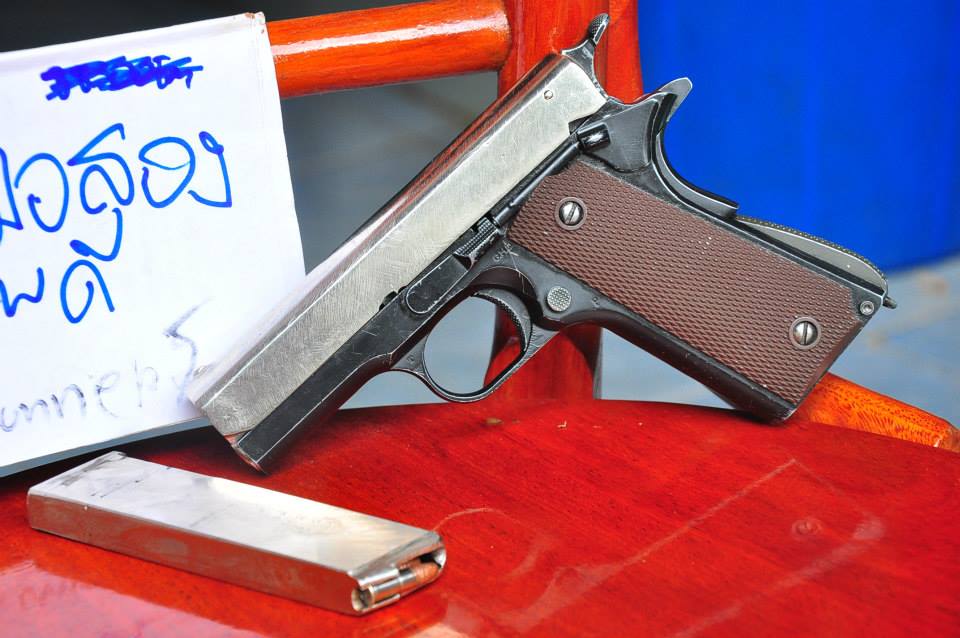
- Nickel on a G.I. gun isn’t original. A shiny refinish can be attractive, but it usually drags collector value down compared to correct military finishes.
- Arsenal marks are a feature, not a flaw. RIA, SA, and other stamps document a pistol’s service life. They often explain mixed maker parts and help you date postwar work.
- Slide and frame makers may not match. Government rebuilders mixed parts freely. That interchangeability kept pistols shooting and is normal on many service veterans.
- Barrel and bore matter more than cosmetics if you plan to shoot. A tight lockup, healthy rifling, and proper headspace will reward you on the range.
- Magazines are consumables. Keep any vintage mag with the pistol for provenance, then shoot with quality spares. It preserves history and keeps range time predictable.
- Test with sensible ammunition. The system was built around ball loads. If a particular modern load gives you hiccups, try another before blaming the pistol.
- Paperwork helps. Unit-marked holsters, depot tags, and readable rebuild stamps make good history. They are fun to collect but don’t force a story where the metal disagrees.
A closing thought from the workbench
Pick up a rack-worn 1911A1 and you meet a pistol that did what it was asked for an awfully long time. It was born as the M1911 in 1911, refined as the M1911A1 in the early 1920s, built by the hundreds of thousands in World War II, and kept running through meticulous rebuild programs. It stayed on the belt line because the fundamentals worked. And when policies changed and new pistols arrived, the old .45 didn’t disappear. It settled into a quieter kind of service, one shooter at a time.
That is the lasting influence, and the quiet lesson for anyone considering a purchase today. Decide what story you want to hold. A blued M1911 that looks like 1918. A parkerized A1 with an arsenal stamp and a slide from a different maker. Or a well-loved shooter that brings a century of design choices to the range this weekend. The history is there either way, waiting in the metal.