
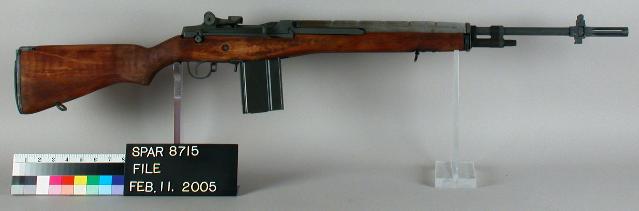
The M1A has a habit of humbling expectations. New owners show up for nostalgia and leave ringing steel with a rifle that still performs. That arc traces back to the M14, which proved more capable than its short frontline tenure suggests, and forward to the civilian M1A that has kept the pattern relevant since 1974.
If you are weighing a purchase or sorting parts, this is the quick, no-drama guide I wish I had early on. We will cover receivers, USGI versus commercial parts, barrels and gas systems, stocks and bedding, and a realistic path to practical accuracy.
M14 Lineage in One Minute
The M14 evolved from the M1 Garand with changes that mattered in service and competition. It added a detachable 20 round magazine, a refined gas system, a roller equipped bolt assembly, and a more stable operating rod path. It also moved from .30-06 to 7.62×51 NATO, which delivered similar reach in a shorter, more efficient package. The platform was even intended to replace four guns in service, though that ambition proved a stretch. The civilian M1A mirrors this heritage as a semi automatic rifle offered in 16, 18, and 22 inch barrels, with select models also chambered in 6.5 Creedmoor for long range work.
Receivers: Where M14 and M1A Truly Diverge
The bright line between an M14 and an M1A is in the receiver. A true M14 receiver is machined to accept select fire components. The M1A is a civilian legal, semi automatic only receiver without that selector cut or internal provision. That is why rifles that look nearly identical in profile are treated very differently in the eyes of the law. Do not modify receivers. If you are unsure what you are looking at, get qualified help before buying or changing anything.
Some high end competition receivers add a rear receiver lug. It increases bedding surface for serious match builds and changes how the stock must be inletted and bedded. It does not alter the semi automatic nature of the rifle.
USGI vs. Commercial Parts: What Actually Matters
USGI parts are military contract parts built for government M14s. Commercial parts are newly made for the civilian market. Early civilian builds leaned heavily on USGI parts simply because they were proven and available. One well known 1970s clone from AR Sales used an air gauged Douglas barrel, a glass bedded National Match stock with a walnut insert filling the selector cut, and a refined gas system. That recipe set the tone.
Modern factory M1As often wear commercial parts, but the better models incorporate the same match concepts. For example, current Super Match rifles pair a heavy premium barrel with a unitized gas system, a modified recoil spring guide, improved trigger work, glass bedding, and National Match sights, with an optional rear receiver lug. The blueprint for accuracy has not changed. Pick sound parts. Make them fit each other. Support the action correctly.
Barrels and Gas Systems: Accuracy Foundations
Everything starts with the barrel. Service contour barrels can shoot better than most people expect. Heavy match barrels add stability and hold cadence better across a string, but they change how the operating rod guide is attached.
On early heavy barrel builds, the standard guide would not fit. Builders welded it, dovetailed and silver soldered it, or later used a pinned guide. If you are inspecting an older match rifle, how that guide is secured tells you a lot about era and craftsmanship.
The gas system is the other pillar. The M14 improved the Garand pattern with a better located, more durable gas system. For match work, armorers unitized the gas cylinder to the front band to eliminate shifting under heat and recoil. You will see this called a unitized or unified gas system depending on the source. Modern factory match rifles often include it because it works.
Barrel length and chambering are practical choices. Traditional length is 22 inches, with 18 and 16 inch variants for quicker handling. If you live on irons and shoot across a course, the 22 gives you sight radius. If you split time between field shooting and optics, the 18 is a good middle ground and the 16 is most compact. Standard chambering is 7.62×51 NATO pattern. Certain M1A models in 6.5 Creedmoor have shown they can run to 1,000 yards with the right setup and coaching.
Stocks and Bedding: Fit First
Stocks have ranged from GI walnut and birch to oversized match wood and modern fiberglass. Accuracy builds hinge on how the action bears in the stock. Glass bedding is the long standing answer. You will feel a correct fit when the trigger guard cams closed firmly at the end of its stroke and the action does not rock. Proper bedding helps the rifle return to zero after disassembly.
Older match guns that started with GI stocks often have a filled selector cut before bedding. Later competition stocks added girth and a wider forend. Today, fiberglass stocks such as McMillan patterns are common on top tier builds because they hold dimensions in changing weather. Wood can shoot beautifully. Fiberglass reduces variables. Pick the one that suits your use and conditions.
Sights and Optics: Realistic Setup
The M14 sighting system is a strength. The rear aperture is crisp and repeatable. National Match sights tighten adjustments and refine the front blade. If you plan to shoot irons, invest time in a clean zero and a front sight width that matches your targets.
Optics require purpose built mounts and careful setup because the receiver was not designed around a top rail and the operating parts cycle under typical scope real estate. Done right, glass works well on this platform. Paired with a sound barrel and a stable gas system, an M1A can deliver at distance in 7.62 and 6.5 Creedmoor alike.
Practical Accuracy Path: A Clean Sequence
- Confirm the barrel. If it is worn, fix that first. A quality service contour surprises many shooters. A heavy barrel steadies match cadence.
- Stabilize the gas system. Unitize the gas cylinder and fit the operating rod guide correctly to keep alignment consistent.
- Bed the action. Use a stock that fits your role. Aim for firm, repeatable lockup and stable contact points.
- Refine the trigger. Maintain safe engagement while removing grit and creep. Factory match variants often ship this way.
- Sort your sights or glass. National Match irons pay dividends. If scoping, use a proven mount and take time with eye relief and ring torque.
- Feed it quality ammunition. Start with known accurate 7.62×51 NATO spec loads or, in 6.5 Creedmoor, reputable match loads. Keep notes on what the rifle prefers.
- Maintain consistency. Reassemble the same way. Keep the gas system clean. Replace tired springs. Small habits stack up.
Buyer Tips for Shooters and Collectors
Start at the receiver. Verify you are looking at a correct semi automatic receiver with no nonstandard milling. On match variants with a rear lug, ask how the stock was inletted and bedded.
Check the barrel next. Note contour, maker, who fit it, and how the operating rod guide is secured. On older heavy barrel builds, welded, dovetailed or pinned guides can all be right for the period. You want clean work and smooth cycling.
Evaluate the gas system and operating rod fit. A unitized gas cylinder is a strong plus. With the rifle cleared and open, the op rod should run without binding, and the handguard should not push the cylinder sideways.
Assess stock fit and bedding. Close the trigger guard and feel the cam. Sloppy or snap shut with no resistance are red flags. If the seller claims bedding, a careful field strip will usually show its quality.
Inspect triggers and sights. National Match sights are a useful upgrade for irons. A good trigger breaks cleanly without being unsafe. If optics are installed, ask about the mount, rings, and torque. A poor mount can hide a great barrel.
Ask for an accuracy baseline. What ammo, at what range, and what did it print. Notes inspire confidence. If buying new, plan to keep those records yourself.
Use and Expectations
Do not ask the M14 and M1A to be what they are not. Respect the systems and they return the favor. Learn the gas system, support the action correctly, and skip gimmicks. If you want a snapshot of the ceiling, look at a modern M1A in 6.5 Creedmoor taken to 1,000 yards with solid coaching. The lesson is the same shooters learned on early clones and today’s Super Match rifles. Sound parts, correct fit, thoughtful setup, good notes, and honest practice.
Further reading with useful specifics:
- The Civilian Version of the M14, Then and Now compares early civilian builds to current Super Match features like unitized gas systems, bedding, and NM sights.
- Taking the M1A to 1,000 Yards shows a 6.5 Creedmoor M1A stretched with modern setup and coaching.
- M1A Mods: Making a Custom Rifle walks through practical accessory choices on a 16 inch SOCOM format.
- M14 and M1A – What’s the Difference? clarifies the receiver level distinction between military and civilian rifles.