
The first time I watched a SCAR work through a dusty, windblown match, it was the rhythm that hooked me. The bolt thumped forward, sights barely bobbing, the shooter never breaking cadence while others were nursing malfunctions. You can call it marketing or mystique, but there is a reason this family of rifles keeps showing up where hard use and clean function matter. The FN SCAR has a way of being boring in the best possible sense. It just runs, and it stays friendly while doing it.
What makes a SCAR a SCAR
The SCAR started as a Special Operations requirement and it shows. The design centers on a short-stroke gas piston that drives a robust, two-piece carrier, all riding inside a rigid, one-piece aluminum upper with a full-length top rail. The lower is a polymer housing with ambidextrous controls. The rifle wears a folding, length-of-pull adjustable stock and an adjustable cheek piece so the shooter fits the gun, not the other way around.
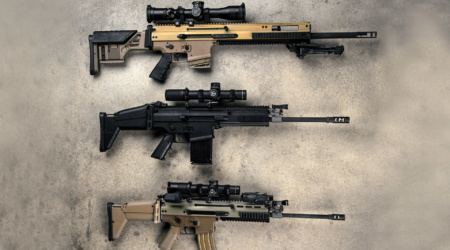
Over the years the core formula held while FN refined the details. The current U.S. consumer lineup spans the 5.56 SCAR 16S, the 7.62 SCAR 17S, and the precision‑minded SCAR 20S. FN also offers the compact SCAR 15P pistol. Across the family you’ll see chrome‑lined, cold hammer‑forged barrels, steel magazines where appropriate, and that signature monolithic rail stretching across the top. FN has leaned into color choices too, typically offering flat dark earth, black, and gray finishes.
With the newest generation, FN added a long list of refinements. The headline is a hydraulically buffered, two‑piece bolt carrier that softens the pulse and speeds follow‑up shots. The gas system remains short‑stroke with a two‑position adjustable regulator, and FN validated the package with endurance testing to 16,000 rounds without failure of any major components. For buyers who are suppressor‑curious, FN tuned these rifles for forward‑venting, low‑backpressure cans and launched their own QD models to match. You can see FN’s announcement of the next‑gen updates and philosophy in their press release on the next generation SCAR.
Short-stroke gas: the heart of the platform
Short‑stroke gas means the piston taps the carrier and stops, instead of riding with the carrier through the cycle. The result is a clean‑running system that keeps heat and fouling out of the receiver, with a more measured recoil impulse than a long‑stroke piston or a direct impingement system tuned for speed.
FN equips the latest SCARs with a two‑position regulator. Think of it as a way to meter the system for different conditions. One position is your baseline for unsuppressed shooting. The other setting reduces drive when you screw on a can. That balance, paired with the new hydraulic buffering in the carrier, is what gives the current rifles their smoother feel. Less carrier speed usually means less optic dance and less dot tracking off target between shots.
There is a detail many miss until they clean the rifle. FN includes a piston removal tool in the case. That tells you how seriously they take long‑haul reliability. When a maker gives you the tool to service the heart of the gun, they expect you to use the thing often and keep it humming.
Why the monolithic upper changes the feel
On a SCAR, the upper receiver is a single aluminum piece that carries the trunnion, the guide rails, and a continuous top rail. That rigidity pays dividends. Optics sit in line with the bore without rail joints to flex. The handguard section is part of the same structure, so pressing into a barricade or loading a bipod won’t wander your point of impact like it can on a two‑piece gun that shifts under load.
There are ergonomic perks too. A long, uninterrupted top rail makes eye relief and accessory placement easy. If you want a 1‑6 LPVO tucked back with a piggyback red dot up front, the rifle gives you space. If you prefer irons and a compact micro, same story. The monolithic layout was a forward‑thinking call when the SCAR first appeared, and it aged well as optics became the default.
Barrels and gas settings: how the S models handle it
Barrels are the character piece on these rifles. FN’s chrome‑lined, cold hammer‑forged tubes are known for consistency and longevity. The consumer family typically gives you standard carbine lengths on the 16S and 17S, with the 20S stretching its legs as a true precision role.
FN also talks openly about modularity. The company offers barrel assemblies and has built the civilian lineup in multiple calibers across the family, including 5.56×45, 7.62×51, 6.5 Creedmoor, and 300 Blackout. That doesn’t mean every model ships in every caliber at once. It does mean the architecture supports a wider palette than most factory rifles and that FN treats barrels as real components, not afterthoughts.
On the gas side, your day‑to‑day choice is simple. Run the standard setting unsuppressed, then move to the suppressed setting when you mount a can, especially if you favor forward‑venting, low‑backpressure designs. The upgraded SCARs are built with that use in mind, which keeps bolt speed reasonable and blowback to a minimum.
If you want a snapshot of the current 5.56 carbine’s footprint, FN lists the new SCAR 16S at 8.7 pounds with a 16.25‑inch barrel and an overall length of 34.75 to 37.25 inches depending on stock position. Those numbers give you a sense of the balance and mass the system brings. You can see the current specs straight from FN on the FN SCAR 16S product page.
Stocks and lowers: folding, cheek welds, and controls
SCAR stocks are built to fit the shooter. They fold for storage and transport. Length of pull adjusts, which matters more than people admit when you layer on armor, jackets, or find yourself shooting from odd positions. The adjustable cheek piece helps you square up to optics at different heights without craning your neck. FN’s latest consumer lineup also notes multiple rear stock options, so you can tailor the back end without a bench full of tools.
The lower receiver houses ambidextrous controls. The feel is distinctly SCAR. The safety, mag catch, and bolt catch live where a right‑handed AR shooter expects but are mirrored for left‑handed use. The lower is a tough polymer that shrugs off weather and seems to tolerate drops that leave metal guns looking tired. It is also a big part of why these rifles balance the way they do. The weight lives up top in the barrel and carrier group while the lower keeps the tail light.
Magazines: what fits, what runs best
Magazines are where buyers either relax or get frustrated, so let’s make it plain.
- SCAR 16S: Feeds from STANAG‑pattern 5.56 magazines. Your quality AR‑15 mags will work. FN supplies a robust steel magazine with the rifle.
- SCAR 17S: Feeds from dedicated 7.62 steel magazines designed for the platform. These are specific to the SCAR 17 pattern. FN offers them in common capacities.
Stick with good magazines and you will avoid 90 percent of stoppages on any rifle, SCAR included. The factory steel mags are rugged and on the heavy side. If you favor lighter gear, just be sure any aftermarket choice locks up and presents rounds at the right height. A small mismatch in geometry can turn a fine rifle into a stubborn one.
Military vs. civilian lines: what differs and what carries over
The military family breaks into SCAR‑L for 5.56 and SCAR‑H for 7.62. Those guns were specified with different barrel options for close quarters, standard roles, and longer reach. The architecture grew from a U.S. Special Operations requirement, and the rifles saw service in the late 2000s onward.
FN has been offering semi‑automatic SCARs for the commercial and law enforcement market since 2008. The 16S and 17S deliver the same general architecture in semi‑only trim, and the 20S, introduced later, mirrors the precision‑oriented Mk 20 concept for shooters who want a long‑range semi that stays in the SCAR universe. According to public summaries of the program history, production and assembly have involved both FN’s Belgian facilities and FN’s operations in the United States, with civilian‑market rifles brought into compliance for sale on this side of the Atlantic.
Where they differ is mostly the obvious. The consumer rifles are semi‑auto, not select‑fire. Barrel choices come as discrete models and factory barrel assemblies, not rack‑level quick change between mission profiles. Fire control parts, selector markings, and a few compliance details separate what military armorers handle and what a civilian owner sees in a box. The bones are the same, which is why the civilian line carries that same easy reliability and the feel that made the originals famous.
Choosing 16 vs. 17 vs. 20: use‑cases that make sense
Think about your job for the rifle and pick the one that fits the day.
- SCAR 16S, 5.56: This is the versatile carbine. It shines for training volume, home range work, two‑gun or carbine matches, and any role where you want fast handling, mild recoil, and broad ammo availability. It is also the friendliest place to start if you want to learn the platform without chasing heavier recoil control or 7.62 ammo costs.
- SCAR 17S, 7.62: This is your general purpose 7.62 semi. Think field rifle, ranch rifle, barrier‑blind performance, and the ability to stretch to intermediate distances with authority. It carries a little more weight and recoil, but the new hydraulic buffering and gas tuning keep it very shootable.
- SCAR 20S, precision role: This is for the shooter who wants a semi‑auto that lives on a bipod or a solid bag. Long rail space, a heavier profile barrel, and the SCAR’s stability add up to a rifle that handles practical precision matches, steel at distance, and careful prone work. Across the family, FN has offered calibers like 6.5 Creedmoor in addition to 7.62, which makes sense for those chasing flatter trajectories and wind forgiveness.
If you’re torn between 16 and 17, be honest about ammo and distance. Most of us shoot 5.56 more often. If you already run 7.62 bolt guns and want magazine commonality for a semi, the 17S makes a tidy system around one caliber. If this will be your first centerfire rifle and you shoot monthly, the 16S is usually the happier choice.
Practical setup: optics, sling, muzzle devices, and zero
Good setups start simple and get refined with trigger time.
Optics: On a 16S or 17S used as a carbine, a quality 1‑6x or 1‑8x LPVO on a solid mount complements the rifle’s range. Keep the mount height that gives you a natural cheek weld with the stock’s riser set a notch or two up. If you prefer a red dot, add a fixed or flip‑up rear sight and a front sight you trust, then keep a small magnifier in your bag for longer bays. On the 20S, a 3‑15x or 4‑16x scope with a reticle you actually like will carry you through most practical precision stages without drama.
Sling: A two‑point sling with quick adjust is the SCAR’s best friend. The rifle’s geometry carries well fastened front and rear. Set it so you can cinch it tight for support on barricades and loosen it enough to transition shoulders without strangling yourself. The stock gives you the room to do it right.
Muzzle devices: If you plan to suppress, pick a mount that plays well with a forward‑venting, low‑backpressure can. The newest SCARs are tuned for that kind of can, and FN even rolled out their own QD models sized for 5.56 and 7.62 to complement the rifles. If you’re running bare or with a brake, make sure crush washers are square and timing is correct. A canted device can make a good rifle feel odd in recoil.
Zero: For mixed carbine work, a 50/200 yard zero on 5.56 is still a useful place to live, especially with a 1‑6 or a dot. On 7.62, a 100 yard zero keeps calculations easy and often matches how you’ll use the gun from seated, prone, or supported positions. With the 20S, confirm at 100, record your dope cleanly, and verify holds at the distances you actually shoot. Don’t rely on app data you’ve never tested.
Running suppressed on a SCAR
This is a point worth slowing down for, because the newest consumer rifles were designed with suppression in mind. FN calls out compatibility with low‑backpressure, forward‑venting suppressors and even launched their own QD556 and QD762 models to match the family. That matters because suppressors change how much gas drives the system and where excess gas goes.
With a can mounted, set the regulator to the suppressed position. You’ll notice less blast at the shooter’s ear and a softer push thanks to the gas system doing less work per shot. That change, in tandem with the hydraulic buffering inside the carrier, is why the new SCARs feel calmer than earlier commercial examples when suppressed. The combination reduces bolt speed, case mouth smudge from early extraction, and the gassy face that turns long sessions into a squinting contest.
If you swap between different suppressors, keep notes. Some cans are more closed and will drive the system harder, some vent forward more aggressively and feel milder. The rifle gives you a simple two‑position choice. Use the one that keeps ejection consistent and recoil civilized, and leave deeper tuning to FN’s parts catalog and qualified armorers if you ever decide to change components.
Accuracy expectations and ammo notes
Real accuracy depends on ammo, optic, and the person behind the trigger, but the pattern with SCARs is steady. Expect practical accuracy that keeps bulk training ammo honest and tightens up sharply with match loads. The cold hammer‑forged, chrome‑lined barrels were built for longevity first, but that doesn’t mean they aren’t precise. Many owners see carbine groups hovering in the 1.5 to 2 MOA range with ball, and better with good ammunition and glass. The 20S in particular rewards patient shooting and match‑grade ammo with groups that make you smile.
Feed the rifles round‑nosed, consistent ammunition. If you live in the land of steel‑case and suspect primers, accept that you may trade money saved for an extra cleaning and the occasional light strike. The platform will eat a lot of what you hand it, but it also tells the truth about ammo quality once you have a few hundred rounds as a baseline.
Care, parts, and what FN includes in the box
One reason the SCAR has the reputation it does is because FN treats the platform like a working tool. The newest consumer rifles arrive with a premium soft case that has modular inserts so you can kit it the way you travel. FN also includes a vertical foregrip, a piston removal tool, and a locking device. Those aren’t throw‑ins. They’re a nudge toward how they expect the rifle to live: shot often, cleaned without drama, and hauled to the range or the field in a case that won’t give up when the weather turns.
Maintenance is straightforward. Keep the piston assembly clean, wipe the carrier rails, and give the action a light oil film. The monolithic upper traps less grime than you might think, and the rifle is tolerant of getting a little dirty between sessions. If you like to plan for the long haul, stock a spare firing pin, extractor spring set, and a few extra magazines. FN’s parts ecosystem is healthy, and the company’s claims about durability are backed by their own testing. The current rifles have been tested to 16,000 rounds without failure of any major components, which is a stout standard for a semi‑auto you can buy over the counter.
Collector notes without the hype
The SCAR occupies a strange and enjoyable corner for collectors. It’s a modern rifle that has already earned a historical footprint thanks to its SOCOM roots and overseas service, and it continues to be refined for the U.S. market. The newest generation folds in more than two dozen upgrades, including that hydraulically buffered carrier, better suppressor manners, and a menu of colors and accessories that widen the appeal. That makes the latest guns very shootable, which is how most collectors prefer to live with their rifles anyway.
It’s tempting to chase a specific marking run or finish, but the smart collector asks two questions. Does it tell a clear story about how the SCAR evolved, and will I enjoy shooting it? The 20S often answers both with a grin. The 16S and 17S, in their new trim, are just as persuasive. If you want to get your hands around what FN thinks the platform should be right now, read how they describe their own changes in the next‑gen SCAR announcement, then handle one on the counter. The feel of that monolithic upper and the way the stock meets the face still stand out against a sea of lookalikes.
For buyers, the calculus stays refreshingly practical. Decide what you truly want the rifle to do, pick the model that supports that job, and set it up with honest parts. The SCAR thrives when treated like a partner rather than a project. You take care of it, set the gas for the day, feed it decent ammo, and it will pay you back with that same steady rhythm that hooked me on a dusty range a long time ago.