
I still remember the first time someone opened a Dan Wesson Pistol Pack on a club bench. The lid swung up and there it was like a compact armory: one stainless frame, three barrels with matching shrouds, a wrench, and a thin feeler gauge. Ten minutes later that same revolver went from a handy four-incher that pointed like a service gun to an eight-inch, bag-friendly tack driver that barely lifted under .38 wadcutters. That was my introduction to the Dan Wesson idea, and it stuck.
A case full of barrels and one frame
Interchangeable barrels aren’t just a parlor trick. The Dan Wesson system lets you tailor one revolver to multiple roles without a gunsmith. That matters for buyers trying to squeeze value out of a single purchase, and it matters for collectors who want to understand the design that made the brand different. If you’ve ever wished you could keep your favorite trigger and sights but change barrel length for a match, a hunt, or a quiet afternoon ringing steel, this is where Dan Wesson earns its reputation.
How the Dan Wesson system actually works
The foundation was laid by designer Karl R. Lewis. Almost every other double action revolver uses a barrel that threads directly into the frame. Barrel installs or swaps are gunsmith territory, and frames can be stressed if that work is done wrong. Lewis took a different path. He designed a thin barrel tube that threads into the frame and then slips inside a separate shroud. A nut at the muzzle pulls the whole assembly into tension, supporting the barrel at both ends. A simple feeler gauge sets the cylinder gap correctly each time you change barrels. The result is user serviceability and, when everything is right, excellent on-target performance.
Even the earliest Dan Wessons shipped with a dedicated barrel nut wrench and a feeler gauge so an owner could swap lengths and reset the gap in minutes. The process is straightforward, but there’s one rule that deserves boldface in the owner’s manual and in your memory: don’t crank down the muzzle nut like a lug wrench. Hand-tight plus a sensible snug is the right mindset. As one modern review of the 715 reminded readers, the nut shouldn’t be overtightened, and that’s advice worth following every time you work with the system. If you want a contemporary overview of the current stainless 715 and its barrel-swapping routine, Handguns covered the 715 Pistol Pack and the procedure clearly.
The quirky start: W8, W9, W11, W12 and the pork chop shroud
When Dan Wesson rolled out its first switch-barrel revolvers in 1970, the look was polarizing. The W8, W9, W11, and W12 models wore an elongated shroud that reached back over the frame. Collectors started calling these early assemblies pork chop shrouds. The barrel nut itself stuck out beyond the muzzle on these guns, and you can spot that detail across a room.
Functionally, they had the Lewis system in place. Barrels and shrouds on these early models were interchangeable within their line, and you had real choices right out of the gate: 2.5, 4, 6, and 8 inch lengths were cataloged. The wrench and feeler gauge that shipped with each gun made two-minute barrel changes a realistic claim, provided you stayed organized and didn’t overtighten. As the design matured, the company updated the cosmetics and the tooling. Models W11 and W12 would bow out in 1974 as the next generation arrived.
Models 14 and 15: the classic .357s that set the tone
In 1971, the Model 14 and Model 15 took center stage in .357 Magnum. This pair set the pattern most of us picture when we think Dan Wesson revolver. The 14 wore fixed sights. The 15 wore adjustable sights. The system still used a barrel tucked inside a shroud, but the muzzle nut was now recessed inside the shroud. It was a cleaner, more conventional look that broadened the appeal of the switch-barrel idea.
There were real mechanical refinements too. Dan Wesson added a mechanical stop to limit trigger overtravel. Less unnecessary trigger movement can translate to a steadier sight picture and a faster return, and it was a thoughtful upgrade for a revolver line that put accuracy front and center. One practical note for buyers and owners: the tools for those early pork chop guns won’t work on the 14 and 15, and vice versa. The recessed nut changed the tool interface, so make sure the wrench on the table actually matches the gun you’re looking at.
As you handle a Model 15 with a four-inch barrel, you feel why this format became a flagship. It’s balanced and portable in that length. Pop on a longer tube and the revolver settles nicely for field or bench work. Keep a two-incher handy and you’ve got the compact profile many people want in a nightstand gun. One frame, many roles, and a trigger that often surprises people who grew up on more mainstream brands.
Dash numbers and tools: what 14-2 and 15-2 usually signal
If you leaf through catalogs or seller listings, you’ll see dash designations attached to the 14 and 15, like 14-2 or 15-2. In Dan Wesson circles those dashes typically indicate a factory revision to features or parts. The exact changes vary by era, and barrel and shroud compatibility often track with those revisions. The safest buyer habit is simple. When you’re evaluating a gun, bring or borrow the correct wrench, confirm the nut style, and verify that any extra barrels or shrouds in the case match the gun’s generation before you factor them into the deal.
Stainless returns: Model 715 and the modern Pistol Pack
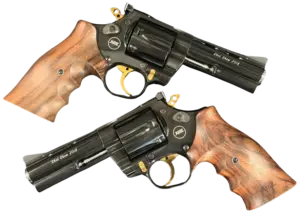
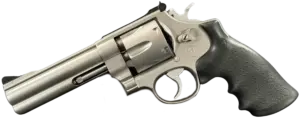
The 715 brought the formula into stainless, and in recent years CZ-USA revived it with a Pistol Pack that channeled the spirit of the originals. With the four-inch tube onboard the 715 carries and handles like a do-everything .357. Add the six or eight inch and it becomes a steady, low-recoil range piece with .38 Special wadcutters. Barrels can be swapped quickly and the cylinder gap reset with the feeler gauge just like its forebears.
Modern examples wear brushed stainless, a pinned ramp front sight, and an adjustable rear sight, and they maintain the brand’s reputation for robust lockup and a quality trigger. For a snapshot of the current factory offering and specs, the 715 Pistol Pack as tested was listed with 4, 6, and 8 inch barrels and stainless construction. You’ll also find the trigger weights and other details summarized by that same Handguns review noted above. If you’re looking for current catalog information direct from the brand, the company’s site lists its 715 revolvers and barrel assemblies in one place, and it’s a useful reference when you need a part or want to see current configurations: Dan Wesson 715 revolvers and accessories.
SuperMags in brief
Collectors also use the SuperMag name when they talk about the long-frame Dan Wesson revolvers built around longer, hard-hitting cartridges. These guns carry the same switch-barrel DNA, just on a bigger canvas. If you’re hunting for one, bring the same careful eye you’d use on any high-performance revolver. Hot loads can accelerate wear on forcing cones and can mark the topstrap with gas cutting. None of that is unique to Dan Wesson, but these are the areas I check closely on any big-frame magnum. Confirm timing, make sure the barrel and shroud fit cleanly, and look for clean threads at the muzzle nut. The SuperMag story is a chapter many enthusiasts enjoy, and the inspection habits below will serve you well if you decide to chase one.
Barrels, shrouds, and nuts: what you’ll see on the bench
Lay a few Dan Wessons side by side and the shrouds tell you where you are in the family tree. Early pork chop guns wear that elongated flange and an external muzzle nut. Models 14 and 15 tighten up the appearance with a recessed nut inside a cleaner shroud profile. The modern 715 keeps that recessed look in stainless. One practical detail: as you shop barrels and shrouds in the secondary market, get hands-on if you can. The finish and fit between a shroud and its frame should be even, without daylight at the juncture. The muzzle nut should turn and seat smoothly. Threads on both the nut and the end of the barrel should be clean and unscarred. A chewed-up nut usually means someone leaned too hard on a tool.
Check the crown at the end of the barrel tube under the shroud. It’s easy to miss because the shroud hides it. A crisp, concentric crown pays dividends on target. It’s a small job for a smith to touch up a crown, but I prefer to start with one that’s already right unless the price recognizes the work.
On the 715, the front sight is a pinned ramp and the rear is adjustable. Pins should be flush and clean. Any sight that looks hammered into place deserves a closer look. On earlier 14 and 15 guns, verify whether you’re dealing with fixed or adjustable sights, and make sure the rear blade tracks when you turn the screws.
Timing and lockup checks I trust
Every used revolver gets the same quiet routine on my bench. Dan Wessons are no different. Here’s the short version of what I look at, and why.
- Endshake and headspace: With the gun verified empty, push the cylinder forward and back gently. There should be minimal fore and aft movement. Too much can hurt consistency and is a sign the gun needs attention.
- Carry-up and bolt timing: Cock the hammer slowly and watch when the cylinder stop drops into the notch. It should lock into the notch just before full cock on each chamber. On double action, press the trigger slowly and feel for any chamber that doesn’t fully carry up. Dan Wesson timing is generally solid, but wear happens.
- Lockup: At full lock, gently try to rotate the cylinder by hand. A small amount of movement is normal, but obvious slop is not.
- Barrel-cylinder gap: Insert the supplied feeler gauge when the gun is at rest. You want the gauge to pass with a light, even drag around the full rotation. Don’t chase a number blindly. Consistency around the clock is what I check first.
- Forcing cone: Shine a light into the front of the frame and look for chips or heavy erosion at the cone where bullets make the jump from cylinder to barrel. Rough cones can smear groups and hint at hot ammo diets.
- Crane and alignment: Swing the cylinder out and look for any gap or misalignment where the crane meets the frame. Close and open it a few times. It should move smoothly without scrape marks.
- Ejector rod and star: Spin the rod and watch for wobble. Press the rod smartly and make sure the star lifts fully and returns flush. Grit or bent rods cause headaches.
- Trigger return and overtravel: Dry fire on safe snap caps if the seller allows it. Feel for a clean return. On Models 14 and 15, the mechanical overtravel stop should give you a consistent break without that afterstroke some shooters dislike.
Swapping a barrel without drama
One of the joys of these guns is that you can tailor them at the bench. Keep it simple and slow the first few times, and you’ll be comfortable before the coffee cools.
- Unload completely. Check again.
- Back off the muzzle nut with the correct wrench for your model. On early pork chop guns the nut is external. On 14, 15, and 715 models it’s recessed inside the shroud.
- Slide the shroud forward and off. Unthread the barrel tube by hand.
- Thread the new barrel tube in until it stops, then back out slightly.
- Slip the shroud over the barrel, start the nut, and leave it loose.
- Insert the feeler gauge between the cylinder face and the barrel. Gently snug the barrel against the gauge so it just kisses.
- While holding that position, snug the muzzle nut. Keep it reasonable. The system likes even tension more than raw force.
- Rotate the cylinder and confirm the same light drag on the gauge at each chamber. If it varies, reset it and repeat. It gets fast with practice.
Two extra habits pay off long term. Wipe a hint of oil on the barrel threads before assembly so things break free easily later, and always use the correct wrench. Improvised tools, even ones that seem to fit, tend to bruise parts.
Buying used: what I inspect and why
Dan Wesson revolvers have a following, and with that come lots of parts, barrels, and stories. Here’s how I sort through a prospective buy.
- Completeness: If you’re looking at a Pistol Pack, check that the wrench and feeler gauge are present. On older guns, verify the wrench style matches the nut in the case. For modern 715 packs, confirm the barrels are truly the lengths listed and that each shroud seats squarely on the frame.
- Barrel condition: Pull the shroud if the seller agrees and inspect the barrel tube. Look for clean lands and grooves, a proper crown, and no thread damage. If you can’t pull it, at least look down the bore and check the muzzle end for dings.
- Shroud fit and finish: Make sure shrouds are free of bulges or flats from mishandled tools. The sight cuts should be square and the front sight pin undisturbed on guns so equipped.
- Timing and gap: Run through the timing checks above. Use the feeler gauge on the gap and check for consistency across chambers.
- Signs of hard use: Soot trails at the cylinder gap and normal finish wear are expected. Heavy peening at the bolt notches, big endshake, or an abused muzzle nut suggest a harder life or poor maintenance.
- Try different barrel lengths: If multiple barrels are included, install them in turn. Each should snug up, index straight, and give you the same clean gap behavior.
If you’re new to the brand and want to see what the current factory package looks like before you shop the secondary market, browsing a modern catalog snapshot can be helpful. The page for stainless 715 revolvers and related parts on the company’s site is an easy way to see what’s being offered now without guesswork, and it can serve as a quick parts reference while you evaluate a used gun.
Why the system still makes sense
Dan Wesson revolvers occupy a neat spot in the wheelgun world because they solve a simple problem cleanly. Most of us only love so many triggers. We learn them, we trust them, and we’d rather not change them if we don’t have to. This design lets one good action wear a short pipe for carry, a mid-length for general use, and a long one for steadiness and sight radius. The tensioned barrel supports the tube at both ends. The shroud gives you weight where you want it. The feeler gauge makes cylinder gap a controlled variable, not a mystery.
From the early pork chop guns to the cleaner-looking Model 14 and 15 introduced in 1971, from the dash-marked revisions on through the stainless 715 that returned with a full Pistol Pack, the idea stayed the same. Keep the frame and trigger you like, change barrels at the bench without a gunsmith, and go shoot. If you’re after the long-frame SuperMag chapter, the same mindset applies. Inspect carefully, understand how the parts fit, and let the system work for you.
There are many fine revolvers out there. There’s only one that travels with a wrench, a feeler gauge, and a grin the first time you swap barrels at the range. If that sounds like your kind of afternoon, a Dan Wesson deserves a spot on your short list.