


I remember an Inland under harsh show lights that looked right until it didn’t. Flip sight on a low-wood stock. Round bolt under a two-rivet handguard. Type 2 band, no lug. Wrong? Maybe not. The M1 Carbine rewards you for knowing where to look and when to accept a period-correct mix.
This guide does exactly that. We will map the makers, explain how features shifted from early to late production, unpack stocks and cartouches, barrels and sights, magazines, and postwar rebuild marks. Then we will finish with a concise inspection checklist so you can judge the carbine in front of you with a cool head.
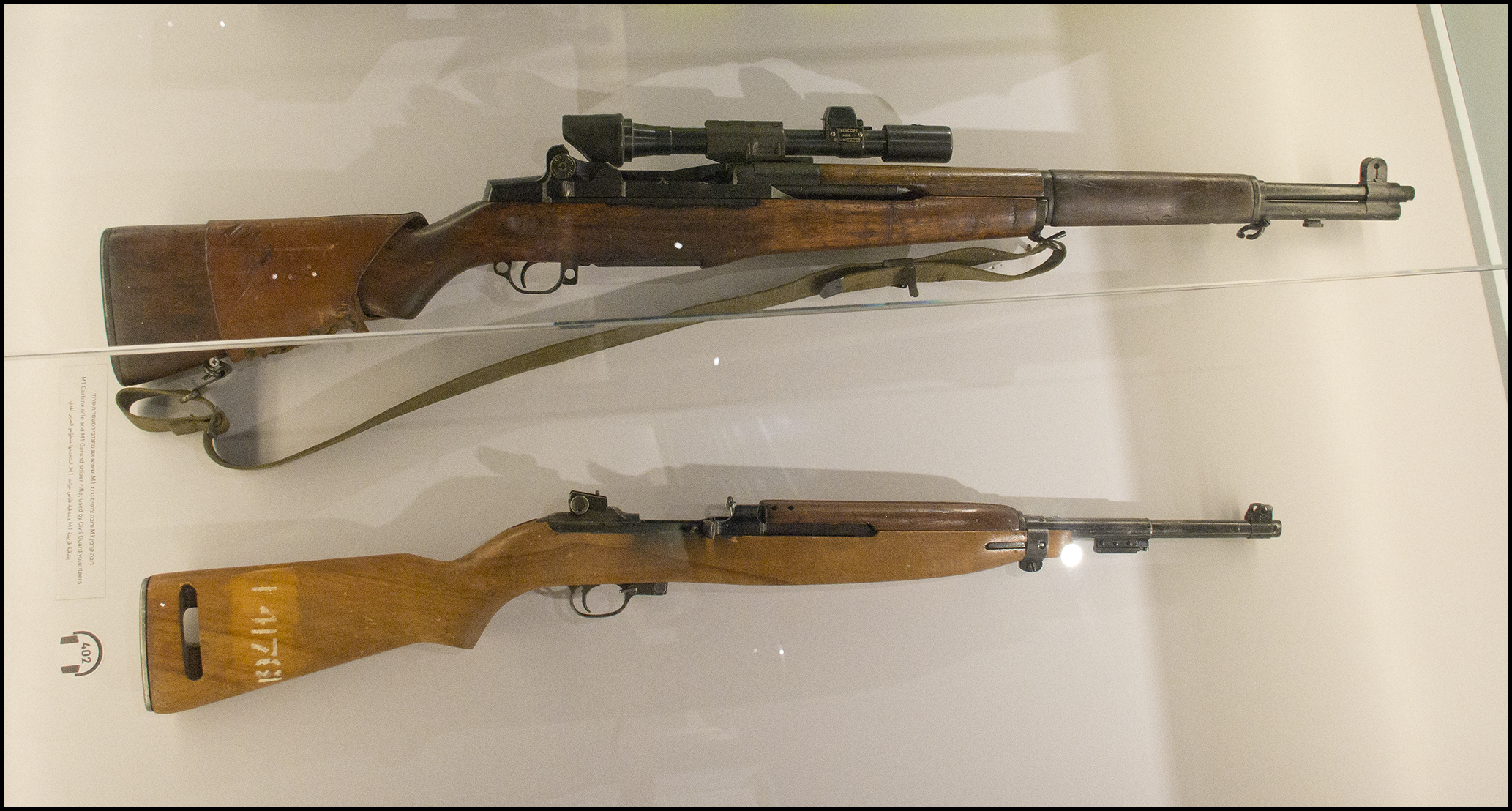
How These Rifles Were Built: Primes, Subs, Interchangeability
The carbine program was designed for interchangeability. Ordnance set common specs and inspected production so a part from one maker would run in another maker’s receiver. No prime contractor made every part. They drew from a vast supply chain.
There were 11 primes at the outset, reduced to 10 in April 1943 when Irwin Pedersen defaulted. Downstream were more than 1,500 subcontractors supplying everything from bolts to bands. Letter codes appear on many parts to identify these makers. This scale and standardization explain why a correct wartime carbine can wear a mix of codes.
Transitions complicate it further. As upgraded parts arrived, bins of older parts were still in use. The result was often first in, last out during changeovers.
Contractors: What to Expect From Inland and Winchester
In practice, collectors focus on the 10 USGI wartime manufacturers. Two loom large. Inland Division of General Motors produced the most and was the sole builder of the M1A1 folding-stock variant. Winchester ran deep into the program as well.
As the eight smaller primes wound down, late spring into summer 1944 became a transition window. On Inland and Winchester rifles from this period, it is normal to see a mix of early and improved parts such as four-rivet handguards coming in, round bolts replacing flat bolts, the Type B operating slide with an undercut bolt boss, and the wider Type B front band without a bayonet lug. Map what you see to the maker’s production window before you call something wrong. For a grounded walk through a mid-war example, see Guns and Ammo’s restoration series.
Early, Mid, and Late Features at a Glance
Features moved on a curve, and not every maker changed at the same moment. Use this as a guide and expect overlap during transitions.
Early wartime: High-wood stocks, I-cut or early oval oiler recess, Type 1 narrow barrel band, two-rivet handguard, L-type flip rear sight, flat-top bolt.
Mid-war: Low-wood stocks begin to appear by early 1944 for most makers. Wider front band without bayonet lug, Type B slide with undercut bolt boss, increasing use of round bolts. Handguards are often still two-rivet in this phase.
Late wartime: Four-rivet handguards become common by early 1945 for most makers. Type 3 band with bayonet lug and adjustable rear sights arrive late but are rarely seen in period photos. Many rifles wearing both today were upgraded after the war.
Stocks and Cartouches
Stock shape is a fast tell.
Type 1: Early high wood with an I-cut oiler recess. Elegant but prone to chipping along the op-slide cut.
Type 2: High wood with the more practical oval oiler recess.
Type 3: Low wood, generally introduced by most makers in early 1944 to strengthen the thin area around the operating handle. Late stocks can show a fuller pot belly profile.
The handguard story runs alongside the stock. Early are two-rivet, with four-rivet handguards appearing late and becoming common by early 1945. RJ Militaria’s illustrated overview is a handy refresher on these types: M1 carbine collectors guide.
On markings, expect small part codes from primes and subs across the rifle. Stock cartouches and inspection stamps matter, but placement and font vary by maker and date. If you intend to restore, verify marks against a dedicated reference before you swap anything.
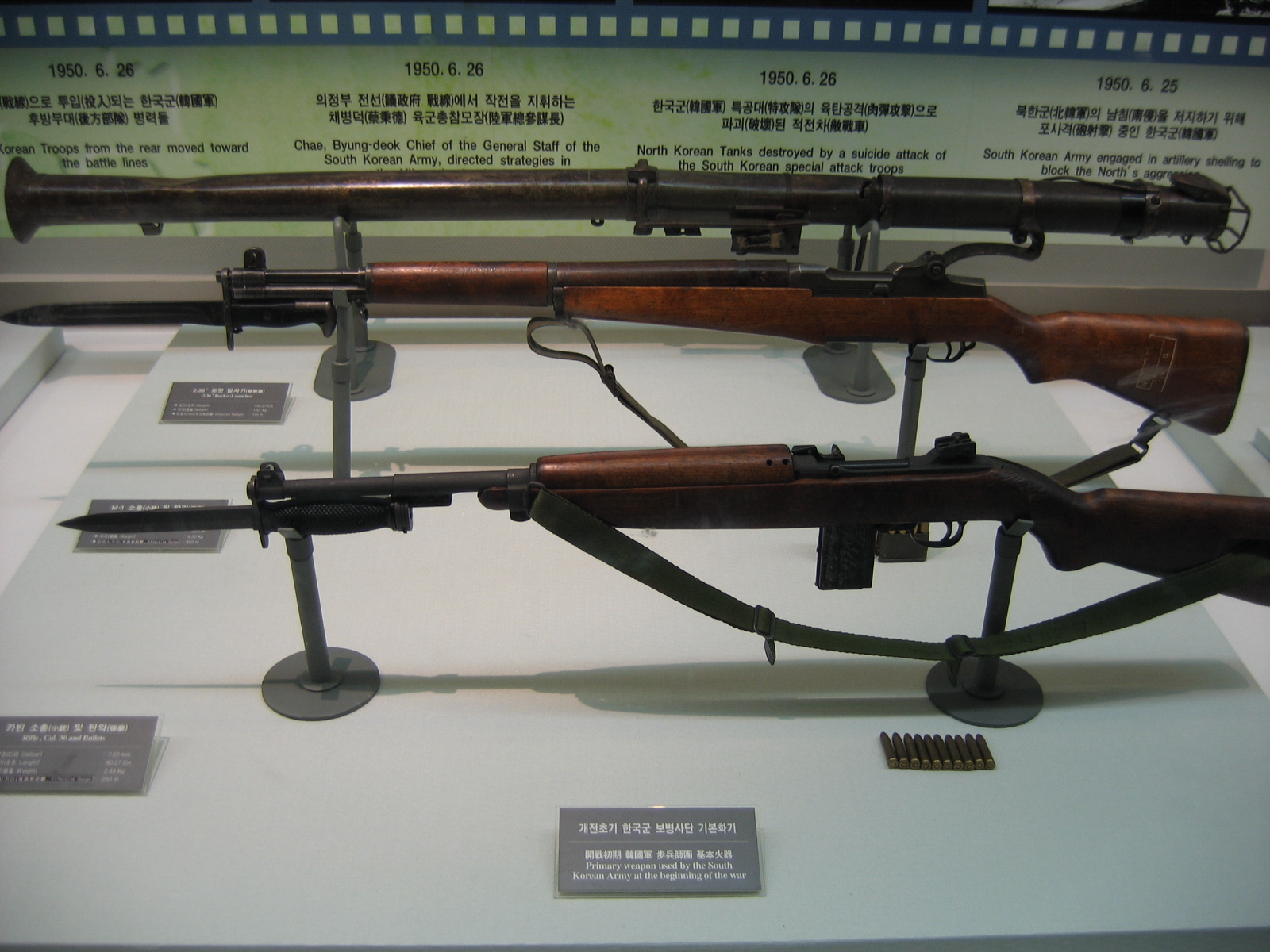
Bolts, Slides, and Quiet Upgrades
Key improvements live inside the action.
Bolts: Early flat bolts give way to round bolts as updates roll in. A round bolt on a mid-war or late rifle is often correct.
Slides: The Type B slide with its undercut bolt boss appears during the same transition period and pairs naturally with other mid-war updates.
If your Inland or Winchester sits in that late spring to summer 1944 window, a blend of these parts can be spot on for the period.
Barrels, Bands, and Sights
Barrel bands are grouped into three types:
Type 1: Early, narrow band without a bayonet lug. Matches high-wood stocks and flip sights.
Type 2: Wider band, still no lug. Common as mid-war updates filter in and often seen with round bolts and Type B slides.
Type 3: Adds a bayonet lug. This is late and closely associated with postwar rebuilds when paired with adjustable rear sights.
Rear sights: Early rifles wear the L-type flip sight. The adjustable rear sight improves practical precision but appears late. Period photos of carbines in wartime service with adjustables are scarce, and many rifles gained them during postwar rebuilds.
Magazines and What They Signal
The carbine was designed around a 15-round magazine, which is what you will see in most wartime imagery. The 30-round magazine arrives with late-war developments and postwar use, and it is commonly found on rifles that also wear a Type 3 band and an adjustable sight. That combination often signals a rifle shaped by arsenal work rather than a snapshot of original wartime issue.
Rebuilds and Postwar Upgrades
After WWII, many carbines cycled through arsenal programs. Those that were retrofitted generally received an adjustable rear sight, a lever-type rotary safety, a Type 3 band with bayonet lug, and were issued with or alongside 30-round magazines. Interchangeability made these upgrades straightforward, and extra parts were produced both during and after the war for replacements and improvements.
Rebuild marks and inspection stamps can appear on the stock or metal, but details vary. If a rifle shows the late sight and band, treat it as a likely rebuild unless strong documentation says otherwise.
What to Inspect: Buyer’s Checklist
Work the rifle in broad strokes first, then zoom in.
- Overall story: Do the big features line up as early, mid, late, or a plausible transition mix for the maker and date.
- Stock: High vs low wood, I-cut vs oval oiler recess. Check cracks at the recoil plate, wrist, and op-slide cutout. Watch for heavy sanding that mutes cartouches.
- Handguard: Two vs four rivets and whether it fits the rifle’s era.
- Band and front sight: Type 1, 2, or 3. Ensure the band is tight and square to the barrel.
- Rear sight: Flip vs adjustable. If adjustable, assume postwar work unless context supports wartime use.
- Bolt and slide: Flat vs round bolt, early vs Type B slide. Cycle the action. It should lock and unlock smoothly.
- Bore and muzzle: Shine a light. Strong rifling and an intact crown matter more than perfect part matching if you plan to shoot.
- Function: Magazine locks and feeds by hand, safety works positively, trigger resets.
- Part codes: A mix of maker letters is normal. Be cautious only if everything claims the same maker and looks newly minted.
- Commercial tells: Ventilated handguards, non-USGI bolts, or other departures can indicate a postwar commercial carbine rather than USGI.
Avoiding Mix-ups: Commercial Lookalikes
The market is full of postwar commercial carbines. Universal Hialeah and Iver Johnson are common examples and are not wartime USGI. Universal guns often show a ventilated handguard and nonstandard bolt features. Also note that Springfield Armory did not manufacture WWII M1 Carbines, despite later involvement with tooling and parts.
Restoring With Restraint
The urge to “make it right” is strong. Before swapping parts, map what you have to the rifle’s production window. Late spring to summer 1944 was a known transition for Inland and Winchester. Four-rivet handguards coming in, round bolts, the Type B slide, and a wider no-lug front band can all live together correctly on a carbine from that period. Replacing them to fit an early or late checklist can erase real history.
Further Reading
For a careful look at a mid-war transition rifle and what to change or keep, see Restoring an M1 Carbine: Part 1. For a compact, illustrated overview of stocks, bands, and more, bookmark A Collector’s Guide and RJ Militaria’s guide. For a broad primer on variants and practical shooting considerations, see ATI Outdoors’ M1 Carbine guide.
The joy here is twofold. The carbine is a light, lively shooter. It is also a puzzle you can solve with patient observation. Learn the features, respect the transitions, and let the rifle tell its story.