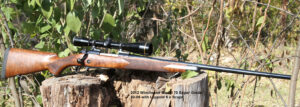

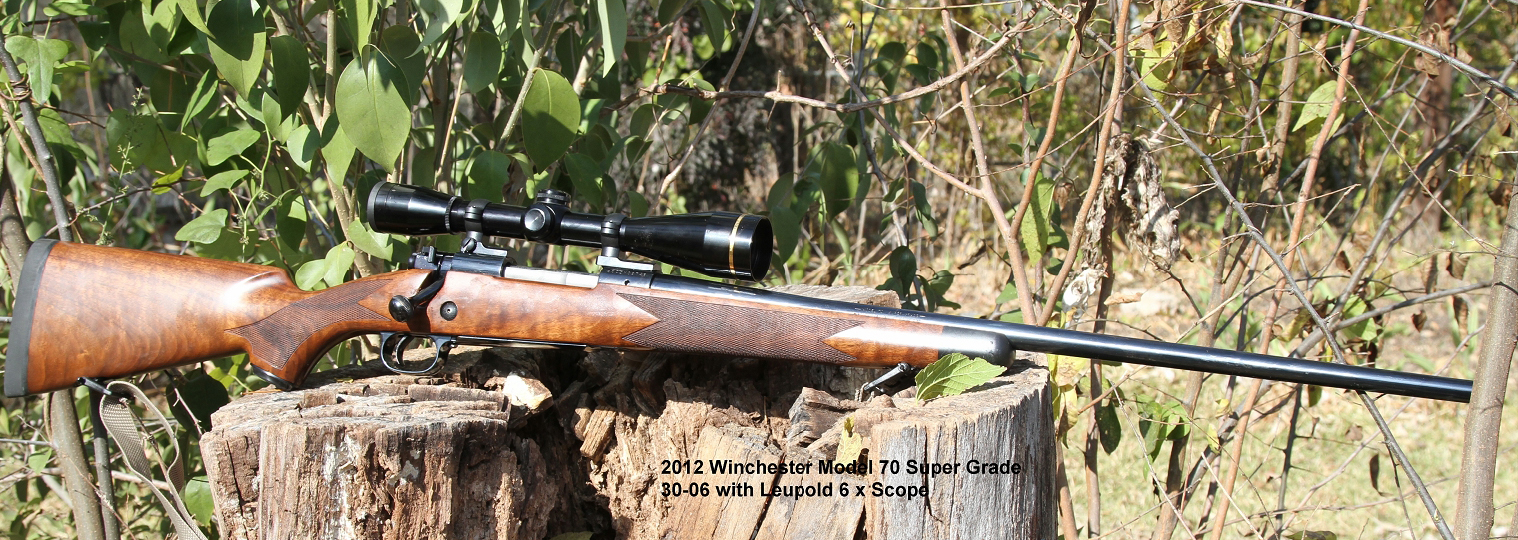
The Winchester Model 70 has a way of telling you who it is the second you touch the bolt. The first time I eased one shut and felt the lugs seat, I knew I was handling more than a hunting rifle. The blue was thin, the stock carried honest scratches, and the extractor was the giveaway: big claw, controlled round feed, a story in steel.
If you are collecting or just trying to buy smart, the Model 70 asks a few focused questions. Is it Pre-64, Post-64, or a Classic. Is it CRF or push-feed. Which trigger and extraction system does it wear. What do the barrel and stock say about its era. And how do you date it with confidence before you pay.
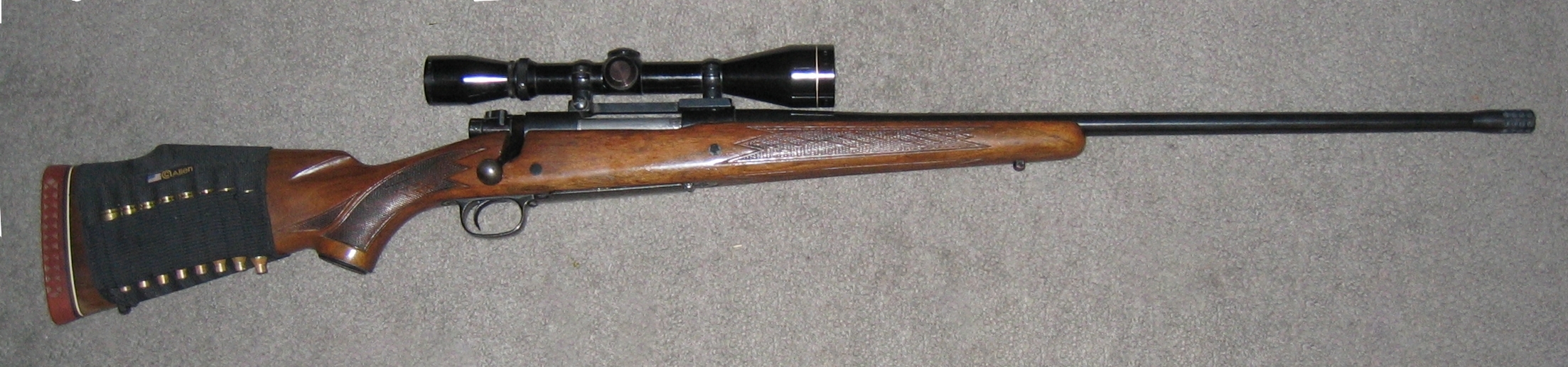
Quick ID: Pre-64 vs Post-64 vs Classic
- Pre-64 (introduced 1936): Controlled round feed, full-length external claw extractor on the bolt, receiver-mounted ejector, coned breech. One receiver length. Extensive hand fitting.
- Post-64 (from 1964): Push-feed with a flat bolt face, small extractor, spring-loaded plunger ejector in the bolt face. 1968 brought an anti-bind bolt groove that made cycling notably smooth.
- Classic (limited in 1992, fully back by 1994): Return to CRF with the big claw, receiver ejector, and coned breech, plus modern production improvements and true short-action receivers for 308-length cartridges.
Pre-64: what defined the original feel
Born in 1936 out of lessons from the Model 54 and the broader Mauser 98 pattern, the Pre-64 Model 70 delivered controlled round feed, a coned breech that encourages smooth chambering, and a safety layout that works in the field. Receivers and bolts were hand fitted, which is part of why no two feel exactly alike. The character is consistent though: secure feed, positive extraction, and a confident cadence you can recognize with your eyes closed.
Collectors weigh originality, condition, and configuration. Shooters look for mechanical soundness and how it prints. These rifles have lived long lives; expect personality and inspect accordingly.
1964 and the push-feed era
In 1964 the Model 70 moved from CRF to a push-feed system with a flat bolt face. The extractor and ejector changed with it, and production became simpler and more consistent. Push-feed brought practical benefits noted by many shooters: a solid ring of steel around the case head and a tight fit between bolt face and breech. Winchester also made the rifles more scope friendly by reshaping the bolt handle for ocular clearance and flattening the safety lever on the shroud. Stocks gained wider, flatter forends that steady nicely over a palm or a rest.
An important running change came in 1968 with the anti-bind groove. Many later push-feed guns cycle with a slickness that surprises skeptics.
Among collectors the Post-64 years are sometimes dismissed, but that sells them short. Modern processes improved consistency, and many of these rifles shoot exceptionally well. For a clear overview of the changes and why they happened, see Tom Beckstrand’s piece on Guns & Ammo: The Evolution of the Winchester Model 70.
The Classic: CRF returns in the 1990s
In the early 1990s, with updated machinery in a new facility, Winchester’s manufacturer brought back the features that made the original famous. The Classic action appeared in limited form around 1992 and was officially back by 1994 with controlled round feed, a full-length claw extractor, a receiver-mounted ejector, and the familiar coned breech. It looked and felt right, but also benefited from contemporary tooling.
One meaningful upgrade: true short-action receivers sized for the 308 family. Pre-64s used a single receiver length; Classics saved weight and length without giving up CRF. Stainless, bedding improvements, and a range of stock patterns rounded out the line.
Modern note for buyers: manufacturing processes continued to evolve, and many Model 70s made since 2013 are assembled in Portugal and imported by Browning in Morgan, Utah. That shift reflects production logistics more than a design change.
CRF vs push-feed in plain language
- Controlled round feed: As the bolt moves forward, the extractor hooks the case rim as the round rises, keeping it under control into the chamber. Ejection comes from a receiver-mounted blade that the case mouth strikes as the bolt retracts. Pros: consistent feeding at odd angles and speeds, positive extraction, a distinctive, confidence-inspiring feel.
- Push-feed: The round pops free of the magazine, then the bolt face pushes it into the chamber. Extraction uses a smaller extractor; ejection typically comes from a spring-loaded plunger in the bolt face. Pros: solid ring of steel around the case head, often tight bolt-to-breech fit, and very smooth cycling on many examples.
Both systems work. Judge the rifle in front of you by how it feeds, extracts, and groups on paper.
Triggers from early patterns to M.O.A.
Triggers shape a Model 70’s personality. Early examples earned a reputation for clean, tunable pulls when set up by a competent hand. Push-feed era rifles tend to break predictably thanks to more standardized production. Current-production guns wear Winchester’s M.O.A. system, marketed for a light, crisp break and minimal take-up. Dry fire the specific rifle and decide by feel, not brochure language or nostalgia.
Extractors and ejectors through the years
Extractor and ejector style is the fastest way to place a Model 70.
- Pre-64 and Classic CRF: Full-length external claw on the bolt. Receiver-mounted ejector. Coned breech. Inspect the claw for chips and sharp edges, and verify controlled feed by cycling dummy rounds slowly and quickly.
- Post-64 push-feed: Flat bolt face with a spring-loaded plunger ejector and a smaller extractor. Check spring tension and ejection strength. The action should run without binding; on later rifles with the anti-bind groove it should feel especially smooth.
Barrels, stocks, and handling
Stocks and barrels tell their own stories. Post-64 rifles gained scope-friendly details: a bolt handle that clears larger ocular bells, a flatter safety lever, and wider, flatter forends that ride a palm or pack well. Classic-era menus added stainless options, bedding improvements, and those desirable short actions in lighter stock profiles.
Regardless of era, study the crown and bore. Wood stocks move with time; sharp checkering and flush, proud-free metal are good signs. Purposeful bedding usually means someone cared about accuracy.
Serial numbers and dating
Winchester’s official reference gives a fairly accurate year of manufacture for Model 70s through 1992. For rifles made after 1992, Winchester asks that you contact Customer Service at 800-333-3288 for the date. If a serial number has been altered or removed, the BATF must be advised. Do not ship the firearm in that situation. Start here: What year was my Model 70 manufactured?
At a counter, use the official page as your baseline and verify details that match the era. Classic and later serial ranges are not always clean by calendar year, which is why a quick call or email is worth it.
What to inspect before you buy
A short, practical checklist you can run in minutes:
- Feeding and extraction: Cycle two or three dummy rounds from the magazine. On CRF, confirm the extractor grabs the rim as the round rises and maintains control. On push-feed, look for smooth feed and firm plunger ejection.
- Bolt feel and anti-bind: With the rifle empty, run the bolt and apply light side pressure to the handle. Late push-feed rifles with the 1968 anti-bind groove should stay silky. Any gritty spots call for a closer look.
- Lockup and lug seats: Remove the bolt and light the lug abutments. Even contact is a good sign. Obvious peening or galling deserves a pause.
- Trigger and safety: Verify the safety positions engage positively. Dry fire into a safe backstop and feel for creep or odd behavior. If it seems drastically altered, plan on a competent inspection before field use.
- Barrel and crown: Inspect the throat and first inches of rifling. Frost is common on older hunters, but deep pits or a battered crown will cost accuracy.
- Stock fit and cracks: Check the tang, recoil lug mortise, and buttstock toe. Hairline cracks are not rare on hard-used rifles. Avoid over-sanded or overly glossy refinish jobs on collector pieces.
- Bottom metal and screws: Floorplate and guard should sit flush. Mangled screws signal prior disassembly. If bedded, look for clean, deliberate work rather than puddled epoxy.
- Sights and scope fit: Make sure the bolt handle and safety clear the ocular bell with your normal hand position. On iron-sighted rifles, confirm sights match the era and are undamaged.
- Proofs and marks: Scan for import-style markings that do not belong, softened edges from rebluing, and any sign a serial number was altered. If so, stop and follow Winchester’s guidance.
Which Model 70 suits you
If you want history you can feel, a well-kept Pre-64 makes sense. If you want a slick shooter with modern consistency, a late push-feed with the anti-bind feature might be the sleeper you are looking for. If you want CRF without Pre-64 prices, a Classic with the features you value sits in a sweet spot.
Across all eras, judge the individual rifle. Run the bolt, work the safety, dry fire, read the small parts. Then enjoy it. The Model 70 has been earning its keep for more than eight decades, and the story is still being written. For current offerings and specs, start at the official site: winchesterguns.com.