
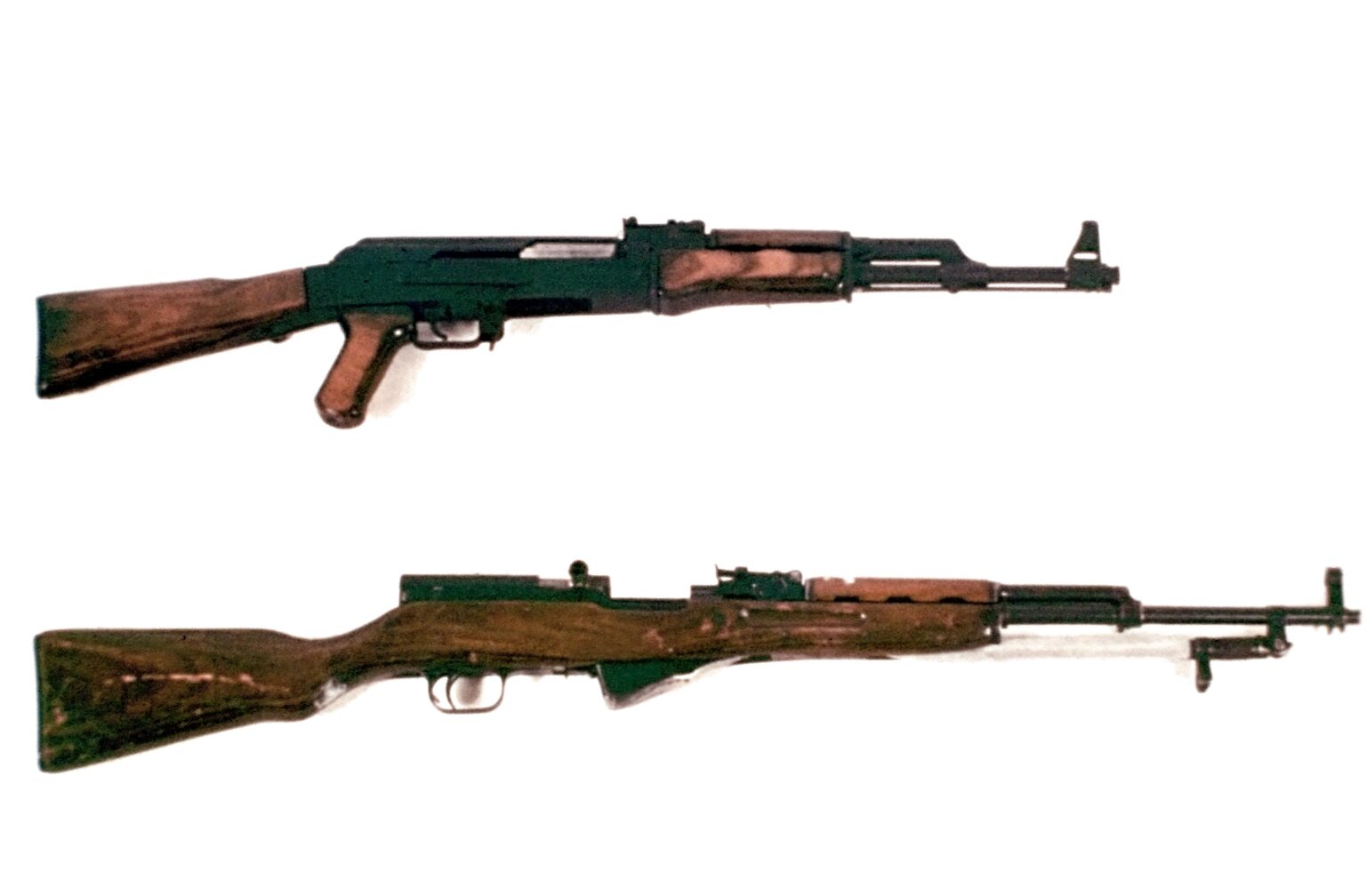
The first SKS I pulled from a greasy surplus rack told its story before I read a single stamp. The bayonet detent snapped home, the stock smelled like cosmoline and old linseed, and the parts felt like they were made to outlive arguments. With SKSs, those small cues separate a decent shooter from a rifle with honest history. This guide helps you read them fast and buy with confidence.
Why the SKS still draws collectors
Sergei Simonov’s semi-auto carbine was adopted by the Soviet Union in 1949 and then spread across the Warsaw Pact and beyond through production sharing and licensed manufacture. Technical packages went to places like Romania and East Germany, and factories later stood up with Soviet or Chinese help in North Vietnam, North Korea, Yugoslavia, and Albania. By one historical measure, the SKS ranks ninth among the most produced self-loading rifle designs.
Across nations, the silhouette stays familiar: a 7.62×39 gas-operated action with a milled receiver, a 10-round fixed magazine, and a folding bayonet under the barrel. Typical barrels run about 20.5 inches, overall length is roughly 40 inches, and unloaded weight hovers near 8.5 pounds. For a compact primer, see the SKS overview, then use the notes below when you are standing at a table or scrolling photos.
Variants at a glance: Soviet, Chinese, Yugoslav, Romanian, Albanian
Soviet SKS
Often treated as the benchmark. Expect birch stocks and arsenal marks from Tula or Izhevsk. A neat footnote: the 1949 Tula run used spike bayonets. Fit and finish tend to be crisp.
Chinese Type 56
By far the most common. China built Type 56 carbines for decades to arm massive reserves and militia. Early Sino-Soviet marked guns are prized; later imports under various trade names make excellent shooters. Chinese rifles are famous for the cruciform spike bayonet, widely adopted from the mid-1960s onward.
Yugoslav M59 and M59/66
The M59 follows the standard pattern. The later M59/66 adds an integrated grenade launcher and flip-up ladder sight up front, making it heavier but extremely durable.
Romanian
Close to the Soviet pattern with no-nonsense execution. Many came in through big import waves; minor accessories may be missing, which is typical surplus reality.
Albanian
Less common. Easy tells include the elongated handguard and the distinctive outward-hook charging handle. Albanians also ran spike bayonets.
If you want a broad variant refresher with specs and context, ATI’s overview is a good complement: The SKS Rifle: A Complete Guide.
Barrels and bayonets: quick country and era tells
All military SKSs wear a folding bayonet under the barrel on a spring-loaded hinge. Both blade and spike types were produced. Spikes appear on 1949 Tula rifles, Chinese Type 56s from the mid-1960s onward, and Albanian Model 561s. Russian and Yugoslav examples commonly wear blades. Remember those anchors and you can sort a lot at a glance. Source.
When scanning a front end, check the muzzle crown for nicks, the bayonet lug and hinge for honest wear, and the cleaning rod channel. Missing rods are common on imports and not a deal breaker, but they matter when comparing two otherwise similar rifles.
Threaded vs pinned barrels on Chinese Type 56
On Chinese carbines you will hear “threaded” versus “pinned” barrels. It describes how the barrel shank is secured to the receiver: threaded into the receiver ring or retained by a cross pin. Both systems can be accurate and durable. Prioritize bore condition, headspace, and overall tightness. If buying online, ask which system it has and request a clear photo of the barrel shank area. Treat it as one data point, not the deciding factor.
Early and “letter” talk: how to buy confidently
Collectors use “early” two ways. Early by date covers first Soviet runs such as 1949 Tulas with spikes. Early by features refers to clusters like Sino-Soviet marked Chinese rifles that tend to show crisper fit and finish.
You will also see ads using “letter,” “transitional,” or similar in-house terms for late or in-between production. Those labels can be useful within a community, but do not pay a premium for a nickname. Verify the specific features claimed with clear photos before you treat a label as provenance.
Matching numbers: reading consistency the right way
Numbered parts are part of the Soviet-pattern workflow. In that system the barrel is the rifle from a records standpoint, and parts were renumbered to match after major work so the assembly stayed together. That background helps you read “matching numbers” today. Reference on Russian/Soviet marking practice.
Practical approach: look for consistency across the receiver, bolt, magazine floorplate, buttplate, and stock. Fonts, depth, and placement should look like they were done the same day. A lone out-of-step number is not disqualifying, but it is a flag to ask why. Numbers stamped over fresh finish suggest post-refinish work; numbers under old patina suggest age.
Stocks and cartouches: useful but not decisive
Wood carries clues. Russian rifles often show birch stocks with Tula or Izhevsk arsenal symbols. Albanian stocks announce themselves with the long handguard and hooked handle. Yugoslav M59/66 rifles show front-end wear from their added muzzle hardware.
Inspect the wrist and tang area for hairline cracks, the butt for repairs, and the inletting around the trigger guard for pry marks. Treat cartouches and stock stamps as helpful context, not the main event. You are buying a rifle, not a stamp.
Import marks and the bayonet question
Import marks anchor a rifle to a specific wave. You will see many CAI-marked guns from Century Arms International, among others. During certain periods, Chinese rifles were imported without bayonets to meet rules at the time. Importers even sold spike bayonets separately as oddball accessories. From a buyer’s perspective, a bayonet by itself rarely adds much value except on standout, as-issued examples. Condition and completeness as a whole matter more. Gun Tests perspective.
What to inspect: a practical checklist
- Bore and crown: Light in the bore, check for sharp rifling and a clean crown free of big dings.
- Gas system: Look for carbon caking or corrosion in the gas tube and on the piston face; make sure the piston moves freely.
- Carrier and bolt: Smooth wear, clean locking surfaces, and a free-floating firing pin in its channel.
- Trigger group and mag: Positive safety, solid magazine latch. The fixed 10-round magazine should lock with no daylight at the rear.
- Bayonet and hardware: Swing it in and out. The detent should click solidly. Confirm blade or spike matches the variant and era you expect.
- Sights and alignment: Verify the front sight base is straight. On M59/66 rifles, flip the grenade sight and confirm the gas shutoff works.
- Stock: Check the wrist and tang for cracks and the inletting for pry marks. Test the buttplate trap door; many rifles are missing the cleaning kit, which is common.
- Cleaning rod: Present and firmly seated is a small completeness win. Missing is common, note it for comparison.
- Matching numbers: Photograph every numbered part you can and compare fonts and placement for consistency.
- Import mark: Find and read it. It helps date the import wave and often hints at how the rifle came in.
- Barrel attachment (Chinese): If you care about threaded versus pinned, ask for a clear photo of the front receiver area.
If you are buying remotely, ask for specific angles. Reputable sellers expect that on surplus arms. For a complementary buyer’s checklist, see Gun Tests’ SKS smart shopper guide.
Wrap-up: buy what it is, not what it is called
The SKS wears its history in plain sight. Country of origin narrows features. Bayonet type helps anchor era. Barrel attachment on a Chinese gun is a preference detail. Matching numbers and stock marks help you sort original from reworked, but they are clues, not verdicts. Read the steel and wood in front of you, price against condition, and you will make good picks more often than not.