
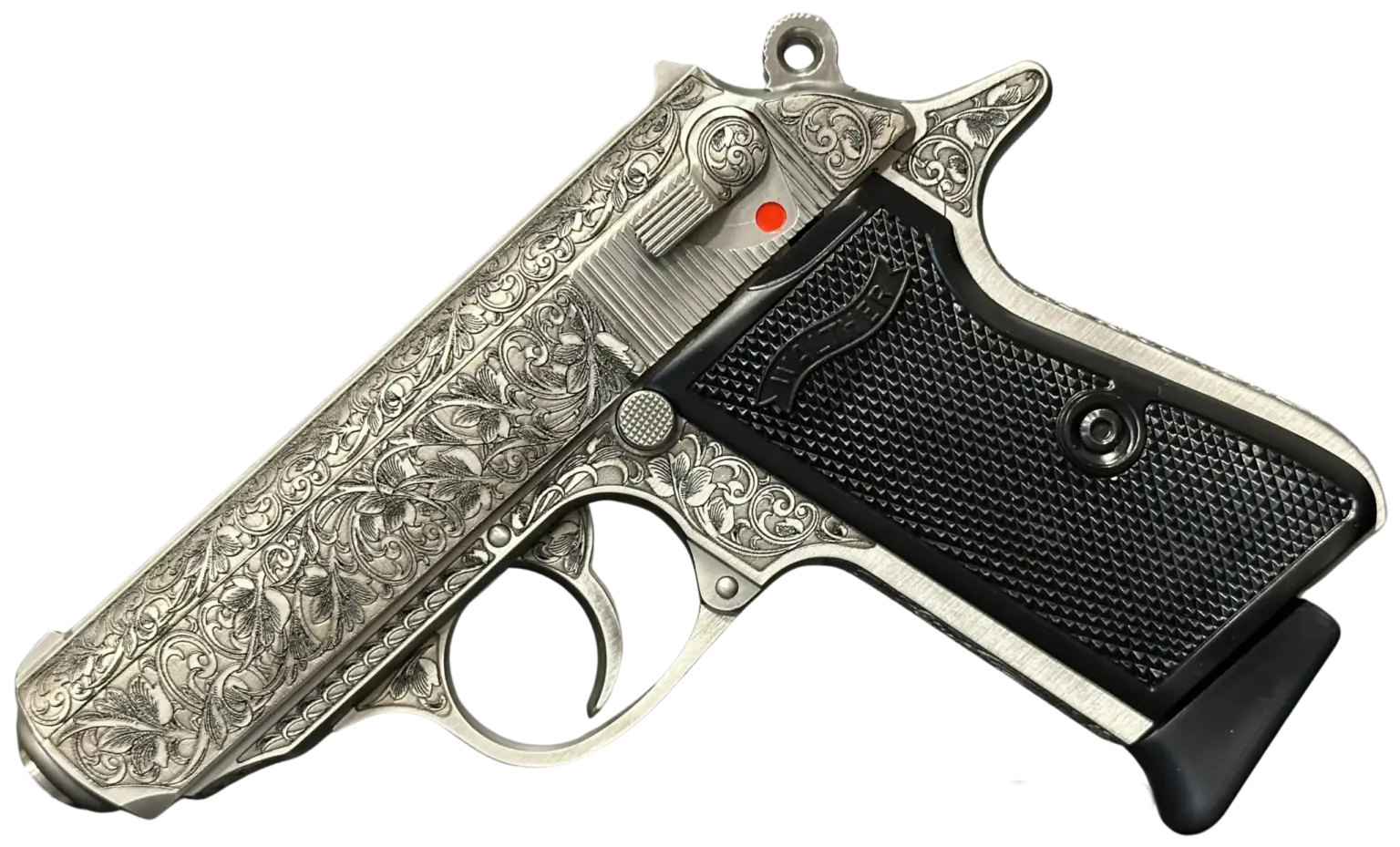
I was walking a gun show when a tidy PPK in a tired holster caught my eye. The tag said pre‑war. The grip color said otherwise, the mag floorplate looked wrong, and the slide legend was just a shade off. Three minutes, three tells. That is the whole game with these little Walthers: know where to look.
This guide keeps it practical. We will sort pre‑war from post‑war, Manurhin from Ulm, read proofs and date codes, and judge slides, safeties, magazines, grips, and import marks using details you can verify under show lights.
PP family basics: PP, PPK, PPK/S
The Walther PP series are blowback pistols with a fixed barrel, exposed hammer, and double action first shot. The PPK arrived in 1931 as the more concealable sibling with a shorter barrel and frame and a wraparound grip that covers the backstrap. In early literature PPK stands for Polizeipistole Kriminal. For a quick overview of the family, the Walther PP page is a solid refresher.
The PPK/S came later for the U.S. market, combining the PP frame with the PPK’s slide and barrel to gain enough weight to meet 1968 import rules.
Pre‑war Zella‑Mehlis vs post‑war Manurhin and Ulm
Pre‑war and wartime PP‑series pistols were made at Walther’s Zella‑Mehlis plant. Post‑war, German arms production paused, and Walther restarted by licensing Manurhin in France to make PP‑series parts. From the early 1950s into the 1980s, Manurhin produced parts that were either assembled in France or shipped to Walther’s Ulm facility for assembly and German proofing.
What you will see most often:
- Pre‑war or wartime Zella‑Mehlis: German proofs of the era; commercial or military acceptance depending on destination.
- Post‑war Manurhin, assembled in France: typically marked Made in France with French commercial proofs.
- Post‑war Manurhin parts, assembled at Ulm: typically marked Made in West Germany with German proof marks.
Manurhin vs Ulm: markings that settle it
Assembly location is visible on the metal:
- Made in France plus French commercial proofs points to French assembly from Manurhin production.
- Made in West Germany plus German proofs points to Ulm assembly, often from Manurhin‑made parts in the early years.
Both tracks produced quality pistols. For collectors, the value is in matching the seller’s claim to the proofs and origin marks. Early Ulm pistols using Manurhin parts are normal and should be described and priced accordingly.
For brand background and current product lines, see Carl Walther or Walther Arms.
PPK/S and the 1968 U.S. import rules
After the 1968 Gun Control Act imposed a points system for imports, the PPK missed by a point. Walther paired the PP frame with the PPK’s top end to add enough weight. The result is the PPK/S, which keeps the PPK look with a bit more grip length. Many PPK/S pistols you find in the U.S. will show importer marks, and some were produced under license in the States beginning in the late 1970s.
Proofs and date codes: what to photograph
Proof marks confirm a pistol passed a proof test and often reveal where and when it was verified. On PP‑series pistols:
- Zella‑Mehlis era guns wear period German commercial proofs and, on military purchases, acceptance marks. Late‑war examples can show simplified slide legends.
- French‑assembled post‑wars read Made in France and carry French commercial proofs.
- Ulm‑assembled post‑wars read Made in West Germany and carry German proofs. German proofs include date information in letter or symbol codes that you can match to year charts.
Take clear photos of all proofs and any importer marks. Font, placement, and national style are often decisive.
Slides and safeties: legends, decockers, late‑war shortcuts
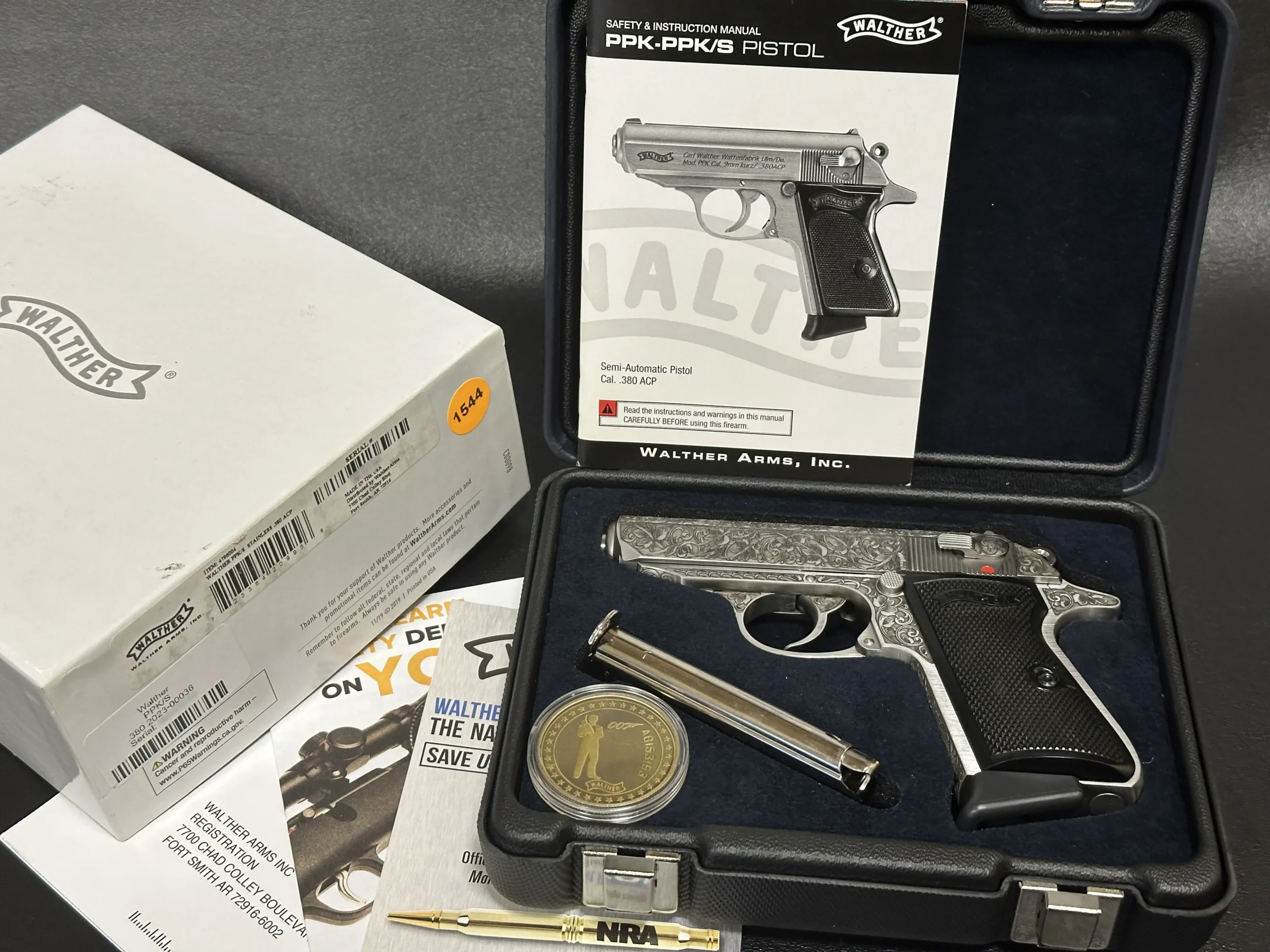
The PP family’s slide safety acts as a decocker. With the pistol cleared, cock the hammer and rotate the lever to safe. The hammer should drop while the firing pin is blocked, and the lever should show a positive stop. Sloppy movement hints at wear.
Pre‑war slide rollmarks are typically sharp over a higher‑polish finish. As wartime production accelerated, finishes dulled and legends can appear faint. By the end of the war some slides dropped the full legend and used the Walther factory code in its place. Post‑war commercial pistols returned to crisper, consistent markings. Be mindful that a refinish can round stamp edges and make otherwise correct markings look off.
Magazines: wartime m/m slash, fonts, floorplates
You do not need to memorize every PP/PPK magazine variant to catch the big tells:
- Wartime commercial mags often show the Walther banner, model, and caliber with a slash in m/m for millimeter. Seeing the slash is a fast sign you likely have a wartime‑style mag.
- Post‑war mags typically drop the slash and simply read mm. Font and banner style vary, but the missing slash is the quick field cue.
Floorplates matter too. Many PPK magazines use finger‑rest extensions. Wartime bases tend to show a tapered, rounded front curve. Many post‑war extensions look squarer along that same line. Side by side the difference is clear. With a single mag in hand, study photos of known originals and compare.
Do not expect every wartime pistol to retain a matching‑numbered magazine. Correct‑type beats matching‑number in most real‑world finds.
Grips: mottled wartime bakelite, wood, and post‑war solids
Wartime brown synthetic grips often show a mottled swirl of lighter and darker tones. That mottling is hard to counterfeit convincingly. Post‑war brown grips are more uniform and solid in color. Under good light the difference is obvious.
Late‑war shortages brought occasional wood grips on PPs and a short run of reddish‑toned synthetic grips alongside generally duller finishes. These fit late‑war patterns, but they also attract fakes. Inspect fit and honest wear closely before you pay a rarity premium.
Import marks and U.S. production notes
Pre‑1968 imports can lack modern importer stamps. After 1968, U.S. law required clear importer markings, often naming the company and city on the frame or slide. Those marks do not make a gun bad, but on early collector pieces a large, modern line can affect desirability compared to a discreet mark.
The PPK/S in particular ties to the American market. Starting in the late 1970s, Walther licensed U.S. production with distribution by Interarms, and later under other U.S. makers. Stainless and blued examples from that period are common, and the rollmarks will tell you who made what and where.
Hands‑on inspection checklist
- Read the story on the metal. Photograph both sides of the slide and frame, origin marks, proofs, and any importer lines.
- Grips in good light. Wartime browns should show mottling. Post‑war browns are usually solid. Check for cracks and proper screw fit.
- Magazine check. Look for the m/m slash on caliber markings for wartime style. No slash usually means post‑war. Compare finger‑rest shape if present.
- Cycle the action. The slide should run smoothly. The fixed barrel should be tight to the frame without wobble.
- Safety and decocker. Cock, engage safe, confirm the hammer drops and the firing pin is blocked, then return to fire and confirm reset.
- Bore and crown. Clean rifling and an intact crown are good signs on fixed‑barrel blowbacks.
- Refinish tells. Rounded stamp edges, blurred legends, and glassy polishing where a brushed finish belongs are caution flags.
- Late‑war set. Dull blue, simplified legends, and factory code markings should appear together, not as isolated oddities.
- Controls and detents. A vague safety detent or weak mag catch deserves a closer look.
- Small parts sanity check. Chewed screws and mismatched levers suggest past work. Ask why and by whom.
Smart buying goals and closing tips
Decide what you want first.
- History piece: A clean pre‑war commercial PPK with mottled grips and a correct wartime‑style mag is a classic buy. So is a late‑war PP with the dull finish and simplified legend, when the details line up.
- Range companion: A post‑war Manurhin or Ulm commercial pistol with clear proofs makes a fine shooter. The PPK/S adds a bit of grip length many hands prefer.
General advice:
- Document everything. Photos of markings, proofs, grips, and mags save you from memory gaps.
- Expect part swaps. Judge correctness for the era and price accordingly.
- Be cautious with claimed rarities. Late‑war oddities and special grips are often copied. Slow down and verify.
- Handle many examples. Familiar eyes catch small mistakes.
The PP family rewards careful inspection. When origin marks, proofs, slide legends, magazine style, and grips all tell the same story, you are likely looking at the right pistol at the right time.