
The first AR I ever shot that felt “wrong” did not fail. It barked, it cycled, and it threw brass with enthusiasm. But it had that slap-through-the-stock feeling that makes you think something is happening faster and harder than it needs to. The owner had just put a parts build together with a 16 inch barrel, carbine gas, and a light buffer. On paper it was fine. On the shoulder it was lively in all the indelicate ways.
That rifle taught me what many buyers discover the long way: the AR-15’s behavior is not magic. It is the product of a few measurements you can name, measure, and choose. Gas system length. Port size. Dwell time. Buffer and spring. Get those working together and the rifle feels like a sewing machine. Miss on them and you chase gremlins that never quite go away.
This guide is a clear, practical map. We will talk through carbine, mid, and rifle gas lengths, how port size and dwell time interact, what buffers and springs really do, and a simple approach to tuning for reliability without turning your range day into laboratory time. Nothing mystical. Just how the rifle breathes and moves.
What the AR-15 Gas System Actually Does
Your AR-15 is a gas-operated, semiautomatic rifle. When you fire, a small amount of high-pressure gas is tapped from a hole in the barrel, routed through a gas block and tube, and driven into the carrier key to start the bolt carrier moving. That motion unlocks the bolt, extracts the spent case, ejects it, and compresses the buffer spring so the carrier can come forward again to feed the next round. That entire act happens in the blink of an eye.
There is nothing complicated about that description, but the devil lives in the timing and the pressure. Where that gas is tapped, how big the hole is, and how quickly the bolt carrier group is allowed to move all determine how reliable the cycle will be and how the recoil impulse will feel.
Gas System Length in Plain English
Gas system length is measured from the front of the receiver to the gas port in the barrel. That is it. Different lengths change the pressure at the moment gas is tapped, and they change how much barrel remains beyond the gas port. That barrel past the port matters because the bullet has to stay in the bore and keep the port under pressure long enough to drive the action correctly.
On the AR pattern, the common lengths are:
- Pistol length – very short barrels
- Carbine length – originally designed around short carbines
- Mid-length – sits between carbine and rifle
- Rifle length – classic 20 inch service rifle pattern
Each length has its place because barrel length and port position work as a pair. As The Armory Life explains in its overview of mid-length gas systems, the distance to the gas port and the tube length are directly related to barrel length, and that pairing shapes how the rifle runs.
Carbine vs Mid-Length vs Rifle-Length On Common Barrels
Let us take the barrels you will actually buy and mount. The general relationships below are what shooters are trying to describe when they say one setup is “smoother” or “snappier.”
On a 16 inch barrel, both carbine and mid-length gas systems are common. Move the port further out with mid-length and you reduce the distance from port to muzzle. That shortens the time the barrel is still under pressure after the bullet passes the port, which tends to soften the operating cycle. Carbine length on the same 16 inch tube leaves more barrel after the port, so pressure acts on the system a bit longer and often leads to a more abrupt feel. Ballistic Advantage summarizes this well, noting that a mid-length on a carbine-size barrel yields a slightly longer system and a shorter dwell time, which can change how the rifle behaves.
On a 14.5 inch barrel that uses a carbine length system, you are closer to what the system was designed around. Shorter overall barrel with an earlier gas port gives a different balance of pressure and time compared to a 16 inch carbine-gassed rifle. Many factory 14.5 inch uppers are ported with that in mind.
On a 20 inch barrel, rifle-length gas is the standard. Pressure at the port is lower due to its distance from the chamber, and there is plenty of bore left after the port to keep the system under pressure long enough to run. This is why 20 inch rifles with rifle-length gas often feel softer and more measured in recoil even though they are not necessarily lighter recoilers in a physics sense. The impulse is spread out over a slightly longer spring and carrier motion.
These are broad patterns. Barrel makers also change port diameter to make a given length and barrel work together, which brings us to the small drilled hole that matters most.
Dwell Time: The Hidden Timer That Runs the Show
Dwell time is simply the length of time the bullet is still in the barrel after it passes the gas port. During that brief interval, the port is still seeing pressure and the system is being driven. Shorten dwell time and the action has less opportunity to accelerate hard. Lengthen it and the system is pushed for a longer slice of time. Dwell time is central to how reliably the AR will cycle and whether it errs on the side of being too violent or too lethargic. The Armory Life breaks this down clearly as part of its gas length explanation, and you will see the same concept emphasized in builder guides because it is the lever that ties barrel and gas length together.
When dwell time and gas port size are balanced for your barrel and ammo, the rifle cycles briskly without drama. When they are not, the most common problems are predictable. Too much gas drive or too-long dwell time can give you a sharp recoil feel and accelerated parts wear. Too little gas drive or too-short dwell time can produce short stroking and failures to feed or lock back.
Port Size, Pressure, and Why Makers Drill Different Holes
Gas system length and dwell time set the stage. Port size fine tunes the pressure delivered to the carrier. Makers drill smaller or larger ports to hit a consistent operating window across different barrel lengths, ammunition pressures, and environmental conditions.
Here is the trend that matters. The further the port is from the chamber, the lower the pressure at the port, and the larger that port often needs to be. Rifle-length systems tend to have larger ports than carbine systems because the gas has cooled and pressure has dropped by the time it reaches a port that far forward. Carbine systems, tapping the bore sooner when pressure is higher, can run smaller ports and still deliver enough gas. You can see this reflected in example dimensions often discussed in the builder community. As one summary notes, rifle-length ports are commonly larger than about 0.093 inch, while carbine systems can run ports down in the mid 0.06 range. Those numbers vary by manufacturer and intended ammunition, but the direction of the change is the point.
If you are evaluating a barrel, port diameter is rarely advertised in product copy, but factory choices here are what separate a harsh runner from a smooth one. The port, the gas length, and your barrel length are a triad. Treat them that way and you will stay out of trouble.
Recoil Impulse and What You Feel at the Shoulder
When shooters talk about an AR feeling “over-gassed,” they do not mean the rifle is unsafe. They mean the carrier is being driven too hard and too fast, which comes across as a sharper push into the buffer and a slap in the stock. It is also harder on small parts over time. On the other end, an “under-gassed” rifle can feel lazy. The bolt tries to move, runs out of momentum, and you see sluggish cycling or failures to lock back after the last shot. Dwell time and port size live behind both sensations.
Gas length choices influence the feel because they change both pressure and how long that pressure is applied. Mid-length on a 16 inch barrel often feels calmer than carbine on the same barrel because the window of push on the system is shorter. Rifle-length on a 20 inch barrel feels different still because the pressure at the tap is lower and the overall cycle can be a hair more deliberate.
Buffers and Springs: The Back Half of the Equation
On the other end of the rifle sits the buffer system. Think of the gas system as the pusher and the buffer system as the brake and return. The buffer, buffer spring, and receiver extension work together to control how quickly the bolt carrier moves, how far it travels, and how decisively it returns into battery. Heavier buffers resist the carrier more and tend to slow and soften the cycle. Lighter buffers allow a faster, snappier movement. Stouter springs resist and return more firmly, and weaker springs do the opposite.
If you have ever asked which buffer to buy, you already know there is no single right answer. The reason is not marketing. It is that the buffer system is a tuning tool, and it must be matched to how much gas drive the front of the rifle is delivering. As AR Build Junkie’s overview of buffers and springs makes clear, your choice depends on the rest of the build. The buffer system is not just a chunk of metal. It is the way you steady the motion the gas system starts.
Practical Tuning Paths for Reliability
Let us get practical. If your goal is a reliable, pleasant rifle, match the front and back of the system and resist the urge to chase extremes. Here are paths that work for most buyers and home builders.
- Start with a sensible pairing of barrel length and gas length. On 16 inch barrels, many shooters favor mid-length for the milder impulse. On 20 inch barrels, rifle-length gas is the pattern for a reason. On 14.5 inch barrels, carbine gas is common and usually makes sense. This is the foundation decision.
- Know that dwell time is real. Moving the gas port farther out on a given barrel shortens dwell time. Shortening dwell typically softens the cycle but reduces the margin for low-pressure ammunition. If you want a rifle that eats a wide variety of .223 Rem and 5.56 NATO, favor setups that are not living on the ragged edge of short dwell.
- Accept that port size is not a personal setting. It is drilled by the barrel maker. Reputable makers size ports to run with common ammo and a standard buffer setup. If you want a “just right” feel, choose the barrel wisely up front rather than planning to fix a mismatched port with parts at the back of the rifle.
- Use the buffer and spring to match the gas. If the rifle feels harsh and it is clearly cycling with authority, a heavier buffer or a slightly stouter spring can help calm things down. If the rifle is close to running but will not consistently feed or lock back, a lighter buffer or a fresh, appropriate spring rate can give the carrier the room it needs to do its job. The buffer system exists so you can find this balance.
- Keep expectations realistic with short barrels. Short tubes with short gas systems have very little dwell time and high port pressure. They can be made reliable, but they are less forgiving of variable ammo and part tolerances. Work with quality makers and do not expect them to feel like a 20 inch rifle-length gun.
These steps are not hacks. They are simply how the rifle was designed to be tuned. As one builder-focused guide sums up, too much gas and dwell can make your AR feel like it is taking a beating, and too little can make it stumble. Your job is to bring it into the middle where it runs with confidence.
Suppressor Notes Without the Mystery
Thread a suppressor on and you change the system. A suppressor increases back pressure. That added pressure acts like lengthening dwell time and can make an otherwise well-mannered rifle feel brisker. It can also mask marginal setups by shoving the carrier harder than usual. The practical takeaway is simple. If your rifle will live suppressed, expect to need a slightly different balance of gas and buffer than you would unsuppressed. Many owners keep a dedicated buffer for their suppressed configuration or choose parts that are known to run both ways without complaint. Plan ahead rather than being surprised at the range.
Common Symptoms of Over-Gassed vs Under-Gassed
You do not need gauges to recognize most of this, and you do not need to memorize esoteric signs. Focus on how the rifle runs.
- Over-gassed patterns often include a sharper recoil feel, the sense of the action slamming, and premature wear on small parts. The rifle “works,” but it works with more authority than it needs to.
- Under-gassed patterns often include short stroking, failures to feed, or failures to lock back on an empty magazine. The rifle wants to run but runs out of steam.
These are not exhaustive checklists. They are what most shooters actually see when a rifle is on one side or the other. Make one change at a time, and test with the ammunition you plan to shoot most.
Buying and Build Tips That Actually Help
If you are shopping rather than building, ask basic questions that get you closer to the middle of the bell curve where rifles run well.
- What gas length does this barrel use, and what is the barrel length? You want to know that the pairing is sensible. Sellers who can answer clearly tend to work with builders who care about this stuff.
- What buffer system does the rifle ship with? A carbine-length receiver extension with a standard buffer and spring is common and perfectly fine when the barrel and port are well chosen.
- What ammunition is the maker targeting for reliable function? A rifle set up around 5.56 NATO pressure may feel different on the softest commercial .223, and vice versa. Matching expectations to port and dwell saves headaches.
- Is the gas block properly aligned and secured? A misaligned block or a loose set screw can look like an under-gassed rifle because the system is literally bleeding at the joint.
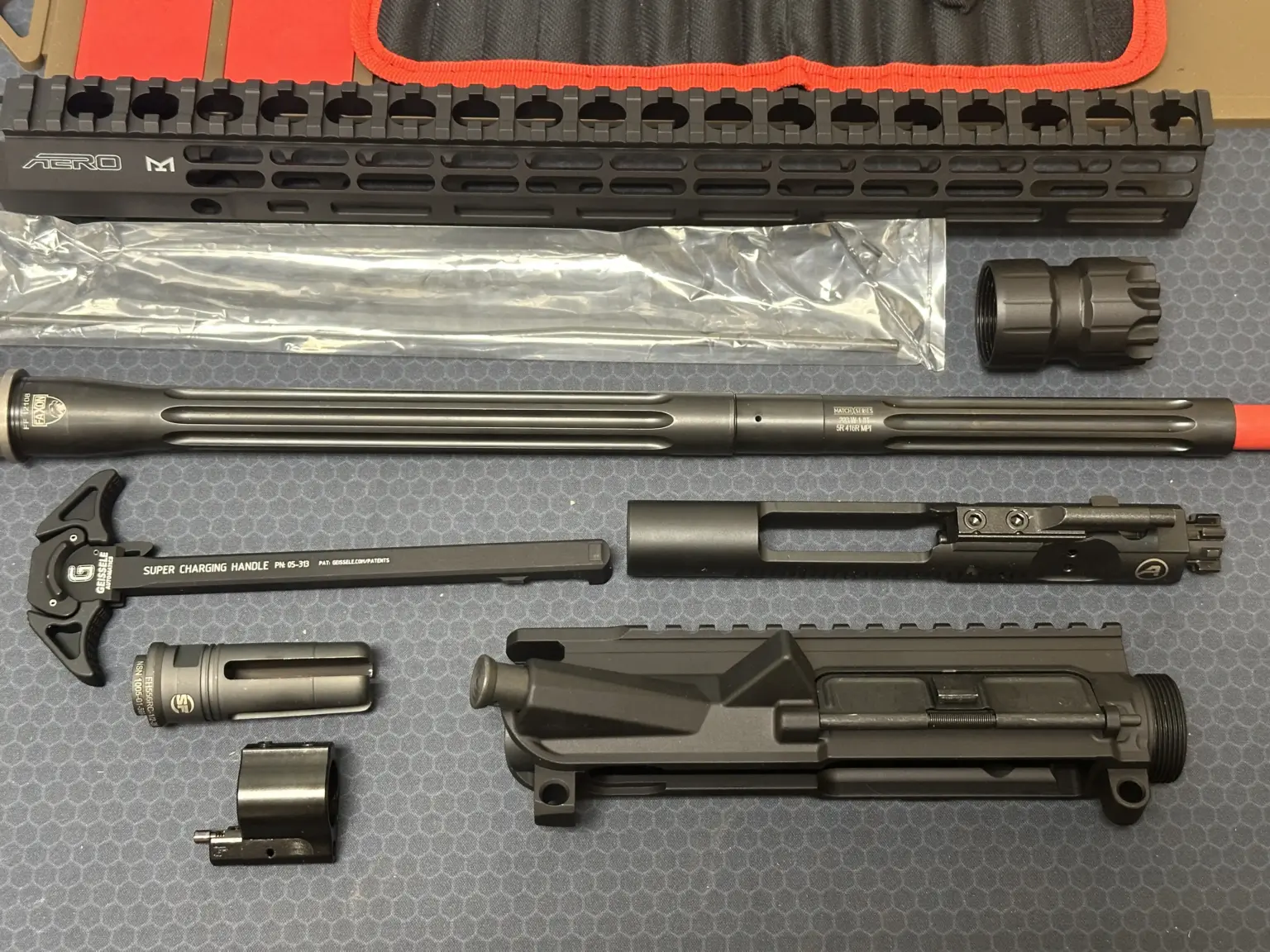
If you are building, start with a clear plan. Pick the barrel first. Choose the gas length you want for that barrel length. Select a reputable bolt carrier group. Then pick a buffer and spring that are known to pair well with that general configuration. Do not buy a cart full of parts that fight each other.
A Short Historical Aside: Gas Systems Before the AR
There is nothing new about balancing gas drive and moving parts. Earlier American service rifles ran on gas as well, and they had their own timing puzzles. If you enjoy the old iron, you will recognize similar themes about port location, pressure, and spring rates when evaluating classic rifles. Our feature on the M1 Garand’s gas system and its early gas-trap variants shows how even that landmark design evolved around getting the timing and pressure right. The AR keeps the same physics, just with a different layout.
Bringing It Together: A Simple Decision Tree
Think of the AR’s cycling and recoil as a cause-and-effect chain you can see.
- Pick a barrel length. That frames your options.
- Choose a gas length that is known to pair well with that barrel. On 16 inch barrels, mid-length is a popular choice for a reason. On 20 inch barrels, rifle-length is the standard. On 14.5 inch barrels, carbine gas remains common and sensible.
- Understand that dwell time is the timer you cannot see. Further port equals shorter dwell on a given barrel, which generally softens the operating cycle but may demand more consistent ammo.
- Remember that port size is the maker’s way of equalizing pressure. Longer systems usually need larger ports, shorter systems smaller, to run in the same window.
- Use buffers and springs to bring the cycle into the sweet spot. Heavier and stouter for systems that feel hot and fast, lighter for systems that feel lazy.
- Introduce only one change at a time, and test with the ammunition you rely on. Reliability is the metric. Feel is the bonus.
There is no magic recipe card that covers every barrel maker, every caliber, and every accessory. But the principles do not change. Gas length sets the character. Dwell time sets the opportunity window. Port size sets the push. Buffers and springs set the restraint. Work these levers with intention and your rifle will tell you when you are in the middle where it belongs.
If you want a quick refresher from another angle before you choose parts, The Armory Life’s mid-length primer is a good plain-English summary of what gas length really means, and AR Build Junkie’s buffer basics article is a handy walkthrough of the pieces at the back of the rifle. Between those two and the concepts here, you have everything you need to avoid the harsh slapper I met on that first range day and build or buy a carbine that runs with the calm confidence that keeps you shooting longer and smiling more.