
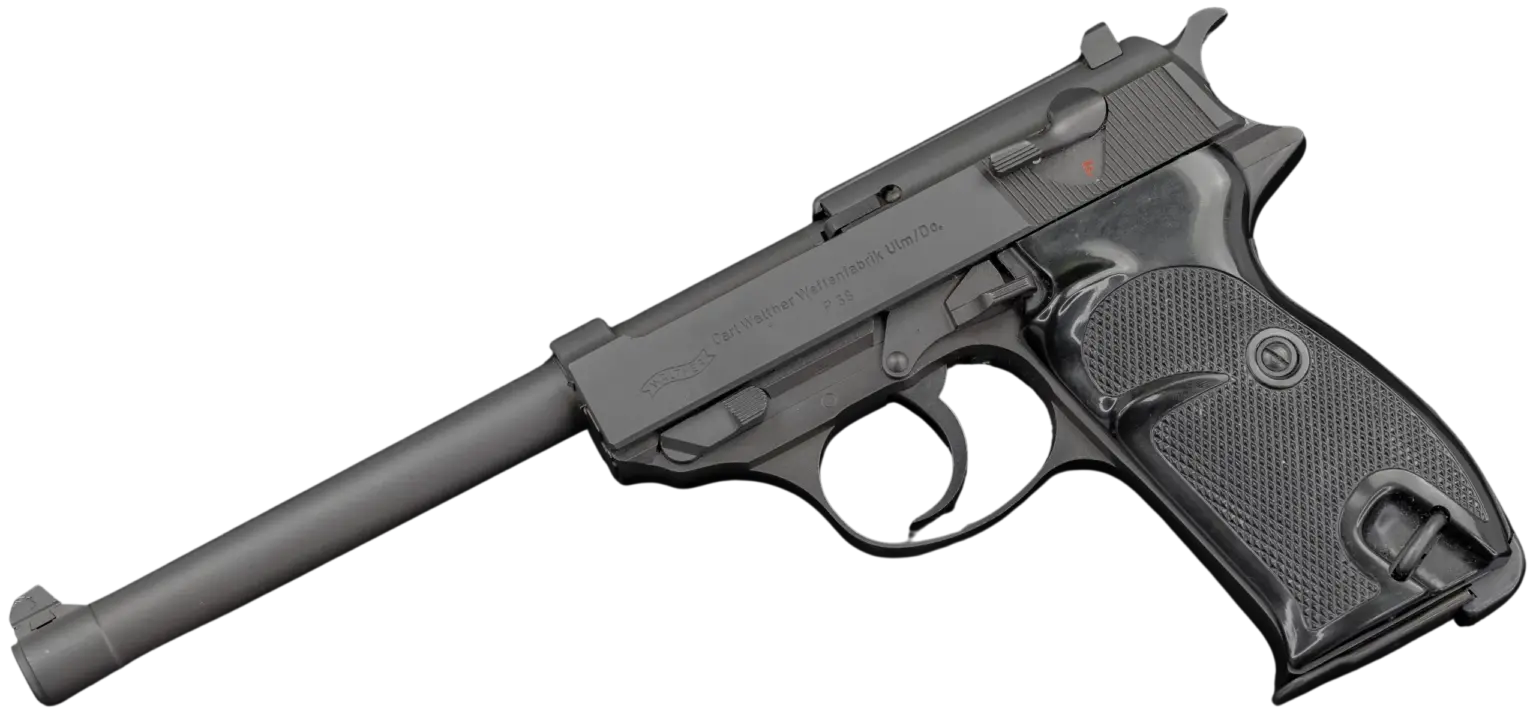
You learn a lot about a brand when you set two of its pistols on the same bench. Lay a small Walther PP-series on a towel next to a modern PDP and you can feel the company’s arc with your fingertips. One is the kind of handgun you remember from old photos and movie posters. The other is unapologetically current, built around texture, sight mounting, slide control, and a crisp, predictable trigger. Both are unmistakably Walther.
The PP and PPK: Small pistols that shaped Walther’s image
Walther did not become a household name by accident. The company’s PP-series pistols made that happen. They are compact, well-finished, and widely recognized. Walther itself describes the PP family as global symbols of craftsmanship, elegance, and reliability, and that is not just marketing talk. Those little pistols carried Walther’s reputation across nearly a century of carry holsters, desk drawers, and yes, pop culture screens. They set an expectation for how a small handgun could look and feel.
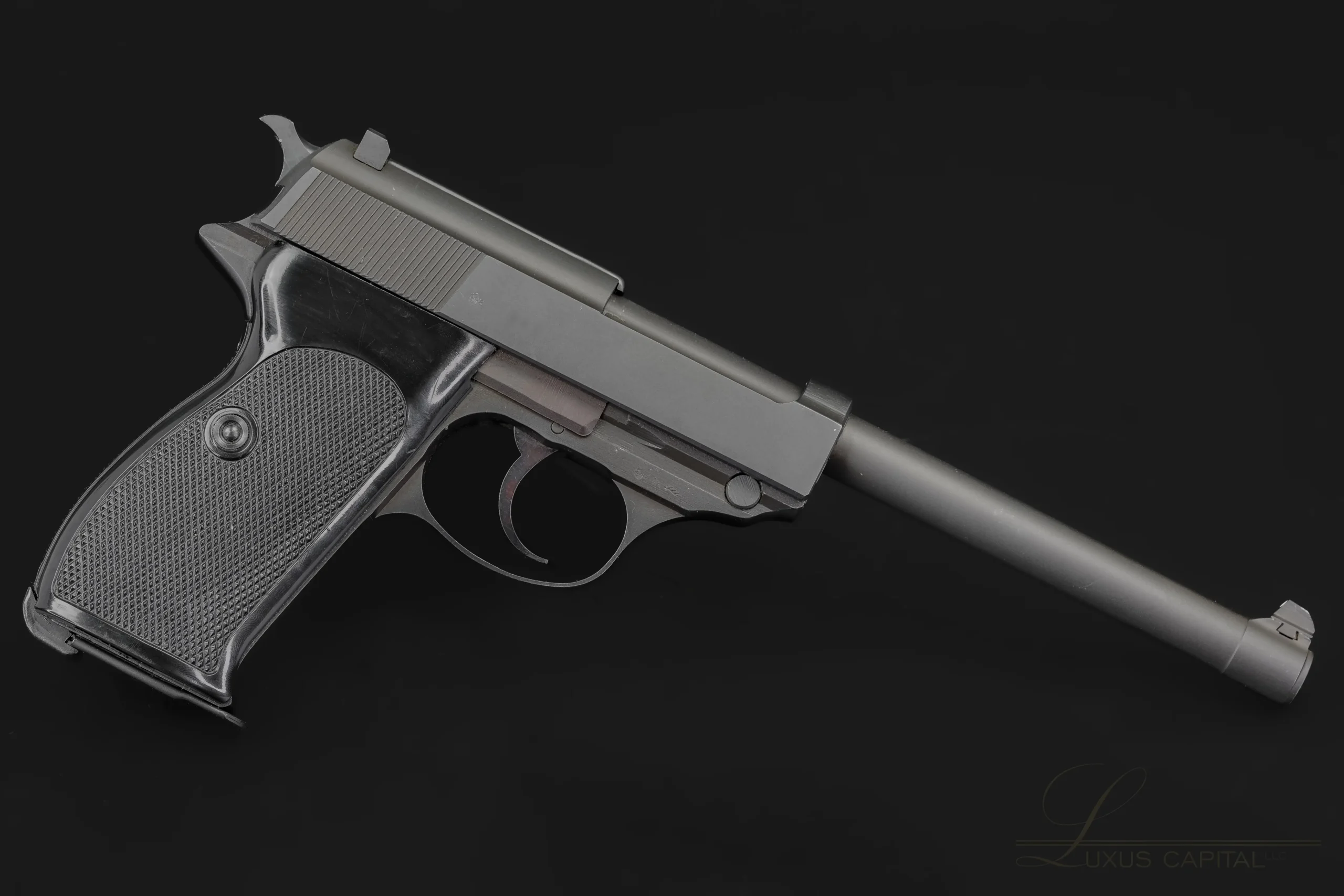
When you handle a PP or PPK, the first notes that come to mind are balance and restraint. The pistols are symmetrical, their slides thin and tidy, their controls cleanly cut. You feel the intention behind the size and the lines. They were made to be carried and shot without drama. That personality turned into a baseline for every Walther that followed, even as materials and mechanisms changed.
A pause that matters: Walther’s PP-series announcement
In 2024, Walther announced a formal multi-year pause of production for the PPK, PPK/S, and PP as part of a plan to reengineer and modernize the legacy line. If you missed it, it is worth reading the statement in full. The company frames it not as a goodbye, but as an intentional reset to bring the design forward while preserving the look and spirit that made these pistols so recognizable. You can find that announcement here: multi-year pause of production for the PPK, PPK/S, and PP.
For buyers and collectors, a pause like this creates two equal and opposite forces. On one hand, the current production trickle stops, which tends to nudge up demand for examples already in the market. On the other, it promises a refreshed chapter down the road that could incorporate contemporary manufacturing and user feedback. Walther even said, “This is not the end of the PPK story. It’s the beginning of a new chapter.” If you love the old-school look but want modern convenience baked in, that line should make your ears perk up.
Practical takeaway: if you are hunting a PP or PPK now, evaluate condition with care, confirm function with quality ammunition at the range when possible, and budget for a basic service from a competent gunsmith before relying on any older pistol. If you are patient, you may also want to watch for what the modernization program brings.
P38 to P1: Duty thinking and controllable shooting
Talking about Walther’s mid-century duty pistols without getting lost in engineering weeds is not easy, but the theme is simple enough. After the small, elegant PP-style pistols set the tone, Walther put serious energy into full-size holster guns that put a premium on a controllable first shot and practical safety. The P38 line and later P1 era represent this mindset. These were carry-every-day service sidearms where control, consistent handling, and robust build mattered even more than trim dimensions or glamour.
From a buyer’s chair, the lesson from that era carries over nicely. Walther learned to shape controls and frames around human hands that might be gloved, wet, or stressed. You can feel echoes of that thinking decades later. The way a slide is grasped, the way a trigger breaks without surprises, and the way a pistol settles back on target after recoil are not accidents. They are a set of habits forged when peace of mind on duty was the standard.
P5 and P88: Transitional design and lessons learned
As the handgun market changed and new service standards emerged, Walther tried answers that did not just copy what came before. The P5 and P88 years were transitional. Those pistols chased modern ideas about duty pistols and carry comfort, while still reflecting a maker who cared about machining, finish, and user-friendly handling.
Collectors often see these models as bridges. They carry the steel-and-alloy confidence of earlier decades but nod toward the needs of later ones. They are also a reminder that not every evolutionary step becomes a permanent branch of the family, yet the lessons stick. Fit, contour, leverage points for the hand, and clean sight pictures kept moving forward.
From P99 to PPQ to PDP: the polymer era and a new flagship
The shift into modern materials brought Walther into a new rhythm. Pistols became lighter, more modular, and more tuned for daily carry. In recent memory, the PPQ earned a loyal following, and then Walther crowned its successor. As the company itself has put it, the 9 mm striker-fired PDP arrived as the replacement for the outgoing PPQ and was classified as the new flagship concealed-carry pistol. That tells you how confidently Walther saw its path forward.
Why does that matter to a buyer right now? Because it signals that the PDP is not a side project. It is the center of Walther’s current handgun effort, and everything around it, from accessories to special editions, flows from that focus.
What the PDP actually does differently in the hand
When you strip away the buzzwords, the reasons people warm up to the PDP are tactile and immediate.
Start with the grip. Walther’s Performance Duty Grip texture uses a tight tetrahedron pattern that holds on without feeling like sandpaper. It is designed to maintain purchase in rough conditions yet stay friendly to skin and clothing. That is a hard balance to strike, and Walther emphasizes that it tested this pattern in harsh conditions before shipping it to customers.
Next, the slide. The serrations are not subtle, and that is the point. Ample grasping grooves give you leverage with gloves or wet hands. This is one of those features you barely notice when conditions are perfect and you appreciate immediately when they are not.
Then the trigger. Walther ships the PDP with what it calls the Performance Duty Trigger. The appeal is a predictable, consistent break that lets the shooter focus on sight alignment and follow-through instead of babysitting mushy takeup. It comes ready without begging for a swap, which simplifies life for buyers who would rather spend time on the range than in a parts catalog.
Put those three pieces together and you get a very modern reading of the same Walther story the PP-series started. The gun is friendly to handle, consistent, and easy to run under pressure. It just delivers those traits with polymer frames, deep slide cuts, and a fire-control system tuned for contemporary tastes.
The F-Series and the softer-shooting PD380
Walther has also made a point of matching features to more hands and more needs. The PDP F-Series frames are tailored for smaller hands, pairing a reduced trigger reach with geometry and springing that lower the effort to rack the slide by about a fifth compared to typical models. That is not a small change when you are teaching a new shooter, outfitting a family member, or just tired of pretending heavy springing is a virtue.
Alongside that sits the PD380, a compact pistol that looks and feels like a scaled-down relative of the PDP but chambers a gentler cartridge. It is built for easy charging of the slide and straightforward shooting. For many buyers who want the modern Walther feel with even easier control, it fills a useful niche.
Walther has even addressed these models candidly in consumer guides, highlighting the F-Series as especially friendly to smaller hands and casting the PD380 as the softer-handling sibling. Those descriptions line up with what shooters report on the range.
Steel-frame indulgence: Meister Manufaktur Vintage and Patriot
If you want the modern shooting manners of the PDP wrapped in old-world artistry, Walther’s Meister Manufaktur editions scratch that itch. The company builds limited steel-frame match pistols with finishes and embellishments you do not see on ordinary duty guns. They are heavy, balanced, and unapologetically handsome.
The PDP Steel Frame Match platform sits at the core. With a 5 inch barrel and a frame and slide made of steel, these pistols weigh about 41 ounces and settle recoil with the kind of momentum polymer frames cannot match. On that foundation, Walther creates special editions.
One of the most striking is the PDP Vintage Steel Frame Match. Walther describes a traditional case color hardening treatment on the slide, frame, and components, using a pack of wood, leather, and bone charcoal to add carbon, then quenching in water. The finish shows a marbled shimmer in browns, greens, yellows, blues, and magentas. Underneath sits the Tennifer-treated base for durability. Walther even publishes a surface hardness range in the mid 40s to mid 50s on the Rockwell C scale for the treated layer. You can read more on the product page here: PDP Vintage Steel Frame Match.
Another is the PDP Patriot, which carries deep, hand-cut engraving by Bottega Giovanelli on a similar steel-frame match base. It is the kind of gun that looks just as at home under glass as it does on a timer at a match. Walther highlights the same nitride treatment on major components for toughness, pairing beauty with endurance.
Are these collector pieces or shooters? They are both. The finishes and engraving are the appeal, but the core gun is a match-tuned PDP that tracks flat and recovers quickly. If you appreciate the PP-series for its elegance, these guns let you enjoy that spirit without giving up a modern trigger and modern handling.
Threads that run through every era of Walther
Even without measuring springs or debating locking systems, a few threads are easy to feel across the decades.
- Human-scale ergonomics. From the way a PP sits low in the hand to the way a PDP’s texture and backstrap spread recoil, Walther prefers shapes and surfaces that help normal hands do good work.
- Triggers you can trust. The brand’s small autos earned a reputation for predictable control. The PDP continues that with a consistent, range-ready break out of the box.
- Controls you do not fight. Slide serrations you can wrench on, frames you can grip hard, and sight pictures that are easy to read show up again and again.
- Willingness to revise. The pause on PP-series production is a current example. Walther is not afraid to stop, rethink, and relaunch a legend when it believes the result will serve shooters better.
Buyer notes by era: Practical considerations without the myths
Collectors and practical buyers do not always read from the same script, but they care about many of the same details. Here is how I would approach each era if I were shopping today.
PP and PPK family
These pistols are about feel, finish, and function. Prioritize examples that cycle cleanly and lock up with confidence. Handle the gun before you judge it, because part of the attraction lives in the proportions. If you plan to carry one, schedule a checkup with a gunsmith familiar with small autos and bring quality ammunition to the range for a real shakedown. Walther’s pause suggests parts support and future variants will remain a conversation, so do not panic-buy. Choose deliberately.
P38 and P1 era
These are duty guns at heart. If you are looking at one for occasional range use or collecting, focus on mechanical honesty over cosmetics. Dry manipulation tells a story. Are the controls positive, does the slide stroke feel even, does the trigger break the way your finger expects it to. If you get that right, the rest becomes easy to live with.
P5 and P88 period
Think of these as bridges with their own character. They tend to appeal to shooters who enjoy the feel of metal frames and appreciate a design that captures a moment in handgun history. If that is you, compare how they seat in your grip alongside later models. Walther’s design language is there, only expressed in a different dialect.
P99 and PPQ toward the PDP
If you are shopping used, the PPQ sits in a sweet spot for many shooters. But Walther has moved the center of gravity to the PDP. That means holsters, plates, and support will naturally follow the newer line. If you want current aftermarket energy and the latest ergonomic thinking, start with the PDP first and then decide if a PPQ serves a different role in your setup.
PDP and modern companions
Pick the size for your purpose. Full-size PDP pistols give you sight radius, controllability, and capacity for duty or home defense. Compact models trim that to carry more easily. If racking effort or hand size have been pain points, handle an F-Series frame. If recoil comfort is the top priority and you are open to a different chambering, try the PD380. Budget-minded shooters can start with the base PDP and later add sight plates or taller sights as needs evolve, but most folks will be happy with the factory trigger and texture from day one.
Where it all points next
It is tempting to think of the PP and PPK as museum pieces and the PDP as a purely modern creature, but that misses why the brand has the following it does. The little pistols taught Walther how to make a gun that disappears until you need it and behaves when you do. The mid-century duty era taught Walther how to make a gun you can run when you are cold, wet, or stressed. The polymer period taught Walther how to bake those traits into a lighter, kinder package you can carry all day and shoot well.
The company’s recent announcement about pausing PP-series production is right on theme. Walther is saying that it did not forget the pistols that made its name. It is stepping back to rework them with modern techniques and user expectations in mind. If you are a buyer, that means the future might offer a small Walther that still looks like it belongs in a black-and-white photo while running like a contemporary personal-defense gun. If you are a collector, it means an interesting before-and-after story is forming in real time.
In the meantime, the PDP family gives you a straightforward way to experience what Walther thinks a 21st-century pistol should feel like. Whether you want a soft-shooting steel-frame match model that tips the scales around 41 ounces, or a carry-friendly polymer gun with a texture that sticks without biting, the DNA is consistent. It is the same thread that connects a polished little PP to a case-hardened Meister Manufaktur showpiece. Pick up either, and you can feel the line between them.