
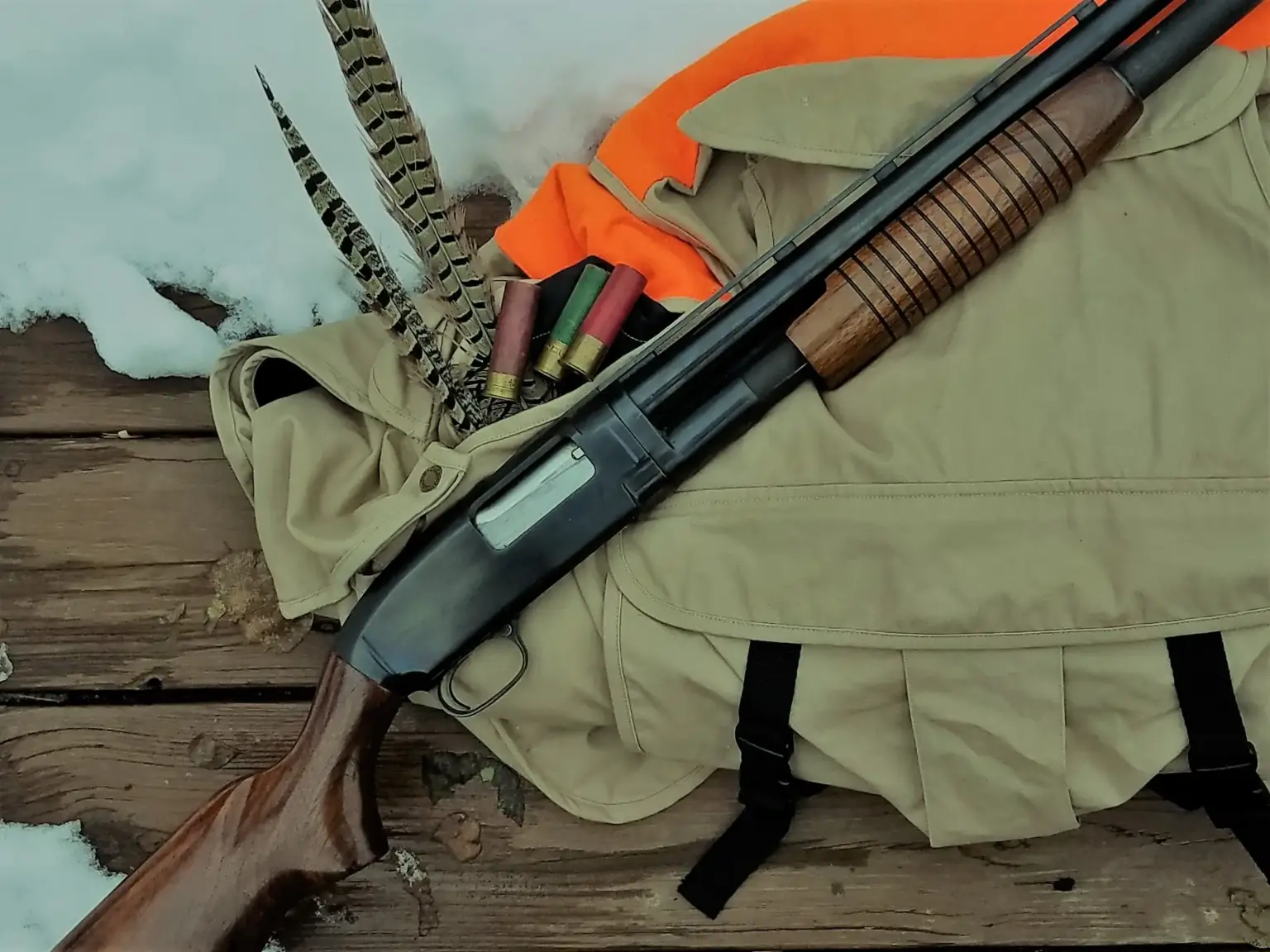
The first time I twisted the takedown collar on a clean Winchester Model 12, the front half eased off like the threads were burnished glass. On paper it was a plain field gun. In hand it felt like a small machine shop that meant every cut. That is why the Perfect Repeater hooks collectors. The closer you look, the more it rewards the looking.
If you are at a show table or opening a safe and want to sort an honest Model 12 from a parts-build, a hard-used field gun, or a slick aftermarket conversion, this guide is for you. We will cover practical era cues, ribs and chokes, riot and trench-style setups, where these pumps actually wear, and how to judge takedown fit.
What collectors prioritize on a Model 12
- Original finish and matching wood with crisp edges and sharp markings
- Factory-intent barrel configuration without cuts, rethreads, or non-factory ribs
- Choke and length that make sense for the gun, verified in hand
- Tight takedown fit with no wobble between barrel assembly and receiver
- A smooth, even pump stroke without hitching or drag
Value flows from originality and condition. Shootability and feel close the deal.
Quick era cues you can see in hand
You can drown in date charts. In hand, simple cues tell a story without turning your inspection into a rollmark spreadsheet:
- Polish and blue: Earlier finish work on classic Winchesters often shows deeper, more uniform polish. Coarser wheel marks or rounded edges can point to later production or heavy refinish. Use raking light on receiver flats.
- Machining cues: Look into the loading port, ejection port, and carrier. Hand-blended transitions and clean deburring feel different than sharper tool paths. You are not grading, just noting era flavor.
- Wood shaping: Wrist and fore-end contours shift over time. Earlier stocks often feel a touch more rounded at the wrist and fore-end nose. Later profiles can look slightly straighter where stock meets receiver.
- Proof and rollmarks: Proofs and barrel address lines should be crisp and consistent in depth. Washed stamps usually mean heavy buffing. Double strikes or odd depths can suggest non-factory barrels or refinish.
When in doubt, put two guns side by side. Crisp edges, even blue, tidy wood-to-metal fit, and a glide-smooth stroke usually point you at the better gun regardless of the date range.
Factory ribs vs add-on ribs
Ribs help many shooters see the sight picture. They also invite later add-ons. Here is how to sort factory-intent work from aftermarket efforts:
- Matting and borders: On rib tops, factory-style matting typically runs straight with consistent borders. Wavy matting or borders that pinch and spread are warnings.
- Solder lines: Sight along the rib-to-barrel joint. Clean, even solder with no voids is what you want. Ropy beads, gaps, or old flux stains point to later work.
- Bead base match: The front bead base and staking should match rib finish and age. Fresh polish on a single component is a clue.
- Address interruptions: Some aftermarket ribs cover or crowd original barrel text. If you see ghosted rollmarks under rib feet, ask questions.
- Reblue halo: Deep, fresh blue tight against worn areas, or softened stampings, often means the rib and reblue happened together after the fact.
Plain barrels deserve the same scrutiny. Cut tubes for a short, riot look usually show a replaced bead, a fresh crown, and rollmarks sitting suspiciously close to the muzzle. Measure carefully and let the whole gun agree with itself.
Chokes: marks vs measurement
Choke markings are a starting point, not the verdict. Many barrels were honed, polished, or cut over a long service life. Confirm with tools:
- Carry a simple choke gauge or calipers. Measure near the muzzle and again about 6 inches back. Constriction is the difference.
- Look for heat color, tight spiral polish, or concentric tool marks that hint at post-factory work.
- Pattern if possible. Paper tells the truth faster than a stamp.
Match choke to your purpose. A short, open gun for woods walking might be perfect. A longer tube with moderate constriction is a friendly all-arounder. Do not chase letters if the pattern and purpose match your use.
Riot and trench-style configurations
Short, handy pumps with heat shields and bayonet lugs live rent-free in the collector imagination. Winchester’s broader military story helps explain why the look resonates. For context on that long arc, see the company’s wartime overview, which touches on projects like the BAR and other military arms work over the decades: 150 Years of Winchester.
Modern factory offerings also nod to that silhouette. Winchester’s current SXP Trench carries a satin stock with a classic corncob fore-end, an 18 inch chrome plated barrel, and a fixed cylinder choke aimed at a wide pattern. It is a useful reference point for why the style endures today: SXP Trench.
Collector caution is simple: demand for short, martial-looking Model 12s has long exceeded the supply. That means cut barrels, reproduction handguards, and parts marriages are common. When you see a Model 12 in riot-length or trench-style trim, stay grounded:
- Documentation is king. When papers are thin, consistency across parts and finishes matters most.
- Study the front end. Front sight placement, crown, heat shield fit, and magazine cap should look like they grew together. Odd screw timing or bright tool kisses under a handguard are red flags.
- Verify barrel length and muzzle work. Freshly cut muzzles show it. Off-center beads or rolled edges give the game away.
- Run the fore-end. Excess play in the action bar or a shield that drifts under finger pressure suggests assembly from mixed parts.
Short configurations bring a premium because they have presence. Just do not pay extra for a story you cannot support.
High-mileage wear points
A century of service leaves marks where you would expect and a few places you might overlook:
- Action slide and rails: Feel for grindy spots mid-stroke. Sight the twin bars against a straight edge to spot bends.
- Locking surfaces: With the slide back, light up the locking recess and bolt lugs. Peening or galling explains sloppy lockup or sticky unlock.
- Shell carrier and lifter: Work the action slowly while watching the magazine-to-carrier handoff. Nose-dives or jump overs point to tired springs or timing.
- Magazine tube: Check threads at both ends and the receiver junction. Dents cause feeding weirdness.
- Takedown collar and interrupted threads: The collar should run with even resistance. Chewed edges mean forcing a dirty gun apart.
- Stock wrist and fore-end: Look for hairline cracks and oil-soaked wood behind the receiver and around action bar cuts.
- Extractor and ejector contacts: Normal brass kisses are fine. Chipped corners or gouges mean parts are working too hard.
Most of this is fixable if the price reflects the work.
Judging takedown fit
Many classic Winchester pumps, including plenty of Model 12s, are takedown guns. A careful five-minute check tells you a lot:
- Ask permission to separate. Back the collar off only enough to remove the front assembly. Note feel. Smooth and even is good. Jerky or gritty means dirt or dings.
- Inspect interrupted threads and bearing faces. You want clean, even contact with no burrs. Wipe with a cloth, never scrape.
- Reassemble and lock. With the collar seated, check for fore-and-aft play by trying to shift the barrel and magazine relative to the receiver. Zero is the goal.
- Check rotational wiggle. Gentle twist at the balance point. Any movement hints at thread wear or a collar not seating square.
- Cycle slowly. A misaligned joint can show up as a tiny change in feel mid-stroke.
When it is right, lockup feels like a vault door and the stroke has one texture from start to finish. For general context on Winchester takedown concepts, their takedown supplement for another model shows the kind of fit and alignment the factory expects across takedown designs: Winchester Takedown Supplement.
Show-table checklist
Pack light, judge well:
- Small flashlight or bore light
- Soft rag to protect wood if you separate the front assembly
- Calipers or a simple choke gauge
- Snap caps for cycling checks
- Short tape for barrel length
With permission, run four quick tests:
- Barrel and choke: Measure length, read the stamp as a hint, and gauge the muzzle.
- Takedown fit: Feel the collar, lock it up, and check for play.
- Pump stroke: Cycle slowly, then briskly. It should glide, then run.
- Feeding and ejection: Use snap caps to watch lifter and extractor timing.
One comparison that taught me a lot
Two Model 12s sat on my bench. One wore a rib and glossy blue. The other was a plain-barrel gun with that soft, velvety old finish. Paper favored the ribbed gun. My hands favored the plain one.
The ribbed barrel showed a faint solder shadow, and the muzzle gauge said the constriction had been opened. The takedown collar felt notchy and the front assembly could be persuaded to shift with a gentle twist. The plain gun locked dead tight. The collar knew where home was, and the stroke sounded like silk pulled through a ring. Patterning confirmed it. The plain gun stacked a denser, more even cloud. That is the one that stayed.
Parting notes
The Model 12 rewards careful eyes and patient hands. Learn what factory work looks like on ribs and finish, verify choke with a gauge, treat riot and trench-style builds with healthy skepticism, and judge takedown fit by feel. The rest is taste and budget.
For broader context on why short, shielded pumps still turn heads, Winchester’s own history is a good read: 150 Years of Winchester. If you plan to shoot an older example, have a competent gunsmith give it a once-over and keep loads appropriate for the era and condition. Treat a Model 12 kindly and it will usually return the favor.