
Remington Model 8 and 81: Browning’s Long Recoil Sporting Rifles
A practical, collector-minded look at Remington’s Model 8 and 81. Calibers, long recoil explained, police conversions, and what to check before you buy.

Call us any time at: (833) 486-6659
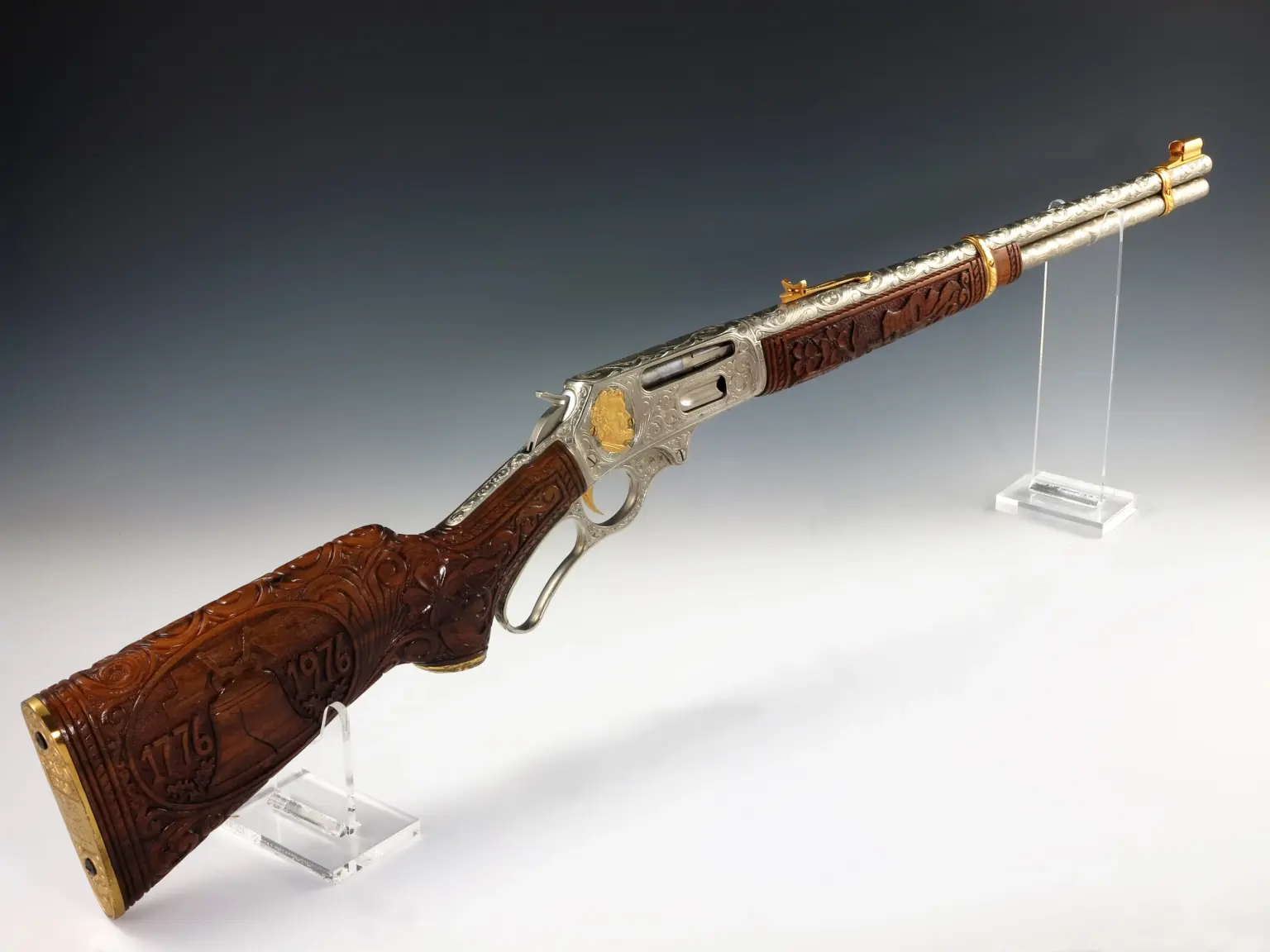
I still remember watching two Marlin 336 rifles on the same gun show table pull two different crowds. Same chambering, same price. One older, scuffed just right. One newer, glossy and sharp. The difference everyone was whispering about was a tiny set of letters near the barrel shank. That was the moment I stopped seeing the 336 as just a lever gun and started reading it like a language.
This guide is here to help you read that language without noise. We will translate how buyers use JM and REP marks, what people mean by pre-safety 336, what to expect from Micro-Groove and Ballard-style rifling, and the practical checks that separate a good deal from a headache. I will also point you to current factory resources, because the story is still being written.
The Model 336 lives at the center of deer woods culture. It points fast, carries well, and takes to scopes and peep sights without fuss. With sensible chamberings and real-world accuracy, it earned truck-gun status for generations. Today it is also a canvas for both traditionalists and tinkerers, which is why you see as many honest work rifles as you do high-polish classics.
Marlin Firearms are currently manufactured by Sturm, Ruger & Co., Inc., and new-production 336 rifles reflect that chapter. If you plan to run a used gun for years, modern factory support matters. The current specifications and features live on the official Model 336 page.
The factory manual for the Model 336 family spells out checks that apply to any inspection or range session:
You can download the manual that covers the 336 here: Marlin 1895/336 manual (PDF). It is worth saving.
Spend five minutes around older Marlins and you will hear JM and REP tossed around like model names. They are not model names. They are small proof or inspection stamps buyers use as clues about when and where a barrel was proofed.
Where to look: on most 336 rifles, the tiny letter stamps live on the right side of the barrel near the receiver shoulder. Good light helps. Ask permission before removing anything.
What the letters usually mean in buyer conversations:
Two reminders that keep you honest:
Another quick fork is the cross-bolt safety. Earlier rifles rely on traditional handling and a hammer safety notch. Later rifles add a reversible cross-bolt safety at the rear of the receiver.
How to spot it: look for a circular button that passes through the receiver just behind the ejection port. Red showing on one side typically indicates the safety is off. No button usually means an earlier configuration.
What to check at the counter:
You will hear two rifling terms with 336 barrels. Micro-Groove typically means a higher count of shallow grooves. Ballard-style is shorthand for fewer, deeper grooves with more pronounced lands. Both stabilize bullets. Both can shoot well.
For buyers, the practical stuff matters more:
Here is a simple routine that keeps the evaluation quick and consistent. Ask before any disassembly and keep the rifle pointed in a safe direction.
At a range sale, listen closely. If a shot sounds off, softer or sharper than expected, stop, open the action, and check the bore for obstructions. The manual highlights this for a reason.
These pop up often enough to check first:
None of these are deal-breakers by themselves. They are leverage for price or a note for light smithing after purchase.
Support is active. Marlin Firearms are manufactured by Sturm, Ruger & Co., Inc., and you can find current specs and contact information on the official Model 336 page. Keep the factory manual handy for safety checks and maintenance guidance.
Treat JM and REP as signposts, not verdicts. Think of Micro-Groove and Ballard-style rifling as two roads to the same destination. Pre-safety and cross-bolt rifles are cousins that share more than they differ. The value lives in a straight barrel, a clean bore, a good crown, correct safety function, smooth cycling, and honest fit.
When in doubt, let the factory sources do the talking. If something sounds or looks wrong, stop and get qualified help. Rifles are meant to be enjoyed, and the Model 336 has made that easy for a long time.
Available
View Item
Available
View Item
Available
View Item
Available
View Item
Available
View Item
Available
View ItemA practical, collector-minded look at Remington’s Model 8 and 81. Calibers, long recoil explained, police conversions, and what to check before you buy.
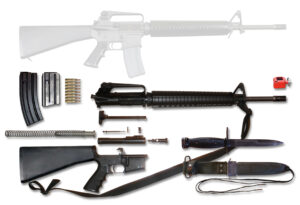
A collector’s look at Colt’s SP1 and early Sporters, from slickside uppers and pencil barrels to the rollmarks and small changes that hinted at the A2 era.
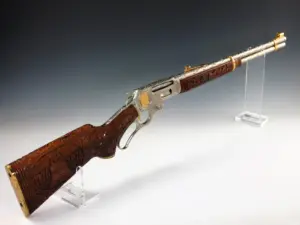
A practical, story-driven guide to reading JM vs REP barrel marks, understanding pre-safety 336s, Micro-Groove and Ballard-style rifling, and the smart checks to make before you buy.