

Buyer Guides
Glock Generations Decoded: Gen1 to Gen5 Changes That Matter
A clear, hands-on walk through Gen1 to Gen5 Glock differences you can actually see and feel, plus quick ID cues, useful markings, and a 10-minute inspection plan.

Call us any time at: (833) 486-6659
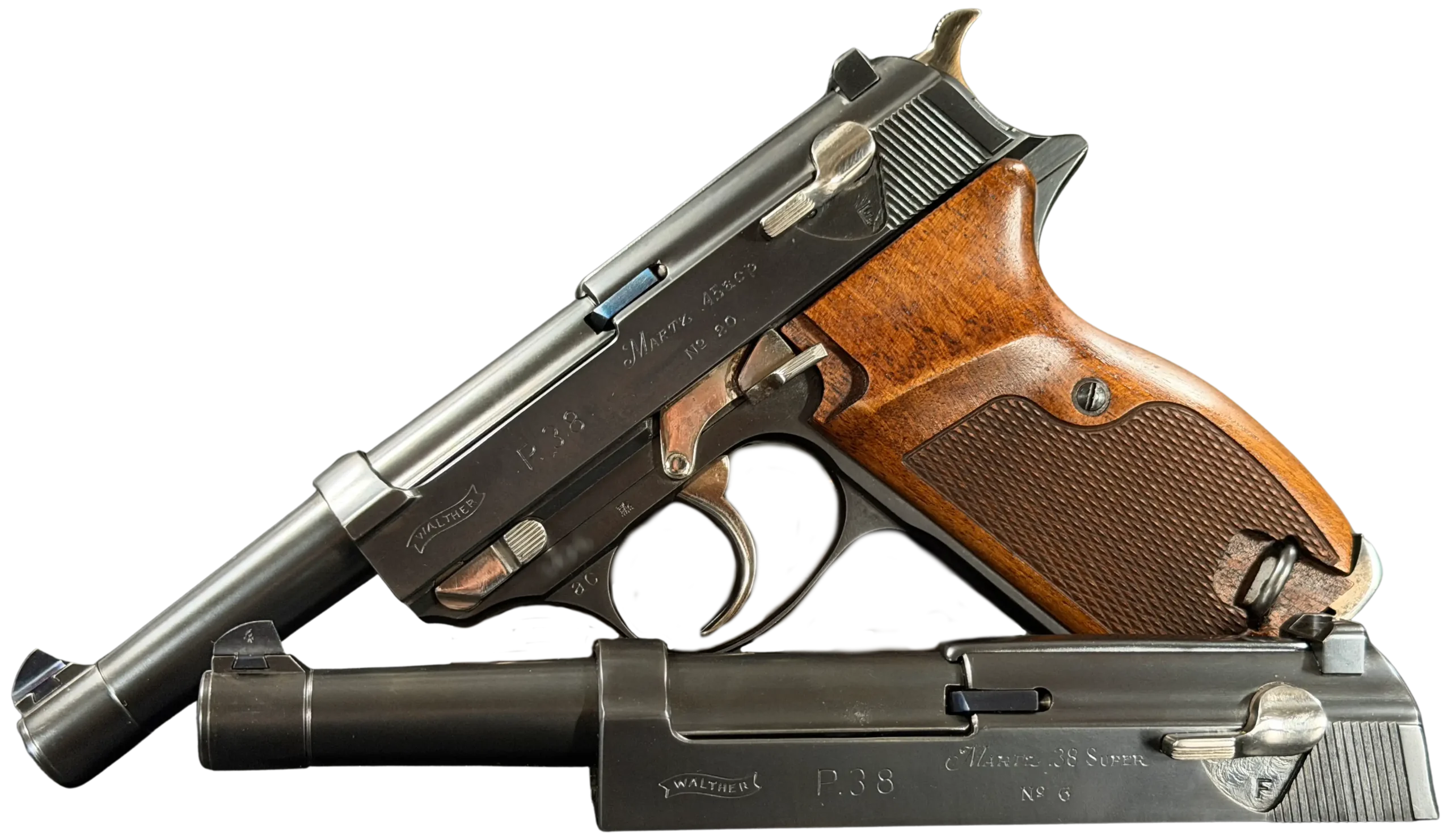
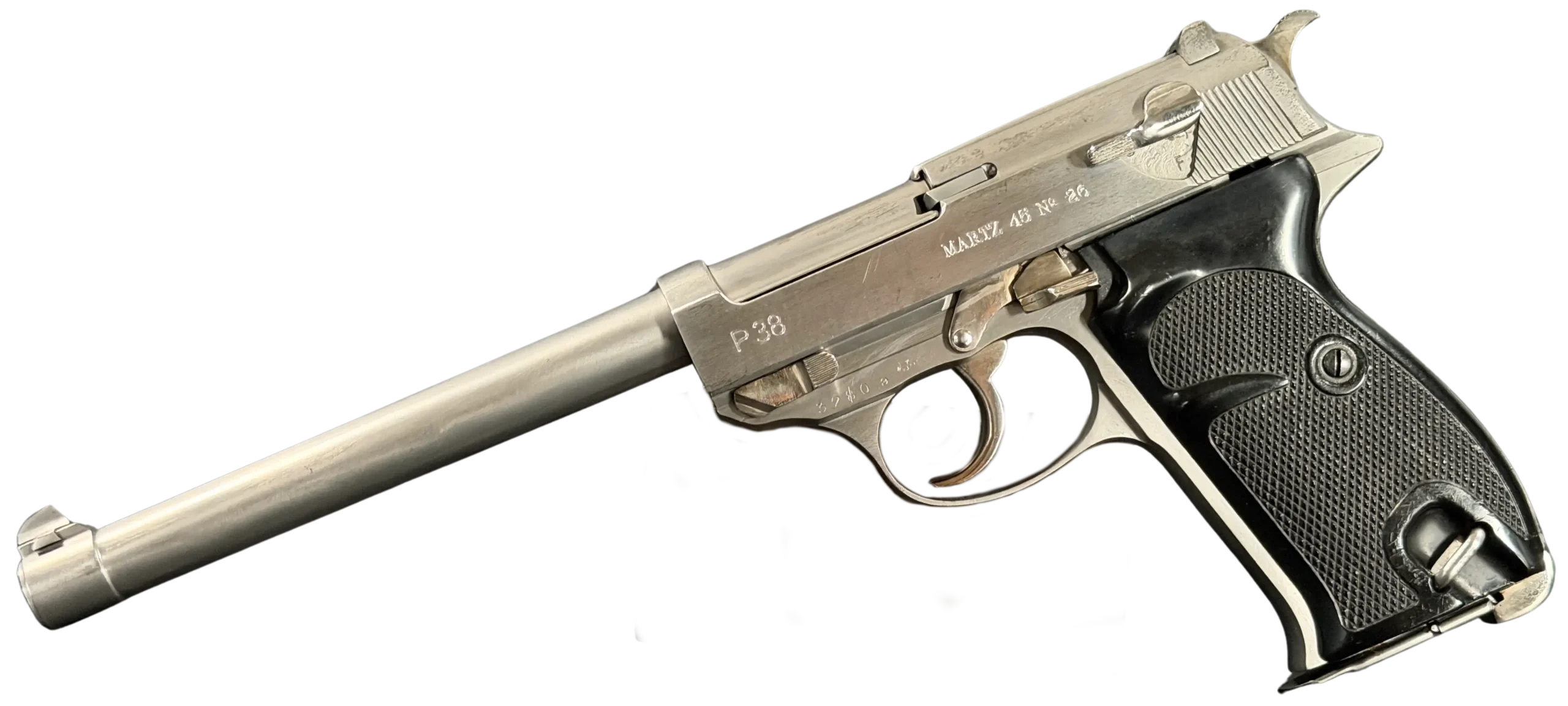
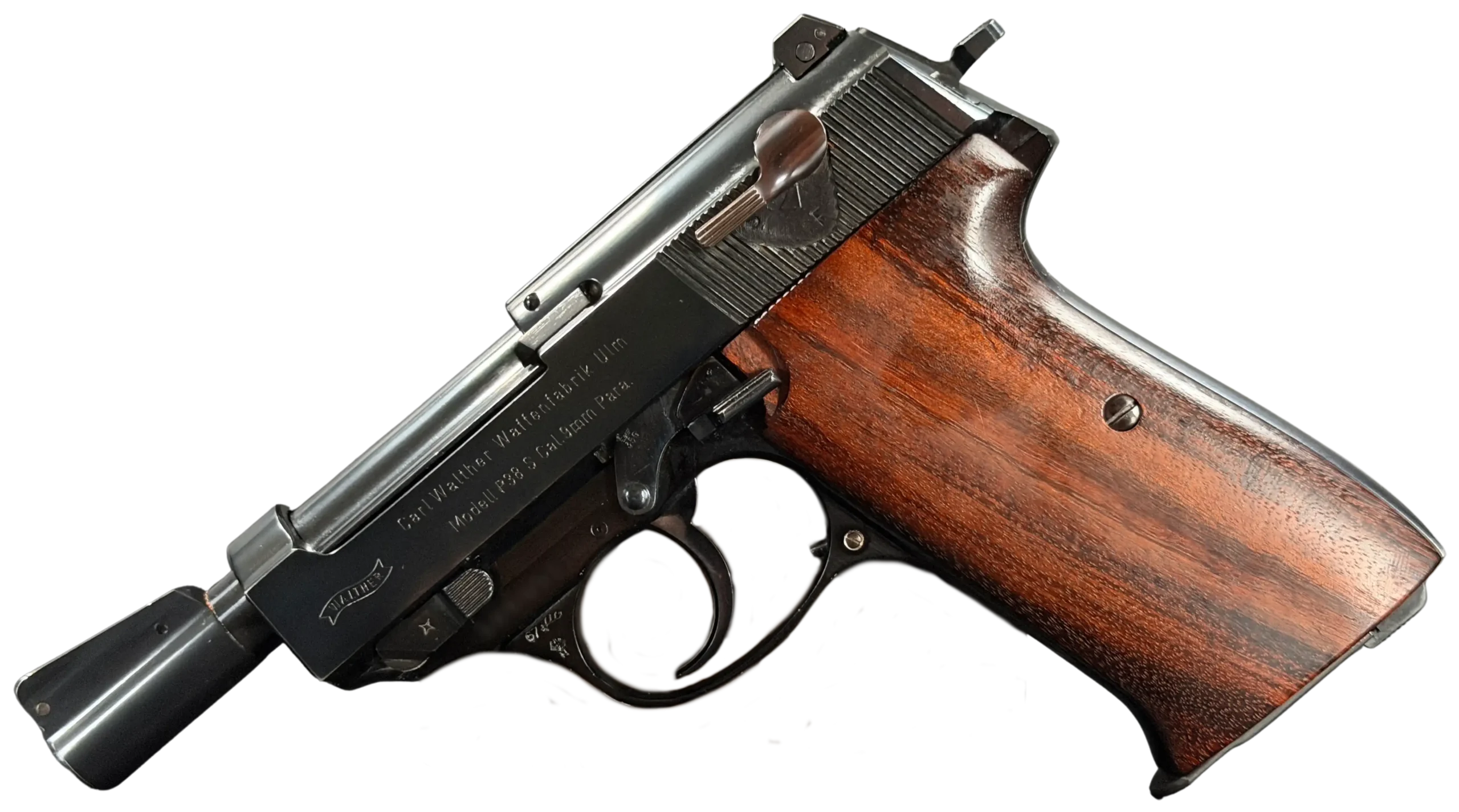
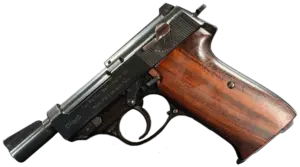
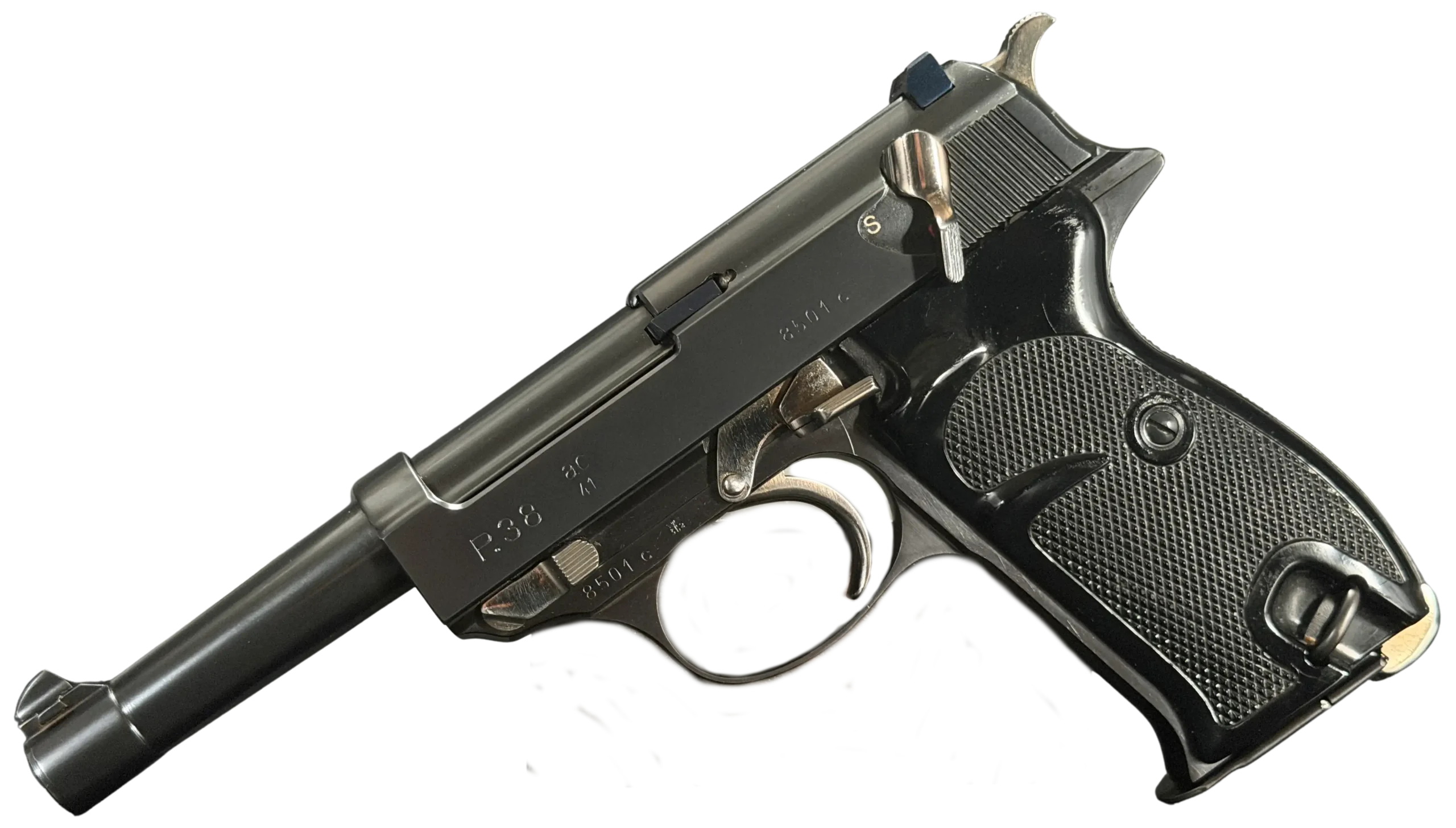
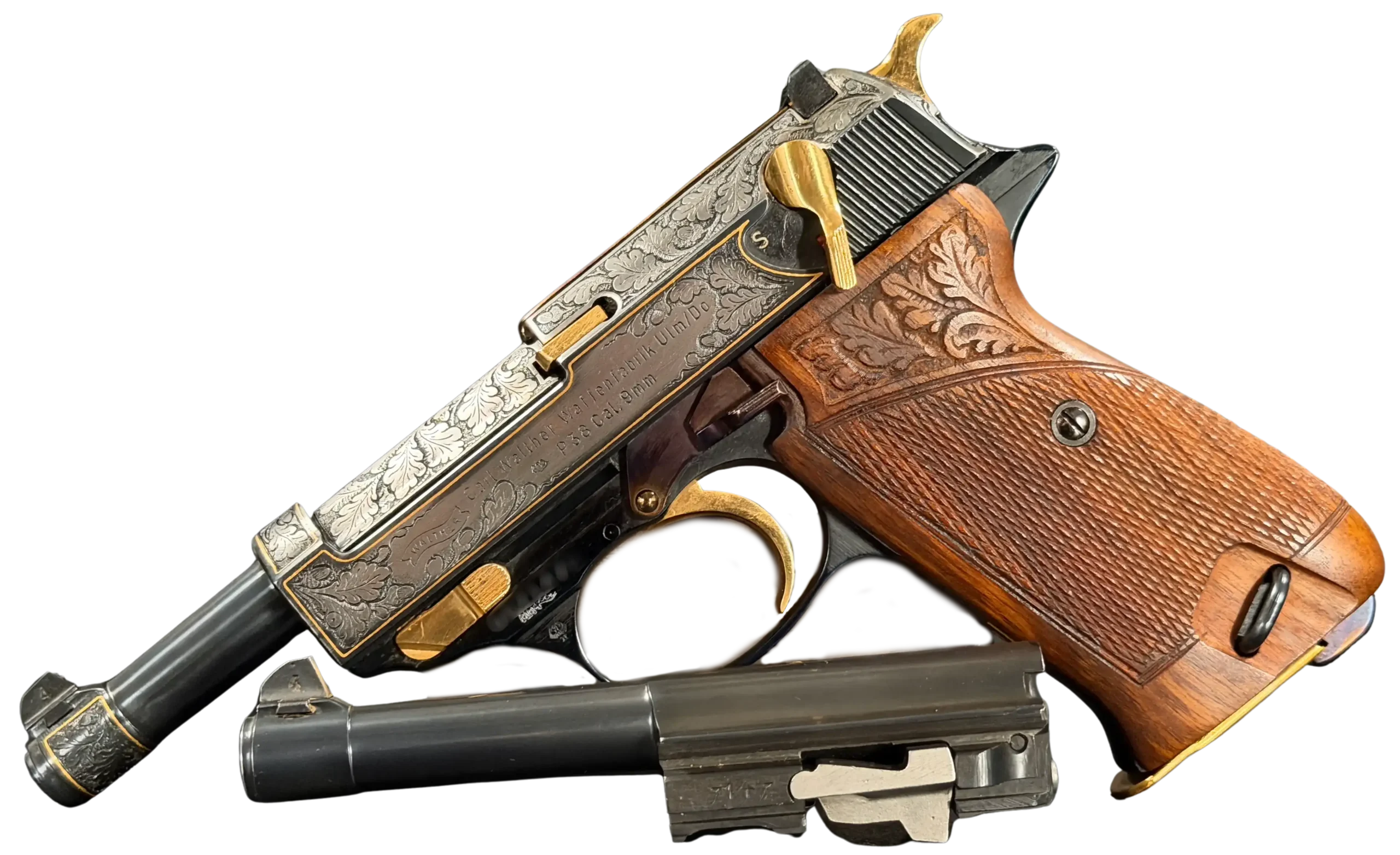
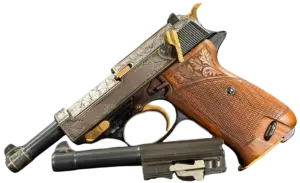
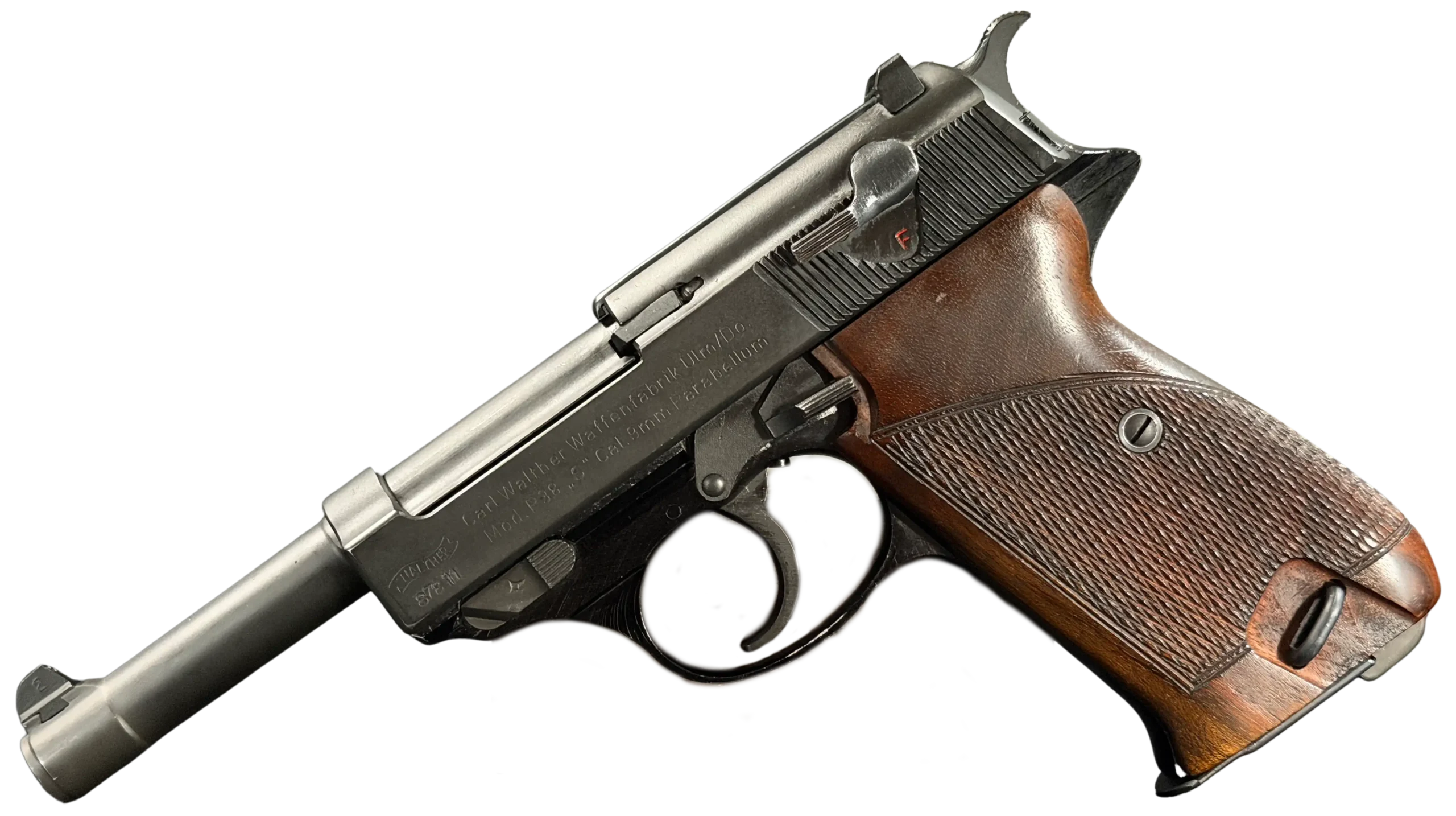
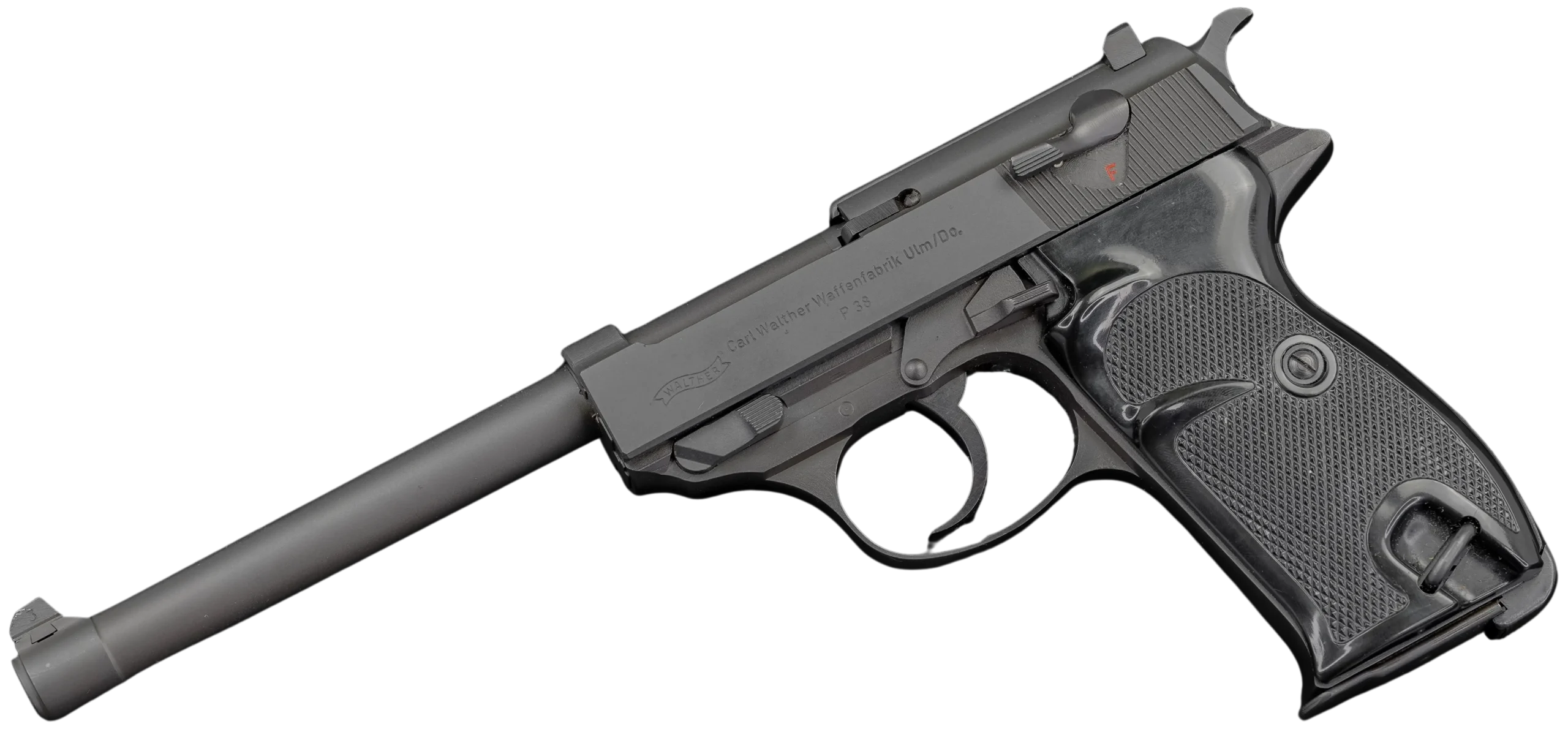
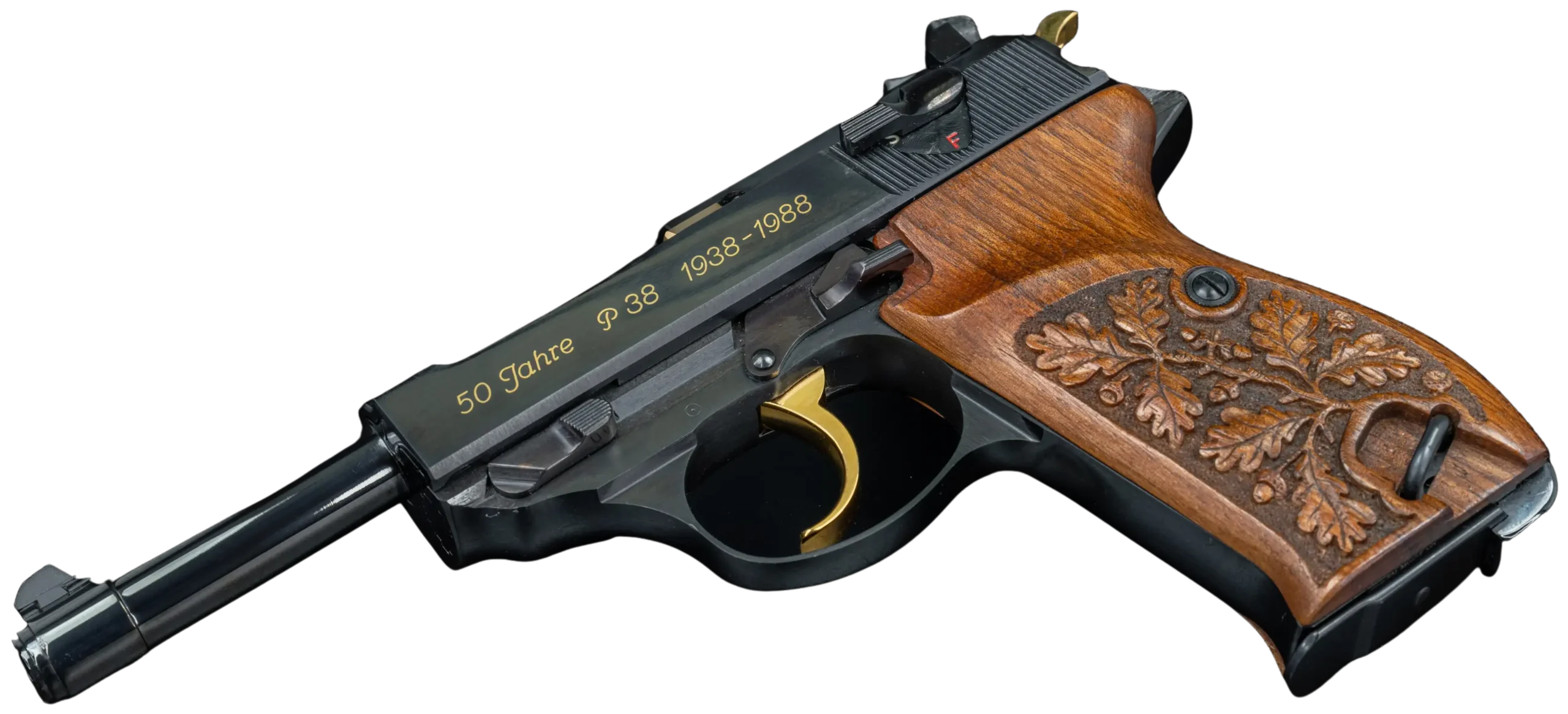
The Walther P38 is a historically pivotal semi-automatic pistol adopted by the German Wehrmacht in 1938 as a replacement for the Luger P08, representing a fundamental advance in service pistol design through its introduction of the double-action/single-action trigger mechanism to military service—the first time this feature appeared in a major military adoption. Designed to address the Luger’s mechanical complexity, manufacturing difficulty, and sensitivity to adverse conditions, the P38 offered a simpler, more robust locked-breech design that could be manufactured more quickly and economically while providing improved reliability and a safety advantage through its double-action capability.
The double-action/single-action system the P38 pioneered—allowing the pistol to be carried with a loaded chamber, hammer down, and fired safely on the first shot with a long double-action pull, subsequently operating in single-action for follow-up shots—became the standard for military and law enforcement service pistols for the next 50 years. The P38’s influence is visible in virtually every major service pistol introduced between 1945 and the Glock era, from the Beretta 92 to the SIG P-series to countless others. It is not an exaggeration to say that the P38 defined the service pistol template that dominated professional use for half a century.
The P38 was produced by Walther, Mauser, and the Spreewerk factory during World War II in enormous quantities, and subsequent to the war it was adopted by the West German Bundeswehr as the P1—a lightened alloy-frame variant of the original design—and by numerous police agencies.
Walther P38 pistols from World War II production are extensively collected, with specific factory codes, production years, and condition grades creating a complex and active collector market. The pistol’s historical importance as a design milestone makes it essential to any serious collection of 20th-century military sidearms.
Showing all 8 resultsSorted by latest
Showing all 8 resultsSorted by latest
Available
View Item
Available
View Item
Available
View Item
Available
View Item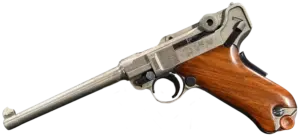
Available
View Item
Available
View ItemA clear, hands-on walk through Gen1 to Gen5 Glock differences you can actually see and feel, plus quick ID cues, useful markings, and a 10-minute inspection plan.

A practical collector’s guide to the Winchester Model 70. Quick ID of Pre-64, Post-64, and Classic; CRF vs push-feed; triggers; stocks and barrels; serial dating; and a no-nonsense inspection checklist.
From Tikkakoski’s barrel shop to Sako’s Riihimäki plant, this is the real story behind Tikka’s T3 and T3x. We cover actions, barrels, triggers, model lines, and what matters to buyers and collectors.