

Education
Gun Steels, Explained: 4140 vs. 4150, 8620 & 9310, 416R & 17-4
What those steel numbers on barrels and bolts really mean, how heat treat and nitriding change the picture, and clear tradeoffs buyers will actually notice.

Call us any time at: (833) 486-6659
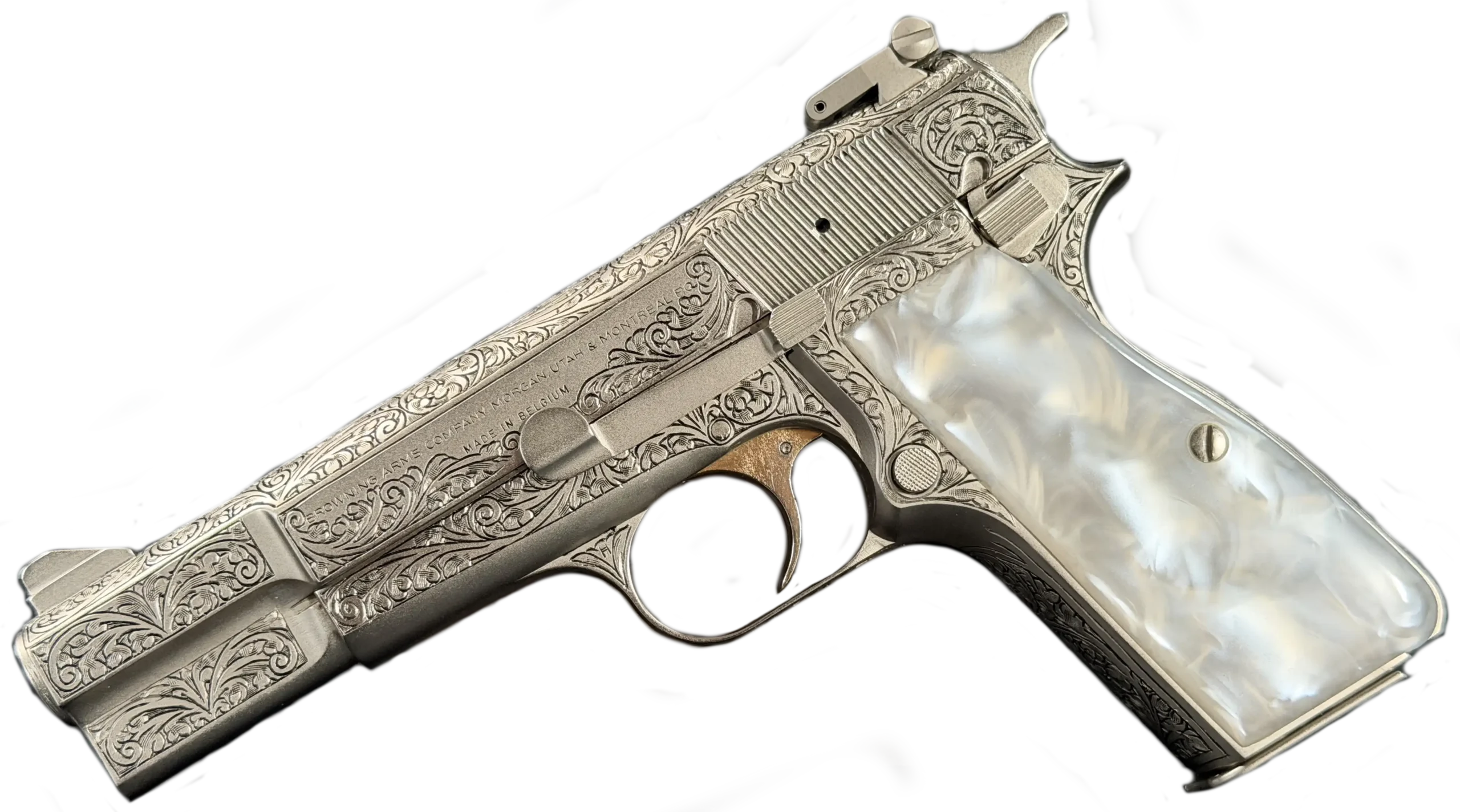
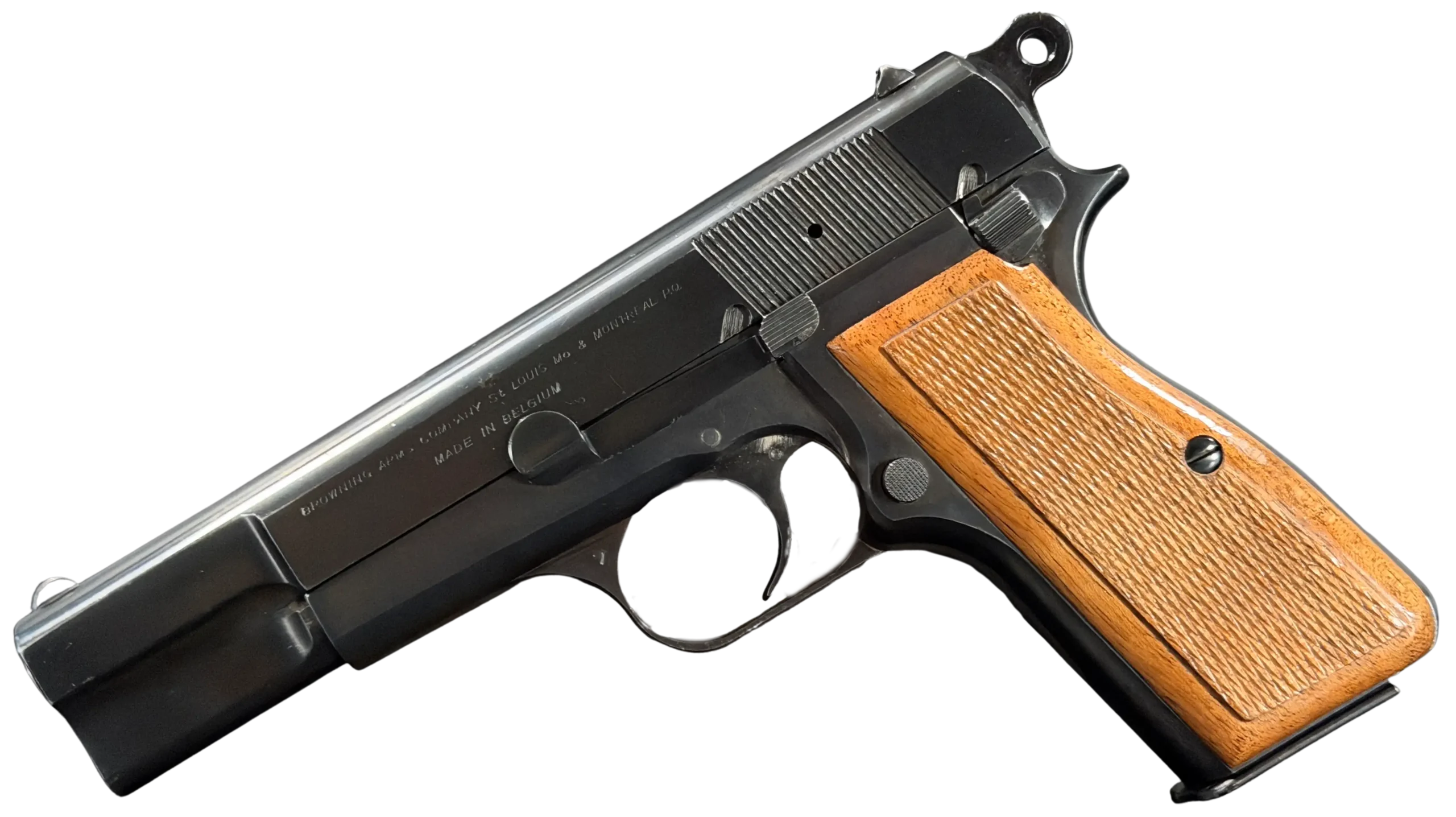
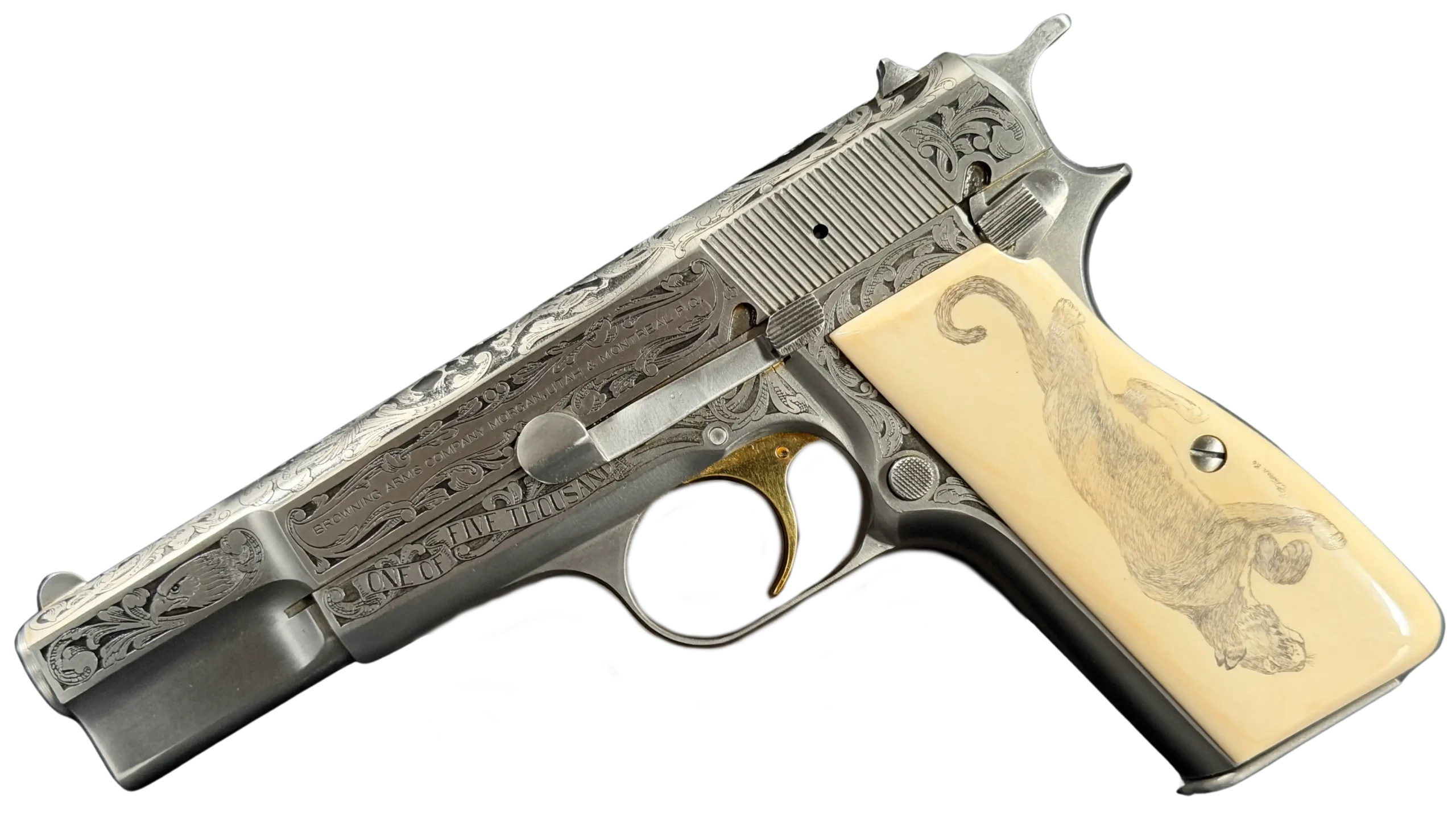
The Browning Hi-Power, also known as the GP35 (Grande Puissance, meaning “High Power”), is one of the most historically significant and influential semi-automatic pistols ever designed, representing John Moses Browning’s final handgun design—completed after his death in 1926 by Belgian designer Dieudonné Saive at Fabrique Nationale in Liège, Belgium. Introduced in 1935 and produced continuously until 2017, the Hi-Power was the first commercially successful high-capacity 9mm pistol, featuring a 13-round double-stack magazine at a time when most competitors held eight rounds or fewer.
The Hi-Power’s significance extends far beyond its capacity advantage. The tilting-barrel, short-recoil operating system that Browning refined for the Hi-Power served as the template for virtually every subsequent semi-automatic pistol design, including the Beretta 92, the SIG Sauer P-series, the Walther P99, and countless others. It was the direct mechanical progenitor of the modern service pistol in a way that its contemporary the 1911 was not, as the 1911’s pivoting barrel design was ultimately less influential than the Hi-Power’s tilting-barrel system.
The Hi-Power was adopted by both Allied and Axis forces during World War II—an extraordinary distinction that reflects the pistol’s quality and the complex circumstances of wartime production. It was subsequently adopted by over 50 nations as a military service pistol, including Canada, Australia, the United Kingdom, and many others, and served in those roles well into the 21st century.
The Hi-Power’s single weakness—a magazine safety that connects trigger feel to magazine presence, degrading the otherwise excellent trigger—has been the subject of extensive criticism and is typically among the first modifications competitive shooters and gunsmiths make. Despite this flaw, the Hi-Power’s historical importance, inherent accuracy, comfortable ergonomics, and elegant proportions ensure its enduring place among the most collectible and respected service pistols of the 20th century.
Showing all 3 resultsSorted by latest
Available
View Item
Available
View Item
Available
View Item
Available
View Item
Available
View Item
Available
View ItemWhat those steel numbers on barrels and bolts really mean, how heat treat and nitriding change the picture, and clear tradeoffs buyers will actually notice.
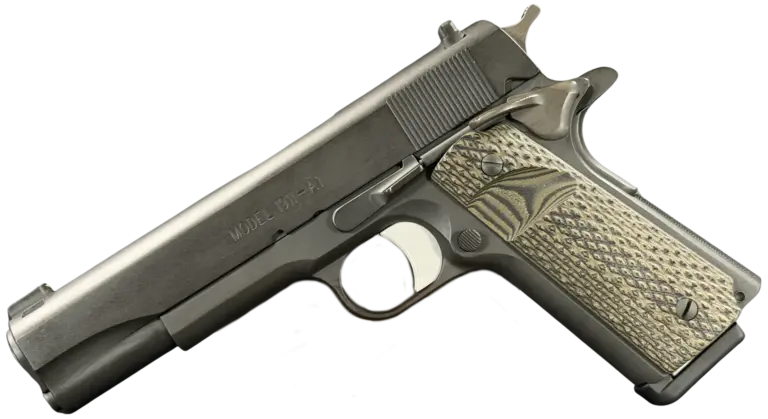
A practical guide to U.S. military 1911 and 1911A1 pistols. Read frames and slides, spot inspectors’ marks, understand arsenal rebuild stamps, and verify serial blocks across Colt, Remington-UMC, Ithaca, US&S, and Singer.
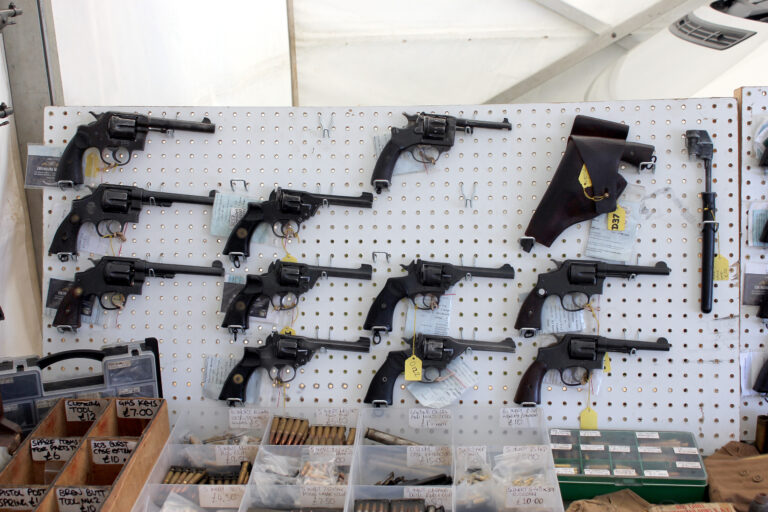
From a Birmingham bullet-mould shop to the Mk I–Mk VI service revolvers and post-war shotguns, here’s how Webley & Scott evolved—and what that means for buyers.